Maternal age and body mass index and risk of labor dystocia after spontaneous labor onset among nulliparous women: A clinical prediction model
Nina Olsén Nathan, Thomas Bergholt, Christoffer Sejling, Anne Schøjdt Ersbøll, Kim Ekelund, Thomas Alexander Gerds, Christiane Bourgin Folke Gam, Line Rode, Hanne Kristine Hegaard, David Desseauve, David Desseauve, David Desseauve

TL;DR
This study develops a prediction model for labor dystocia in first-time mothers using factors like age and BMI, showing moderate accuracy.
Contribution
The study introduces a clinical prediction model for labor dystocia using maternal characteristics and machine learning.
Findings
The model achieved an AUC of 62.3% for predicting labor dystocia.
All candidate predictors, including maternal age and BMI, were retained in the final model.
The model's Brier score was 0.24, indicating moderate calibration.
Abstract
Obstetrics research has predominantly focused on the management and identification of factors associated with labor dystocia. Despite these efforts, clinicians currently lack the necessary tools to effectively predict a woman’s risk of experiencing labor dystocia. Therefore, the objective of this study was to create a predictive model for labor dystocia. The study population included nulliparous women with a single baby in the cephalic presentation in spontaneous labor at term. With a cohort-based registry design utilizing data from the Copenhagen Pregnancy Cohort and the Danish Medical Birth Registry, we included women who had given birth from 2014 to 2020 at Copenhagen University Hospital–Rigshospitalet, Denmark. Logistic regression analysis, augmented by a super learner algorithm, was employed to construct the prediction model with candidate predictors pre-selected based on clinical…
Genes, proteins, chemicals, diseases, species, mutations and cell lines named across the full text — each resolved to its canonical identifier and authoritative record.
Click any figure to enlarge with its caption.
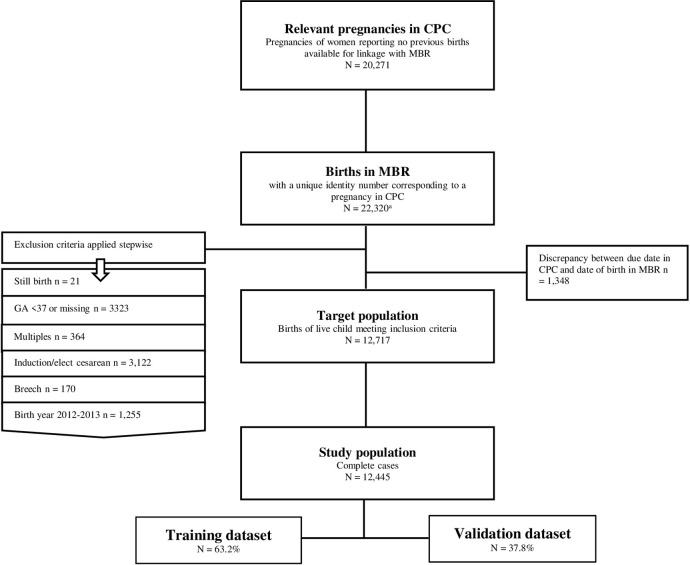 Figure 1
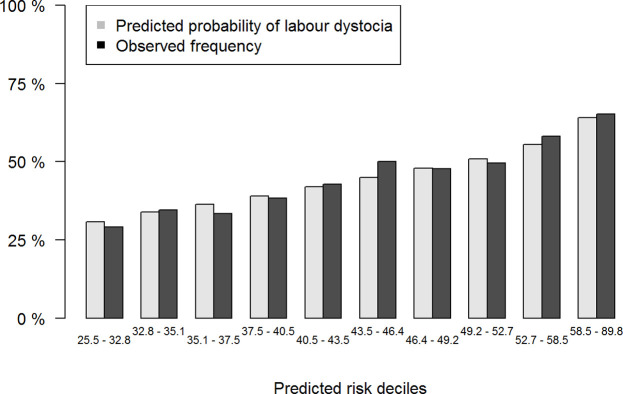 Figure 2
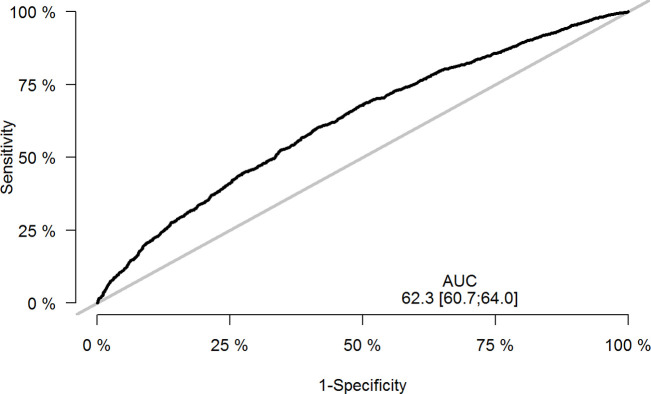 Figure 3
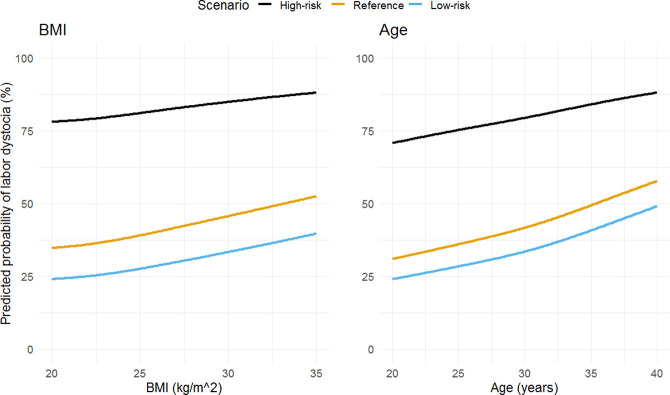 Figure 4
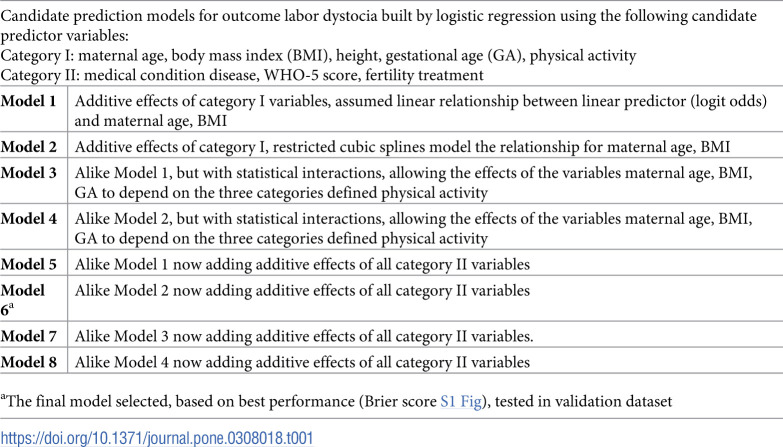 Figure 5
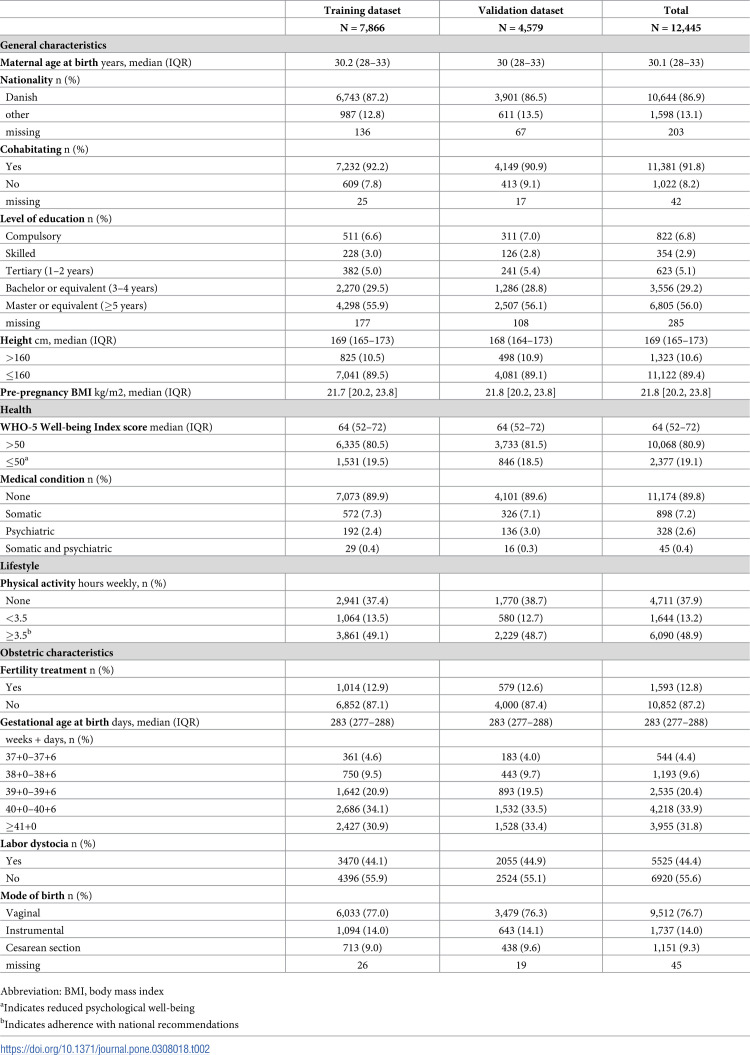 Figure 6
 Figure 7
Peer Reviews
No public reviews on file for this paper yet. If you reviewed it on a platform where reviews are public (OpenReview, ICLR, NeurIPS, ICML), you can paste yours below so the community can read it here.
Videos
No videos yet. Explain this paper in a talk, walkthrough, or lecture? Add one.
Taxonomy
TopicsMaternal and Perinatal Health Interventions · Maternal and fetal healthcare · Global Maternal and Child Health