Regulation of TGF-β2-induced epithelial–mesenchymal transition and autophagy in lens epithelial cells by the miR-492/NPM1 axis
Yanqiong Bao, Guangjie Ding, Haiqing Yu, Yawei He, Jiayan Wu

TL;DR
This study explores how miR-492 and NPM1 regulate cell processes like autophagy and EMT in lens cells, offering new insights into cataract development and treatment.
Contribution
The study identifies a novel regulatory axis involving miR-492 and NPM1 in cataract-related cell processes.
Findings
NPM1 overexpression promotes cell proliferation and prevents apoptosis in lens epithelial cells.
miR-492 negatively regulates NPM1 and autophagy-related proteins in response to TGF-β2.
NPM1 knockdown restores autophagy suppressed by miR-492 mimics, suggesting a complex regulatory interaction.
Abstract
A cataract is a clinically common blinding disease closely related to the aging of the eye cells, which has become a major health killer in the elderly. Our research seeks to analyze the primary targets linked to the pathogenesis of cataracts during the aging process. We performed bioinformatics analyses on the GSE101727 dataset to discover genes linked with aging and cataracts. To explore the impacts of Nucleophosmin 1 (NPM1) on cell apoptosis, proliferation, as well as epithelial–mesenchymal transition (EMT) processes, in vitro tests, such as western blotting, flow cytometry, and MTT, were carried out. Additionally, the study incorporated transforming growth factor β2 (TGF-β2) to examine its function in cellular responses, chloroquine (CQ) to regulate autophagic flow, and H2O2 therapy to mimic oxidative stress. Our study discovered seven aging-related genes, including NPM1, that had…
Genes, proteins, chemicals, diseases, species, mutations and cell lines named across the full text — each resolved to its canonical identifier and authoritative record.
Click any figure to enlarge with its caption.
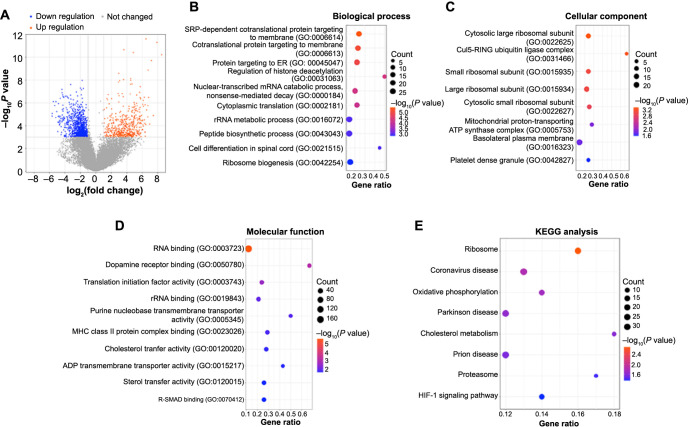 Figure 1
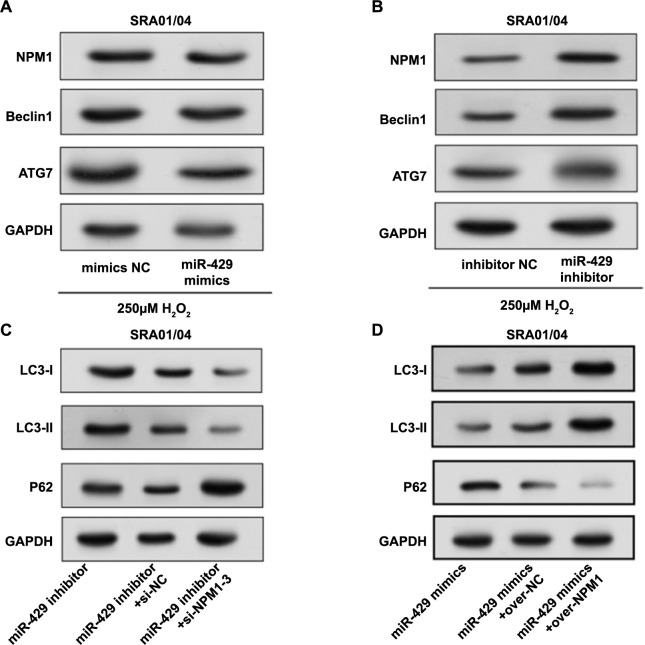 Figure 2
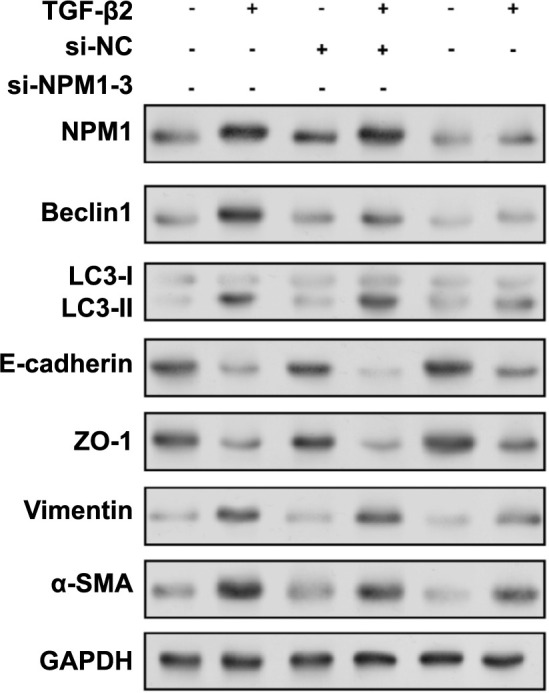 Figure 3
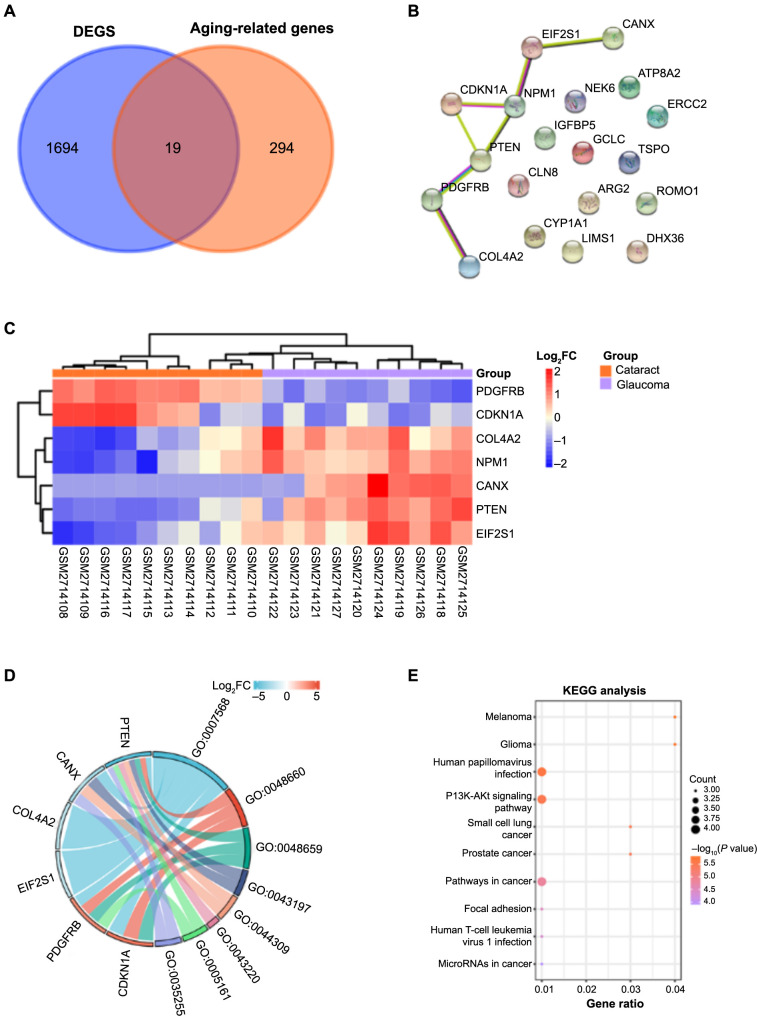 Figure 4
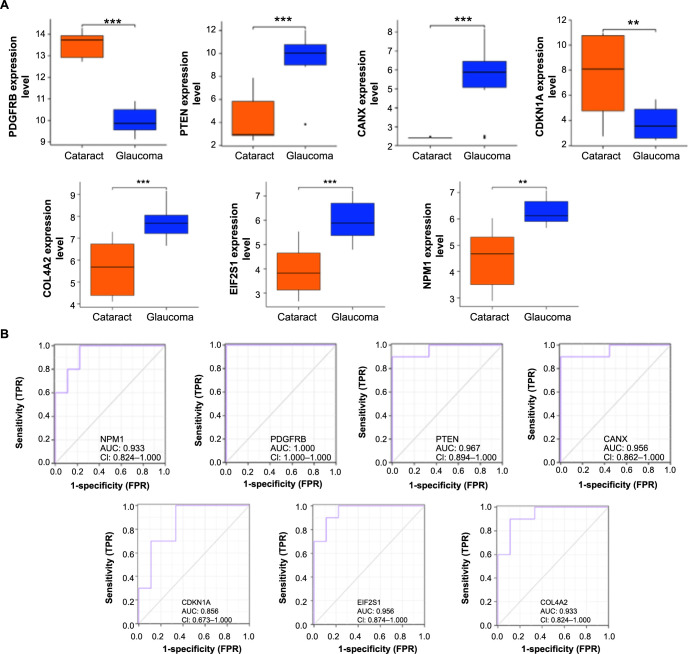 Figure 5
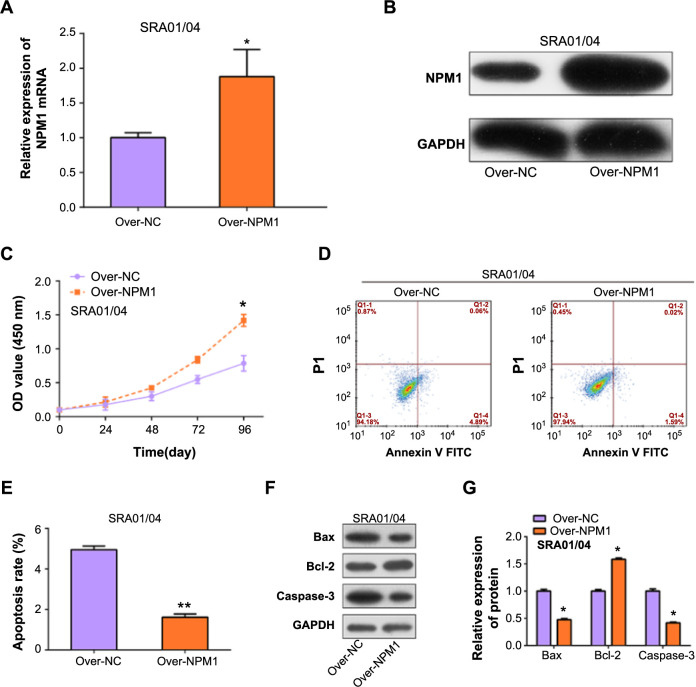 Figure 6
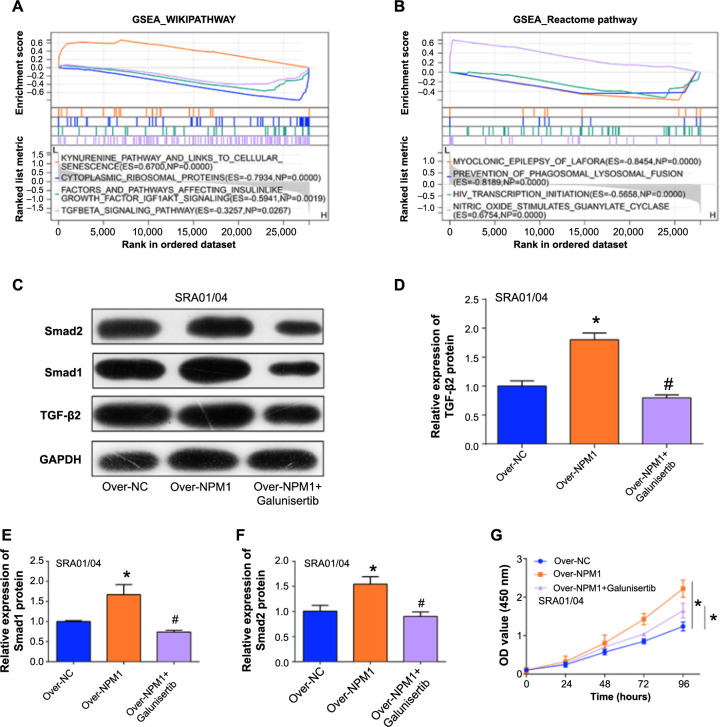 Figure 7
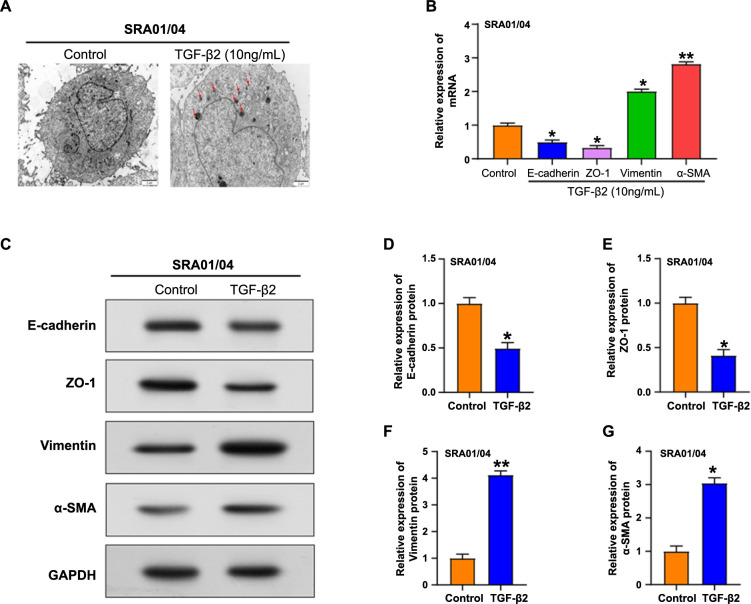 Figure 8
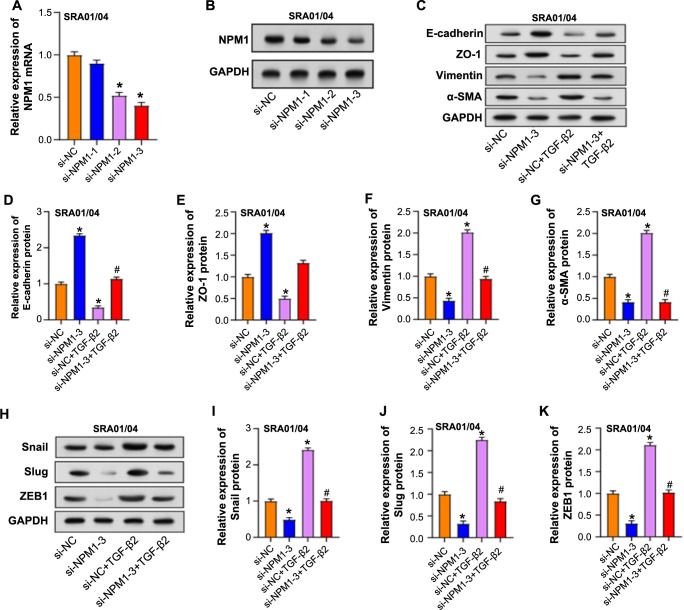 Figure 9
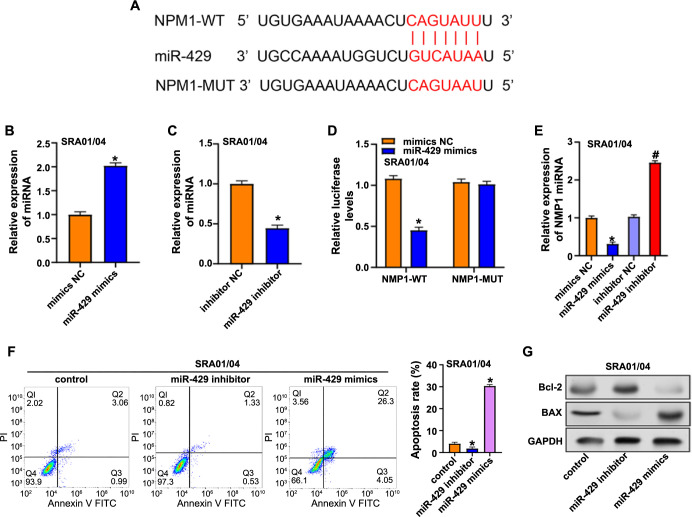 Figure 10
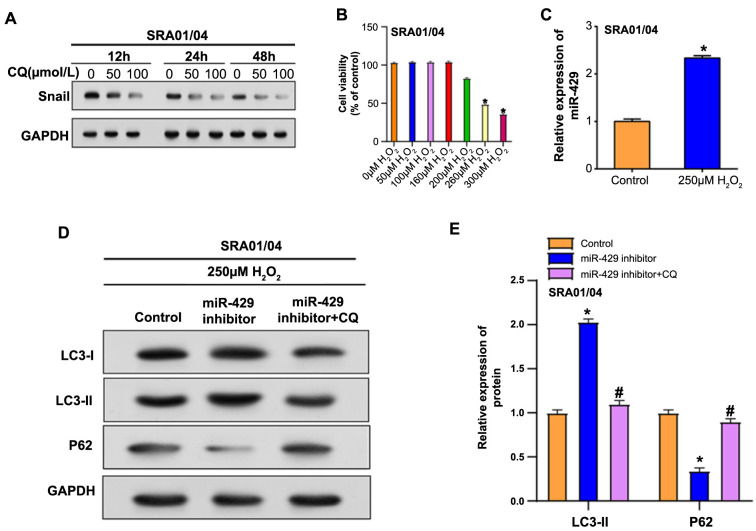 Figure 11
Peer Reviews
No public reviews on file for this paper yet. If you reviewed it on a platform where reviews are public (OpenReview, ICLR, NeurIPS, ICML), you can paste yours below so the community can read it here.
Videos
No videos yet. Explain this paper in a talk, walkthrough, or lecture? Add one.
Taxonomy
TopicsConnexins and lens biology · Cancer-related molecular mechanisms research · MicroRNA in disease regulation