Temporal localization of upper extremity bilateral synergistic coordination using wearable accelerometers
Khadija F. Zaidi, Qi Wei

TL;DR
This study uses wearable accelerometers to explore how young and older adults coordinate their upper limbs during daily tasks, revealing age-related differences in movement patterns.
Contribution
The study introduces a novel use of wearable accelerometers and Expanding Procrustes methodology to objectively quantify bilateral and intra-limb coordination during ADLs.
Findings
Younger participants showed stronger intra-limb coordination, particularly in upper arm and forearm segments.
Older participants exhibited longer periods of inter-limb coordination, especially during task completion.
Task complexity reduced movement similarity across both age groups.
Abstract
The human upper extremity is characterized by inherent motor abundance, allowing a diverse array of tasks with agility and adaptability. Upper extremity functional limitations are a common sequela to Stroke, resulting in pronounced motor and sensory impairments in the contralesional arm. While many therapeutic interventions focus on rehabilitating the weaker arm, it is increasingly evident that it is necessary to consider bimanual coordination and motor control. Participants were recruited to two groups differing in age (Group 1 (n = 10): 23.4 ± 2.9 years, Group 2 (n = 10): 55.9 ± 10.6 years) for an exploratory study on the use of accelerometry to quantify bilateral coordination. Three tasks featuring coordinated reaching were selected to investigate the acceleration of the upper arm, forearm, and hand during activities of daily living (ADLs). Subjects were equipped with acceleration…
Genes, proteins, chemicals, diseases, species, mutations and cell lines named across the full text — each resolved to its canonical identifier and authoritative record.
Click any figure to enlarge with its caption.
 Figure 1
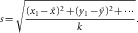 Figure 2
 Figure 3
 Figure 4
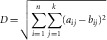 Figure 5
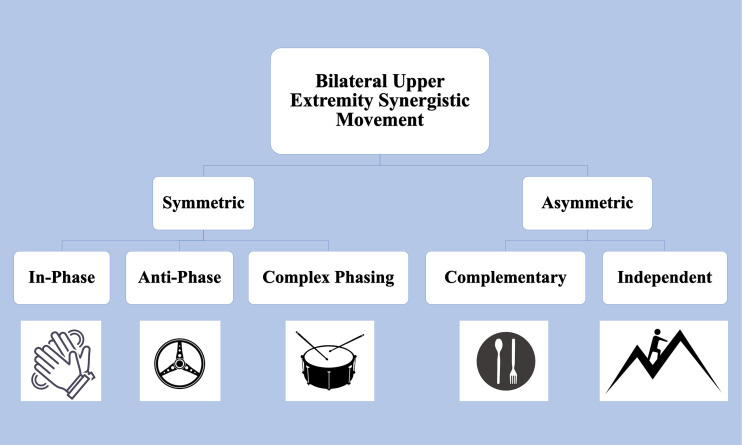 Figure 6
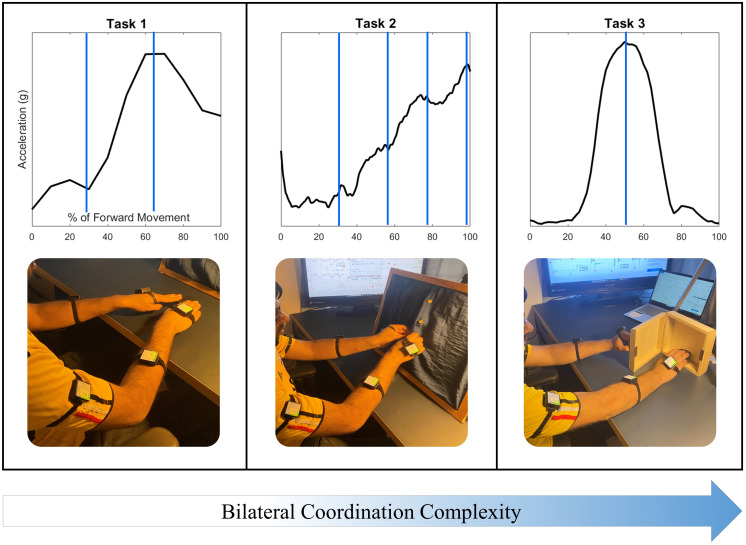 Figure 7
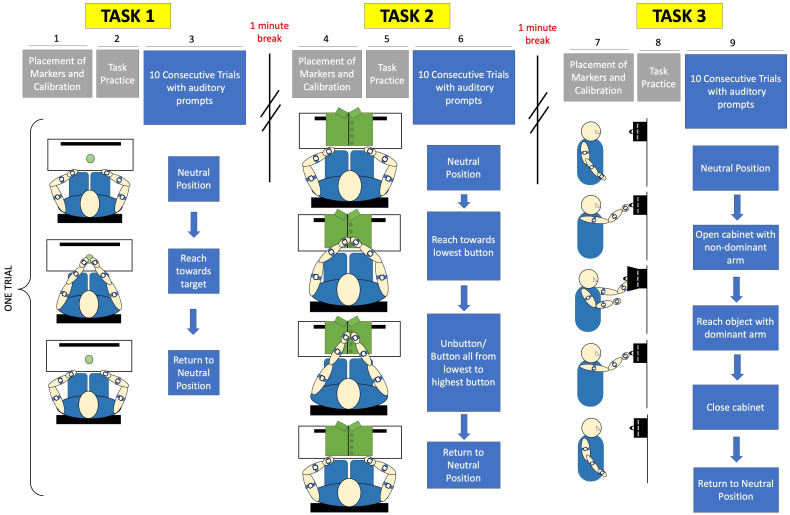 Figure 8
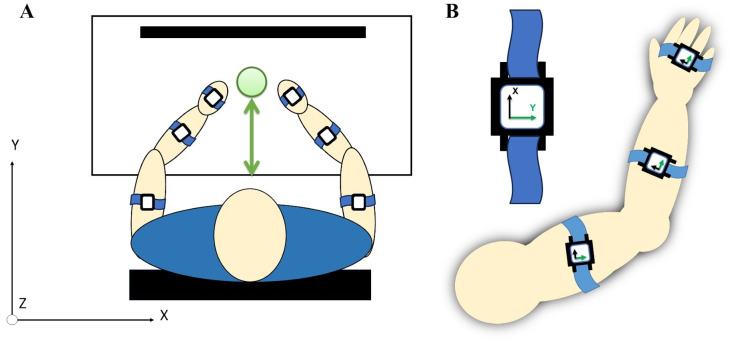 Figure 9
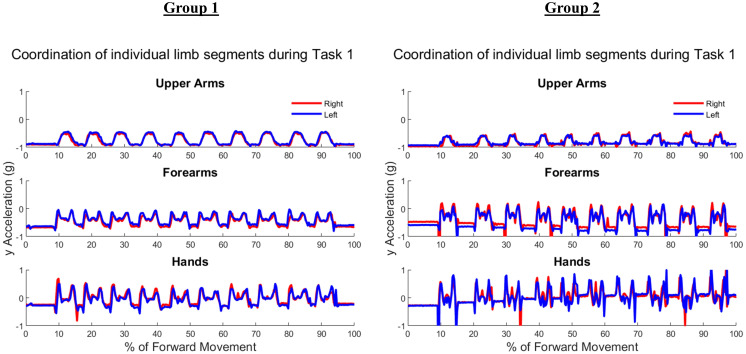 Figure 10
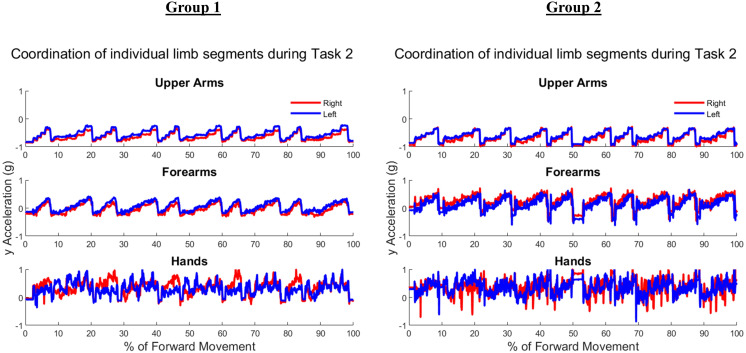 Figure 11
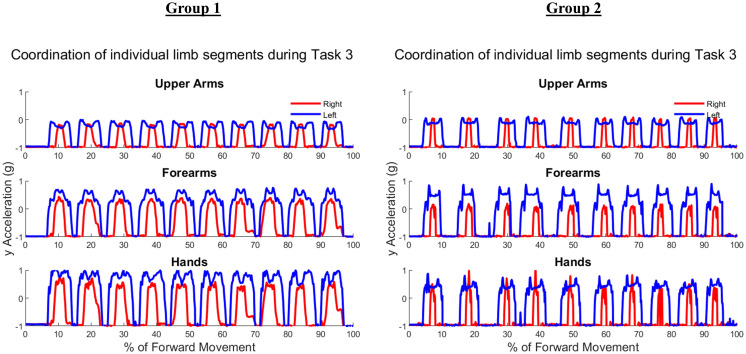 Figure 12
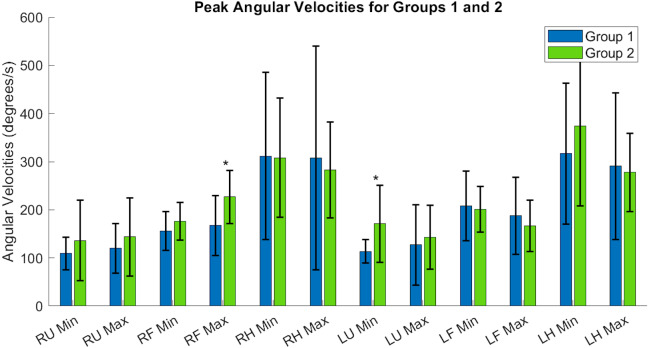 Figure 13
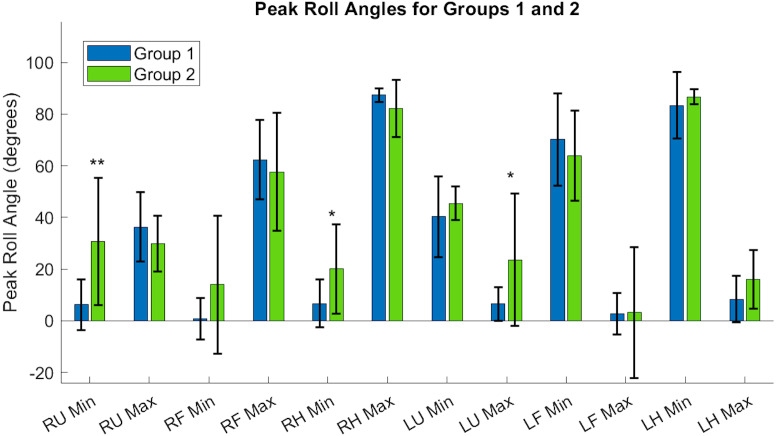 Figure 14
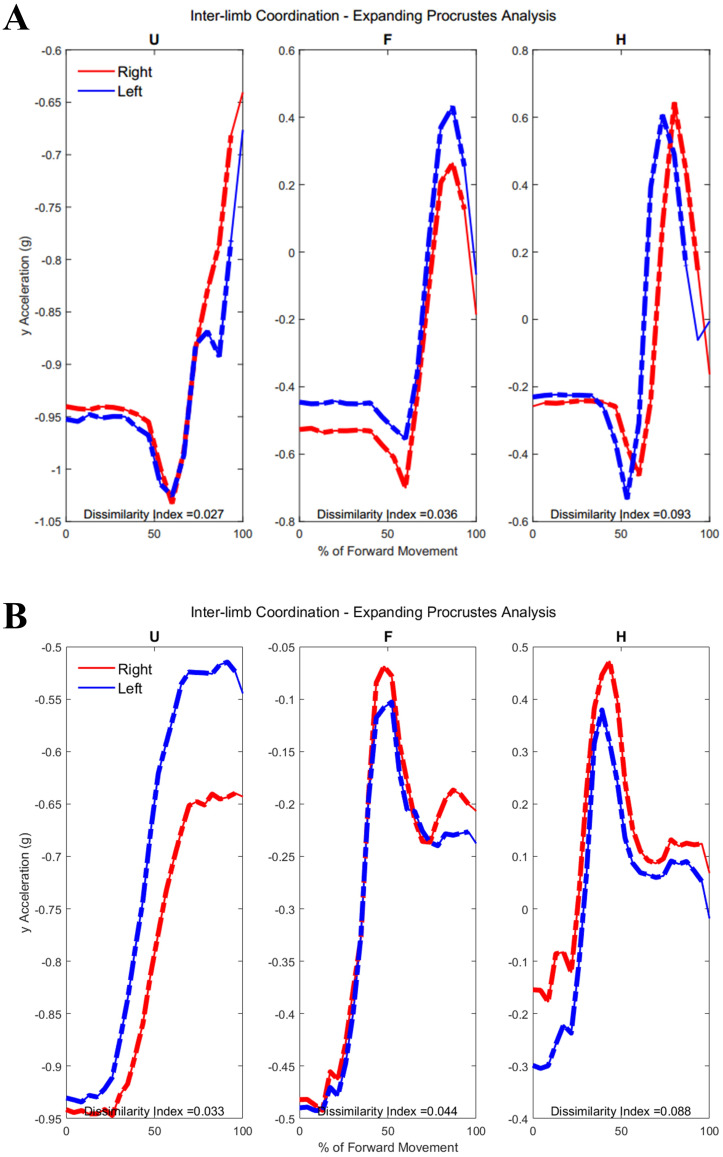 Figure 15
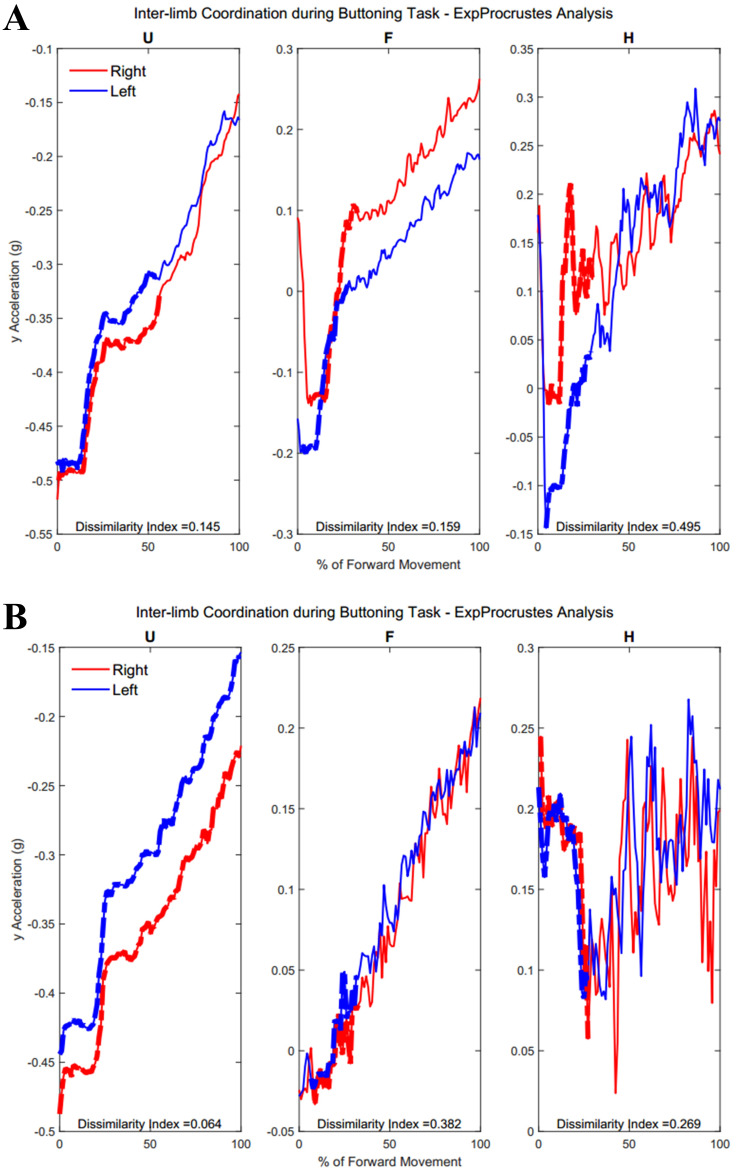 Figure 16
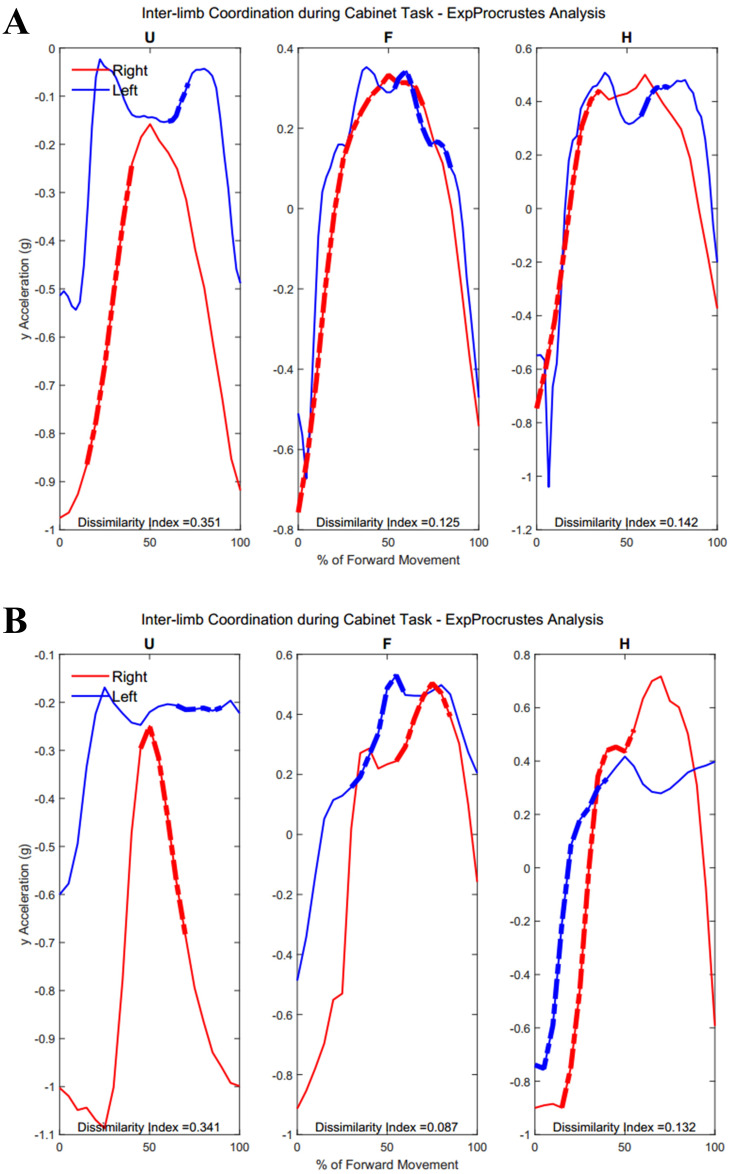 Figure 17
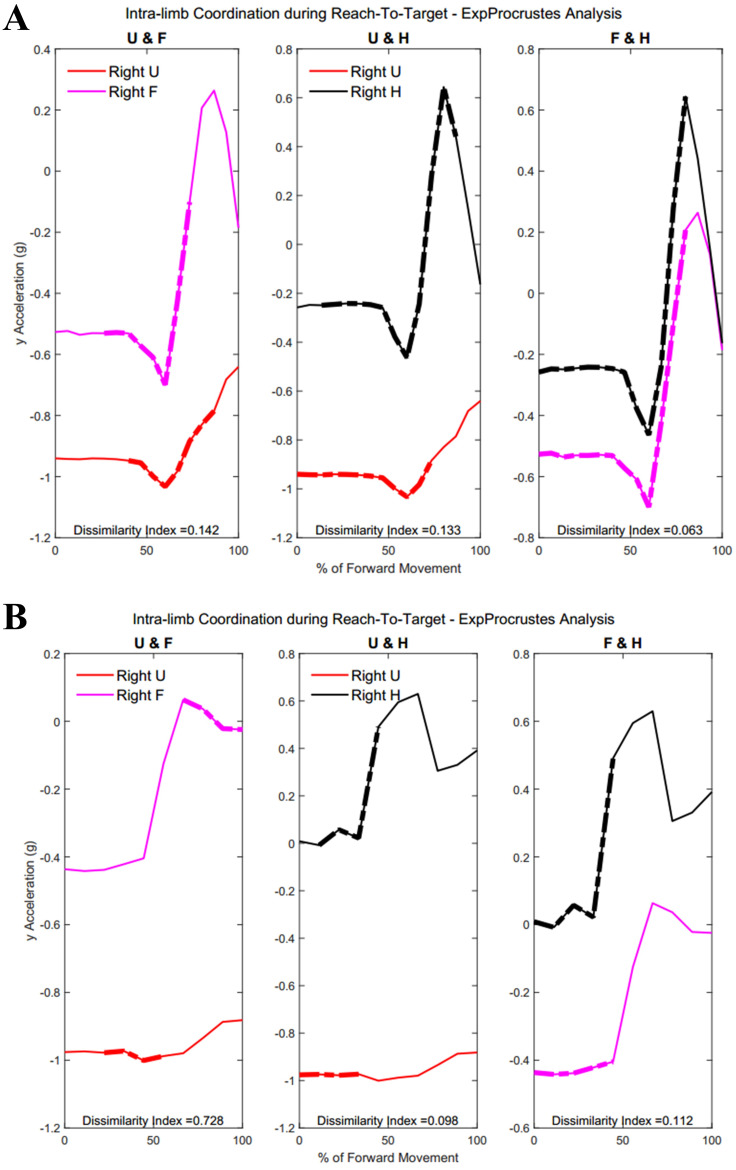 Figure 18
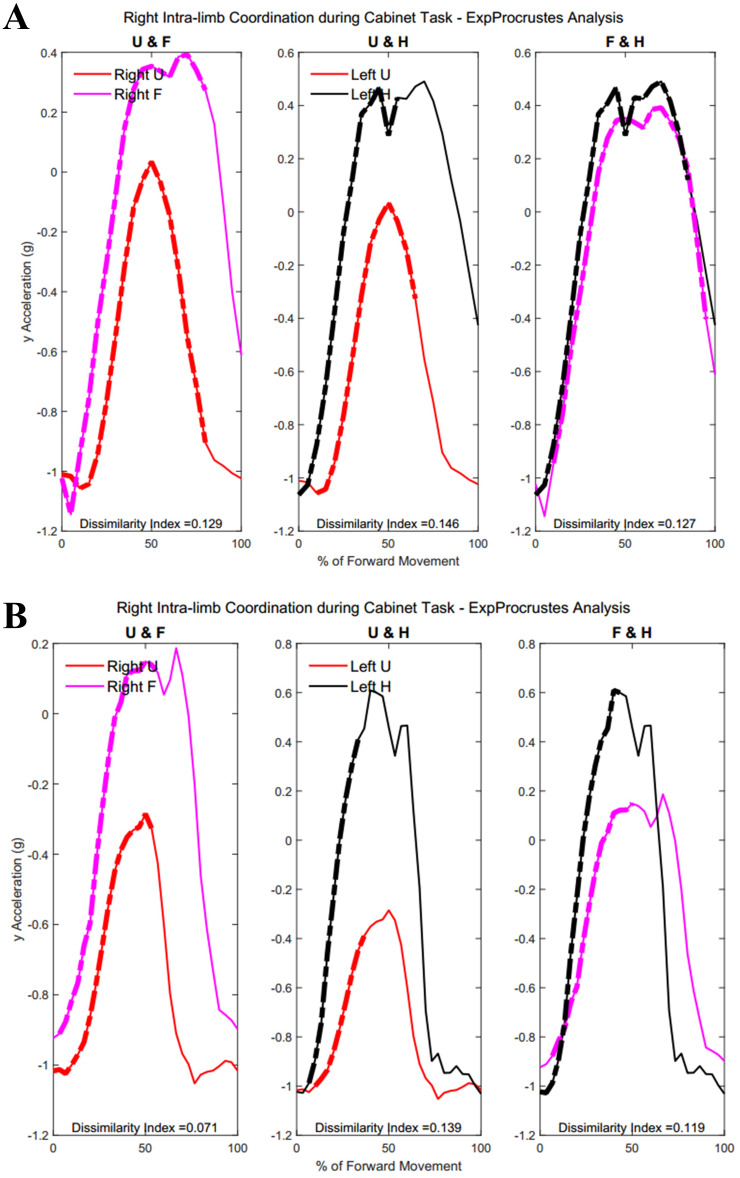 Figure 19
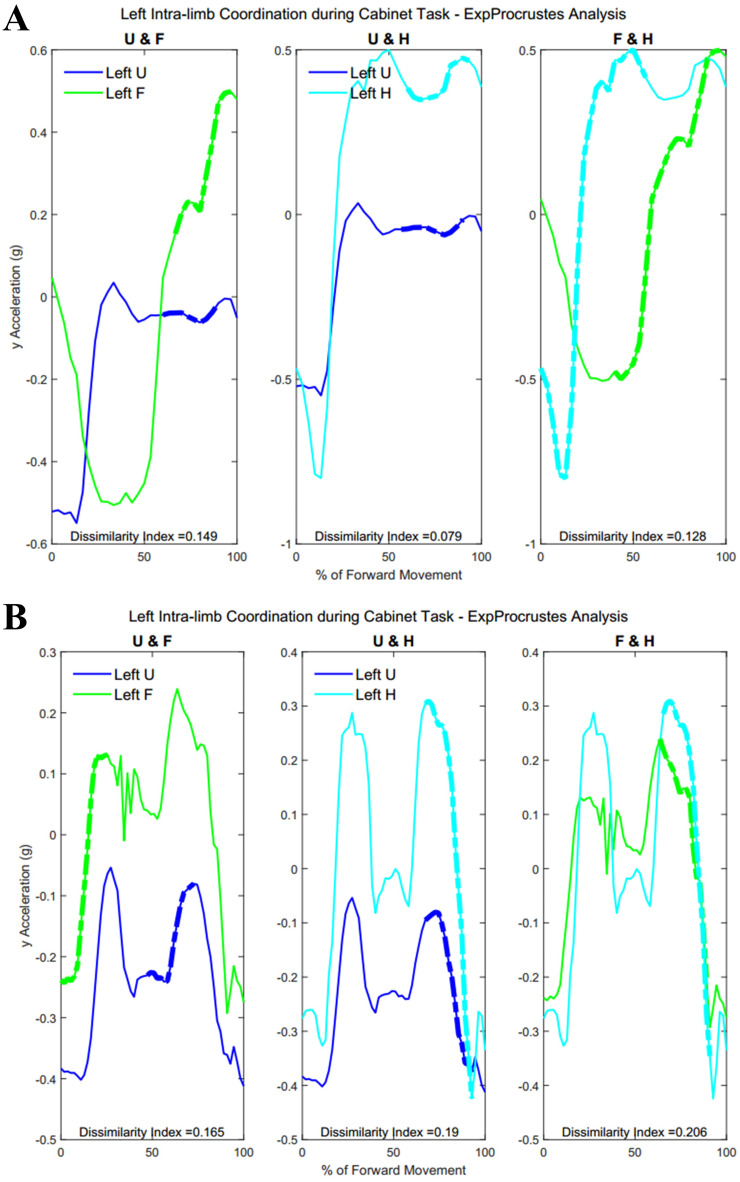 Figure 20
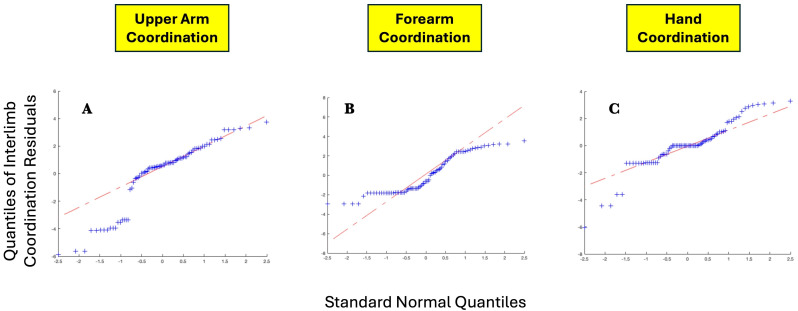 Figure 21
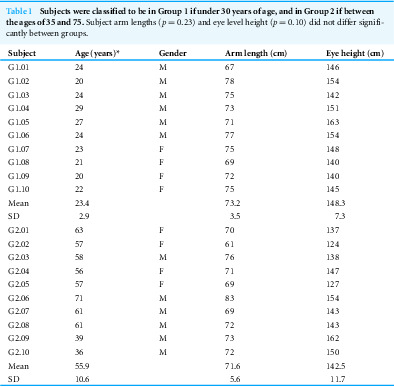 Figure 22
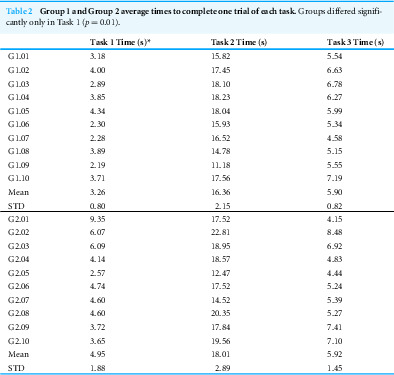 Figure 23
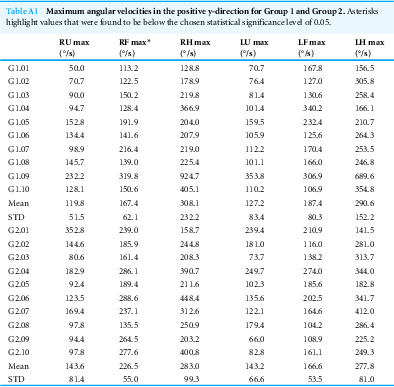 Figure 24
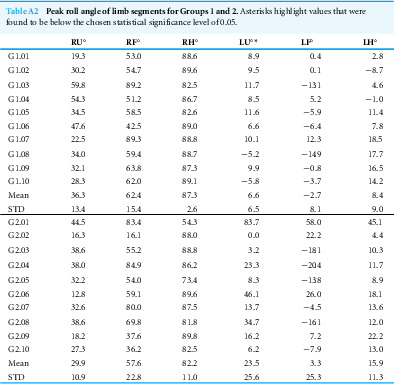 Figure 25
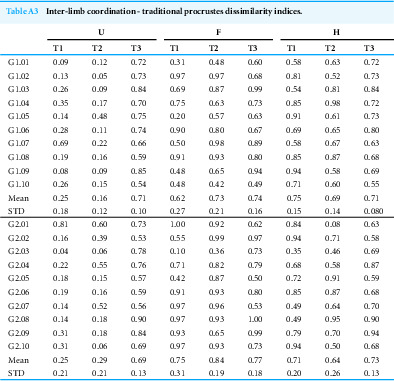 Figure 26
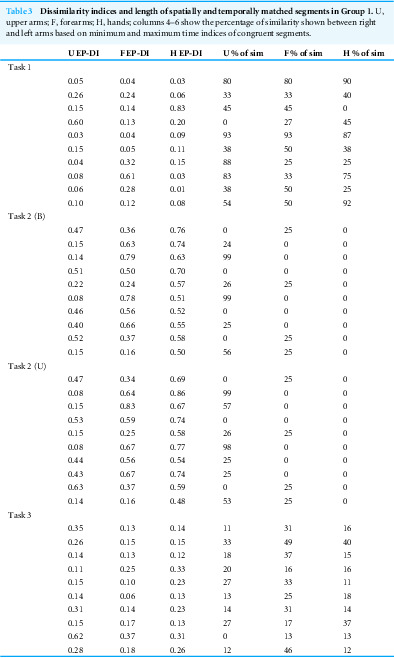 Figure 27
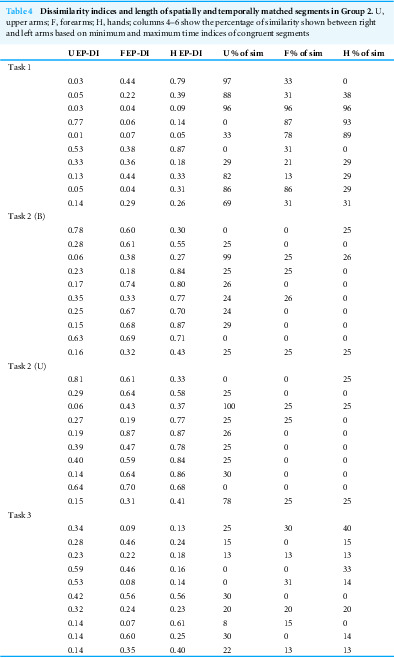 Figure 28
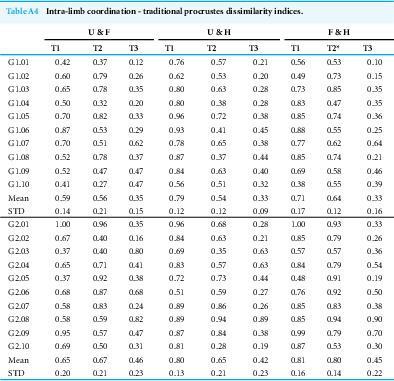 Figure 29
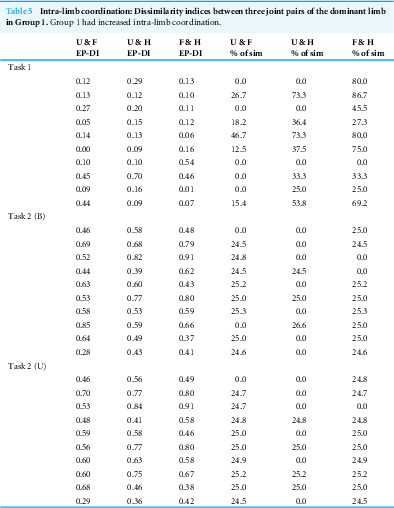 Figure 30
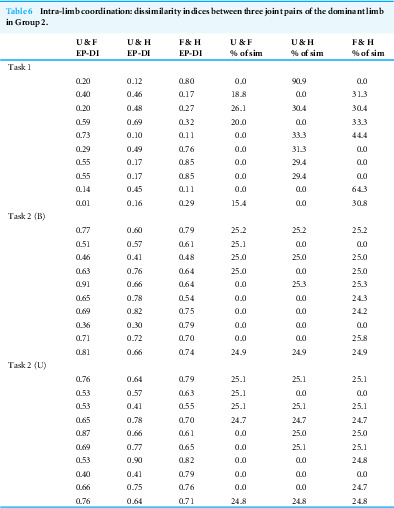 Figure 31
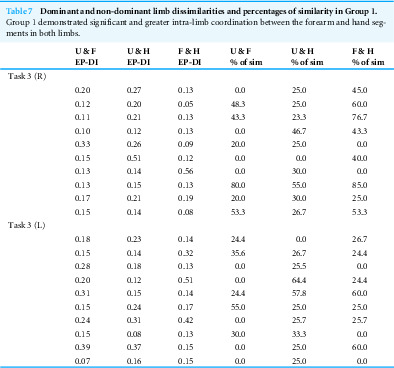 Figure 32
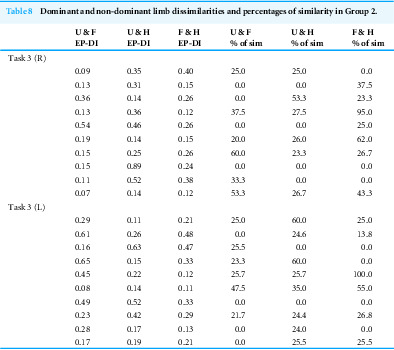 Figure 33
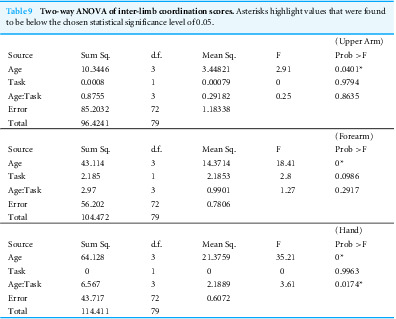 Figure 34
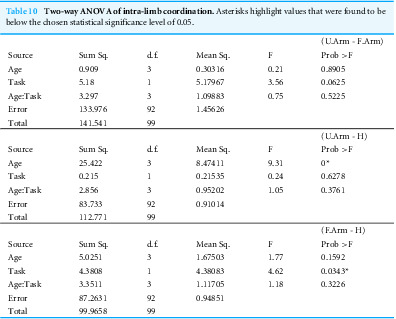 Figure 35
 Figure 36
 Figure 37
Peer Reviews
No public reviews on file for this paper yet. If you reviewed it on a platform where reviews are public (OpenReview, ICLR, NeurIPS, ICML), you can paste yours below so the community can read it here.
Videos
No videos yet. Explain this paper in a talk, walkthrough, or lecture? Add one.
Taxonomy
TopicsMuscle activation and electromyography studies · Motor Control and Adaptation · Stroke Rehabilitation and Recovery