High-throughput sequencing yields the complete plastid genome of the endemic species Phragmipedium kovachii (Orchidaceae) from northeastern Peru
Jois V. Carrion, Jhordy Perez, Daniel Tineo, Martha S. Calderon, Ligia Garcia, Manuel Oliva, Oscar Gamarra Torres, Danilo E. Bustamante

TL;DR
This study sequenced the complete chloroplast genome of the critically endangered orchid Phragmipedium kovachii from Peru, providing insights into its genetic structure and evolutionary relationships.
Contribution
The paper presents the first complete plastid genome of Phragmipedium kovachii, enhancing understanding of Orchidaceae phylogeny.
Findings
The chloroplast genome is 152,918 bp long with a typical quadripartite structure.
Phylogenetic analysis shows P. kovachii is closely related to P. besseae.
The genome contains 124 genes and five pseudogenes, typical of Orchidaceae.
Abstract
Phragmipedium kovachii is a species of orchid endemic to the Amazonas and San Martín regions. Unfortunately, its excessive extraction has made it a critically endangered species. In this study, we performed next-generation sequencing of P. kovachii (GenBank accession number OR348669) and assembled its complete chloroplast genome. The complete chloroplast genome of P. kovachii is A + T-rich (64.3%), measuring 152,918 bp in length. This plastid genome contains a total of 124 genes (77 protein-coding genes, 39 tRNAs, and eight rRNAs) and five pseudogenes, including a pair of inverted repeats (IRs) 25,116 bp in size and separated by a large single-copy (LSC) region of 89,216 bp and a small single-copy (SSC) region of 13,470 bp. This genome has a typical quadripartite organization following the structure of other Orchidaceae plastomes. Phylogenetic analyses revealed the close relationship…
Genes, proteins, chemicals, diseases, species, mutations and cell lines named across the full text — each resolved to its canonical identifier and authoritative record.
Click any figure to enlarge with its caption.
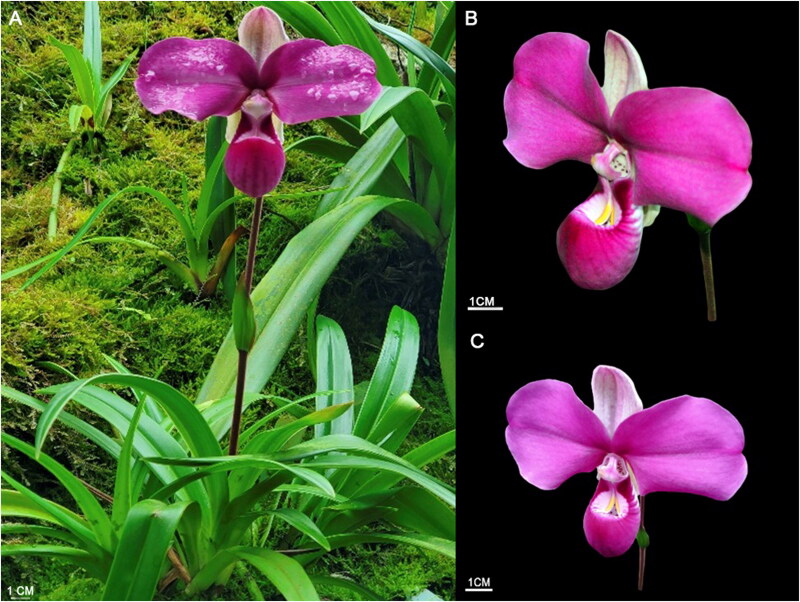 Figure 1
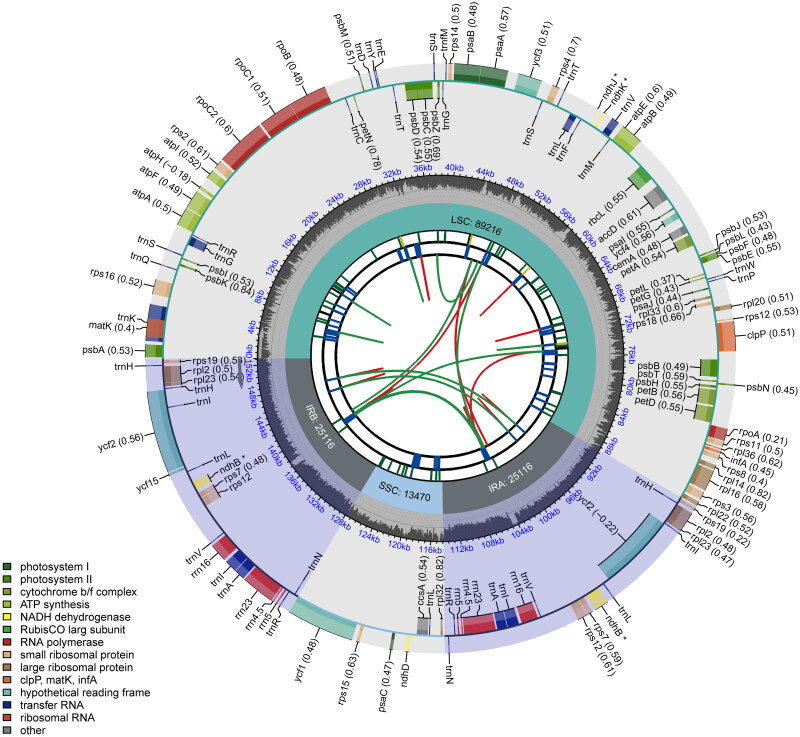 Figure 2
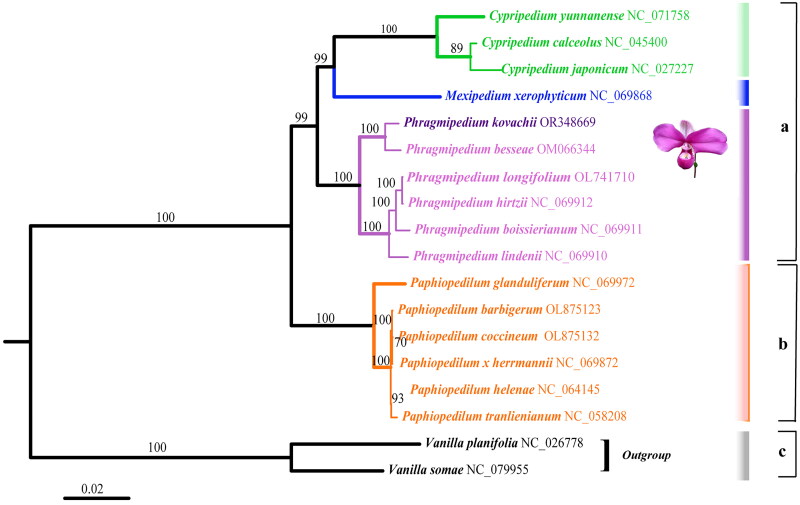 Figure 3
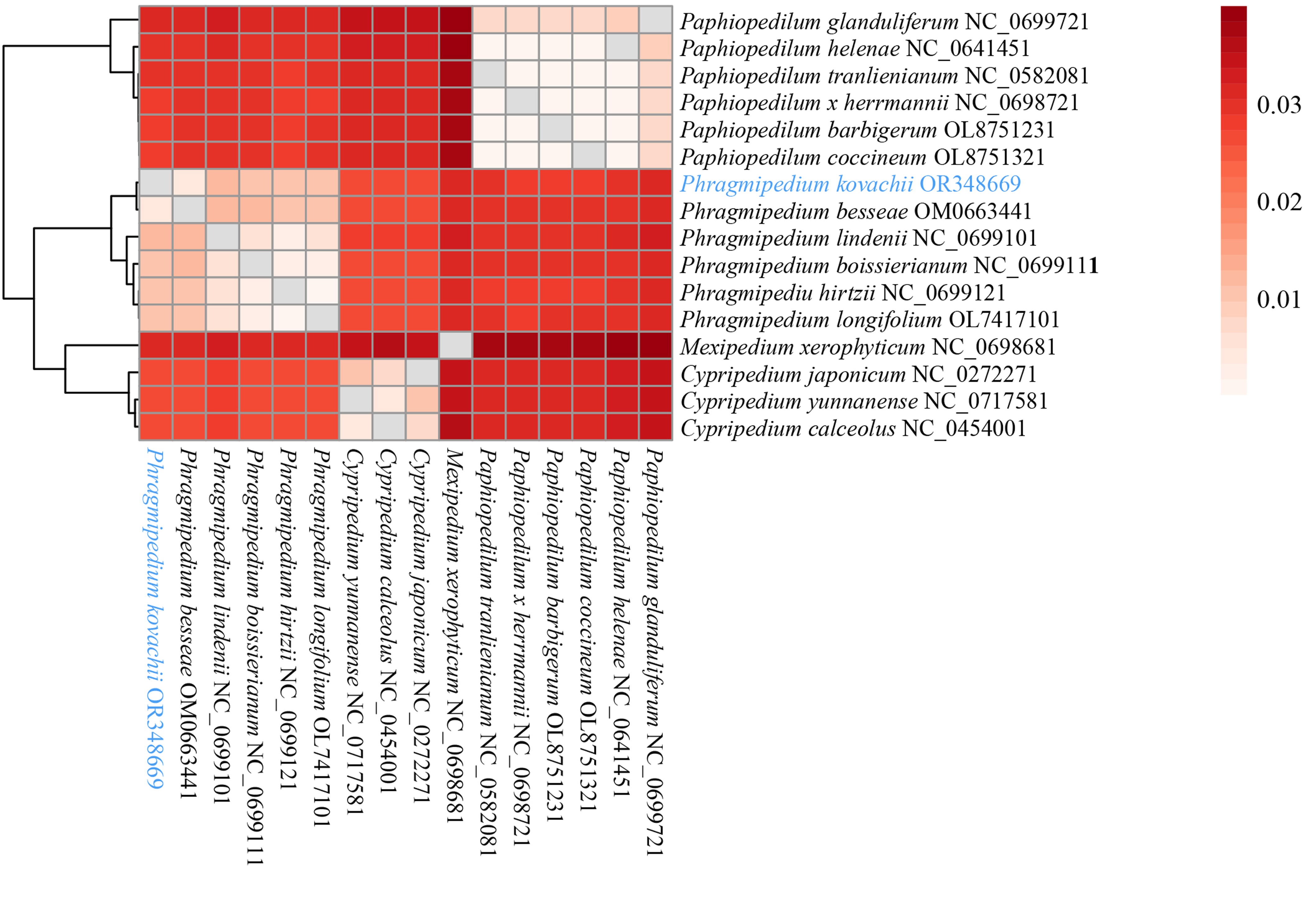 Figure 4
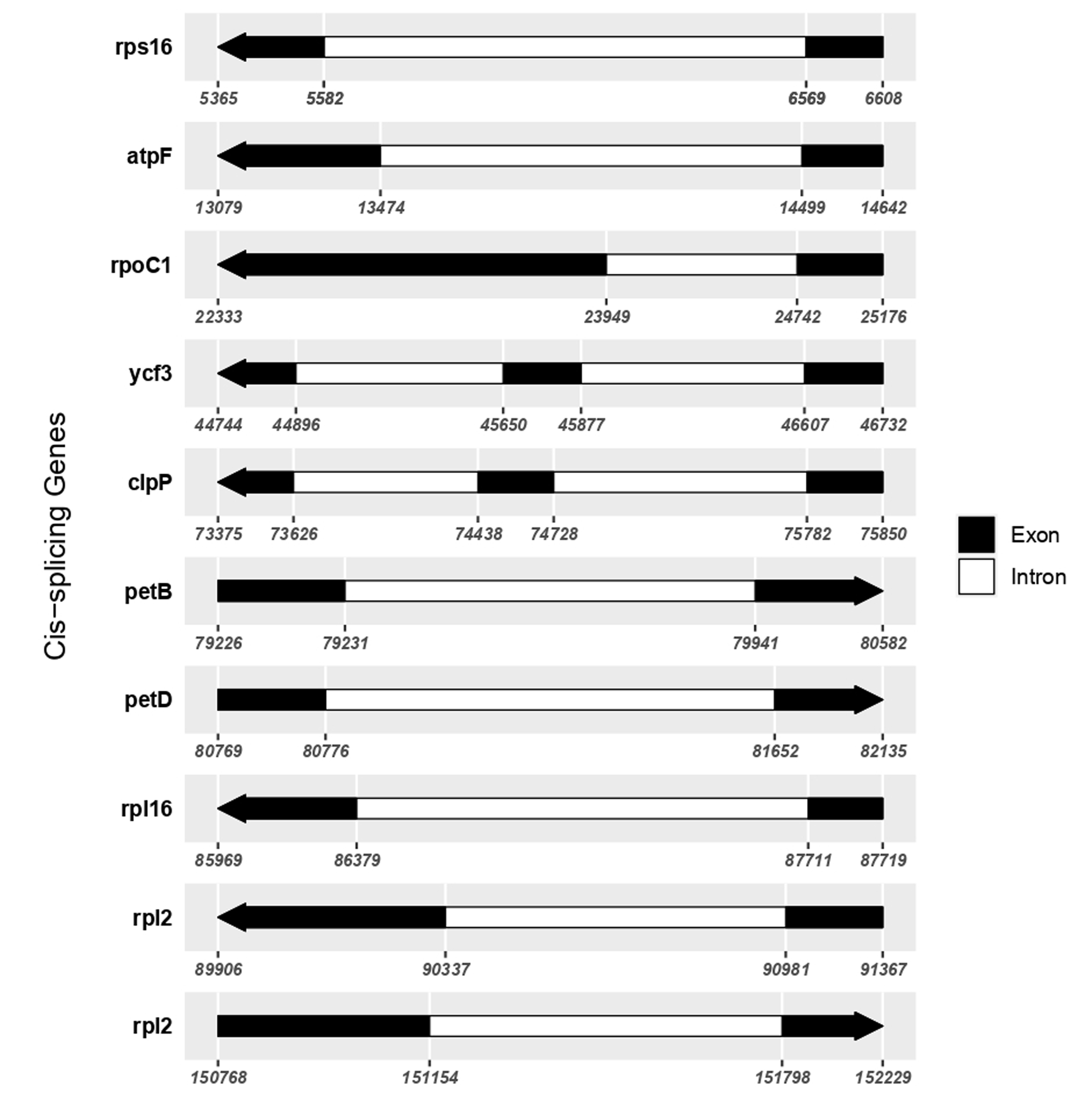 Figure 5
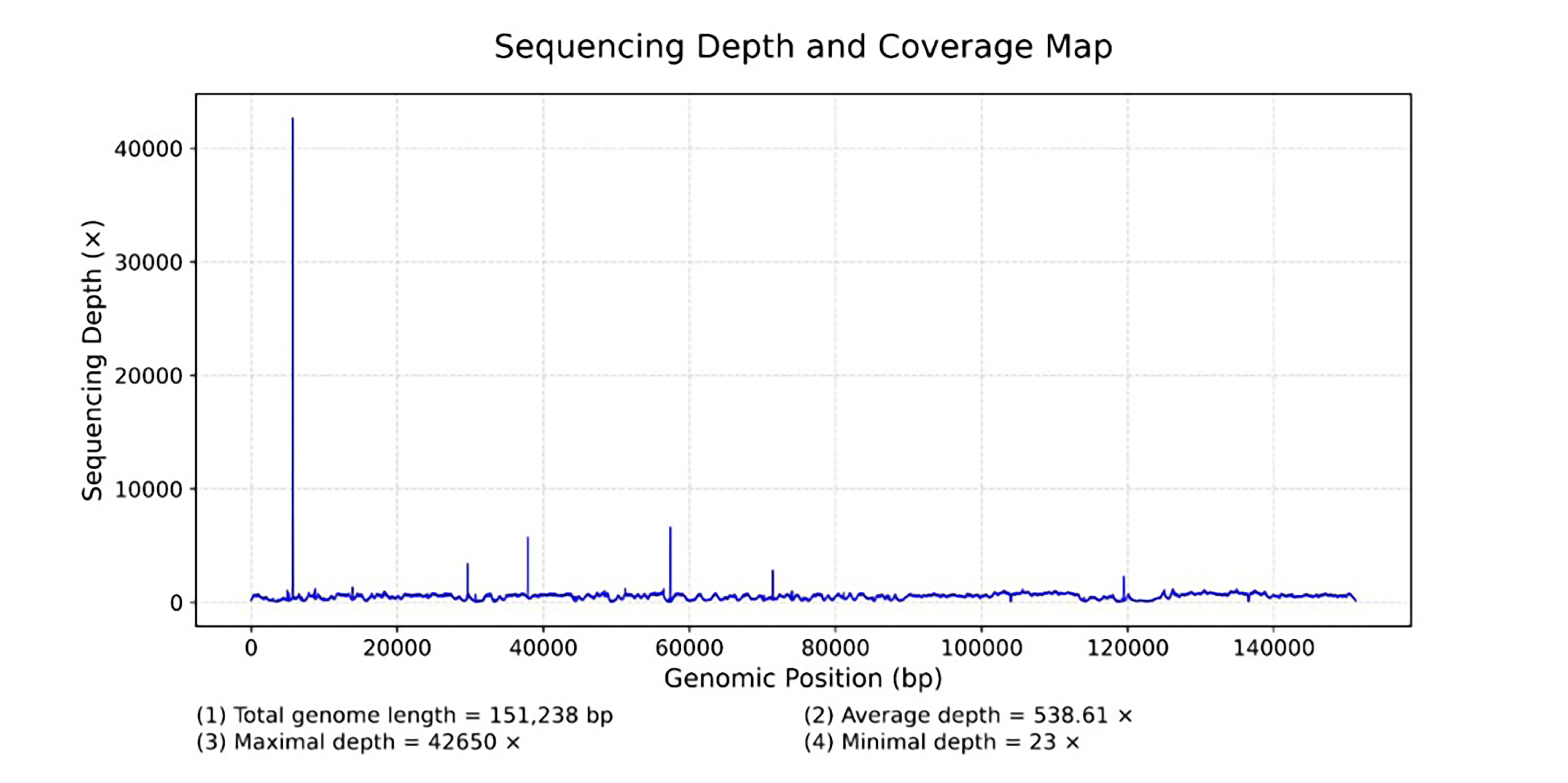 Figure 6
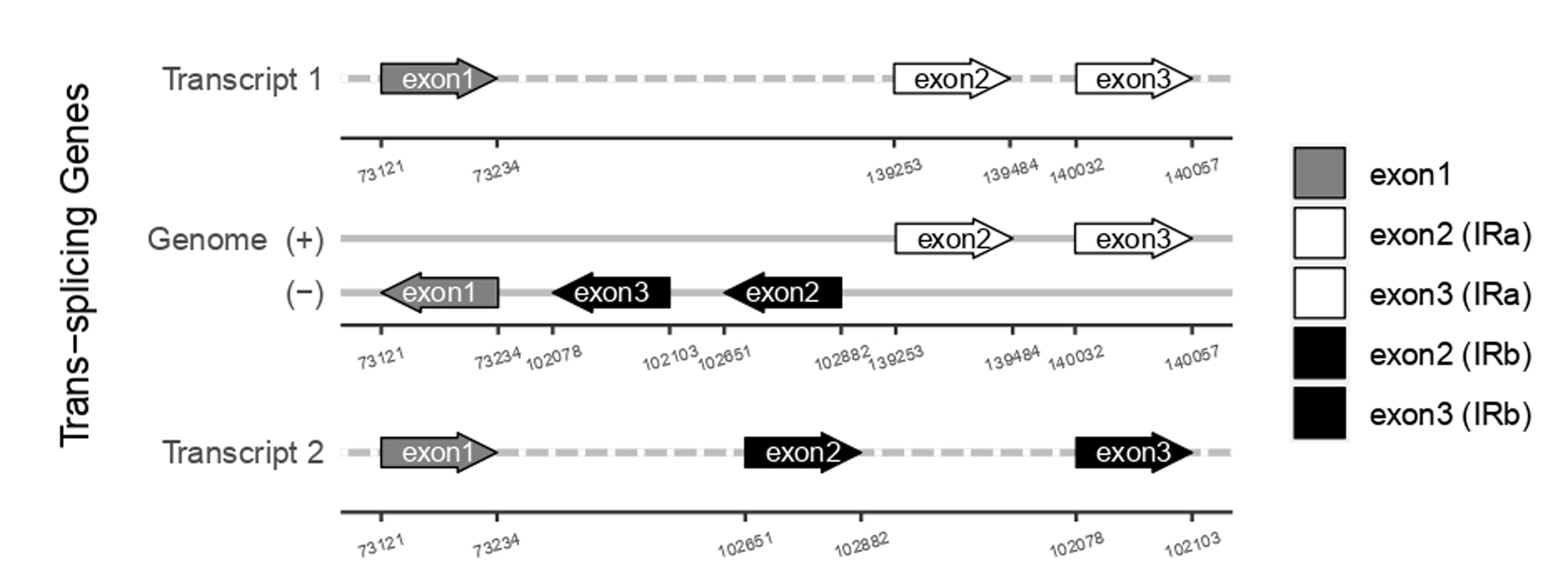 Figure 7
Peer Reviews
No public reviews on file for this paper yet. If you reviewed it on a platform where reviews are public (OpenReview, ICLR, NeurIPS, ICML), you can paste yours below so the community can read it here.
Videos
No videos yet. Explain this paper in a talk, walkthrough, or lecture? Add one.
Taxonomy
TopicsPlant and animal studies · Plant and Fungal Species Descriptions · Plant Diversity and Evolution