Exploring the link: Sturge-Weber syndrome and pituitary macroadenomas: A case report and review
Razi Hashmi, Mohamed Elmeligy, Daniel Fabian, Arun Mahtani, Meena Farid, Meheret Kinfe, Paul Karroum, GianPaolo Piccione, Mahmoud Mahmoud, Mohamed Albakri, Inderbir Padda

TL;DR
This paper reports a rare case of a man with Sturge-Weber syndrome who also had a pituitary tumor, suggesting a possible link between the two conditions.
Contribution
The paper presents a new case report and review, highlighting a potential but under-researched connection between SWS and pituitary macroadenomas.
Findings
A 20-year-old man with SWS was found to have a pituitary macroadenoma and elevated prolactin levels.
The case suggests a possible embryological, genetic, or hormonal link between SWS and pituitary tumors.
The authors recommend routine neuroimaging and endocrine assessments for SWS patients to detect such complications.
Abstract
Sturge-Weber syndrome (SWS) is a rare congenital disorder marked by facial port-wine birthmarks, neurological impairments, and ocular anomalies. Our case report describes a 20-year-old man with SWS who presented with right-sided weakness, slurred speech, and oral dyskinesia. Laboratory studies demonstrated elevated prolactin levels, and imaging confirmed a pituitary macroadenoma. While not well-documented, the association between SWS and pituitary macroadenomas is emerging based on current evidence. The potential link may involve embryological, genetic, or hormonal factors influencing the simultaneous development of these conditions. This case highlights the need for a thorough evaluation in patients with SWS, incorporating both neuroimaging and endocrine assessments to manage associated complications effectively. Further research is necessary to investigate the link between SWS and…
Genes, proteins, chemicals, diseases, species, mutations and cell lines named across the full text — each resolved to its canonical identifier and authoritative record.
Click any figure to enlarge with its caption.
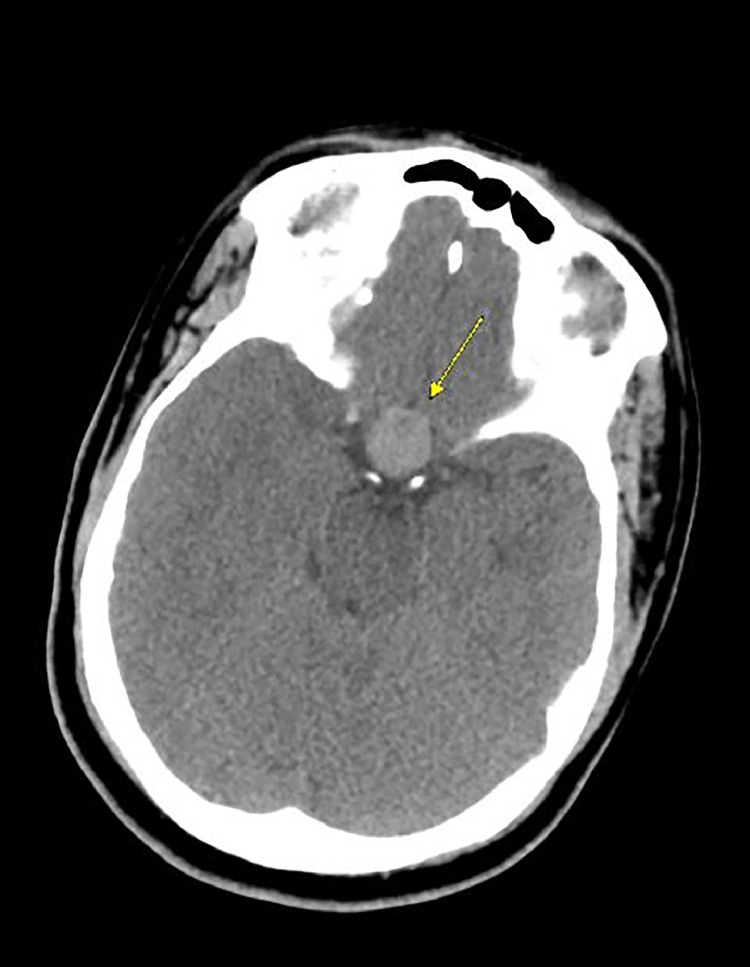 Figure 1
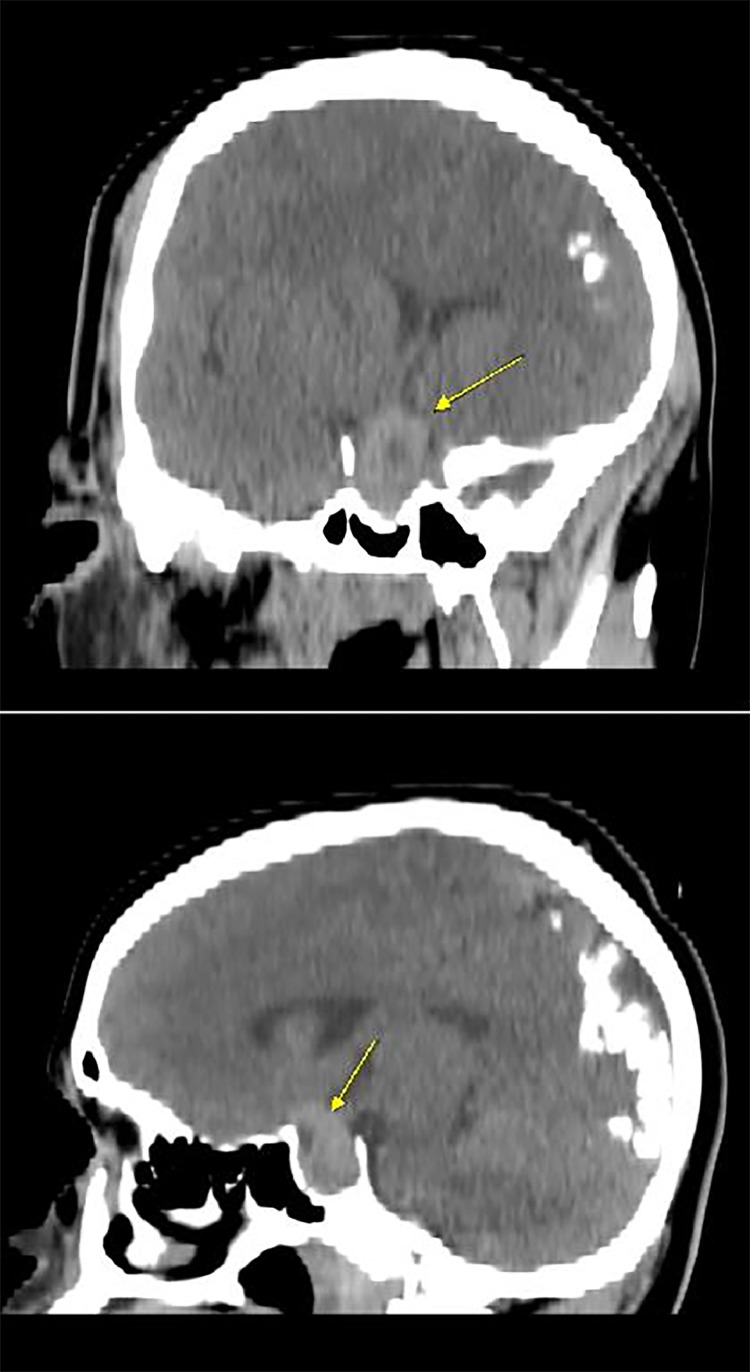 Figure 2
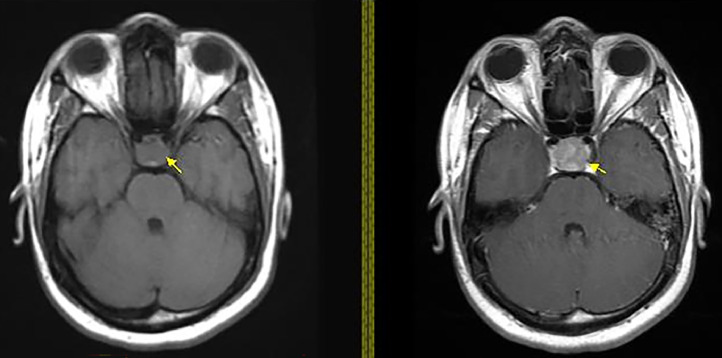 Figure 3
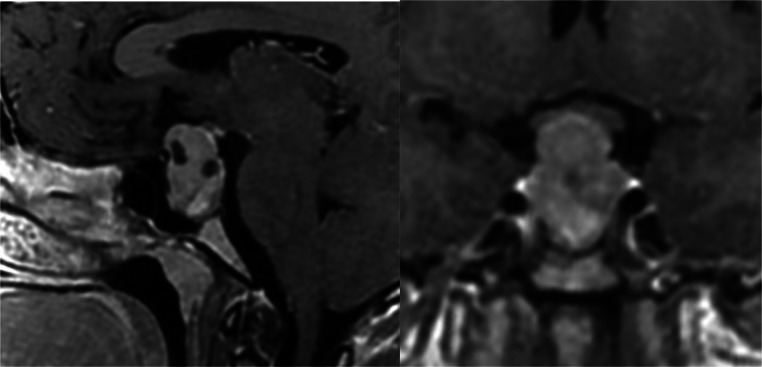 Figure 4
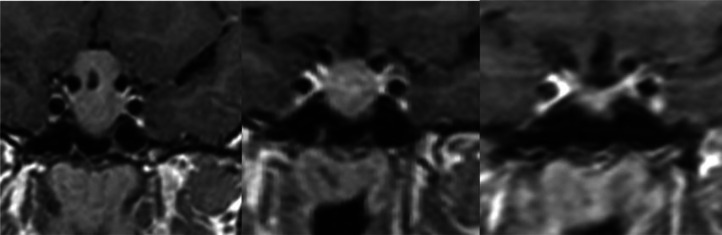 Figure 5
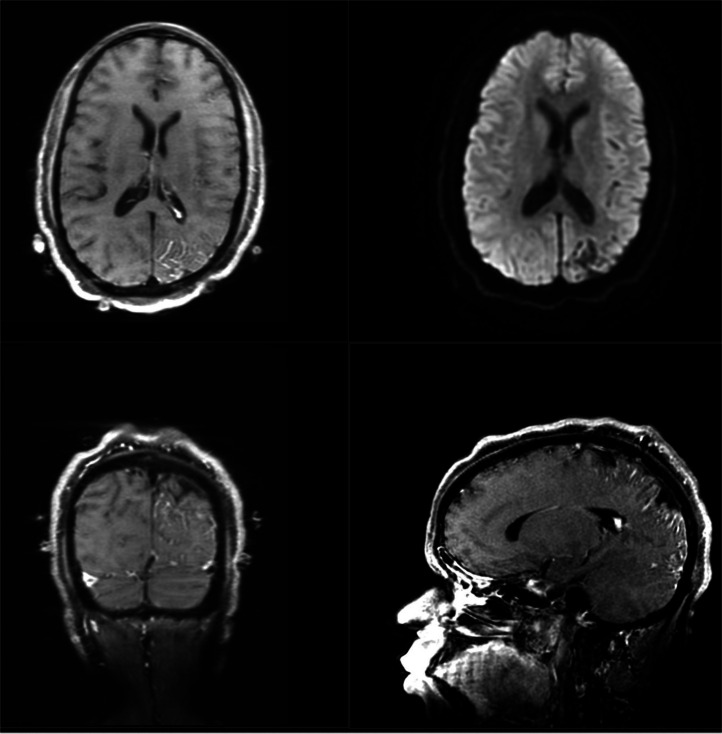 Figure 6
Peer Reviews
No public reviews on file for this paper yet. If you reviewed it on a platform where reviews are public (OpenReview, ICLR, NeurIPS, ICML), you can paste yours below so the community can read it here.
Videos
No videos yet. Explain this paper in a talk, walkthrough, or lecture? Add one.
Taxonomy
TopicsVascular Malformations and Hemangiomas · Tumors and Oncological Cases · Teratomas and Epidermoid Cysts