Myxospore density of Kudoa inornata varies significantly within symmetrical white muscle tissue replicates of its fish host, the spotted seatrout, Cynoscion nebulosus
Augustus M. Snyder, Eric J. McElroy, Isaure de Buron, Fabio Casu, Jody M. Beers

TL;DR
This study finds that myxospore density in a fish host varies significantly between symmetrical muscle regions, affecting sampling design for future research.
Contribution
The study reveals significant variation in myxospore density within symmetrical muscle tissue replicates of infected fish.
Findings
Variation among individual fish accounted for 68.8% of myxospore density variation.
Bilaterally symmetrical replicates showed significant variation within individuals.
Myxospore density estimates were more similar when sampled from areas surrounding initial biopsies.
Abstract
The spotted seatrout, Cynoscion nebulosus, is a popular game fish in the southeastern USA. It is estimated that nearly 90% of the adult population in South Carolina estuaries are infected in their skeletal muscle by the myxosporean, Kudoa inornata. However, little is known about this parasite’s biology, including the distribution and densities of myxospores within tissues of infected fish, which we expect affect the physiology of their hosts. In order to correlate densities with physiological parameters in future studies, we quantified the myxospores density in muscle and characterized the variation among individual fish. Naïve juvenile seatrout was experimentally infected via presumed K. inornata actinospores exposure to raw seawater. A plug of muscle was extracted from two bilaterally symmetrical regions in the epaxial fillet from fresh and frozen carcasses. Variation in density data…
Genes, proteins, chemicals, diseases, species, mutations and cell lines named across the full text — each resolved to its canonical identifier and authoritative record.
Click any figure to enlarge with its caption.
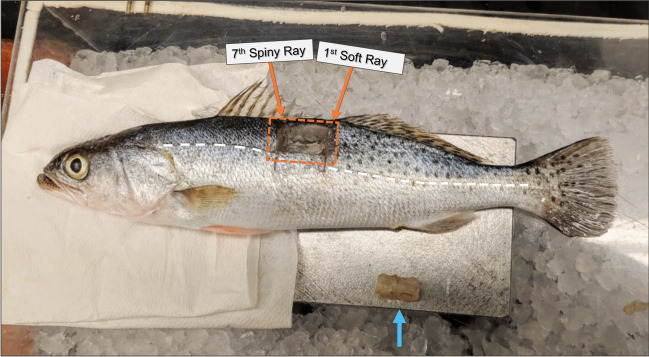 Figure 1
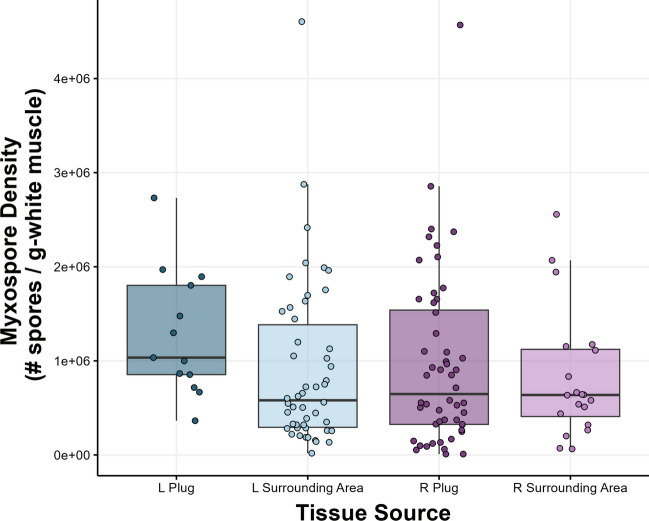 Figure 2
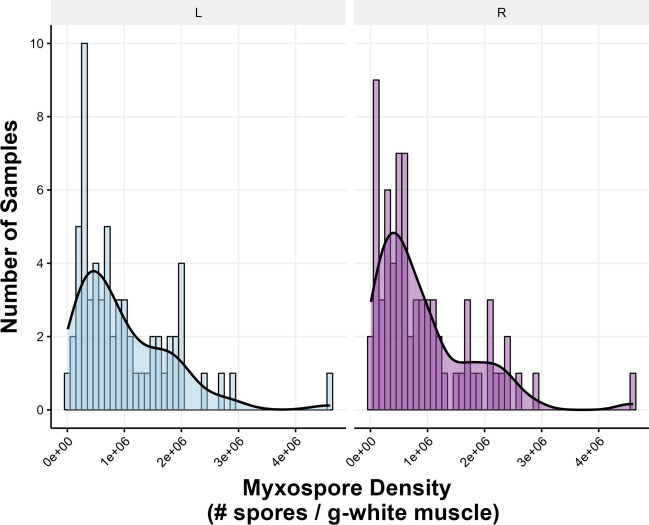 Figure 3
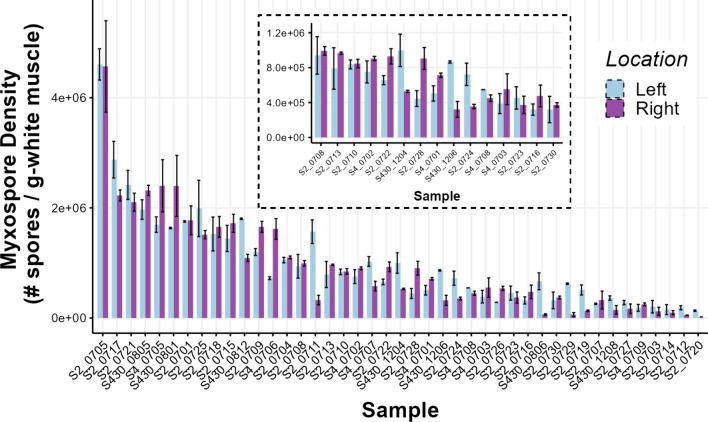 Figure 4
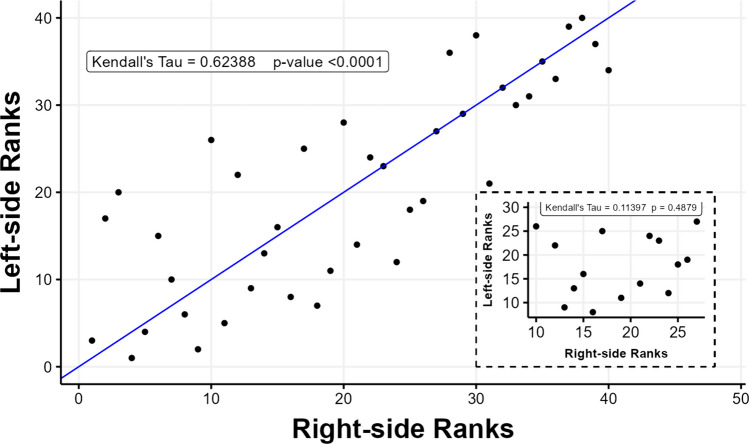 Figure 5
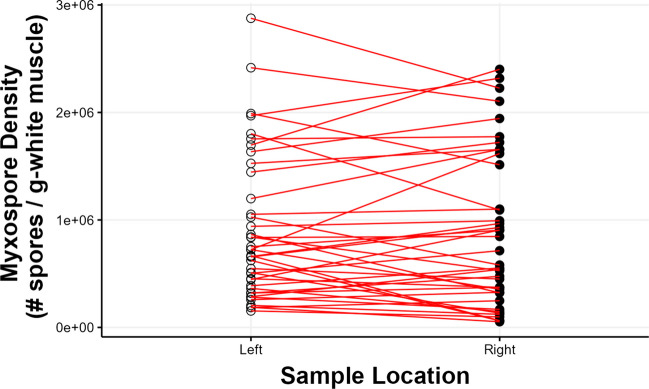 Figure 6
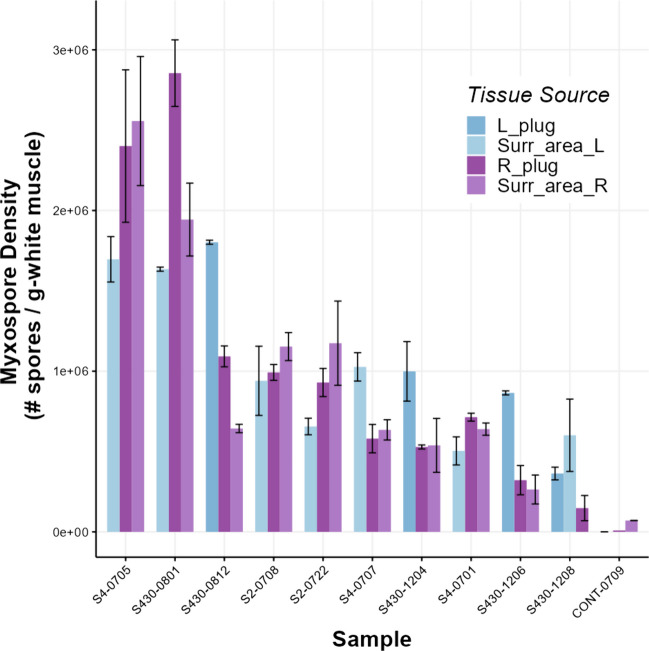 Figure 7
Peer Reviews
No public reviews on file for this paper yet. If you reviewed it on a platform where reviews are public (OpenReview, ICLR, NeurIPS, ICML), you can paste yours below so the community can read it here.
Videos
No videos yet. Explain this paper in a talk, walkthrough, or lecture? Add one.
Taxonomy
TopicsMyxozoan Parasites in Aquatic Species · Parasite Biology and Host Interactions · Aquatic Invertebrate Ecology and Behavior