Behind the screen: drug discovery using the big data of phenotypic analysis
Merrill M. Froney, Michael B. Jarstfer, Samantha G. Pattenden, Amanda C. Solem, Olubunmi O. Aina, Melissa R. Eslinger, Aeisha Thomas, Courtney M. Alexander

TL;DR
This paper introduces an educational case study that teaches students about drug discovery using phenotypic screening and big data analysis.
Contribution
The novel contribution is an educational case study that introduces phenotypic screening methods and statistical analysis for drug discovery in undergraduate and graduate courses.
Findings
The case study was tested across 70 students at three universities and improved student confidence in discussing drug discovery topics.
Students learned to identify hit compounds and understand the biological significance of their results using practical statistical procedures.
The case study is adaptable for a wide range of courses and successfully engages students in real-world drug discovery strategies.
Abstract
Technological advances in drug discovery are exciting to students, but it is challenging for faculty to maintain the pace with these developments, particularly within undergraduate courses. In recent years, a High-throughput Discovery Science and Inquiry-based Case Studies for Today’s Students (HITS) Research Coordination Network has been assembled to address the mechanism of how faculty can, on-pace, introduce these advancements. As a part of HITS, our team has developed “Behind the Screen: Drug Discovery using the Big Data of Phenotypic Analysis” to introduce students and faculty to phenotypic screening as a tool to identify inhibitors of diseases that do not have known cellular targets. This case guides faculty and students though current screening methods using statistics and can be applied at undergraduate and graduate levels. Tested across 70 students at three universities and a…
Genes, proteins, chemicals, diseases, species, mutations and cell lines named across the full text — each resolved to its canonical identifier and authoritative record.
Click any figure to enlarge with its caption.
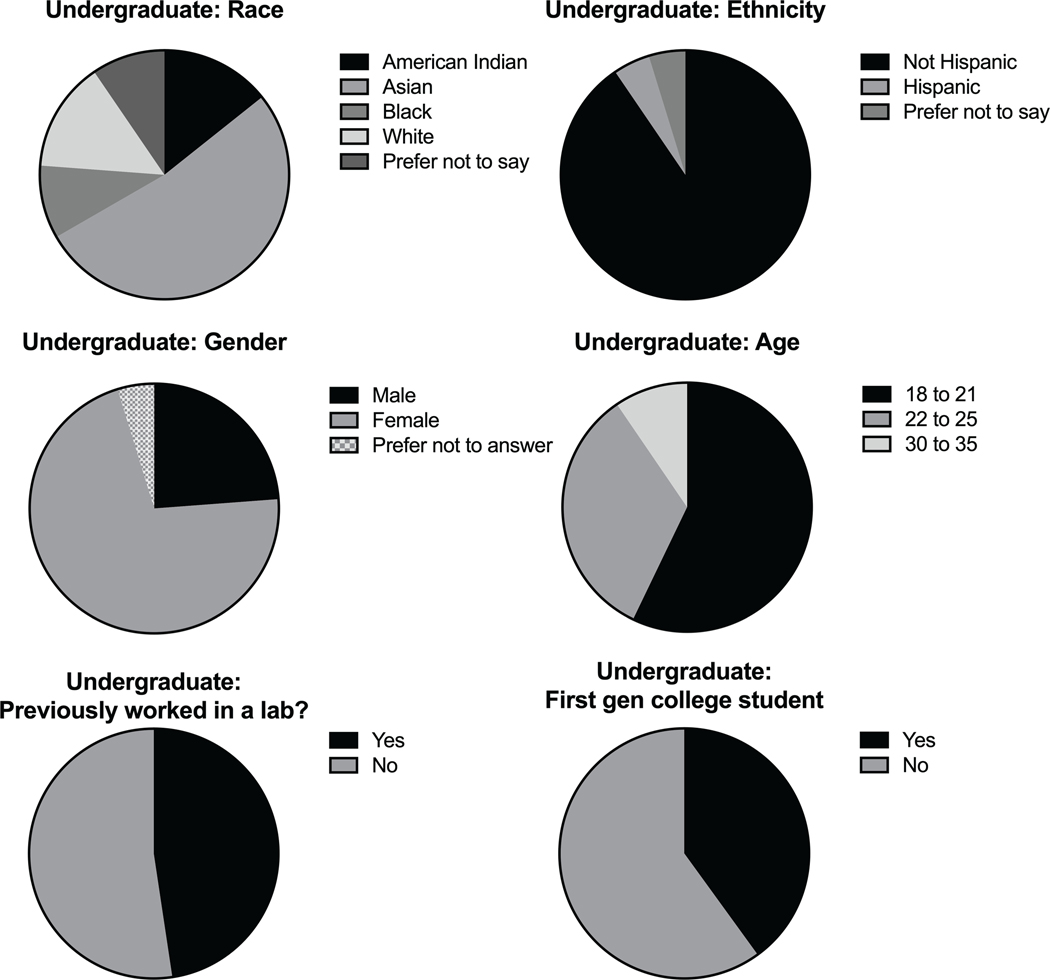 Figure 1
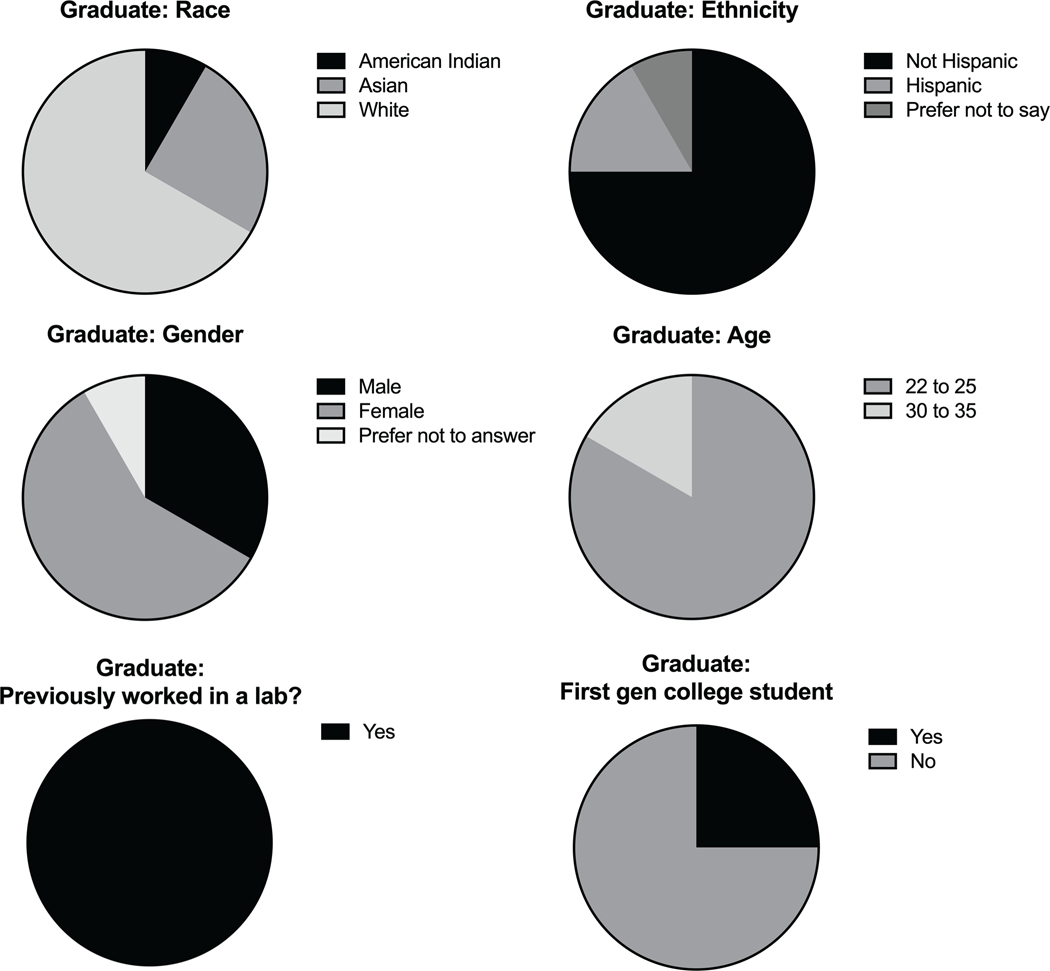 Figure 2
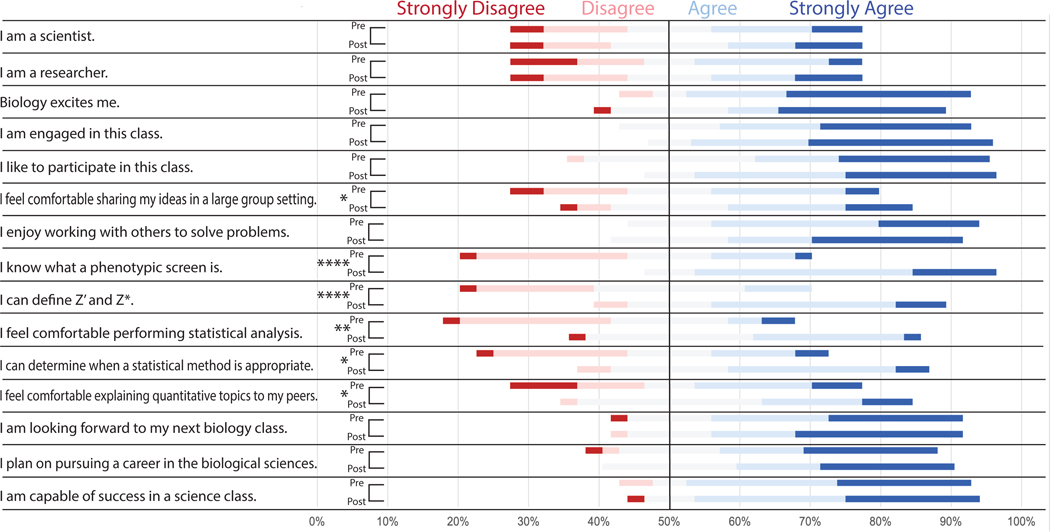 Figure 3
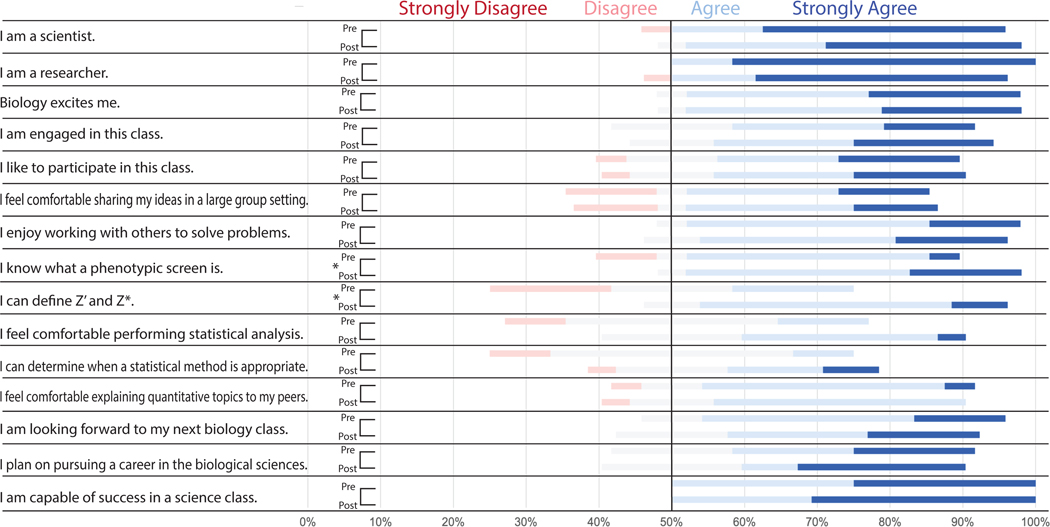 Figure 4
Peer Reviews
No public reviews on file for this paper yet. If you reviewed it on a platform where reviews are public (OpenReview, ICLR, NeurIPS, ICML), you can paste yours below so the community can read it here.
Videos
No videos yet. Explain this paper in a talk, walkthrough, or lecture? Add one.
Taxonomy
TopicsGenetics, Bioinformatics, and Biomedical Research · Biomedical and Engineering Education · Cell Image Analysis Techniques