Cell sheet produced from periodontal ligament stem cells activated by PAR1 improves osteogenic differentiation
Letícia Miquelitto GASPARONI, Tomaz ALVES, Bruno Nunes de FRANÇA, Danilo BALZARINI, Emmanuel ALBUQUERQUE-SOUZA, Ana Clara Fagundes PEDRONI, Emanuel da Silva ROVAI, Aldrin Huamán MENDOZA, Carla Renata SIPERT, Marinella HOLZHAUSEN

TL;DR
A scaffold-free cell sheet technique using periodontal ligament stem cells activated by PAR1 enhances bone formation, offering a new approach for periodontal regeneration.
Contribution
PAR1 activation is shown to improve osteogenic differentiation in scaffold-free cell sheets derived from periodontal ligament stem cells.
Findings
Scaffold-free cell sheets from PDLSCs showed higher proliferation potential than isolated cells.
PAR1 activation reduced senescence and increased mineralized nodule deposition and alkaline phosphatase levels.
PAR1 modulated osteogenic markers via Wnt, TGF-βI, MEK, p38 MAPK, and FGF/VEGF pathways.
Abstract
Periodontal regeneration is a challenge, and tissue engineering based on periodontal ligament stem cells (PDLSCs) has been shown to be a promising alternative to this process. However, the need for scaffolds has limited the therapeutic use of PDLSCs. In this context, scaffold-free tissue engineering using the cell sheet (CS) technique has been developed as an alternative approach to improve tissue regeneration. Previously, we showed that Protease-activated receptor-1 (PAR1) can regulate PDLSCs. Herein, we evaluate whether PAR1 influences osteogenesis in CSs produced from PDLSCs, without the use of scaffolds. PDLSCs were isolated and immunophenotyped. Then, CSs were obtained by supplementing the culture medium with ascorbic acid (50 µg/mL), and PAR1 was activated through its agonist peptide (100 nM). Scaffold-free 3D CSs were successfully produced from PDLSCs, and they showed higher…
Genes, proteins, chemicals, diseases, species, mutations and cell lines named across the full text — each resolved to its canonical identifier and authoritative record.
Click any figure to enlarge with its caption.
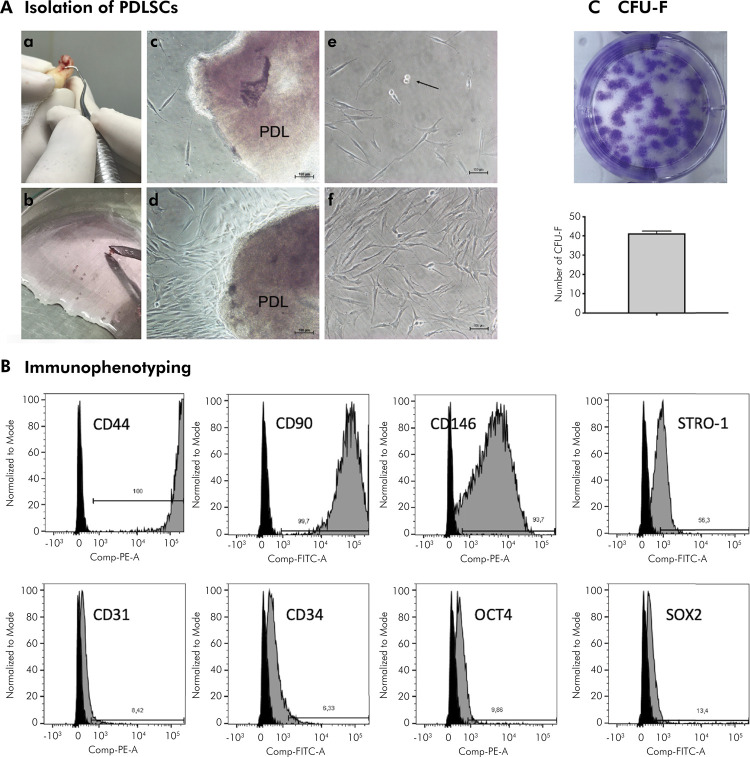 Figure 1
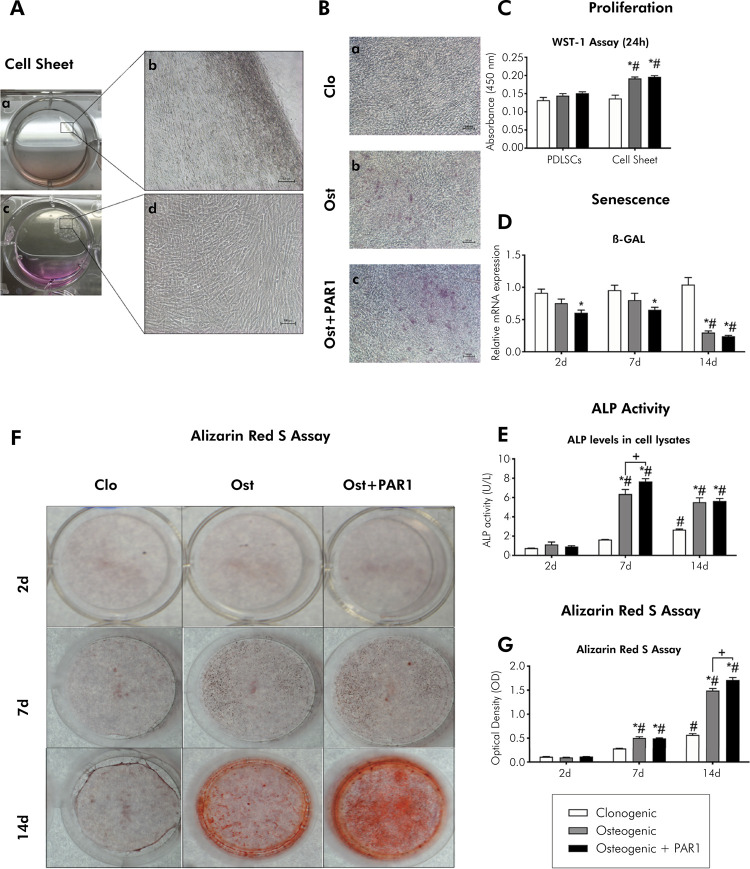 Figure 2
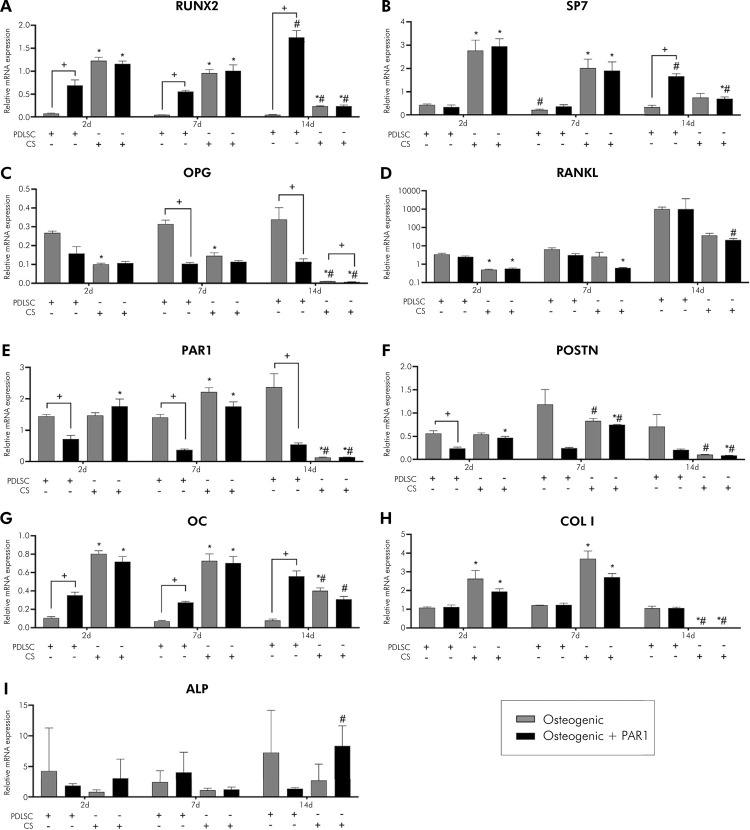 Figure 3
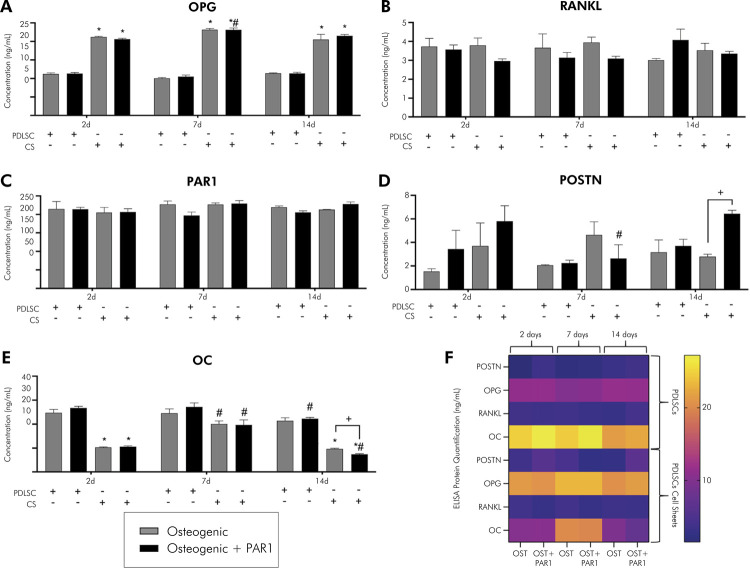 Figure 4
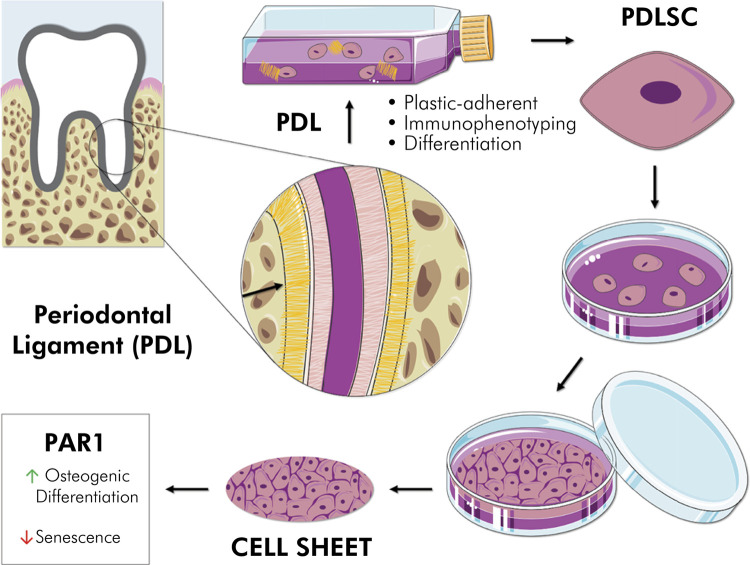 Figure 5
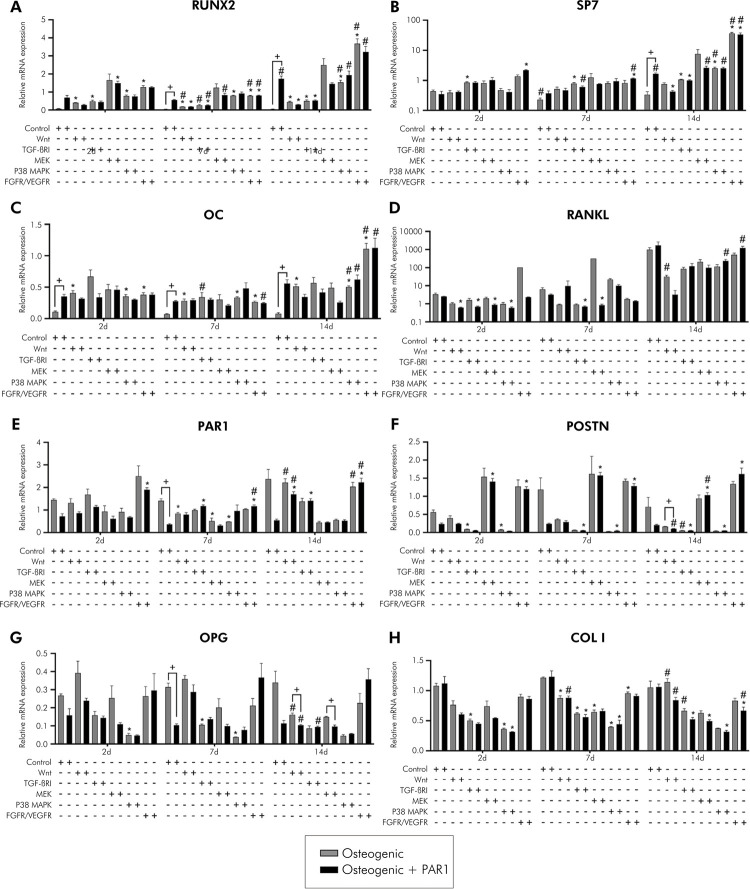 Figure 6
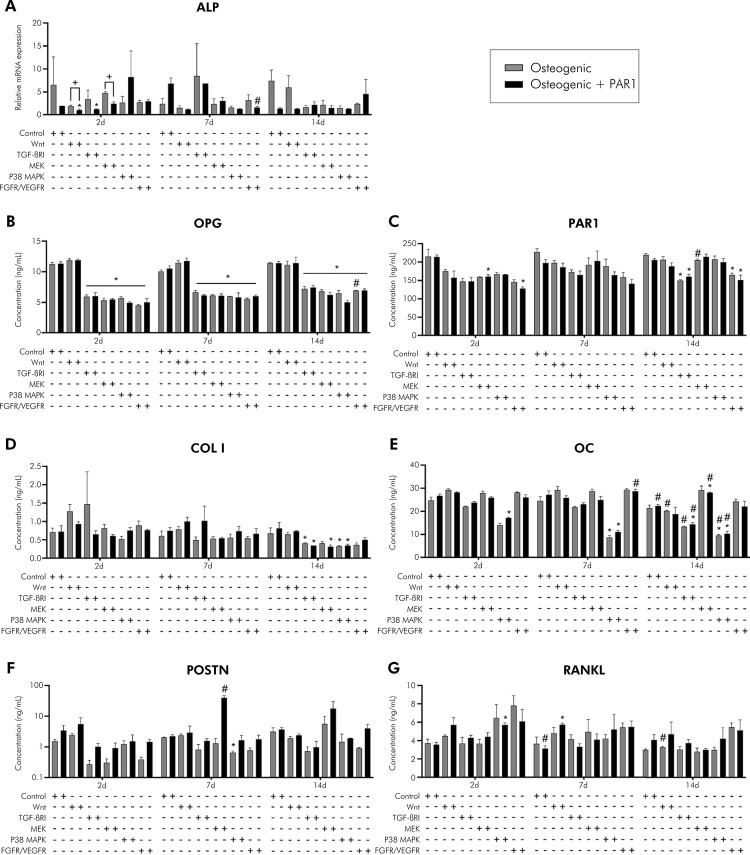 Figure 7
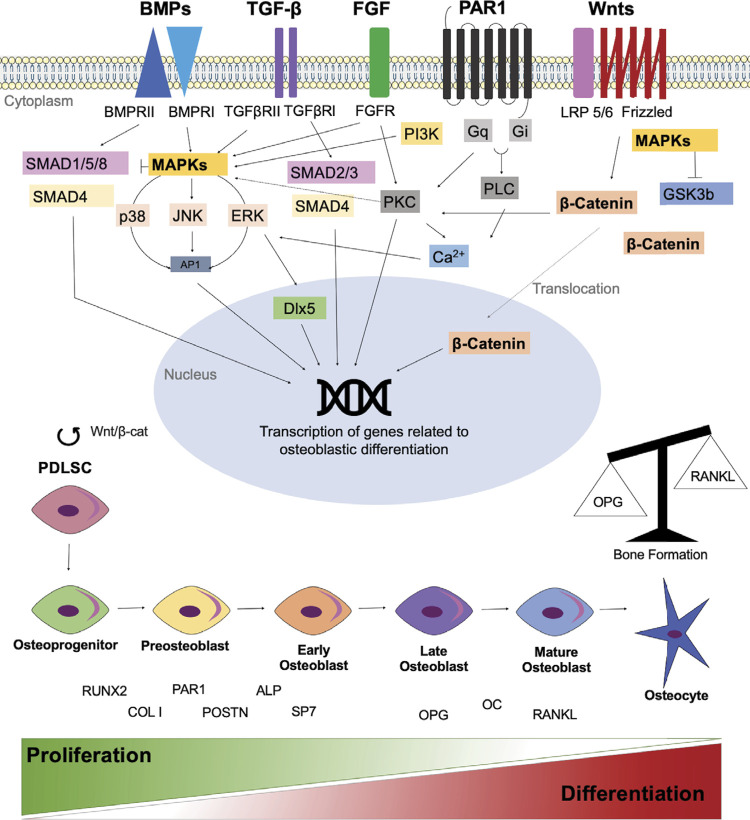 Figure 8
Peer Reviews
No public reviews on file for this paper yet. If you reviewed it on a platform where reviews are public (OpenReview, ICLR, NeurIPS, ICML), you can paste yours below so the community can read it here.
Videos
No videos yet. Explain this paper in a talk, walkthrough, or lecture? Add one.
Taxonomy
TopicsConnective tissue disorders research · Periodontal Regeneration and Treatments · dental development and anomalies