Genome and pan-genome analysis of a new exopolysaccharide-producing bacterium Pyschrobacillus sp. isolated from iron ores deposit and insights into iron uptake
Afef Najjari, Marwa Jabberi, Saïda Fatma Chérif, Ameur Cherif, Hadda Imene Ouzari, Javier A. Linares-Pastén, Haitham Sghaier

TL;DR
This study characterizes a new Psychrobacillus strain that produces exopolysaccharides (EPS) capable of absorbing heavy metals, offering potential for environmental bioremediation.
Contribution
The first report on EPS characterization and heavy metal adsorption by a Psychrobacillus species, including genomic and docking insights.
Findings
The NEAU-3TGS strain represents a potential new Psychrobacillus species based on genomic and phylogenomic analysis.
EPS from NEAU-3TGS showed high iron and lead adsorption, with optimal performance at 37°C, pH=7, and 3 h contact.
Molecular docking revealed specific interactions between FeuA and siderophore ligands, providing insights into iron uptake mechanisms.
Abstract
Bacterial exopolysaccharides (EPS) have emerged as one of the key players in the field of heavy metal-contaminated environmental bioremediation. This study aimed to characterize and evaluate the metal biosorption potential of EPS produced by a novel Psychrobacillus strain, NEAU-3TGS, isolated from an iron ore deposit at Tamra iron mine, northern Tunisia. Genomic and pan-genomic analysis of NEAU-3TGS bacterium with nine validated published Psychrobacillus species was also performed. The results showed that the NEAU-3TGS genome (4.48 Mb) had a mean GC content of 36%, 4,243 coding sequences and 14 RNA genes. Phylogenomic analysis and calculation of nucleotide identity (ANI) values (less than 95% for new species with all strains) confirmed that NEAU-3TGS represents a potential new species. Pangenomic analysis revealed that Psychrobacillus genomic diversity represents an “open” pangenome…
Genes, proteins, chemicals, diseases, species, mutations and cell lines named across the full text — each resolved to its canonical identifier and authoritative record.
Click any figure to enlarge with its caption.
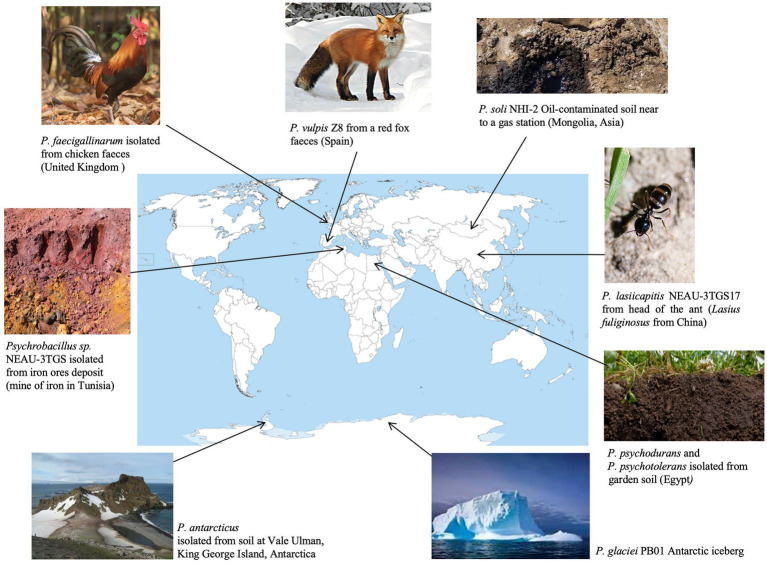 Figure 1
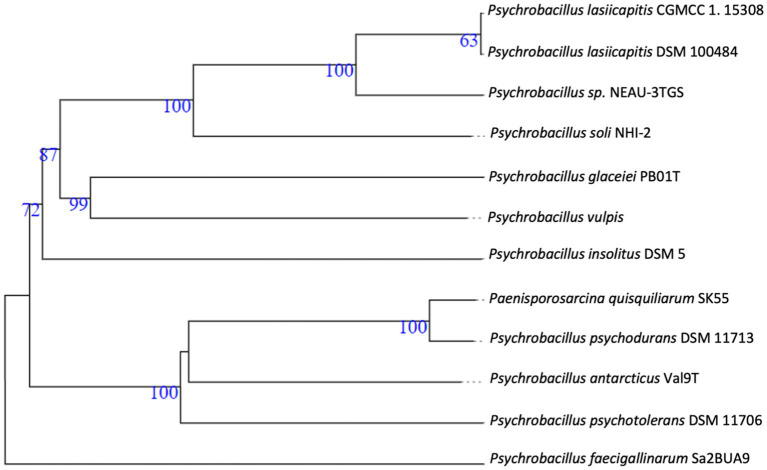 Figure 2
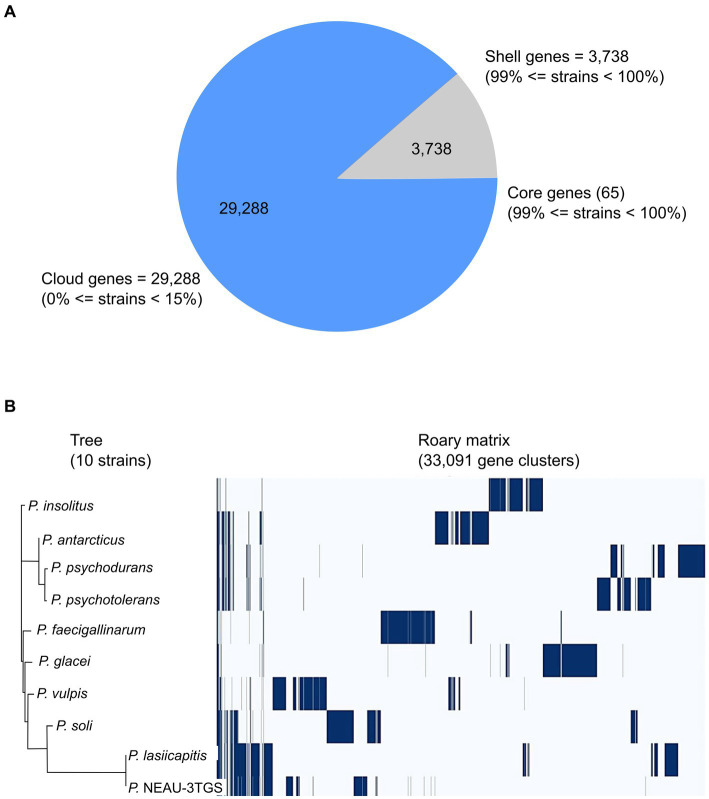 Figure 3
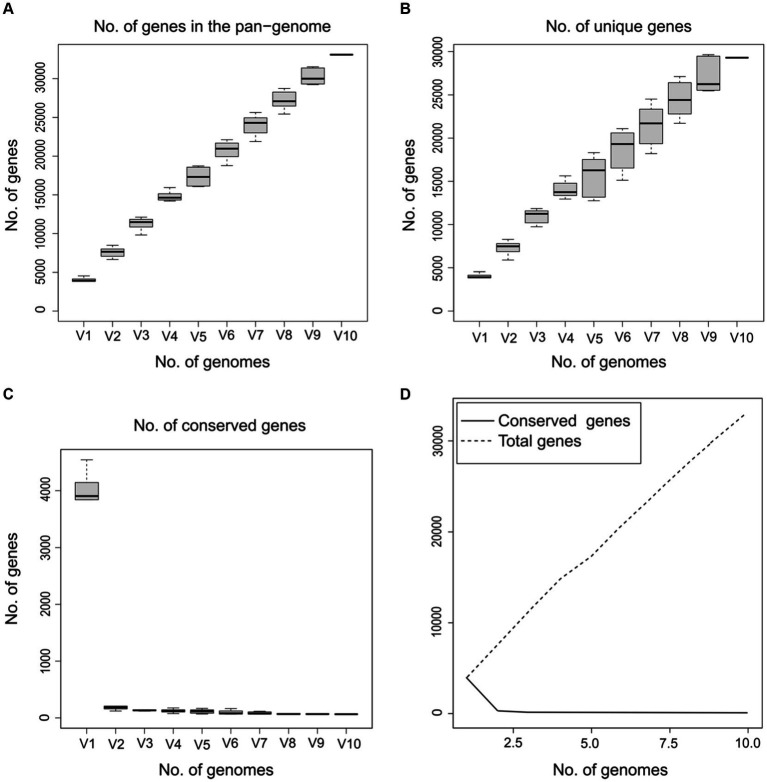 Figure 4
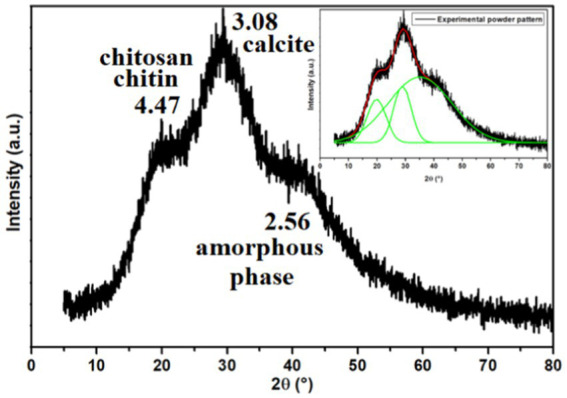 Figure 5
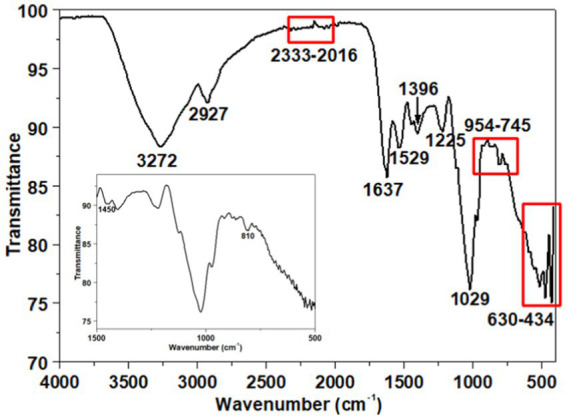 Figure 6
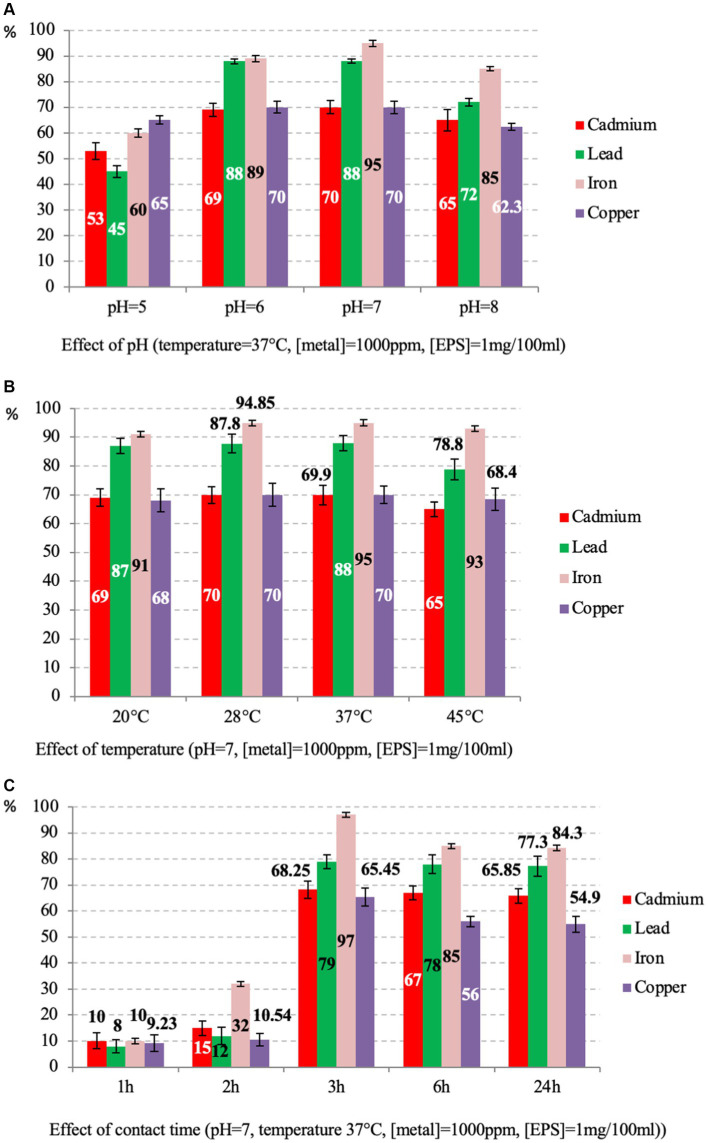 Figure 7
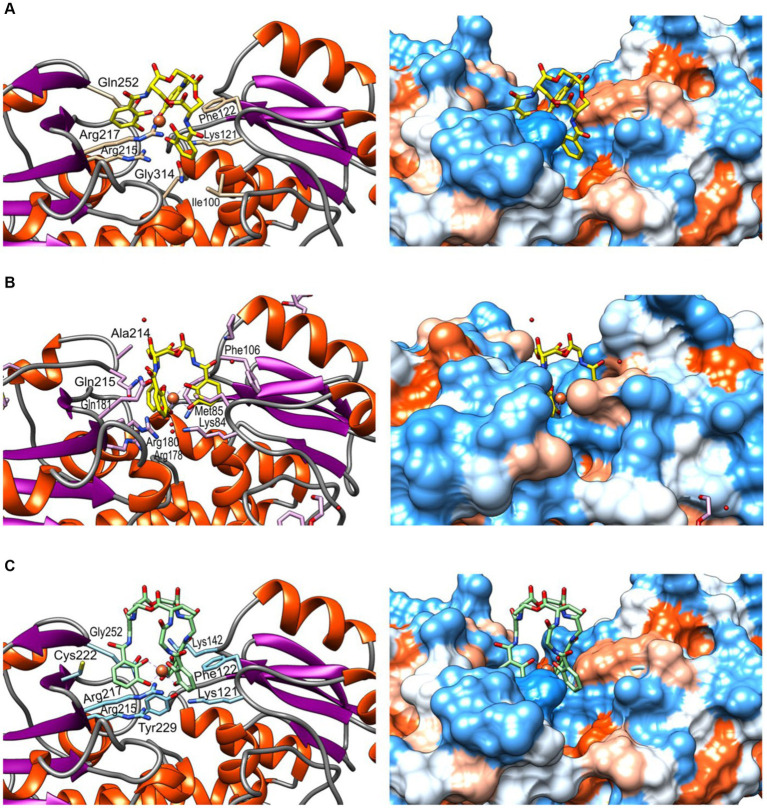 Figure 8
Peer Reviews
No public reviews on file for this paper yet. If you reviewed it on a platform where reviews are public (OpenReview, ICLR, NeurIPS, ICML), you can paste yours below so the community can read it here.
Videos
No videos yet. Explain this paper in a talk, walkthrough, or lecture? Add one.
Taxonomy
TopicsGenomics and Phylogenetic Studies · Metal Extraction and Bioleaching · Mineral Processing and Grinding