Active template synthesis
Romain Jamagne, Martin J. Power, Zhi-Hui Zhang, Germán Zango, Benjamin Gibber, David A. Leigh

TL;DR
Active template synthesis is a method to build complex interlocked molecules using metals or functional groups as both templates and catalysts.
Contribution
This review highlights the use of active template synthesis for creating interlocked molecules without leaving behind template interactions.
Findings
Active template synthesis allows for the creation of rotaxanes, catenanes, and knots under kinetic control.
Metal-free versions use crown ethers to accelerate reactions for building rotaxanes without recognition elements.
The CuAAC reaction is the most widely used in metal-mediated active template synthesis.
Abstract
The active template synthesis of mechanically interlocked molecular architectures exploits the dual ability of various structural elements (metals or, in the case of metal-free active template synthesis, particular arrangements of functional groups) to serve as both a template for the organisation of building blocks and as a catalyst to facilitate the formation of covalent bonds between them. This enables the entwined or threaded intermediate structure to be covalently captured under kinetic control. Unlike classical passive template synthesis, the intercomponent interactions transiently used to promote the assembly typically do not ‘live on’ in the interlocked product, meaning that active template synthesis can be traceless and used for constructing mechanically interlocked molecules that do not feature strong binding interactions between the components. Since its introduction in 2006,…
Genes, proteins, chemicals, diseases, species, mutations and cell lines named across the full text — each resolved to its canonical identifier and authoritative record.
Click any figure to enlarge with its caption.
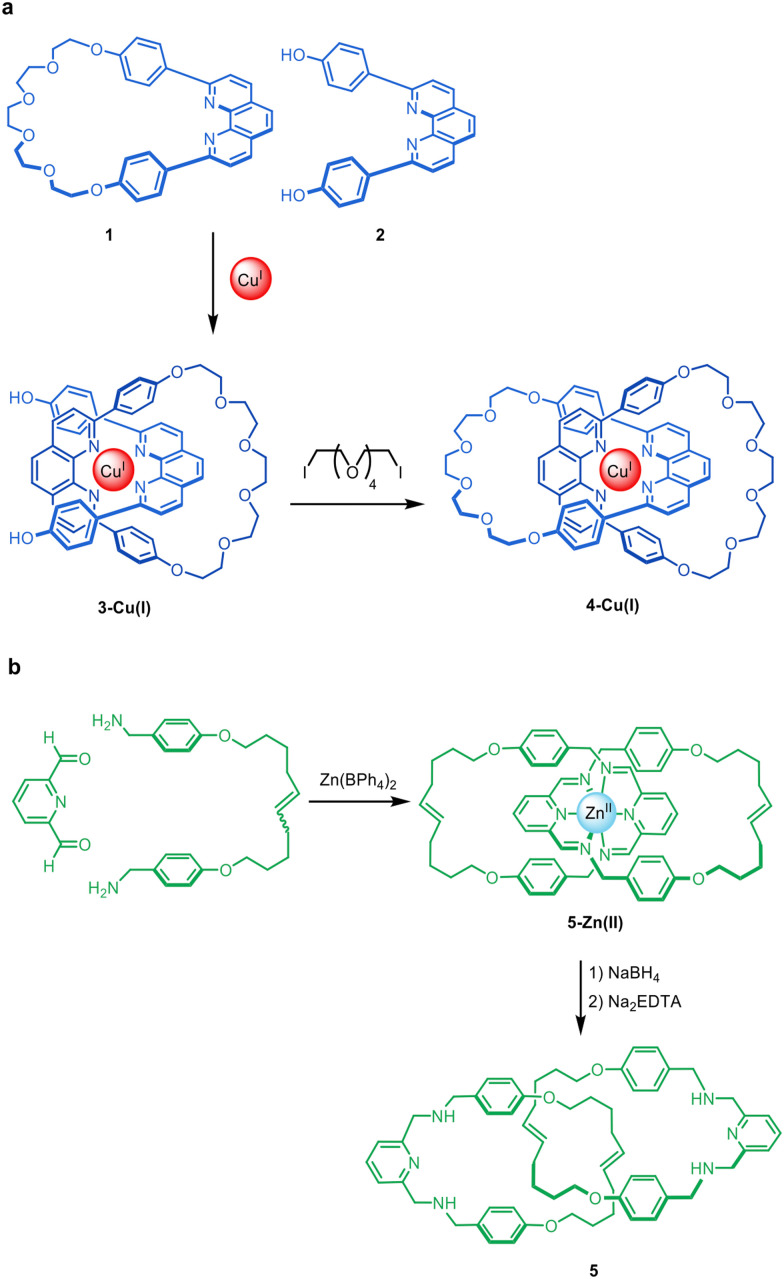 Figure 1
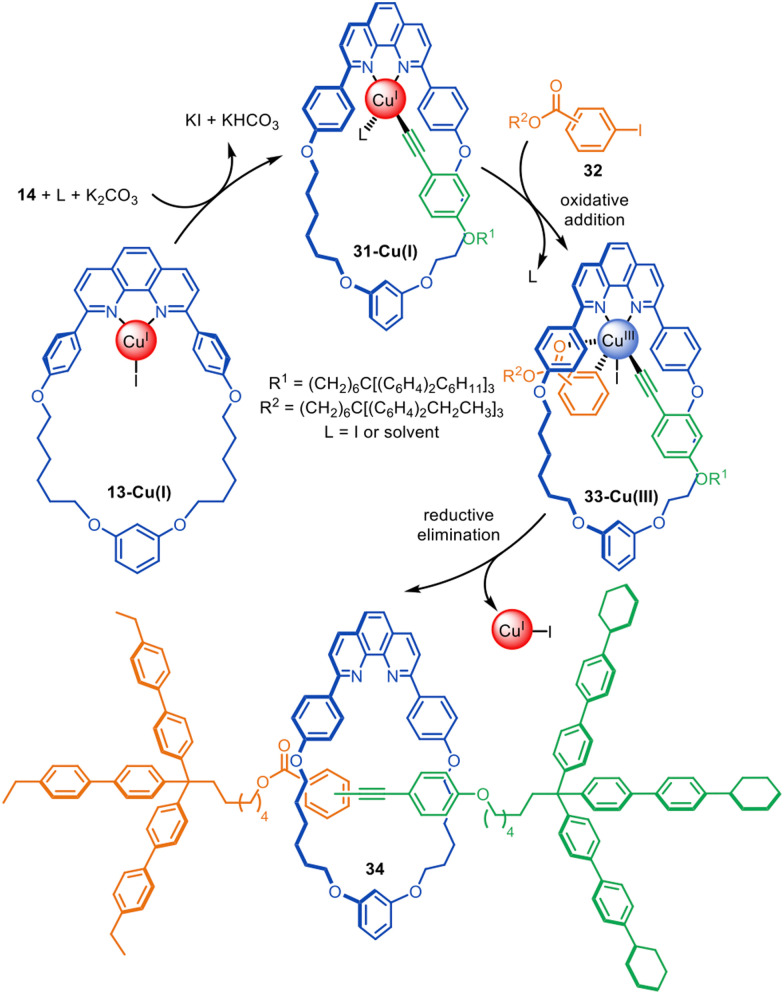 Figure 2
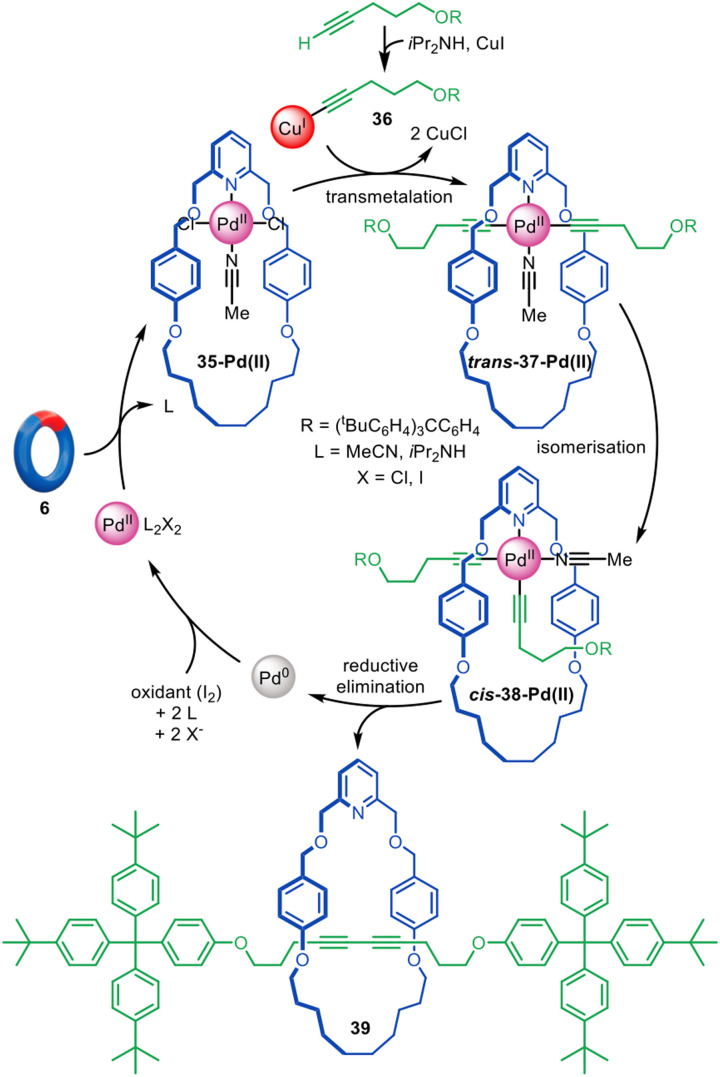 Figure 3
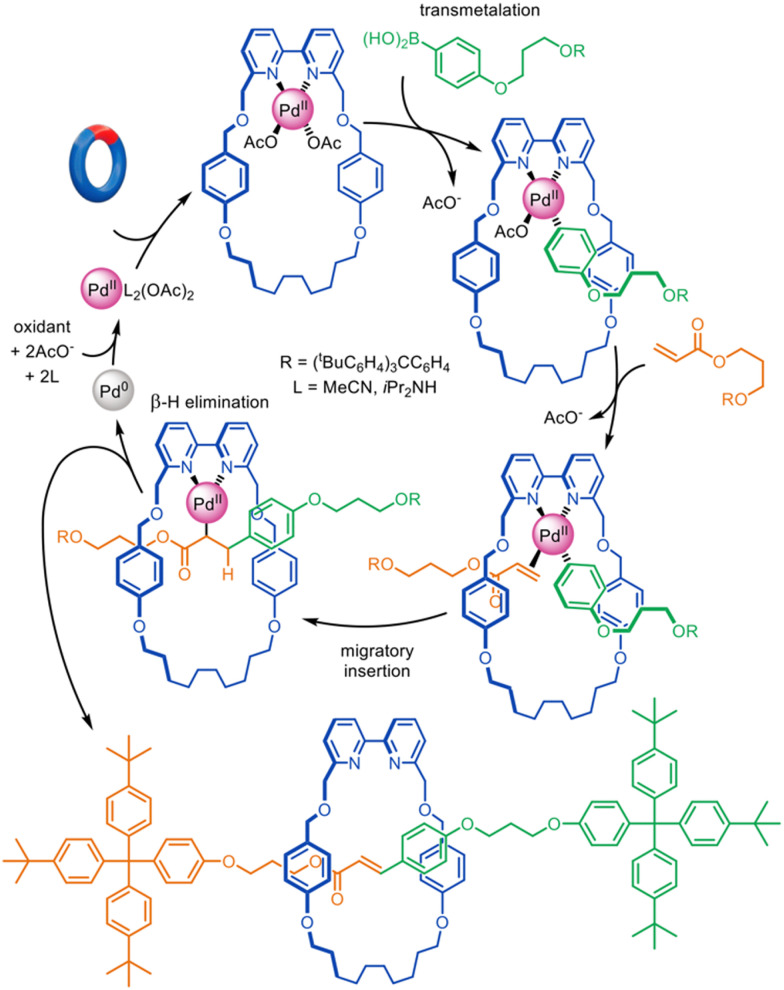 Figure 4
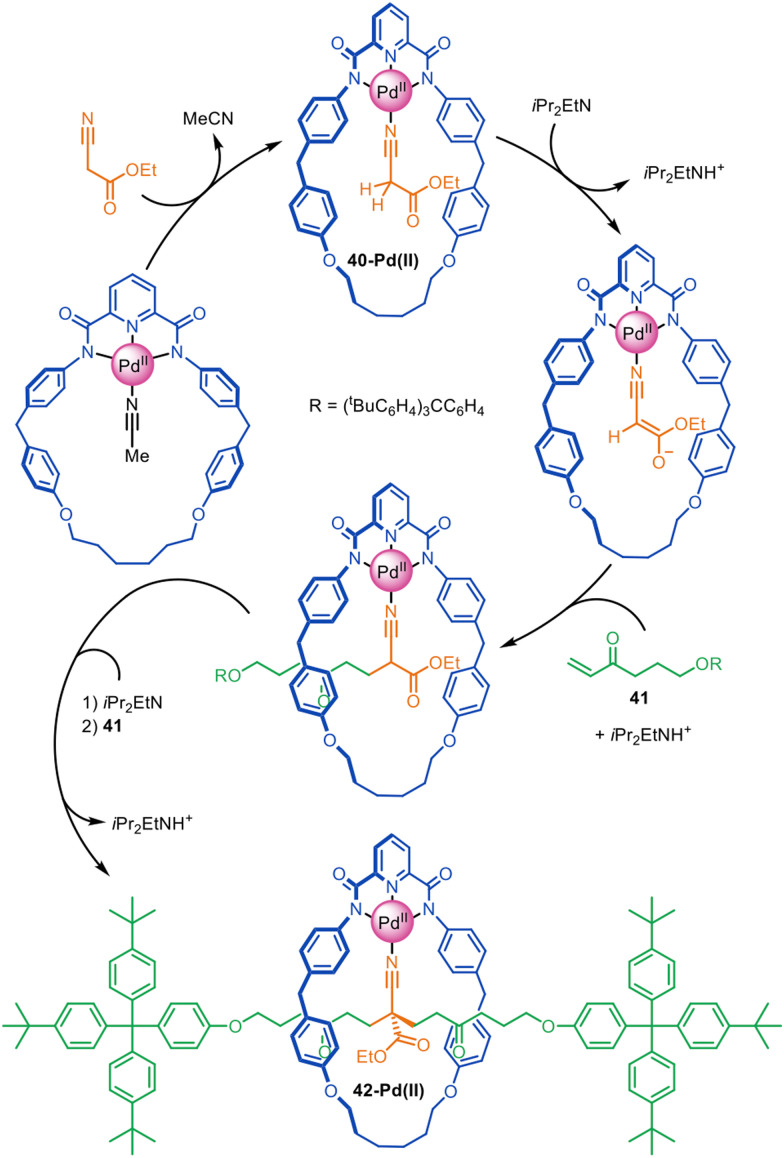 Figure 5
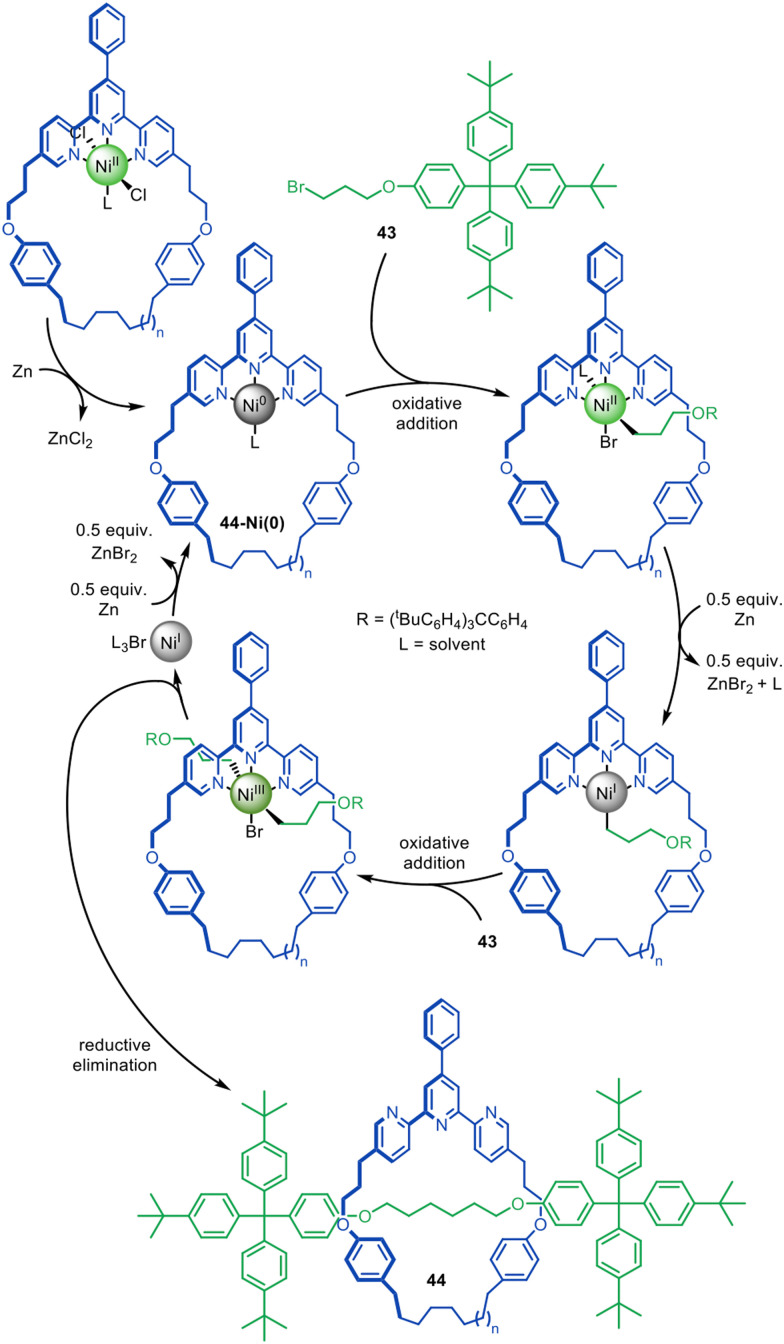 Figure 6
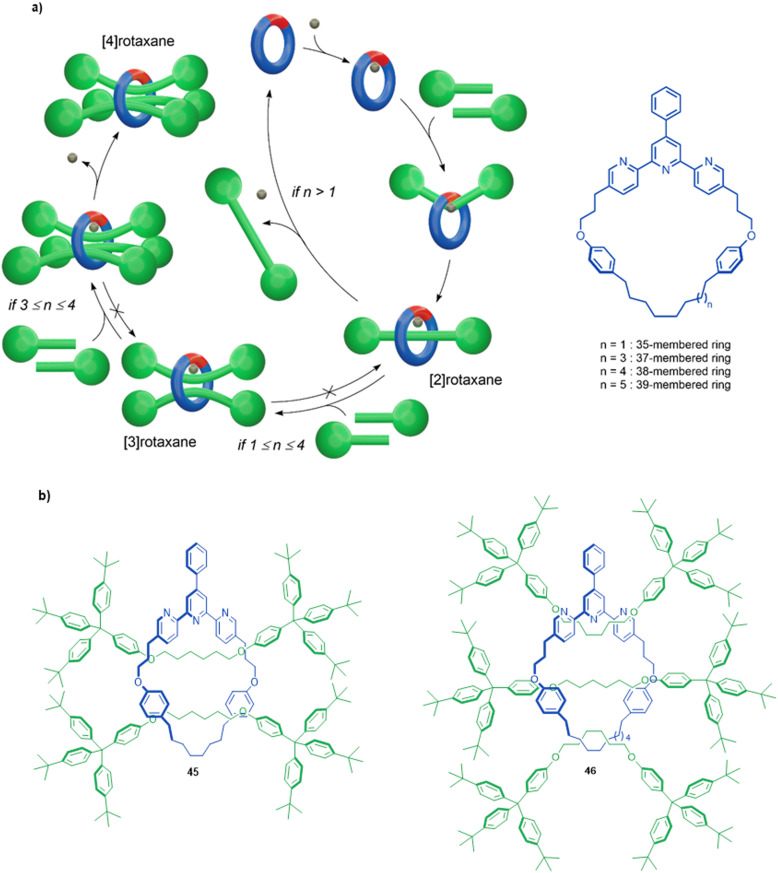 Figure 7
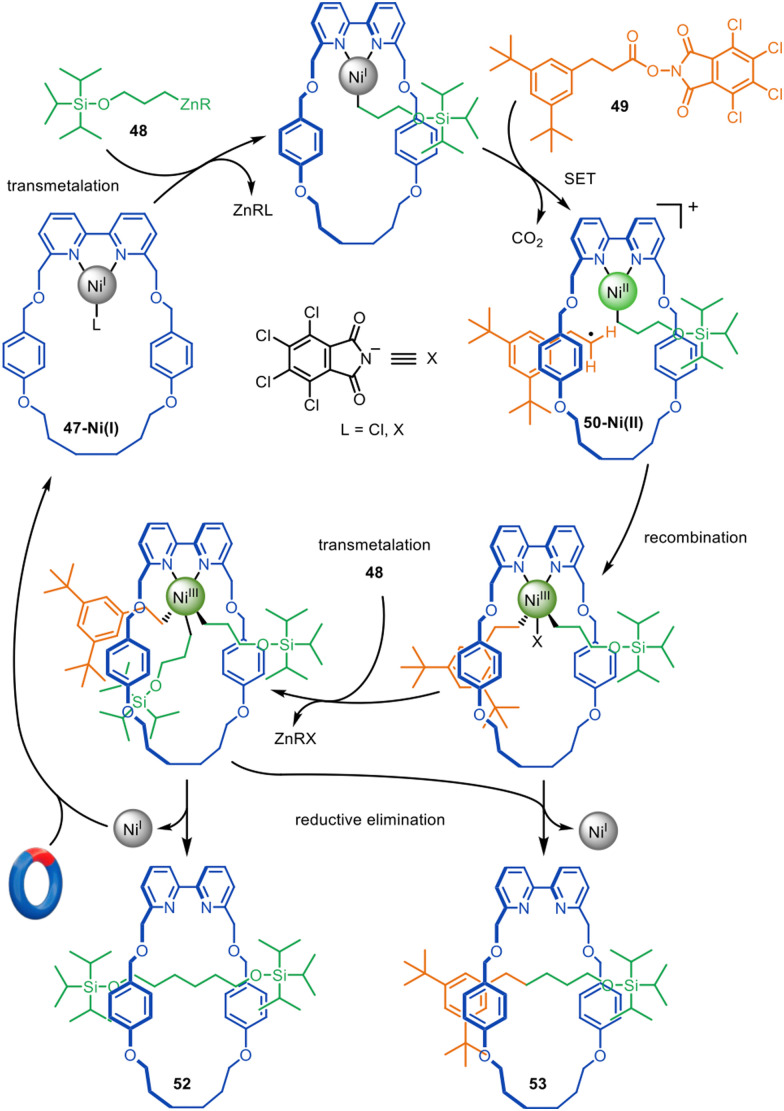 Figure 8
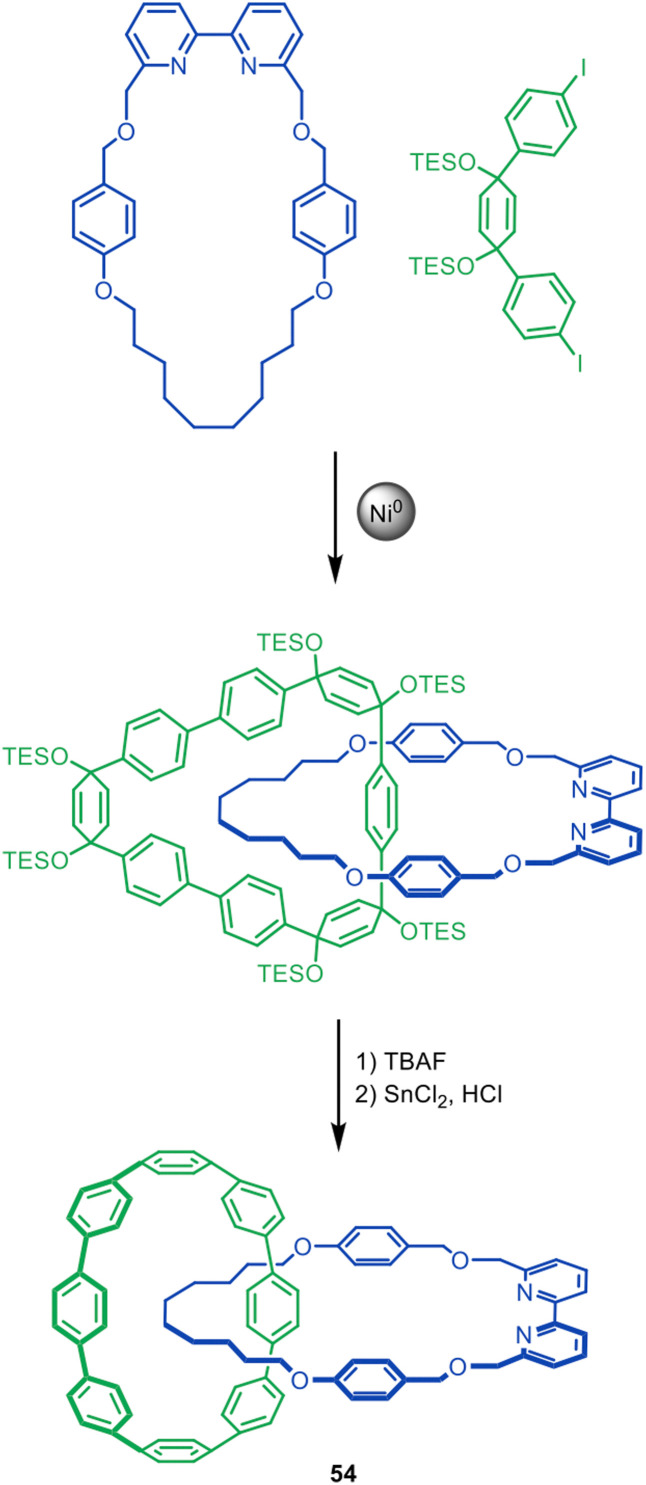 Figure 9
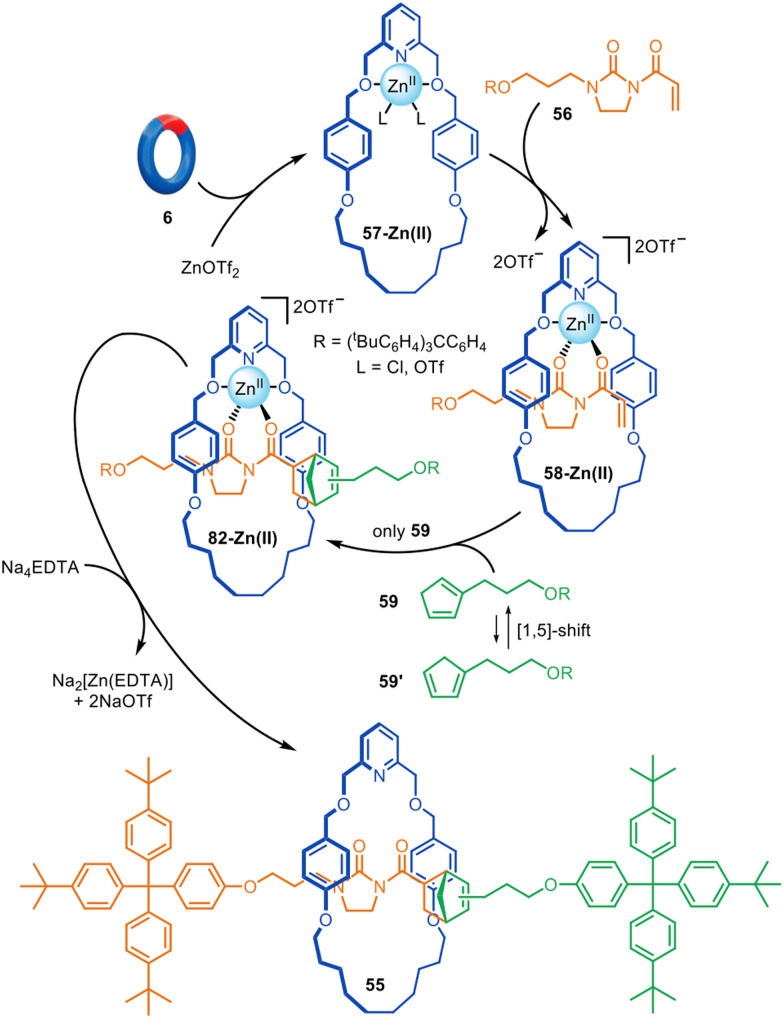 Figure 10
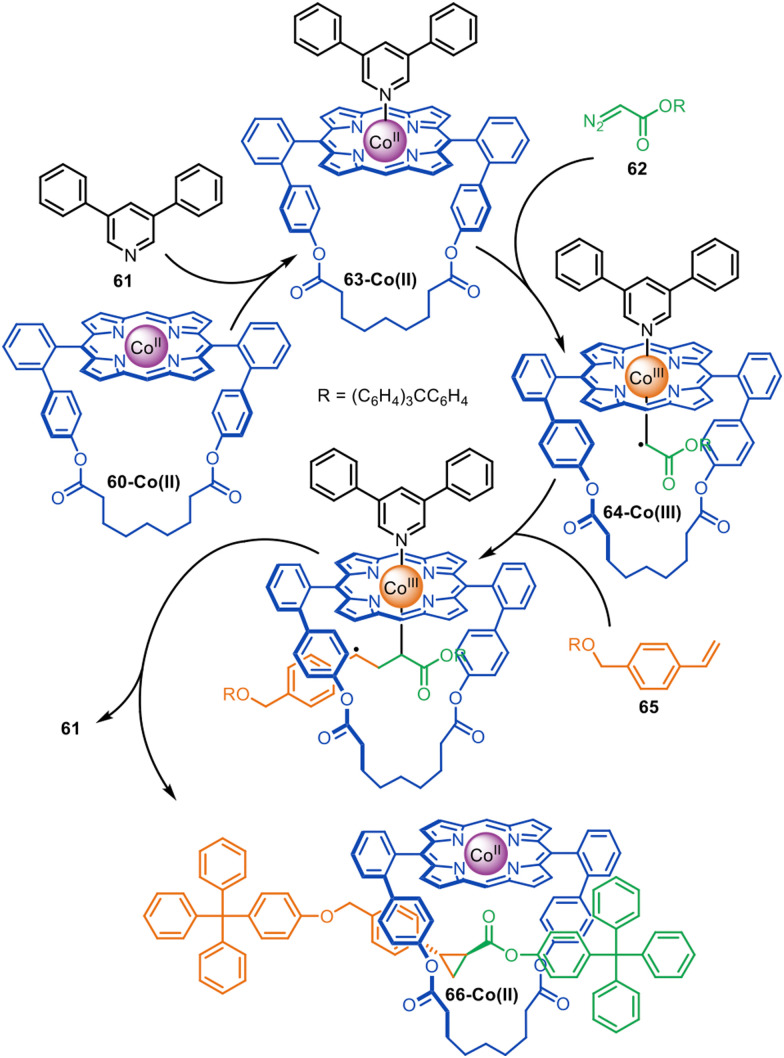 Figure 11
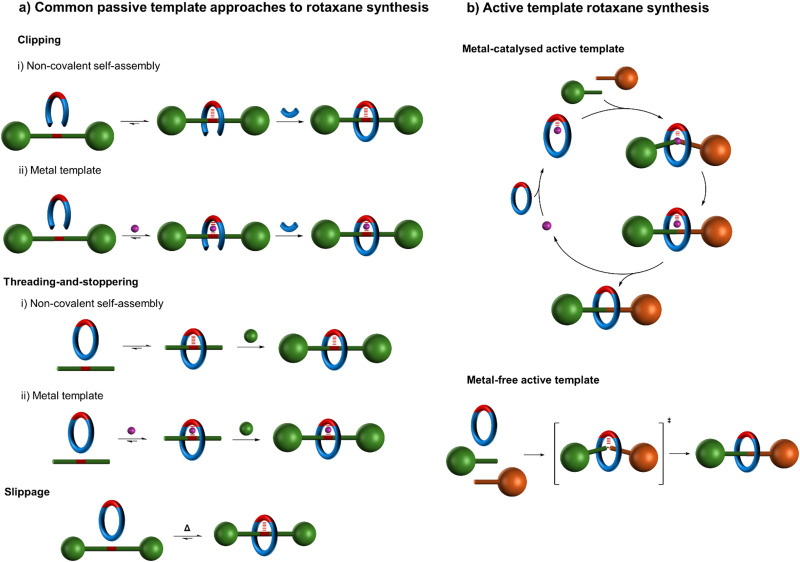 Figure 12
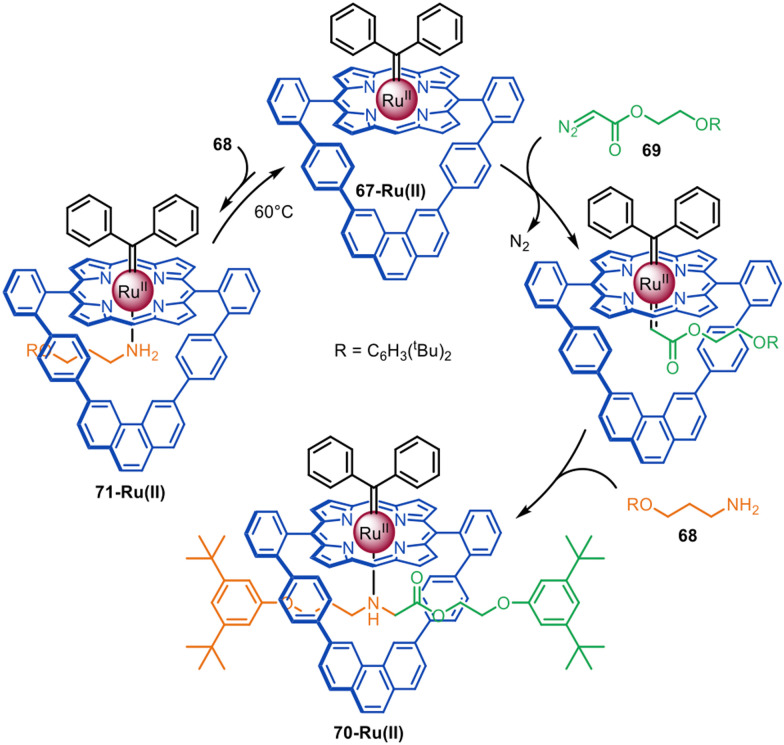 Figure 13
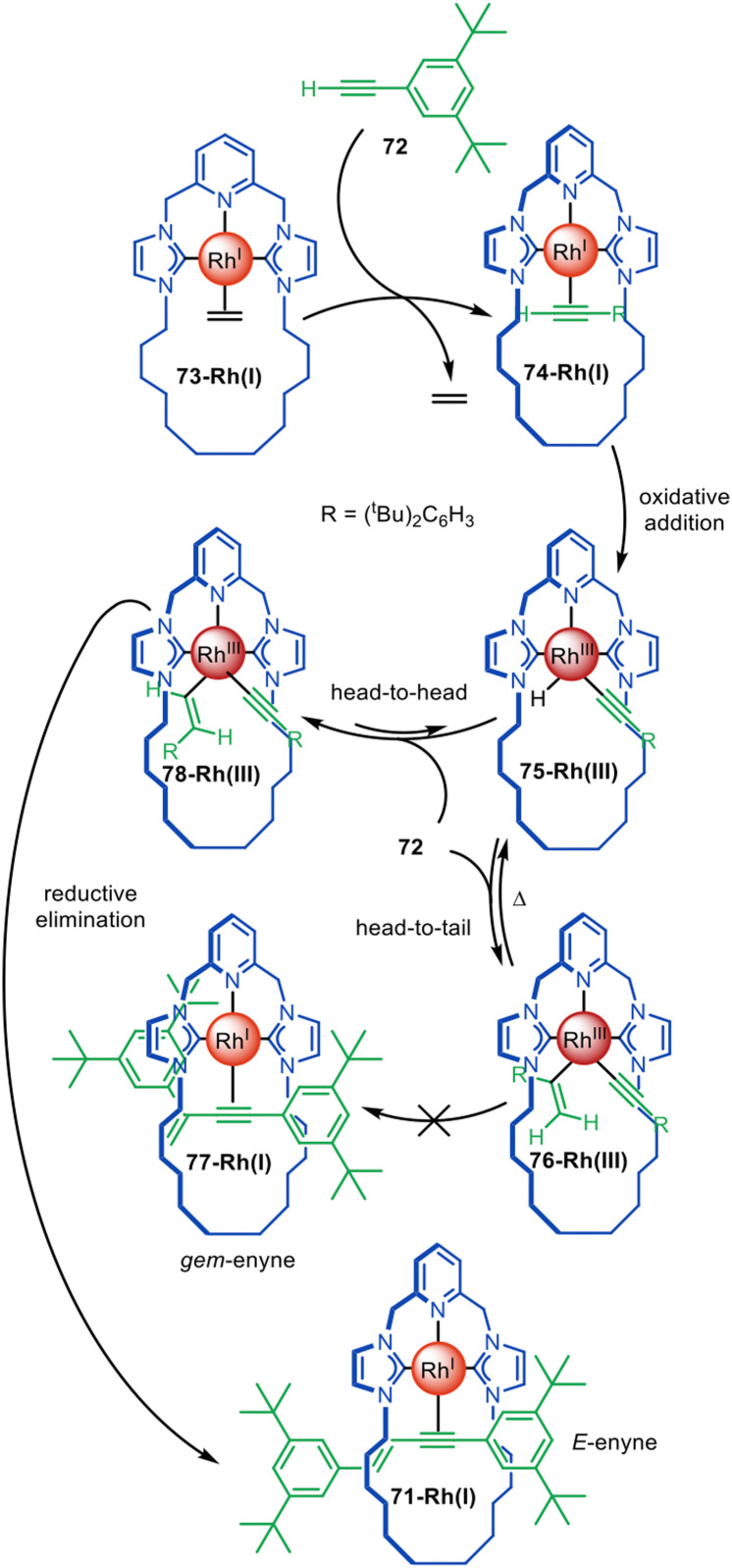 Figure 14
 Figure 15
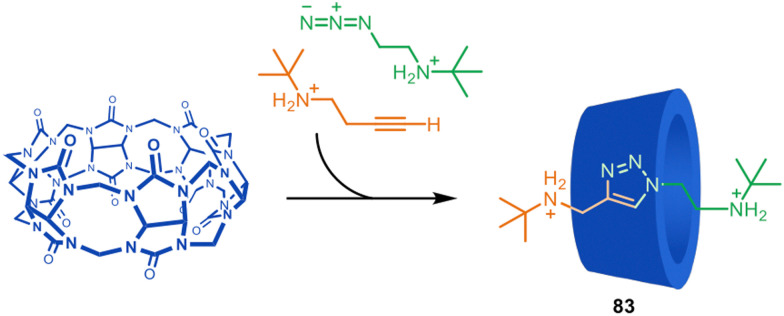 Figure 16
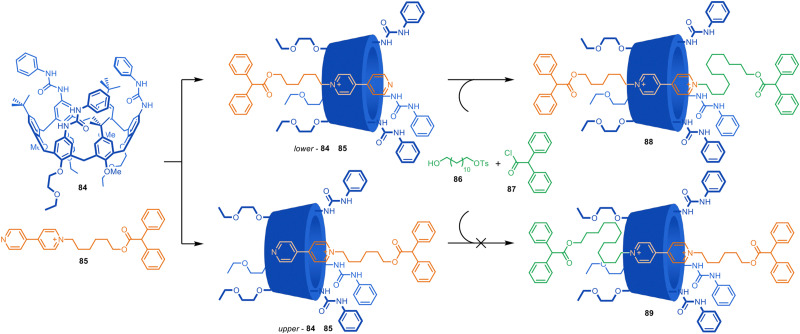 Figure 17
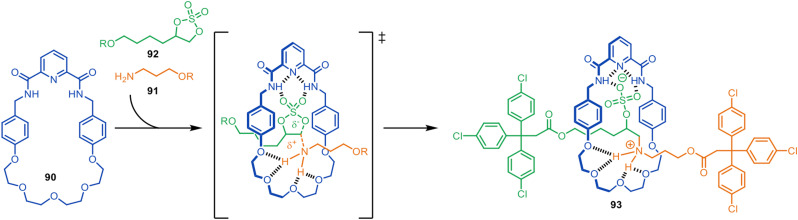 Figure 18
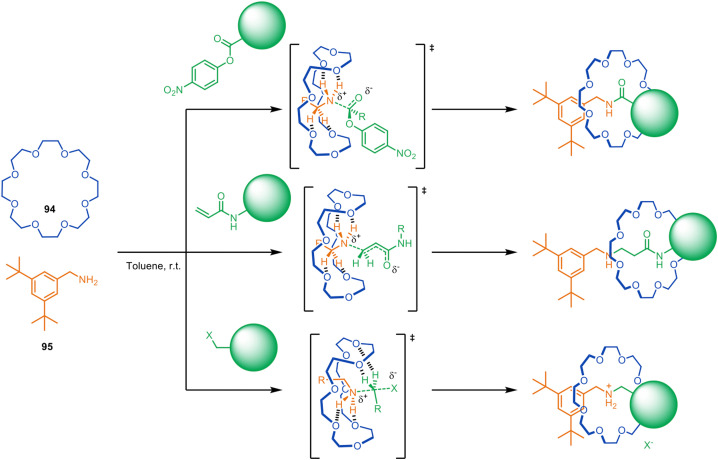 Figure 19
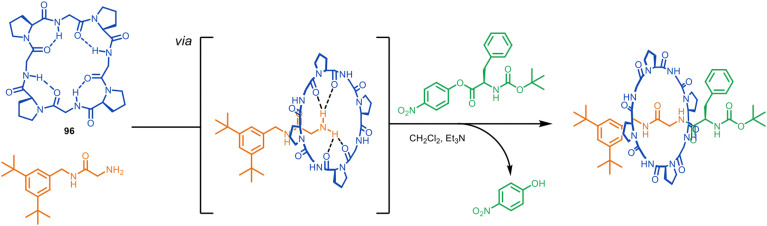 Figure 20
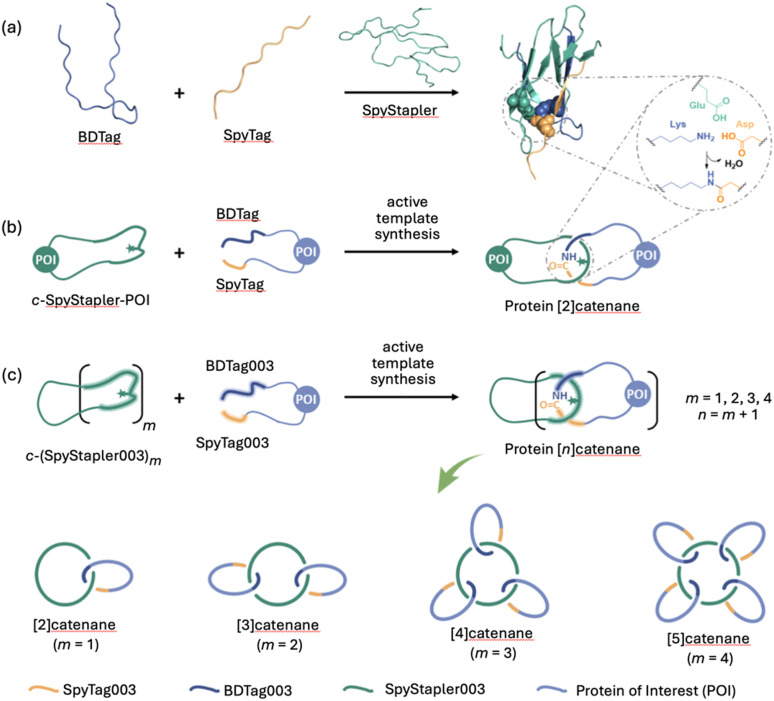 Figure 21
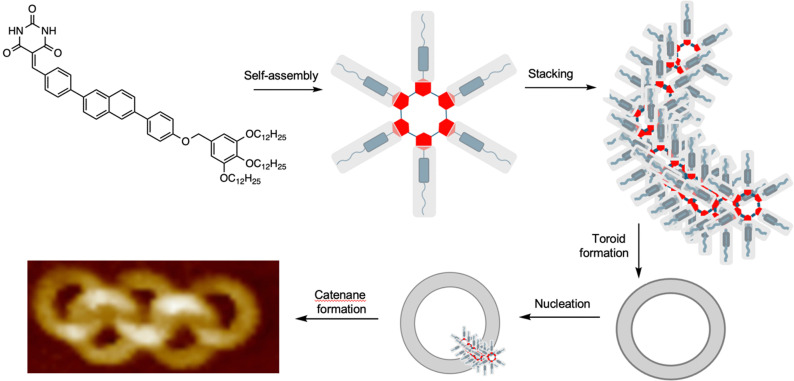 Figure 22
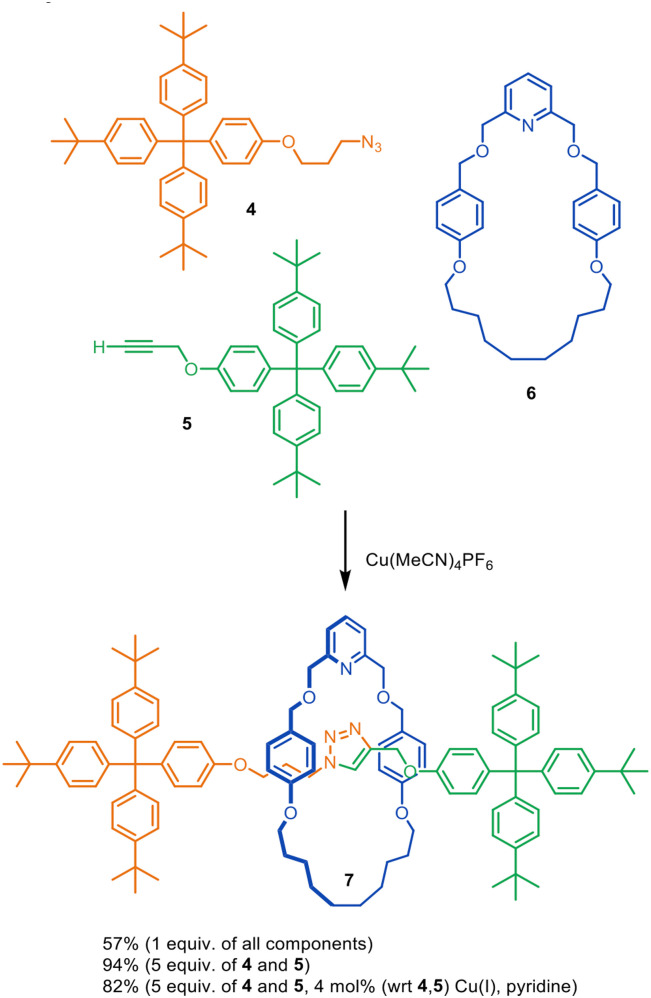 Figure 23
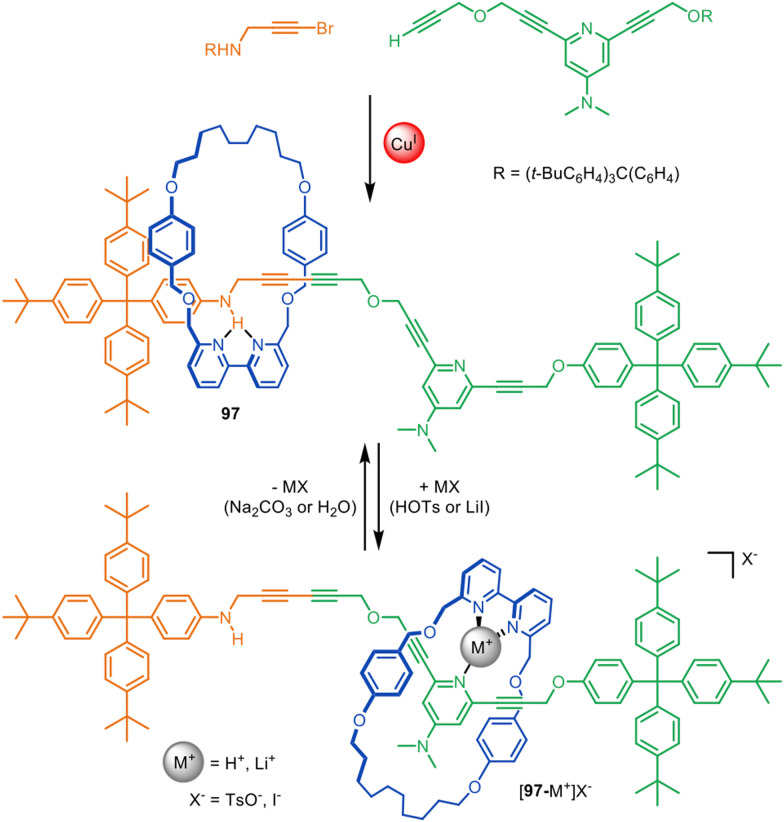 Figure 24
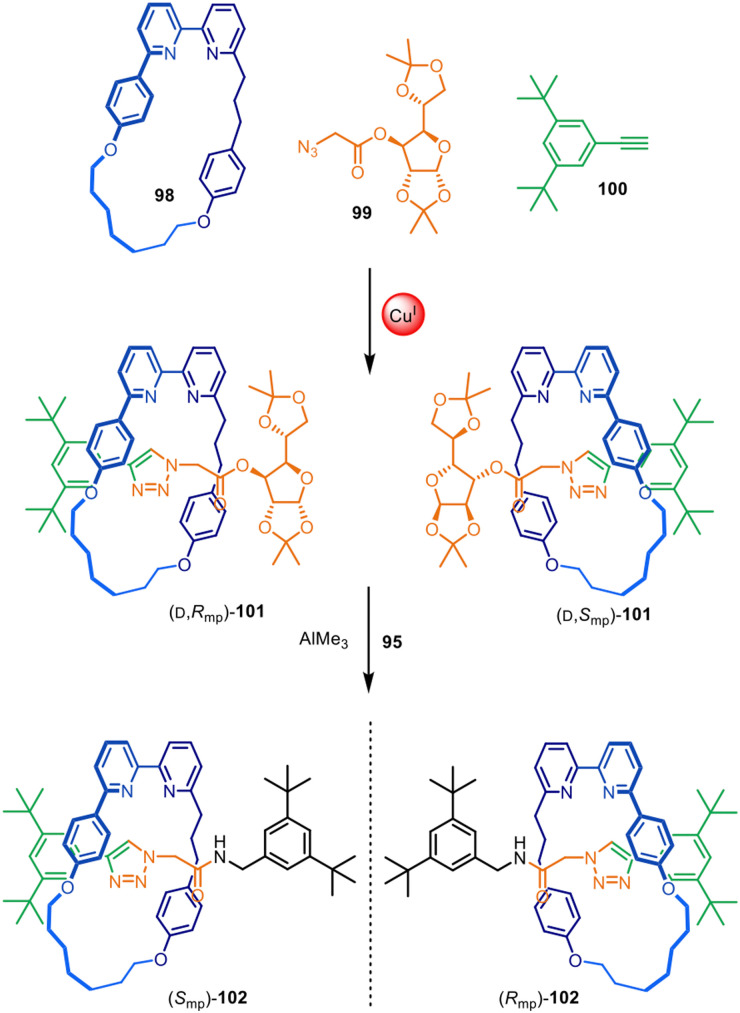 Figure 25
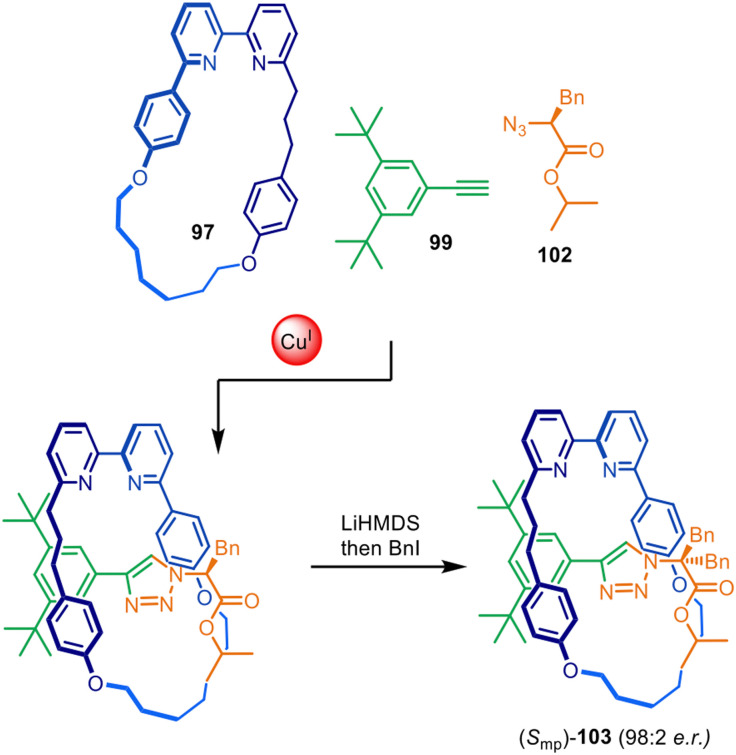 Figure 26
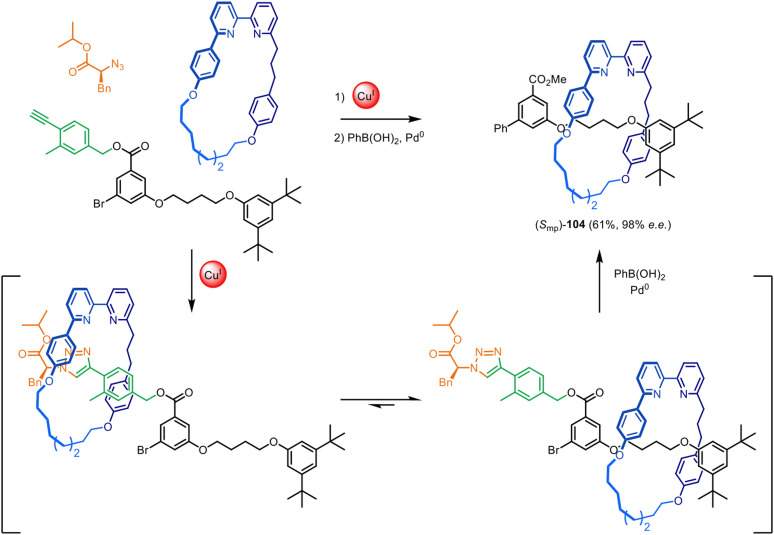 Figure 27
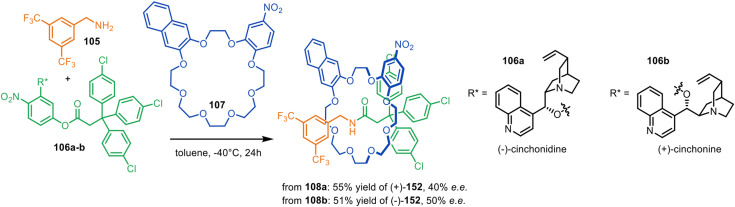 Figure 28
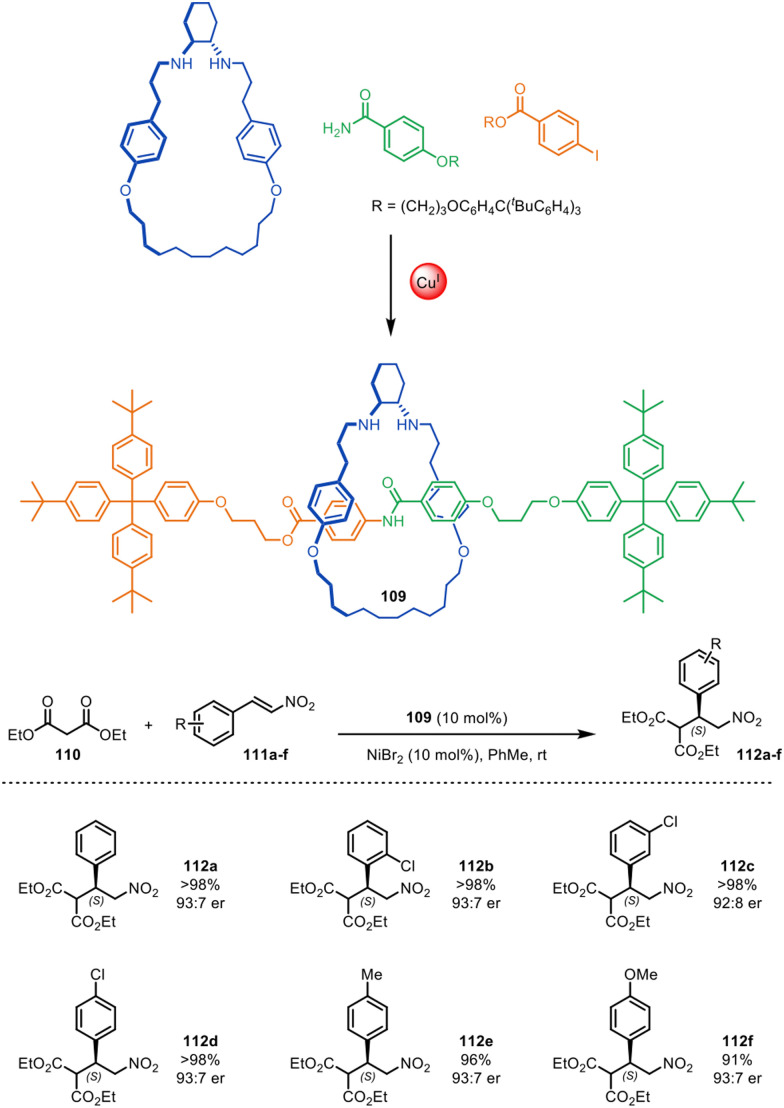 Figure 29
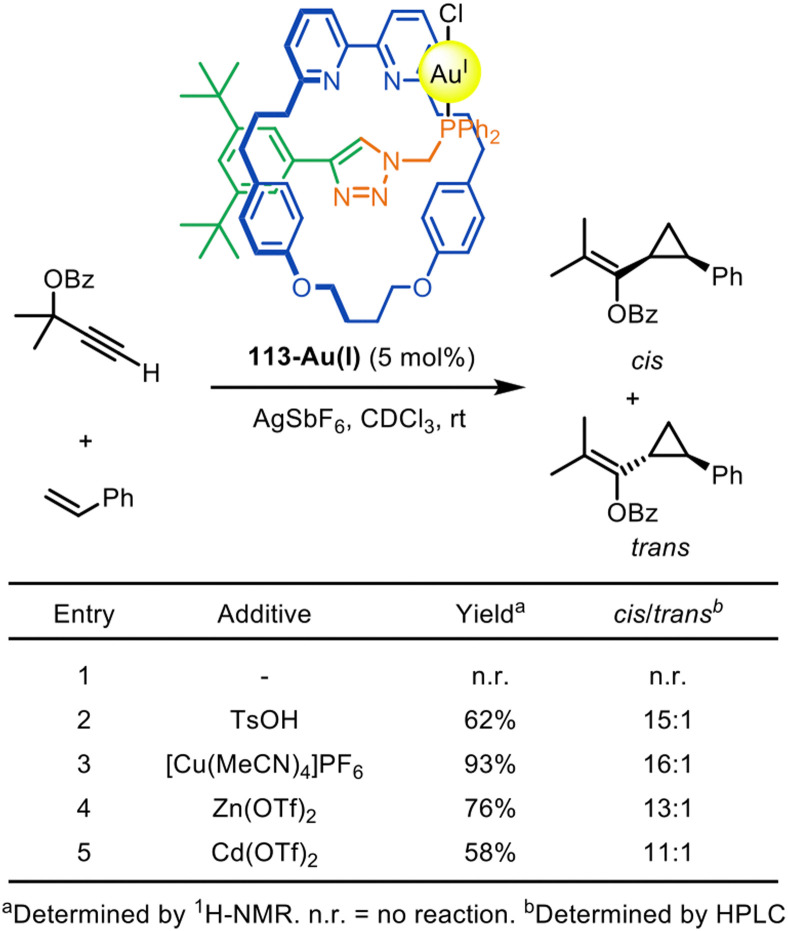 Figure 30
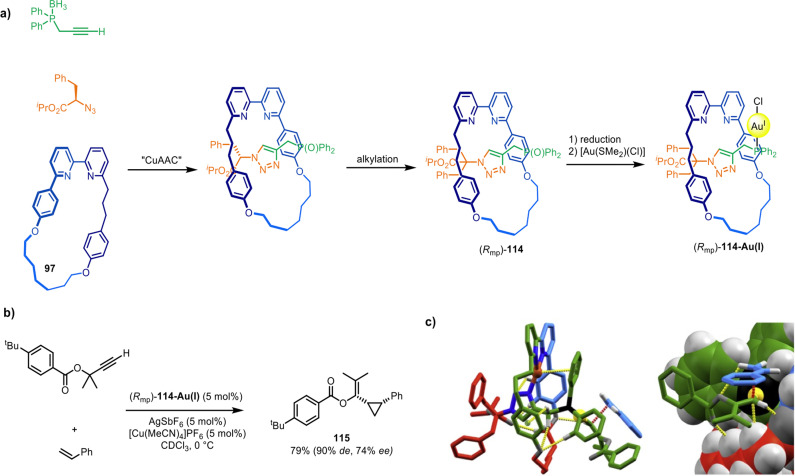 Figure 31
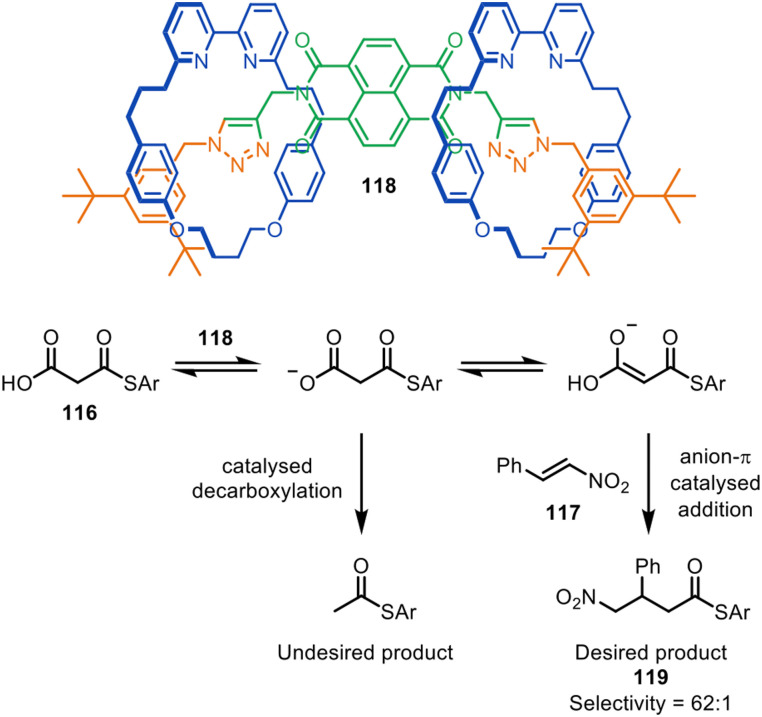 Figure 32
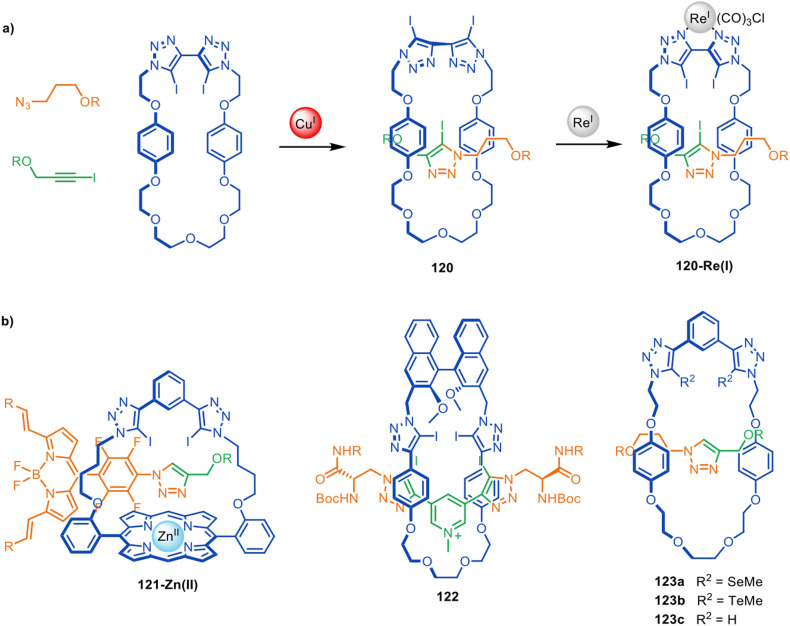 Figure 33
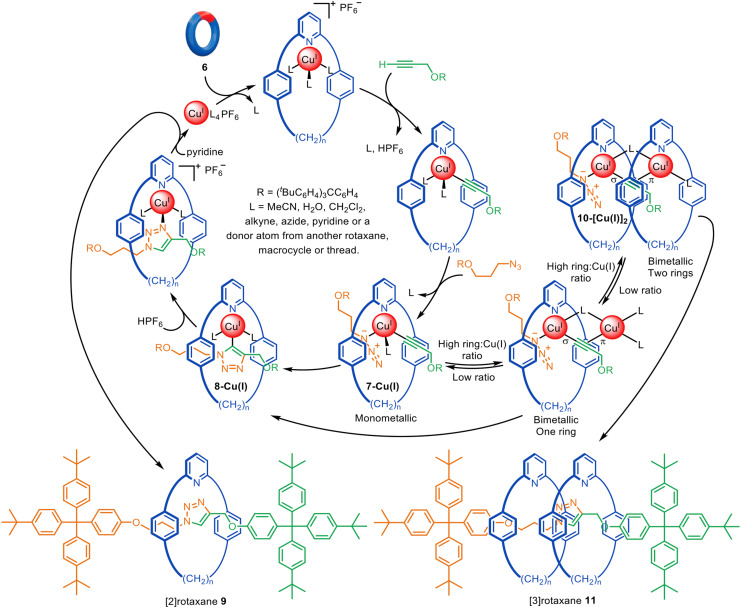 Figure 34
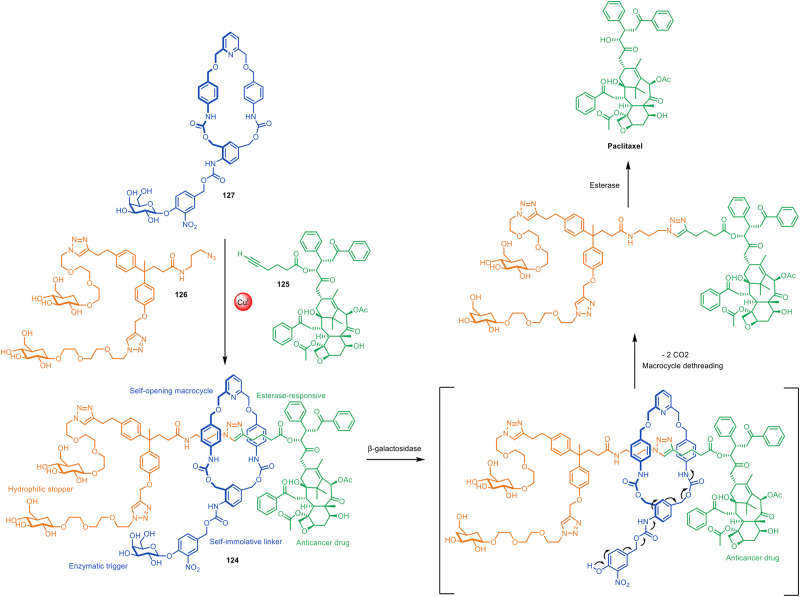 Figure 35
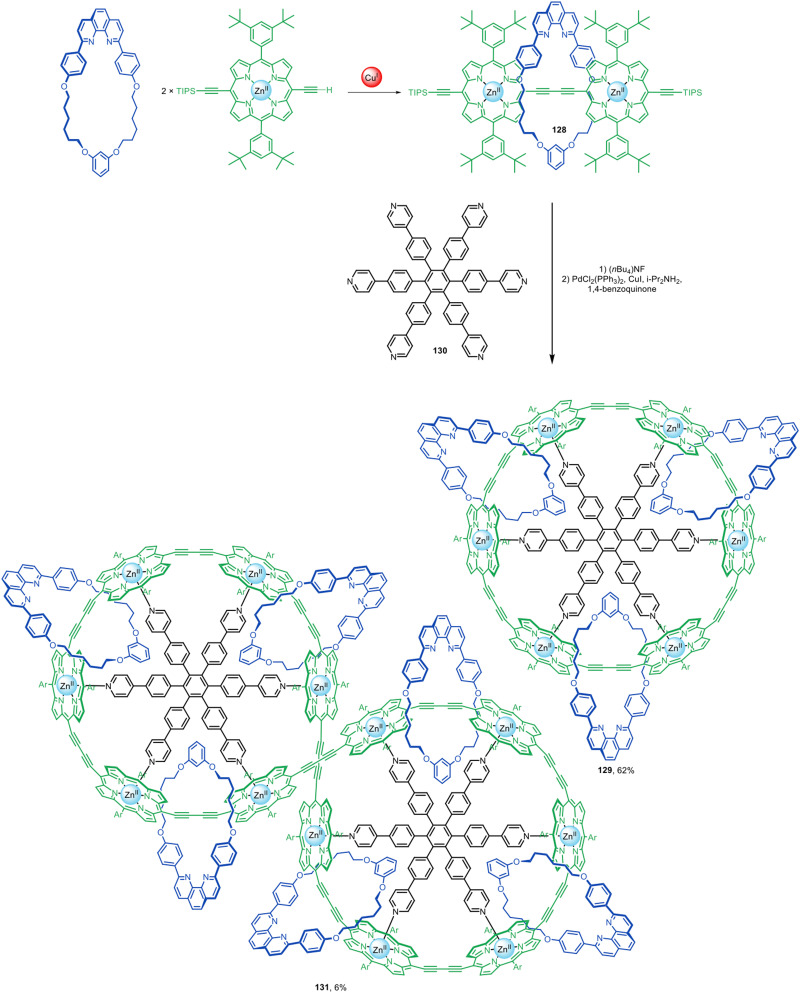 Figure 36
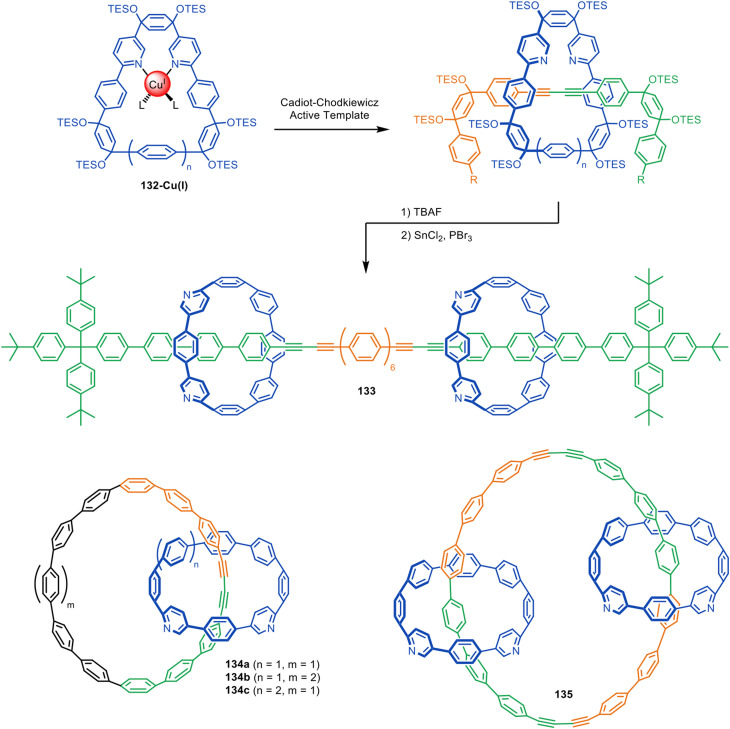 Figure 37
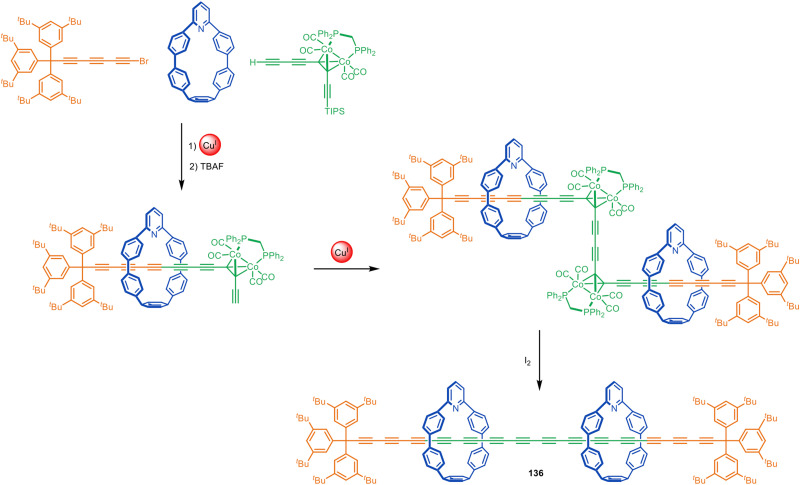 Figure 38
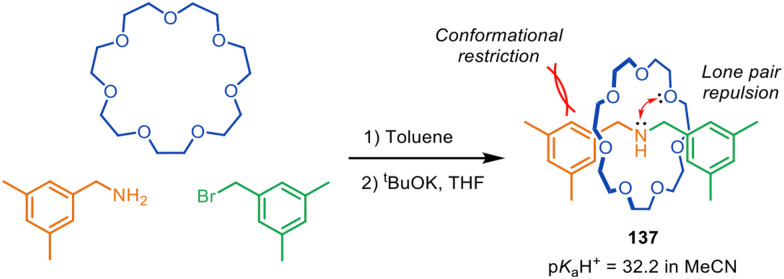 Figure 39
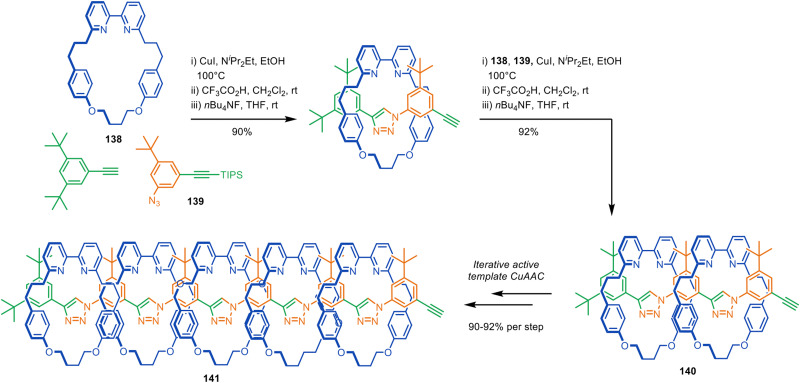 Figure 40
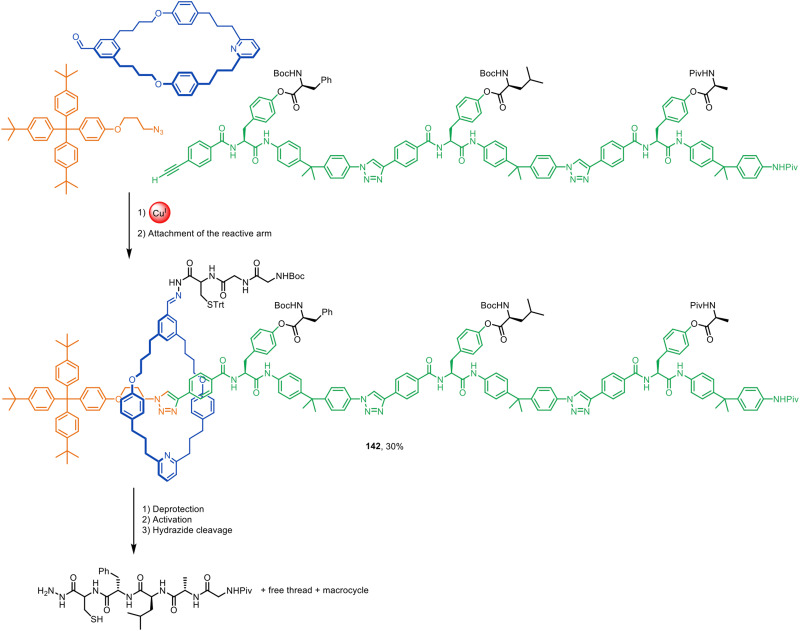 Figure 41
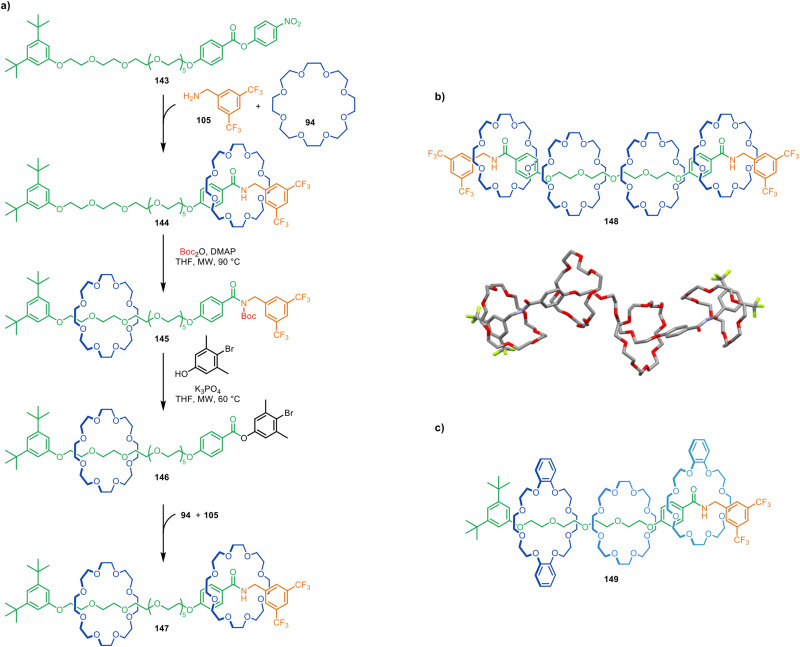 Figure 42
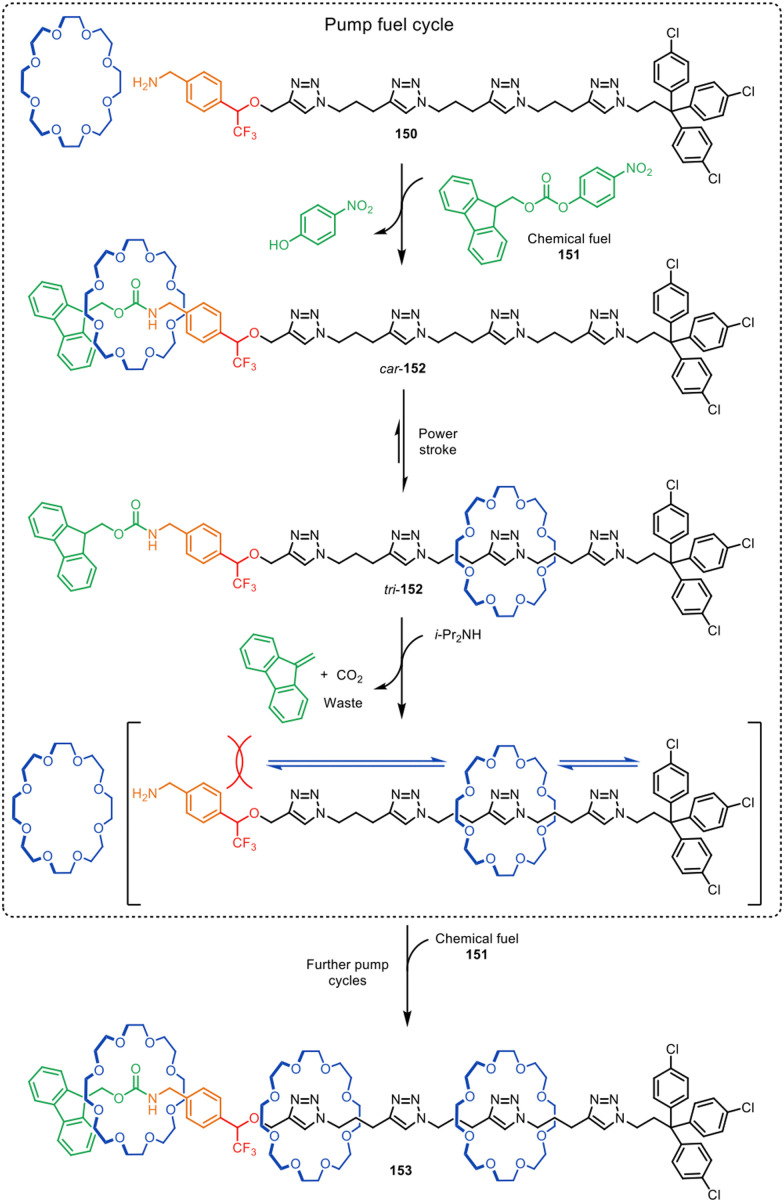 Figure 43
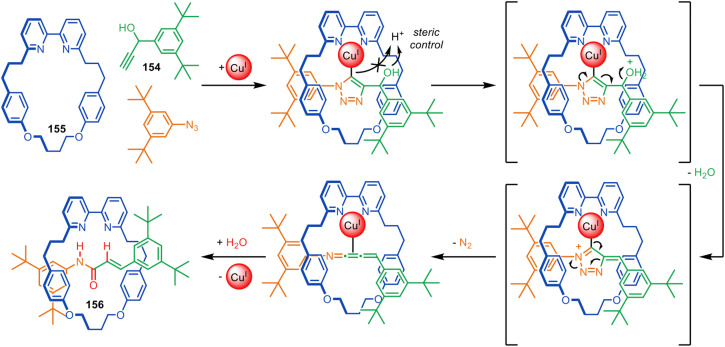 Figure 44
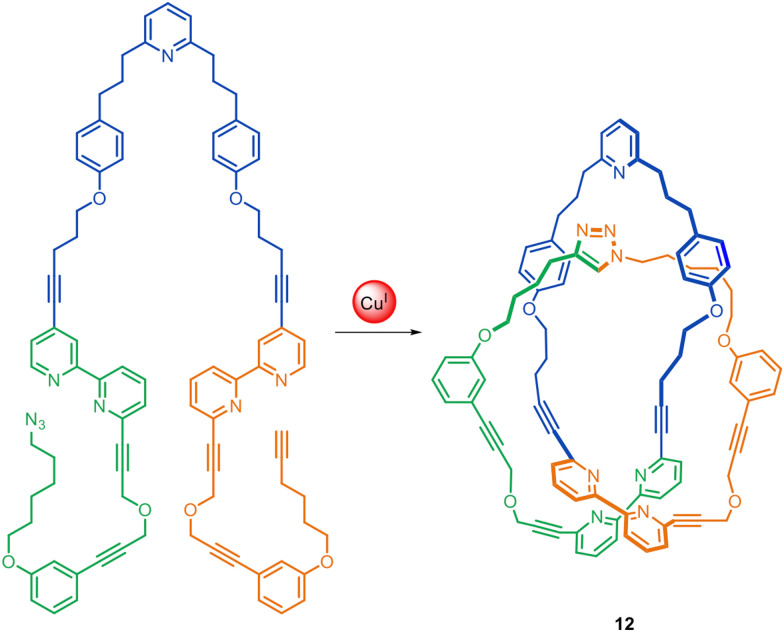 Figure 45
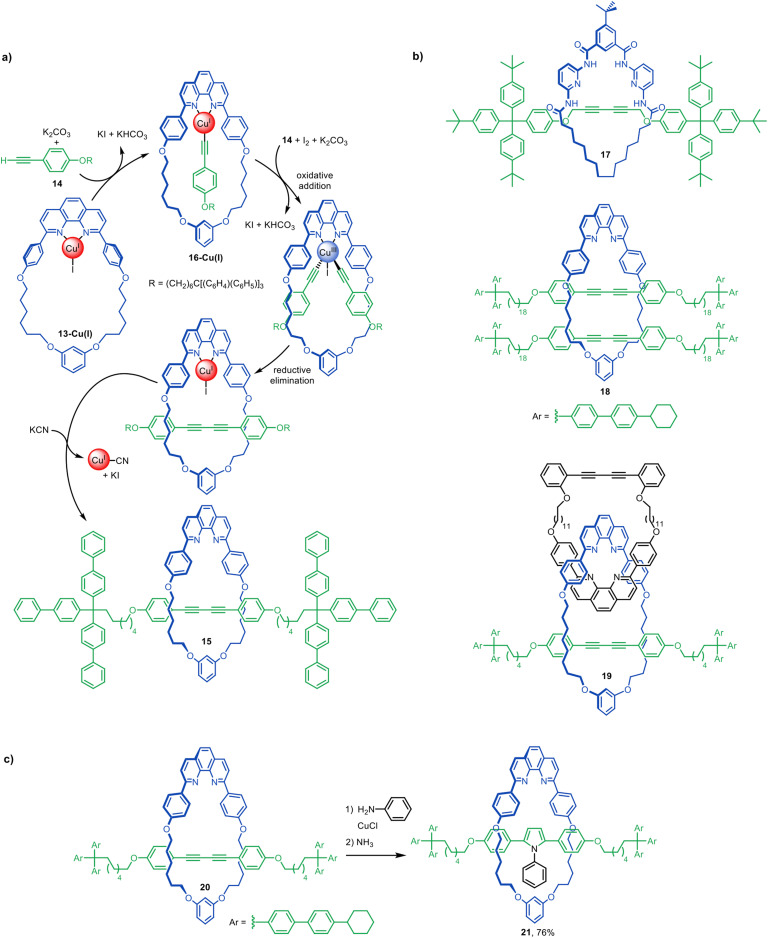 Figure 46
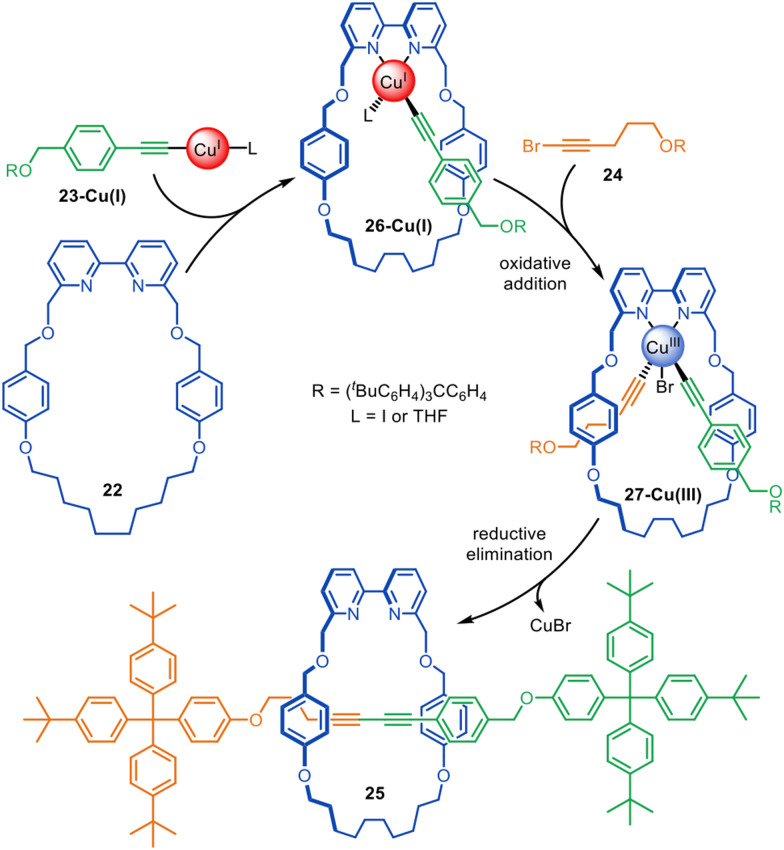 Figure 47
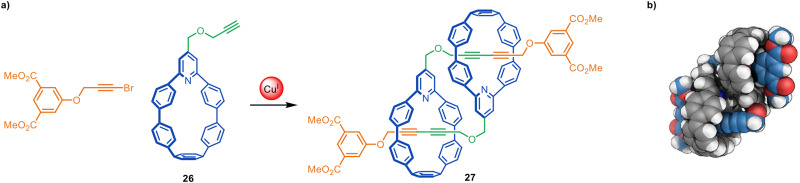 Figure 48
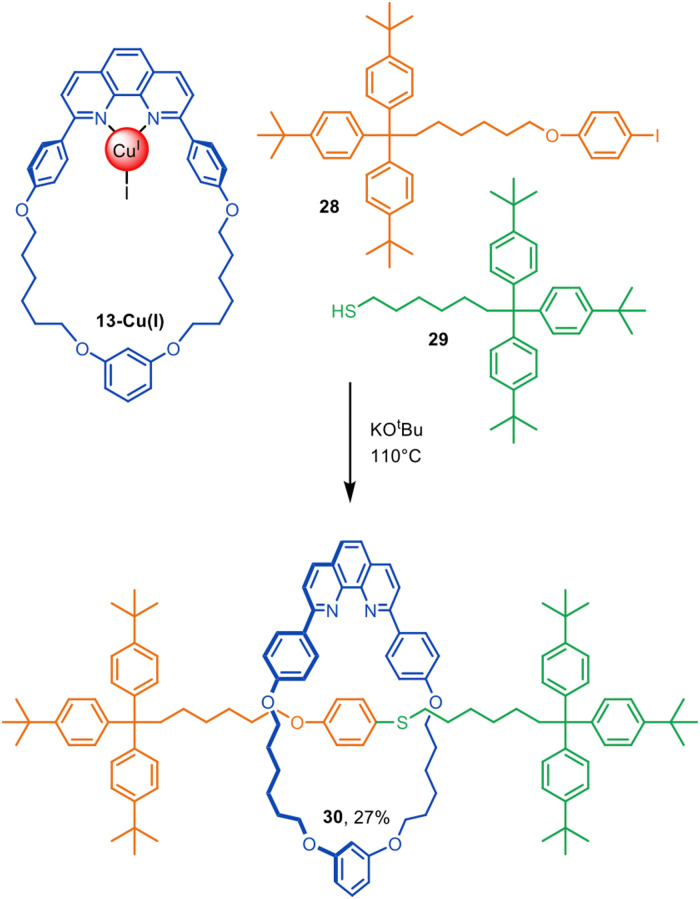 Figure 49
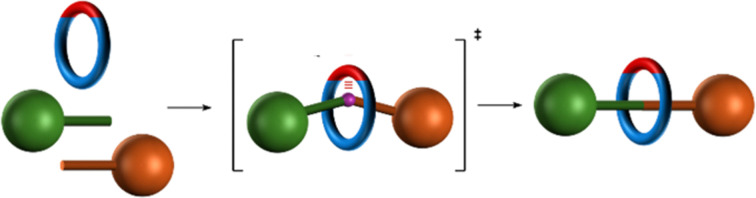 Figure 50
Peer Reviews
No public reviews on file for this paper yet. If you reviewed it on a platform where reviews are public (OpenReview, ICLR, NeurIPS, ICML), you can paste yours below so the community can read it here.
Videos
No videos yet. Explain this paper in a talk, walkthrough, or lecture? Add one.
Taxonomy
Topicssemigroups and automata theory · Advanced Algebra and Logic · Natural Language Processing Techniques