The Role of Plain CT in Assessing and Estimating Normal Values of Pericardial Fat Pad Thickness and Their Correlation With Patient’s Age, Gender, Body Weight, and Body Mass Index
Karthik Krishna Ramakrishnan, Michael Antony Vikram, Ajina Sam, Yuvaraj Muralidharan, Paarthipan Natarajan

TL;DR
This study uses CT scans to measure pericardial fat in South Indians and finds it increases with age, weight, and is thicker in males, offering insights into cardiovascular risk.
Contribution
Provides population-specific reference values for pericardial fat thickness in South Indians and its correlation with age, gender, weight, and BMI.
Findings
Pericardial fat thickness increased with age, from 4.2 mm in 18-35 years to 6.4 mm in 51-70 years.
Males had a higher average pericardial fat thickness (5.6 mm) compared to females (5.0 mm).
Body weight showed a positive correlation with pericardial fat thickness, increasing from 4.5 mm to 6.7 mm across weight ranges.
Abstract
Introduction The pericardial fat pad, located anteriorly to the heart between the pericardium and myocardium, has garnered significant interest in cardiovascular research due to its potential role in the pathophysiology of various cardiac conditions. Despite its proximity to the myocardium, it is distinct from the epicardial fat depot found between the myocardium and the visceral layer of the pericardium. Studies have shown that excess pericardial fat is associated with an increased risk of heart failure and other cardiovascular diseases. Non-contrast computed tomography (CT) is a reliable, non-invasive method for assessing pericardial fat pad thickness, offering less radiation exposure compared to other imaging modalities. Establishing standardized measurements for pericardial fat pad thickness is essential, particularly for the South Indian population, which may exhibit unique…
Genes, proteins, chemicals, diseases, species, mutations and cell lines named across the full text — each resolved to its canonical identifier and authoritative record.
Click any figure to enlarge with its caption.
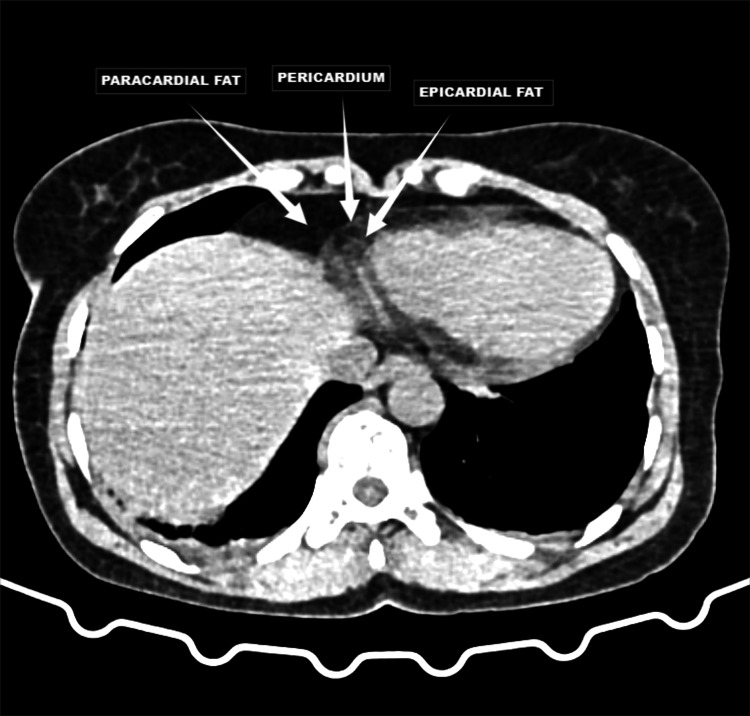 Figure 1
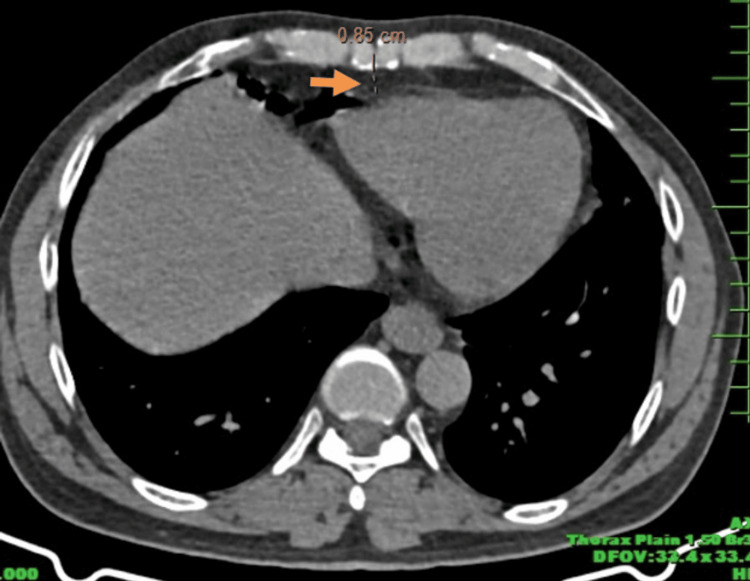 Figure 2
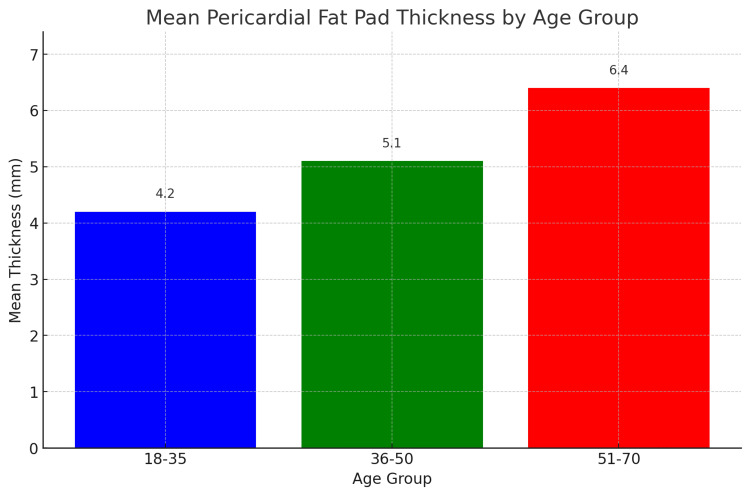 Figure 3
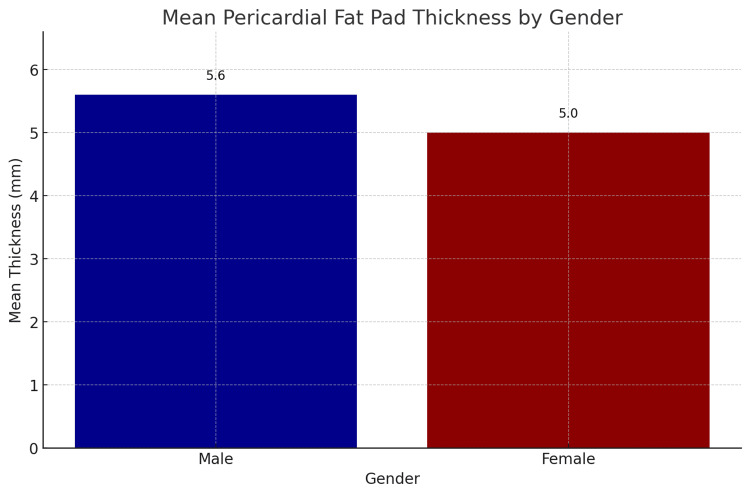 Figure 4
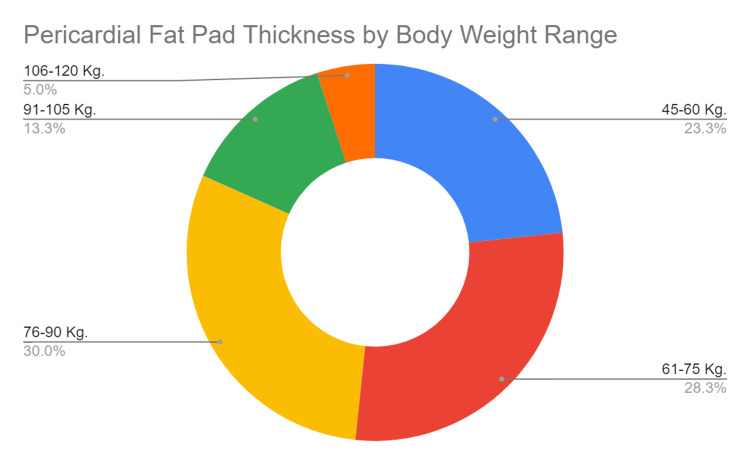 Figure 5
Peer Reviews
No public reviews on file for this paper yet. If you reviewed it on a platform where reviews are public (OpenReview, ICLR, NeurIPS, ICML), you can paste yours below so the community can read it here.
Videos
No videos yet. Explain this paper in a talk, walkthrough, or lecture? Add one.
Taxonomy
TopicsCardiovascular Disease and Adiposity · Cardiovascular Effects of Exercise · Cardiovascular Function and Risk Factors