Antibody-Based Array for Tacrolimus Immunosuppressant Monitoring with Planar Plastic Waveguides Activated with an Aminodextran-Lipase Conjugate
Bettina Glahn-Martínez, Sonia Herranz, Elena Benito-Peña, Guillermo Orellana, Maria C. Moreno-Bondi

TL;DR
Researchers developed a new biosensor using modified plastic surfaces to detect very low levels of the immunosuppressant drug tacrolimus.
Contribution
A novel surface modification technique using an aminodextran-lipase conjugate enables sensitive detection of tacrolimus.
Findings
The ADLC modification allows for efficient conjugation of small molecules like tacrolimus.
The biosensor achieved a detection limit of 0.02 ng/mL and a wide dynamic range.
The method is fast, simple, and reproducible for point-of-care applications.
Abstract
Cyclic olefin copolymers (COC; e.g., Zeonor, Topas, Arton, etc.) are materials with outstanding properties for developing point-of-care systems; however, the lack of functional groups in their native form makes their application challenging. This work evaluates different strategies to functionalize commercially available Zeonor substrates, including oxygen plasma treatment, photochemical grafting, and direct surface amination using an amino dextran-lipase conjugate (ADLC). The modified surfaces were characterized by contact angle measurements, Fourier transform infrared-attenuated total reflection analysis, and fluorescence assays based on evanescent wave excitation. The bioaffinity activation through the ADLC approach results in a fast, simple, and reproducible approach that can be used further to conjugate carboxylated small molecules (e.g., haptens). The usefulness of this approach…
Genes, proteins, chemicals, diseases, species, mutations and cell lines named across the full text — each resolved to its canonical identifier and authoritative record.
Click any figure to enlarge with its caption.
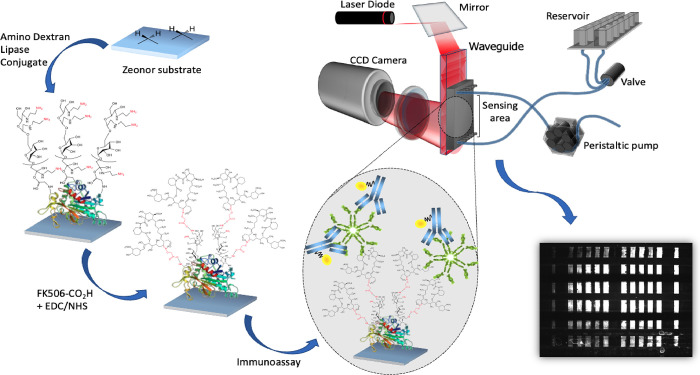 Figure 1
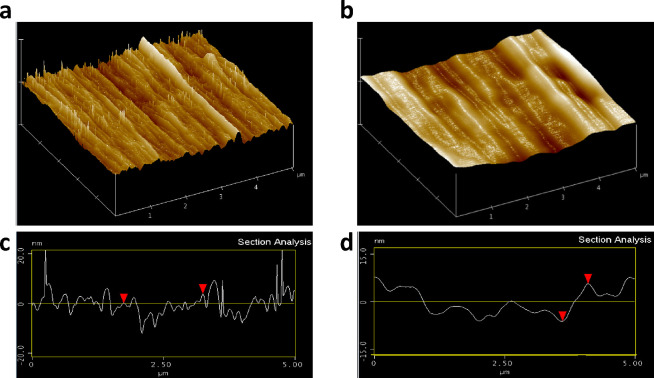 Figure 2
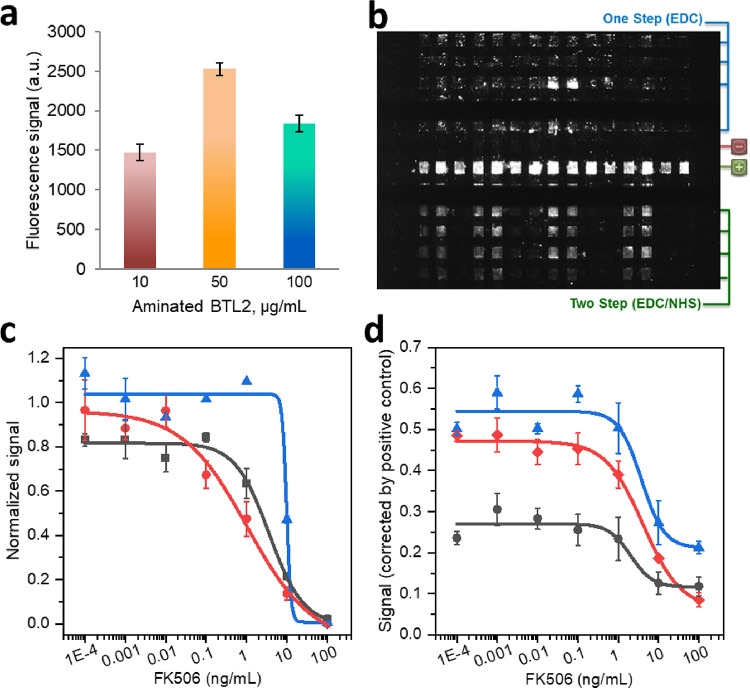 Figure 3
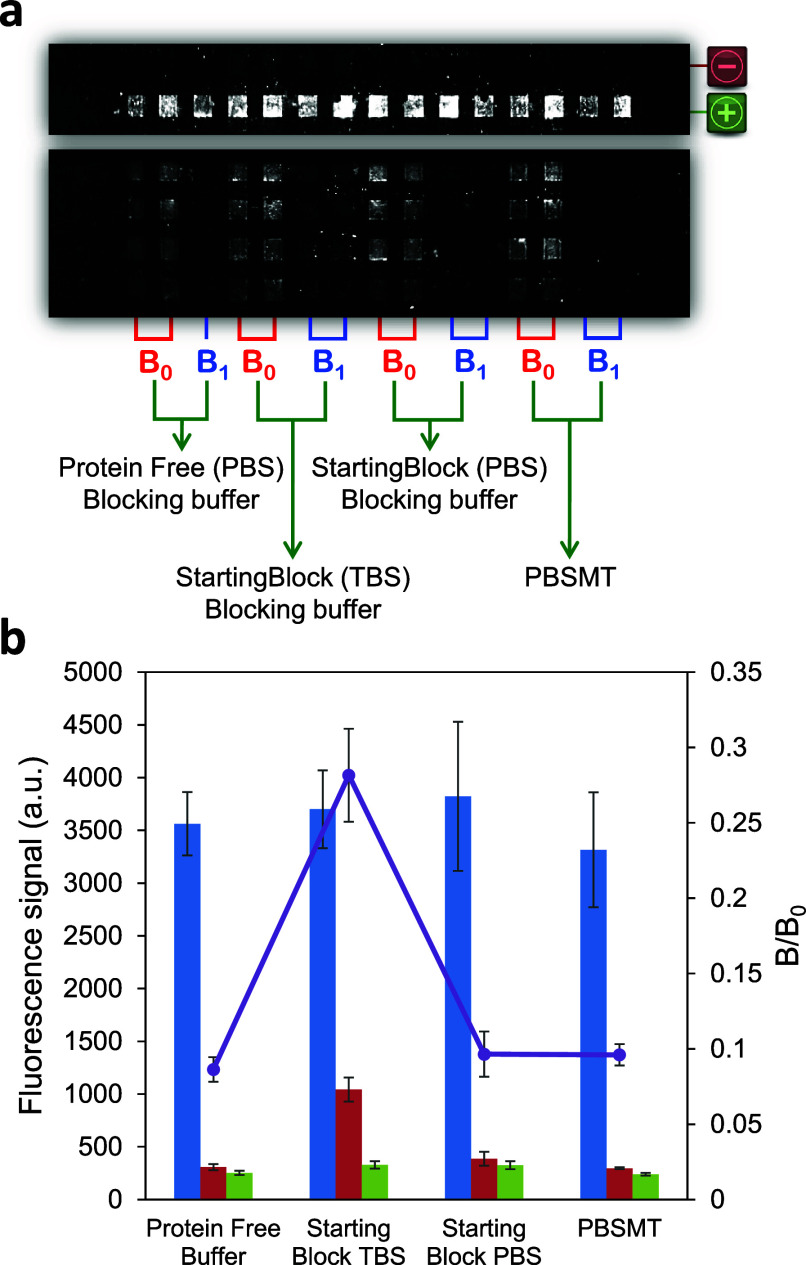 Figure 4
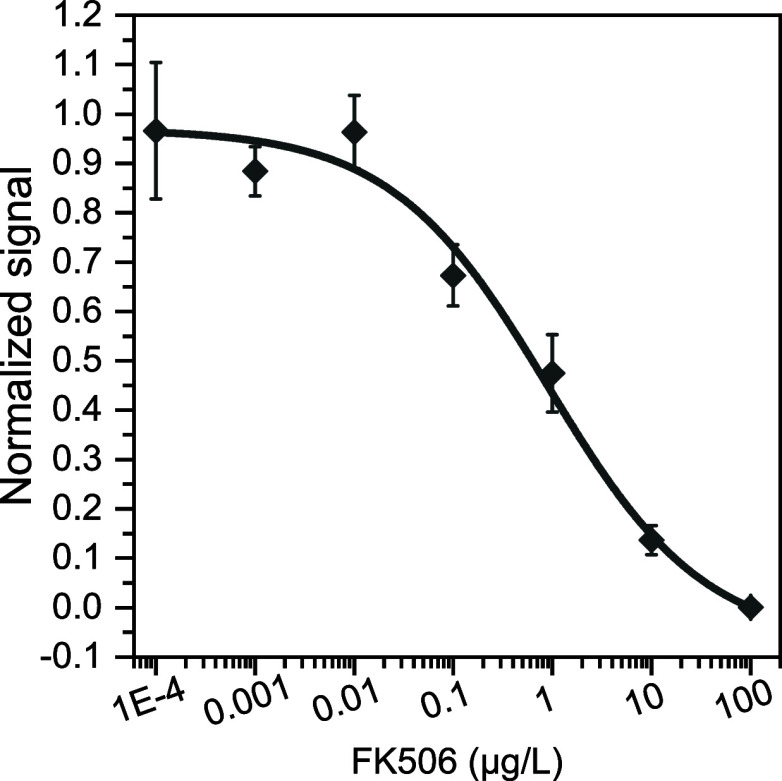 Figure 5
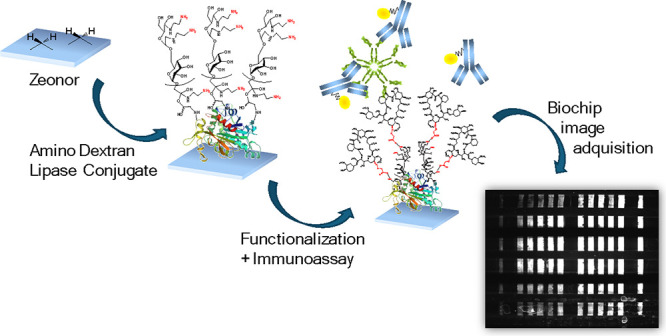 Figure 6
 Figure 7
 Figure 8
Peer Reviews
No public reviews on file for this paper yet. If you reviewed it on a platform where reviews are public (OpenReview, ICLR, NeurIPS, ICML), you can paste yours below so the community can read it here.
Videos
No videos yet. Explain this paper in a talk, walkthrough, or lecture? Add one.
Taxonomy
TopicsMicrofluidic and Capillary Electrophoresis Applications · Nanofabrication and Lithography Techniques · Advanced biosensing and bioanalysis techniques