Psychometric properties of lift and carry test in assessing people with stroke
Peiming Chen, Mimi M. Y Tse, Shamay S.M. Ng, Leo C. M. Ho, Anthony T. C. Kwok, Sam C. Y. Lam, Tai Wa Liu, Thomson W. L. Wong, Billy C. L. So, Cynthia Y. Y. Lai

TL;DR
The Lift and Carry Test is a reliable and effective tool for assessing functional ability in people with stroke and distinguishing them from healthy individuals.
Contribution
The study establishes the Lift and Carry Test as a valid clinical tool for stroke assessment with strong psychometric properties.
Findings
People with stroke took significantly longer to complete the Lift and Carry Test compared to healthy controls.
The Lift and Carry Test showed excellent reliability and strong correlations with balance and mobility measures.
A cut-off time of 15.48 seconds effectively differentiates stroke patients from healthy controls with high sensitivity and specificity.
Abstract
To investigate the psychometric properties of the Lift and Carry Test (LCT) time in people with stroke. Cross-sectional design. University based neurorehabilitation laboratory. Twenty-four people with stroke and 24 healthy controls. Lift and Carry Test (LCT), Fugl-Meyer Assessment of upper extremity and lower extremity, ankle dorsiflexor and plantarflexor muscle strength, Berg Balance Scale (BBS), Timed Up and Go (TUG) and Community Integration Measure. The mean LCT time (29.70s) in people with stroke was more than double of that in healthy controls (13.70s). The LCT showed excellent intra-rater, inter-rater and test–retest reliability [intraclass correlation coefficient (ICC) = 0.943–1.000]. The LCT times demonstrated a significant negative correlation with the BBS score (rs = −0.771) and significant positive correlations with the TUG times (rs = 0.933). There was no significant…
Genes, proteins, chemicals, diseases, species, mutations and cell lines named across the full text — each resolved to its canonical identifier and authoritative record.
Click any figure to enlarge with its caption.
 Figure 1
 Figure 2
 Figure 3
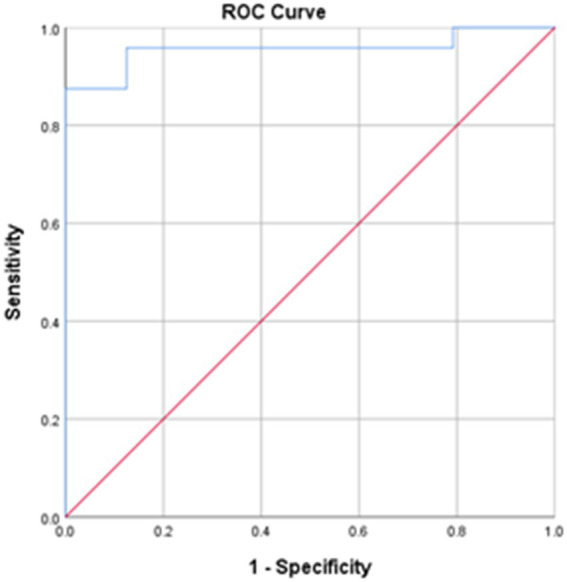 Figure 4
Peer Reviews
No public reviews on file for this paper yet. If you reviewed it on a platform where reviews are public (OpenReview, ICLR, NeurIPS, ICML), you can paste yours below so the community can read it here.
Videos
No videos yet. Explain this paper in a talk, walkthrough, or lecture? Add one.
Taxonomy
TopicsStroke Rehabilitation and Recovery · Cerebral Palsy and Movement Disorders · Botulinum Toxin and Related Neurological Disorders