Occupational Lung Disease Causing Allergic Bronchopulmonary Aspergillosis: A Case Report
E. Ramya Shree, Deepan Kumar T, C. H. Naga Sekhar, Krishnaswamy Madhavan, J. S. Kumar

TL;DR
This case report describes a man who was misdiagnosed for a year before being correctly identified with a lung disease caused by a fungal infection.
Contribution
The paper highlights the diagnostic challenges of ABPA in regions with high tuberculosis prevalence through a real-world case.
Findings
ABPA was misdiagnosed as tuberculosis in an Indian patient for one year.
The patient recovered successfully after a correct diagnosis of ABPA.
The case underscores the need for improved diagnostic approaches in similar regions.
Abstract
Aspergillus fumigatus can induce allergic bronchopulmonary aspergillosis (ABPA), an immunological hypersensitivity reaction that frequently exacerbates the symptoms of cystic fibrosis and asthma patients. Due to persistent symptoms, a considerable percentage of patients with ABPA in India, a country where tuberculosis is widespread, are initially misdiagnosed as having pulmonary tuberculosis. We present a case of ABPA in a male industry worker, who was diagnosed after one year of having symptoms and has successfully recovered since.
Genes, proteins, chemicals, diseases, species, mutations and cell lines named across the full text — each resolved to its canonical identifier and authoritative record.
Click any figure to enlarge with its caption.
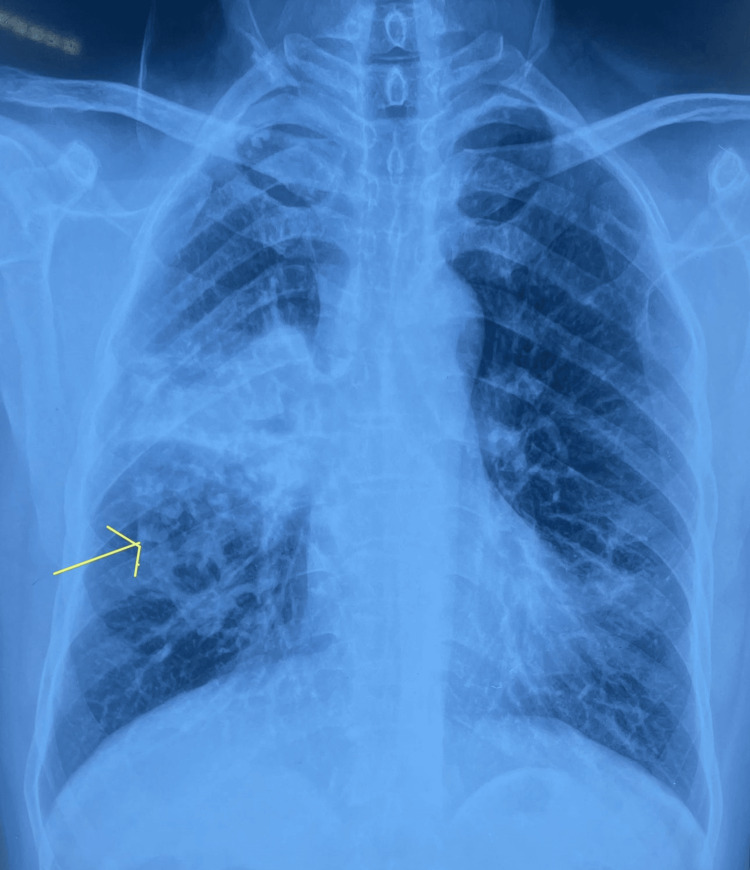 Figure 1
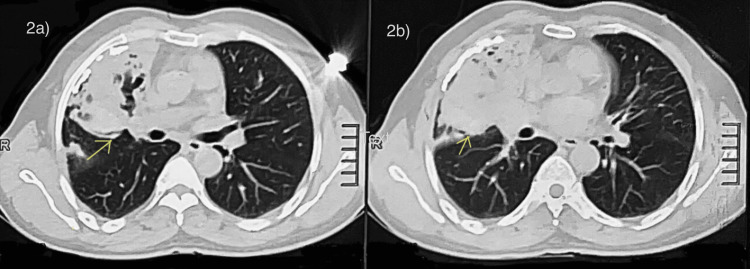 Figure 2
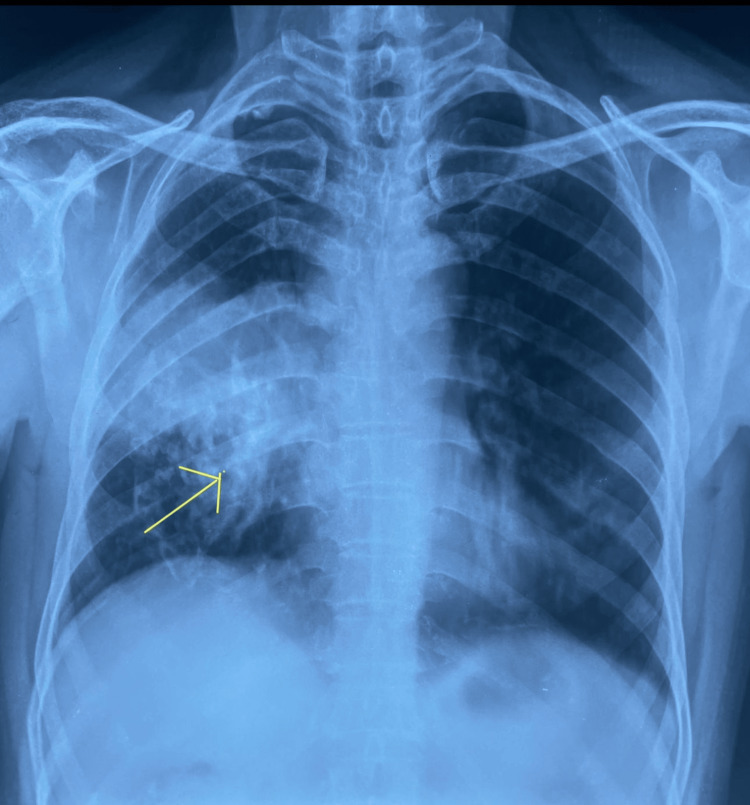 Figure 3
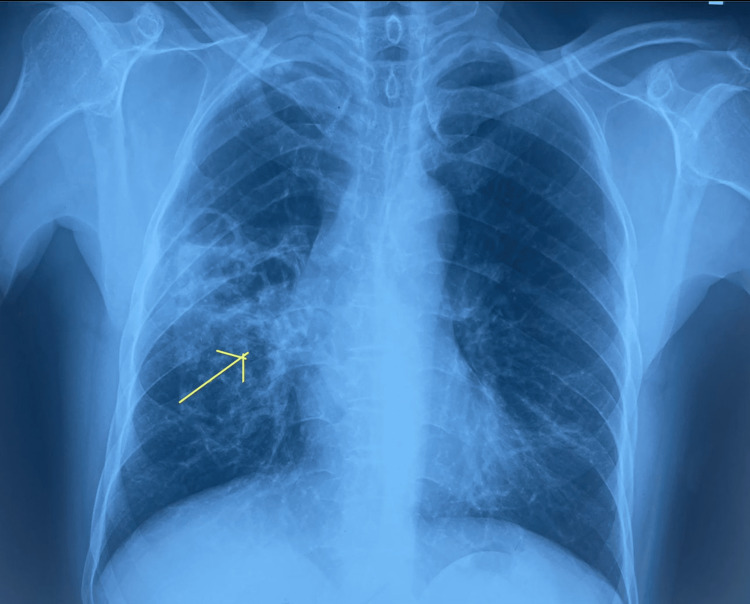 Figure 4
Peer Reviews
No public reviews on file for this paper yet. If you reviewed it on a platform where reviews are public (OpenReview, ICLR, NeurIPS, ICML), you can paste yours below so the community can read it here.
Videos
No videos yet. Explain this paper in a talk, walkthrough, or lecture? Add one.
Taxonomy
TopicsEthics and bioethics in healthcare · Palliative Care and End-of-Life Issues · Palliative and Oncologic Care