Navigating the Labyrinth: Chylothorax and Chylous Ascites Unveiled After Abdominal Surgery for an Exceptionally Rare Tumor
Anam Umar, Amber E Faquih, Muhammad Bilal, Jeffery Garner

TL;DR
A rare adrenal tumor led to complications after surgery, requiring a multidisciplinary approach for diagnosis and treatment.
Contribution
This case highlights the rare occurrence of chylous complications following adrenal schwannoma surgery.
Findings
Adrenal schwannomas are exceedingly rare, comprising less than 1% of adrenal tumors.
Post-surgical chylous ascites and chylothorax can occur following adrenal schwannoma removal.
A multidisciplinary approach is essential for managing such rare postoperative complications.
Abstract
Schwannomas, originating from the Schwann sheath of peripheral or cranial nerves, are rare tumors commonly found in the head and neck or extremities. Adrenal schwannomas, however, are exceedingly rare, accounting for less than 1% of all adrenal tumors. Here, we present a case of a 31-year-old Caucasian woman diagnosed with an adrenal schwannoma, which was incidentally discovered during imaging studies for an unrelated issue. Following laparoscopic adrenalectomy, the patient developed chylous ascites (CA) and coexistent chylothorax, posing a diagnostic challenge and necessitating a multidisciplinary approach to management.
Genes, proteins, chemicals, diseases, species, mutations and cell lines named across the full text — each resolved to its canonical identifier and authoritative record.
Click any figure to enlarge with its caption.
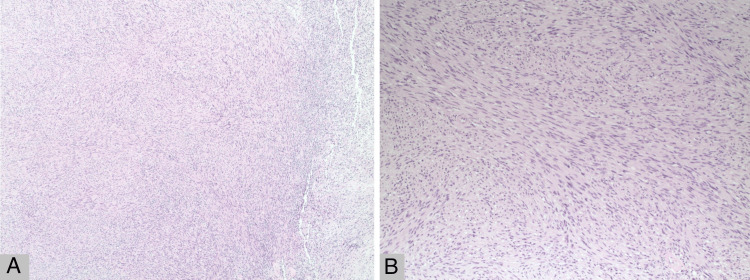 Figure 1
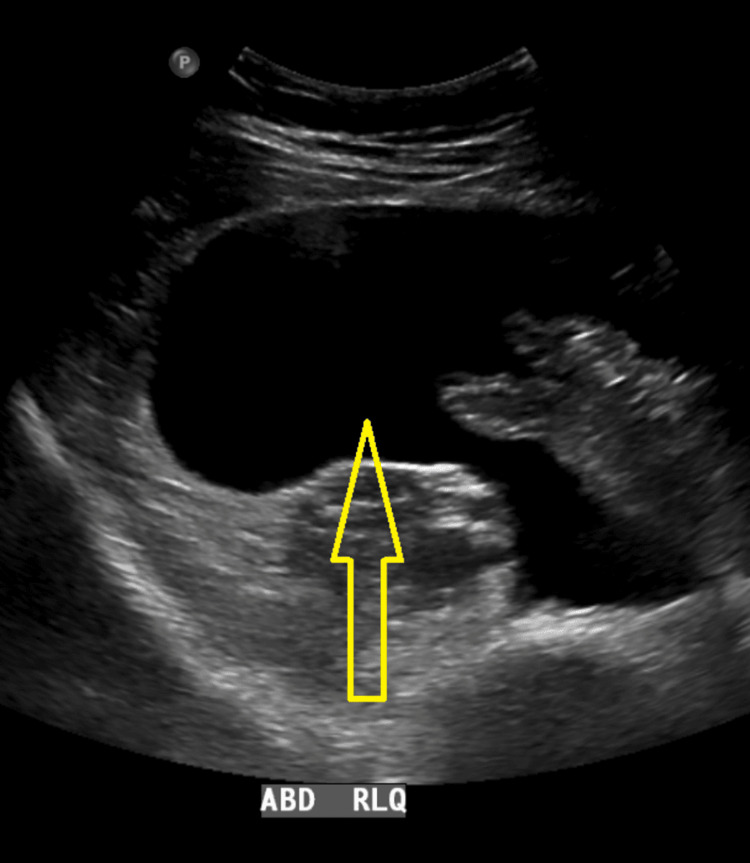 Figure 2
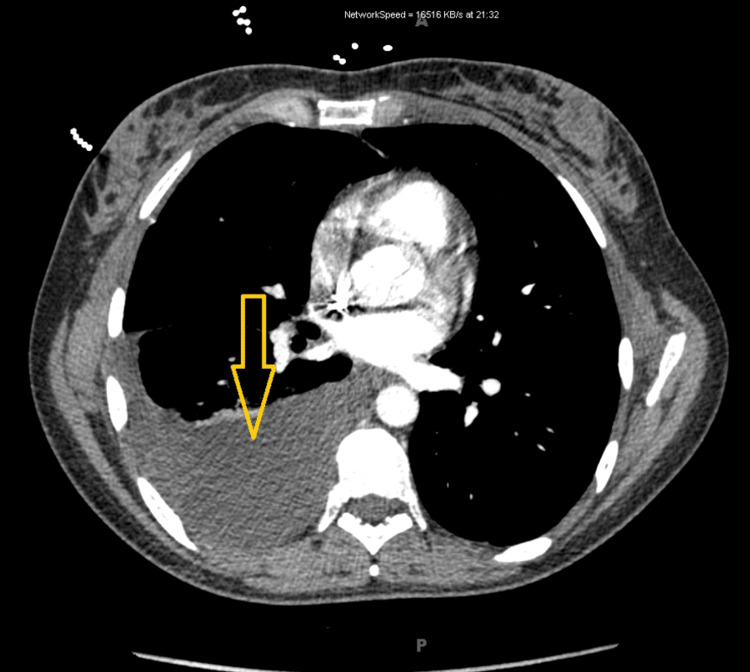 Figure 3
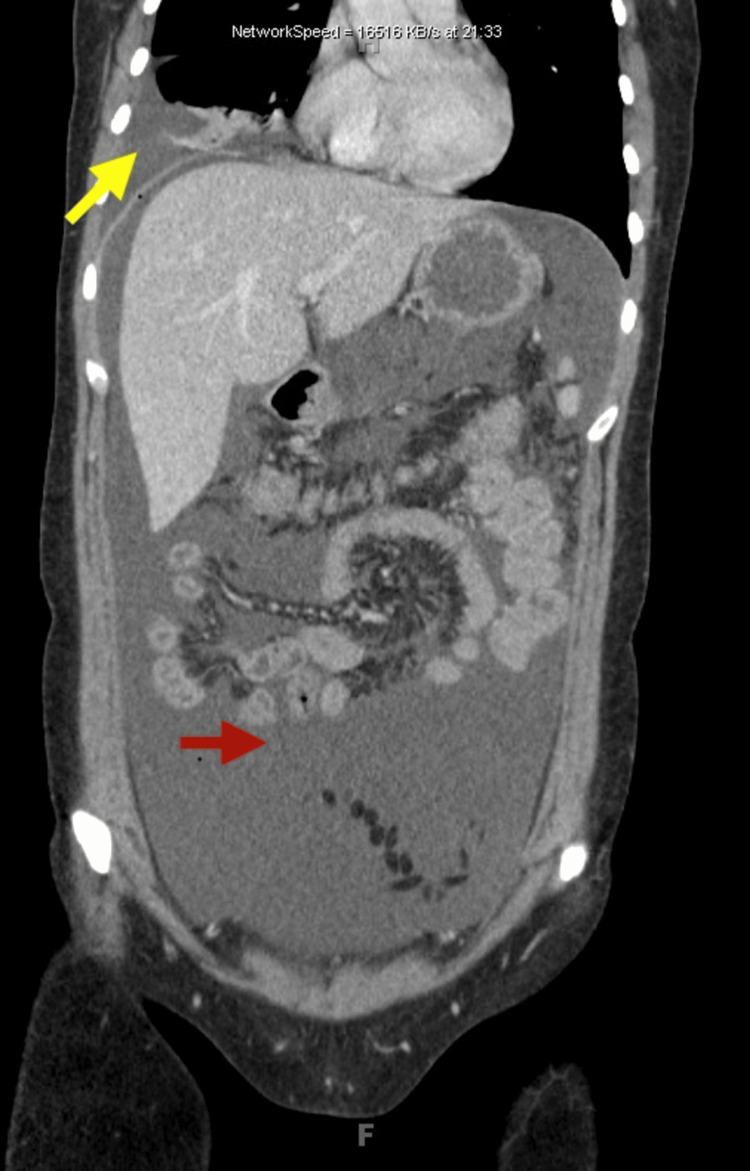 Figure 4
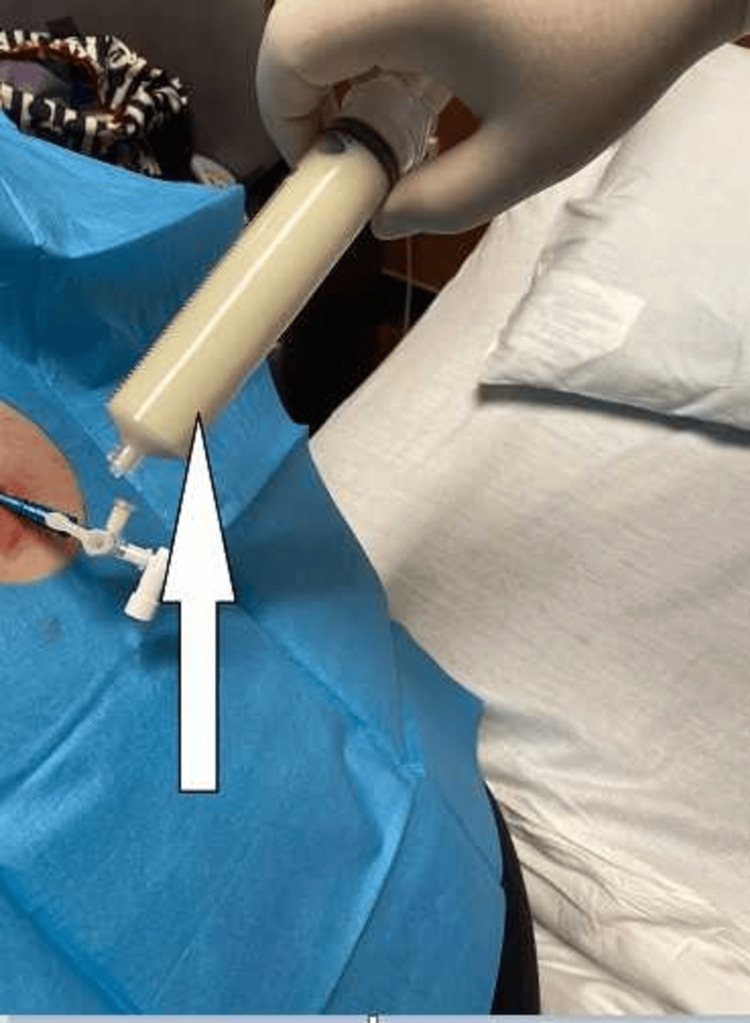 Figure 5
Peer Reviews
No public reviews on file for this paper yet. If you reviewed it on a platform where reviews are public (OpenReview, ICLR, NeurIPS, ICML), you can paste yours below so the community can read it here.
Videos
No videos yet. Explain this paper in a talk, walkthrough, or lecture? Add one.
Taxonomy
TopicsLymphatic Disorders and Treatments · Myasthenia Gravis and Thymoma · Vascular Malformations and Hemangiomas