Effects of metal oxide inhalation on the transcription of some hormone receptors in the brain, examined in an in vivo mouse model
David Sandor Kiss, Istvan Toth, Tibor Bartha, Akos Jerzsele, Attila Zsarnovszky, Erzsebet Pasztine Gere, Silvia Ondrasovicova, Petra Varro, Csaba Kovago

TL;DR
This study shows that inhaling metal oxide nanoparticles from welding fumes can disrupt hormone receptor activity in the mouse brain, especially in the hypothalamus and olfactory bulb.
Contribution
The study reveals region-specific and time-dependent changes in hormone receptor transcription in the brain after welding fume exposure.
Findings
The hypothalamus and olfactory bulb showed significant changes in estrogen, thyroid, and PPAR receptor expression after welding fume exposure.
ERβ, TRα, and PPARγ upregulation suggests a compensatory neuroprotective response to neuroinflammation.
Findings support the theory that metal oxides reach the CNS via the lungs-blood-BBB pathway, making certain brain regions more vulnerable.
Abstract
Respirable metal oxide nanoparticles in welding fumes pose significant health risks upon inhalation, potentially leading to neurodegenerative diseases. While the exact mechanisms remain unclear, it is evident that metal oxide nanoparticles can disrupt cellular functions, including metabolism and inflammatory responses after crossing the blood–brain barrier (BBB). Our study investigates the impact of manual metal arc welding fumes on hormone receptor transcription in an in vivo mouse model. After collecting samples from six different brain regions at 24 and 96 h upon exposure, we focused on expression levels of estrogen receptors (ERs), thyroid hormone receptors (TRs), and peroxisome proliferator-activated receptors (PPARs) due to their roles in modulating neuroprotective responses and neuroinflammatory processes. Analysis revealed differential susceptibility of brain regions to hormonal…
Genes, proteins, chemicals, diseases, species, mutations and cell lines named across the full text — each resolved to its canonical identifier and authoritative record.
Click any figure to enlarge with its caption.
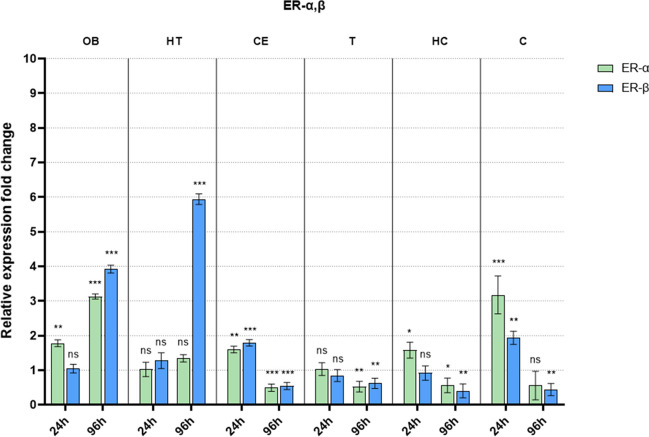 Figure 1
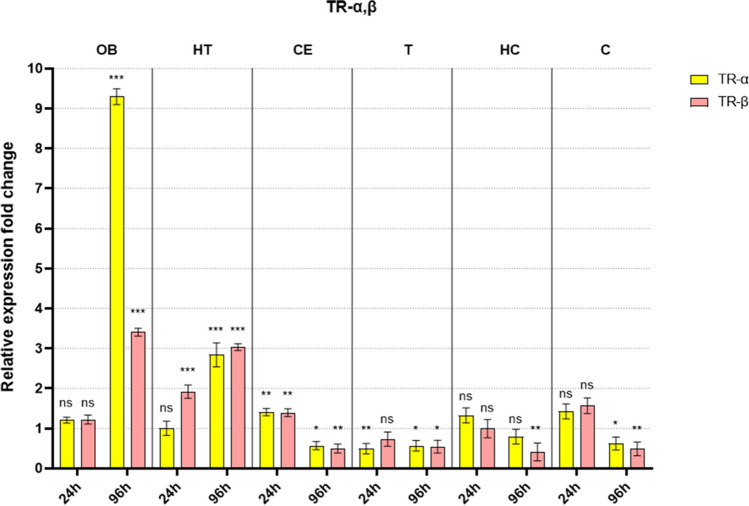 Figure 2
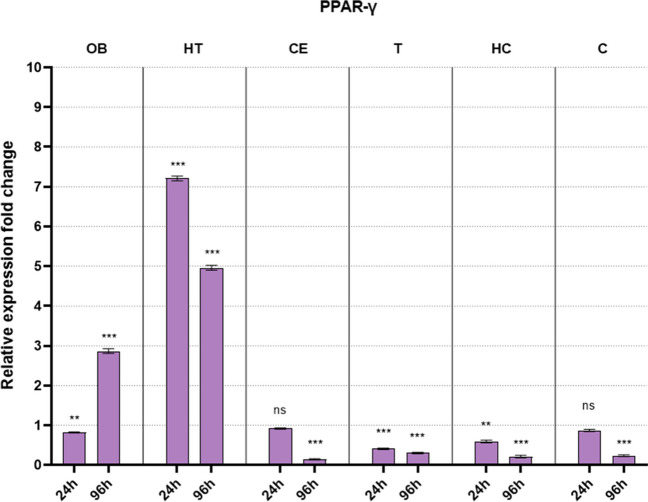 Figure 3
Peer Reviews
No public reviews on file for this paper yet. If you reviewed it on a platform where reviews are public (OpenReview, ICLR, NeurIPS, ICML), you can paste yours below so the community can read it here.
Videos
No videos yet. Explain this paper in a talk, walkthrough, or lecture? Add one.
Taxonomy
TopicsAnesthesia and Neurotoxicity Research · Birth, Development, and Health · Heavy Metal Exposure and Toxicity