Modelling passive sampling of hydrophilic compounds under time-variable aqueous concentrations
Benjamin Becker, Christian Kochleus, Denise Spira, Julia Bachtin, Fabian König, Stefan Meinecke, Christel Möhlenkamp, Kees Booij

TL;DR
This study evaluates how well passive samplers capture fluctuating concentrations of water-soluble compounds in aquatic environments.
Contribution
The study introduces a comparison of two models for analyzing passive sampling under time-variable concentrations.
Findings
The diffusion model provided better data fits than the sampling rate model, though differences were small.
SDB-RPS samplers with a polyethersulfone membrane performed best despite some lag times.
Biofouling affected all compounds similarly, consistent with a 150 µm thick layer.
Abstract
Passive sampling is a crucial method for evaluating concentrations of hydrophilic organic compounds in the aquatic environment, but it is insufficiently understood to what extent passive samplers capture the intermittent emissions that frequently occur for this group of compounds. In the present study, silicone sheets and styrene-divinyl benzene-reversed phase sulfonated extraction disks with and without a polyethersulfone membrane were exposed under semi-field conditions in a 31 m3 flume at three different flow velocities. Natural processes and spiking/dilution measures caused aqueous concentrations to vary strongly with time. The data were analyzed using two analytical models that account for these time-variable concentrations: a sampling rate model and a diffusion model. The diffusion model generally gave a better fit of the data than the sampling rate model, but the difference in…
Genes, proteins, chemicals, diseases, species, mutations and cell lines named across the full text — each resolved to its canonical identifier and authoritative record.
Click any figure to enlarge with its caption.
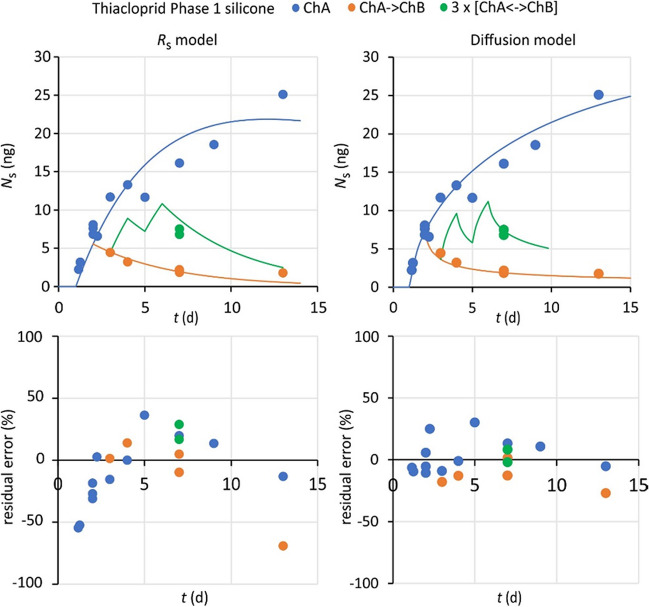 Figure 1
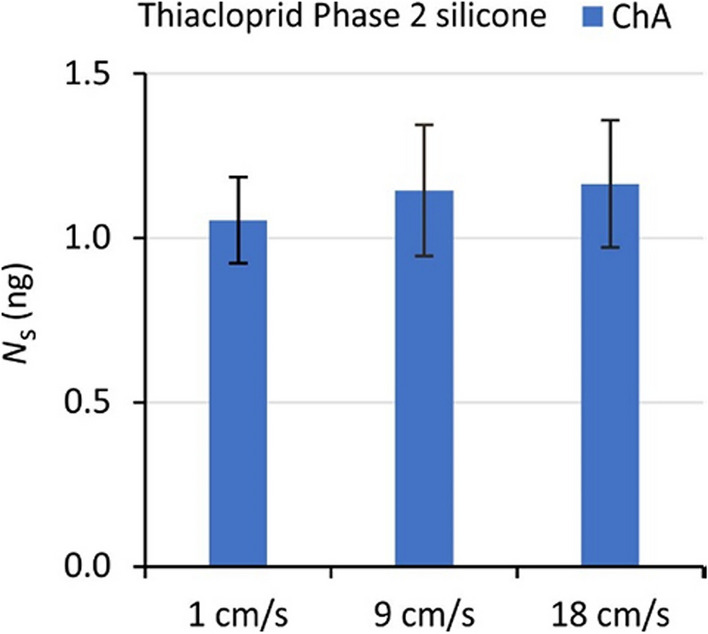 Figure 2
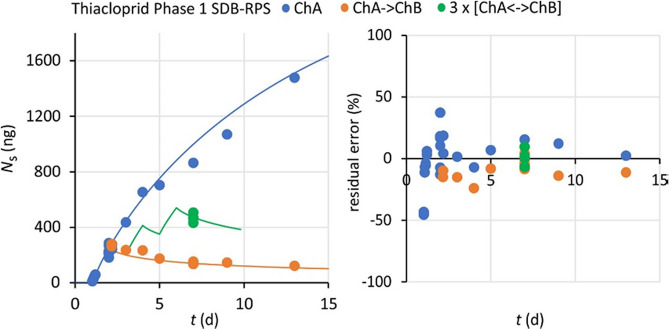 Figure 3
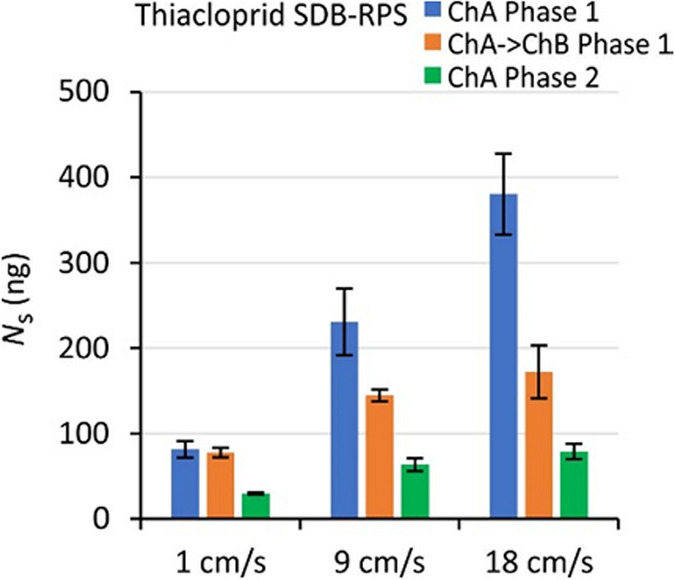 Figure 4
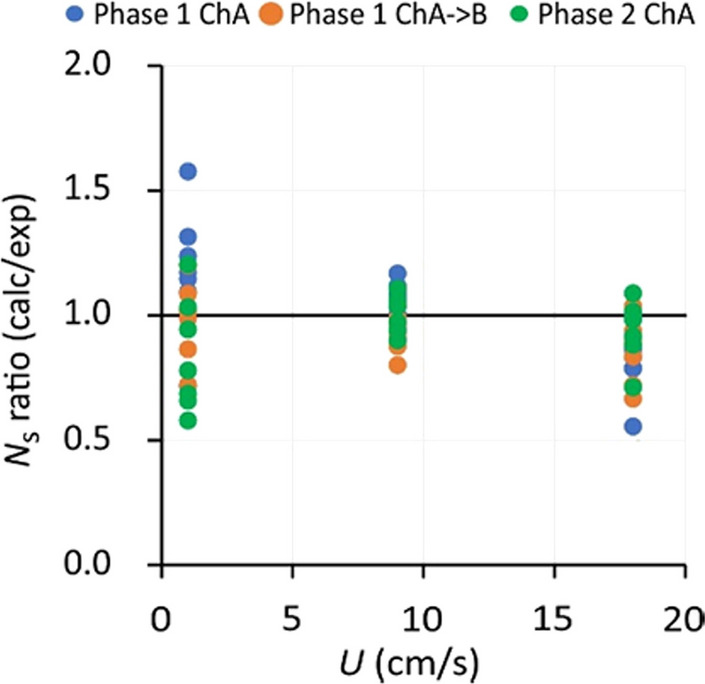 Figure 5
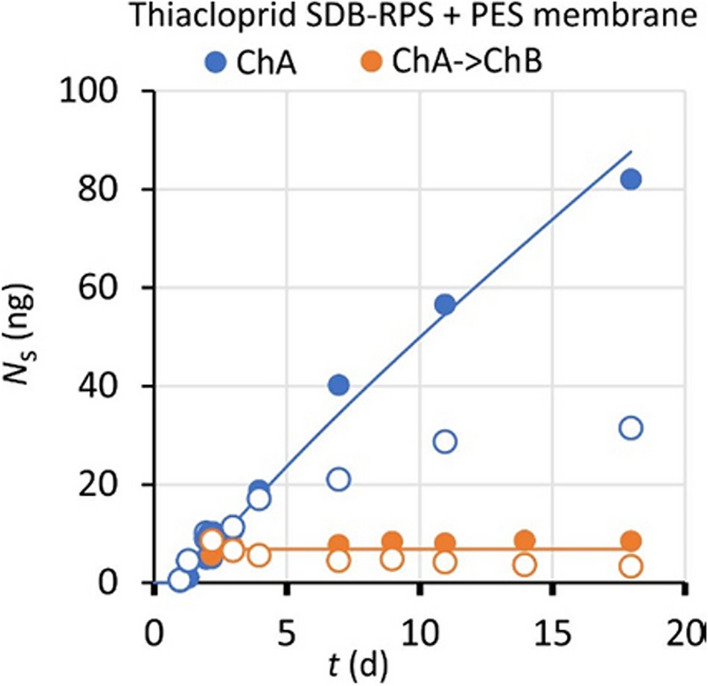 Figure 6
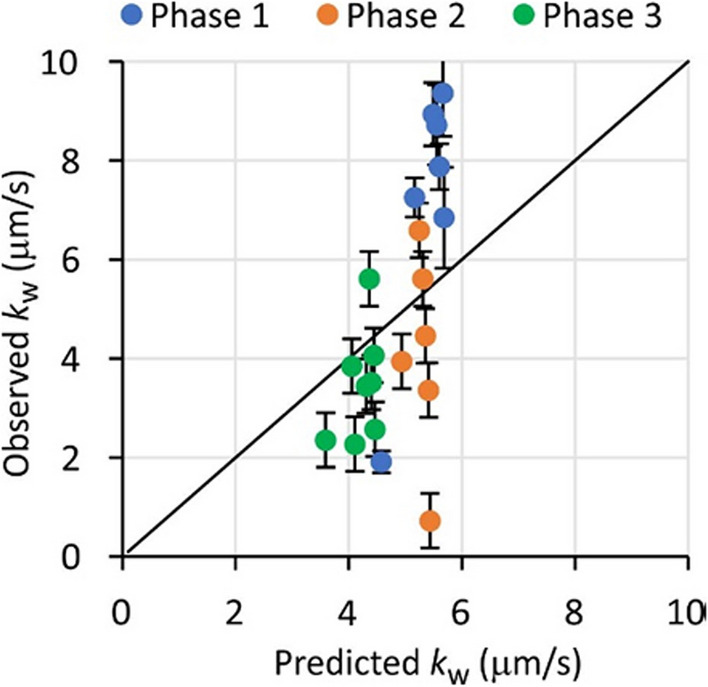 Figure 7
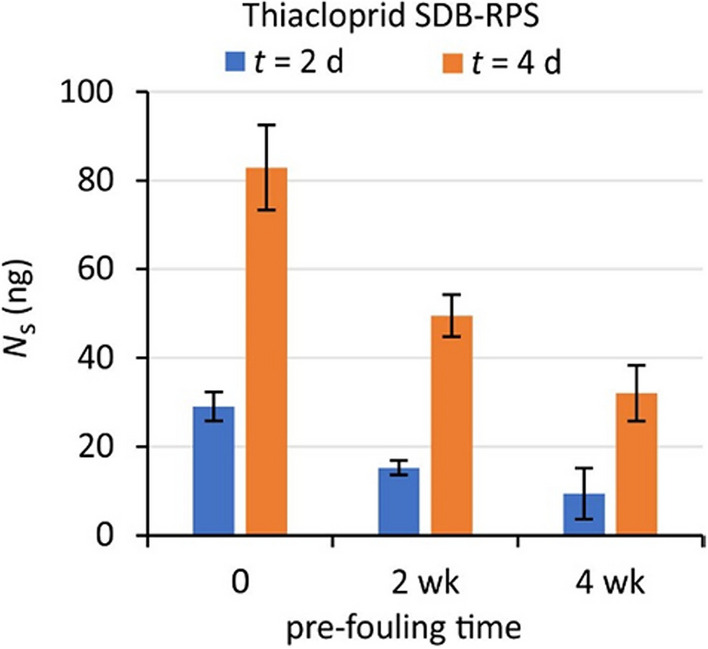 Figure 8
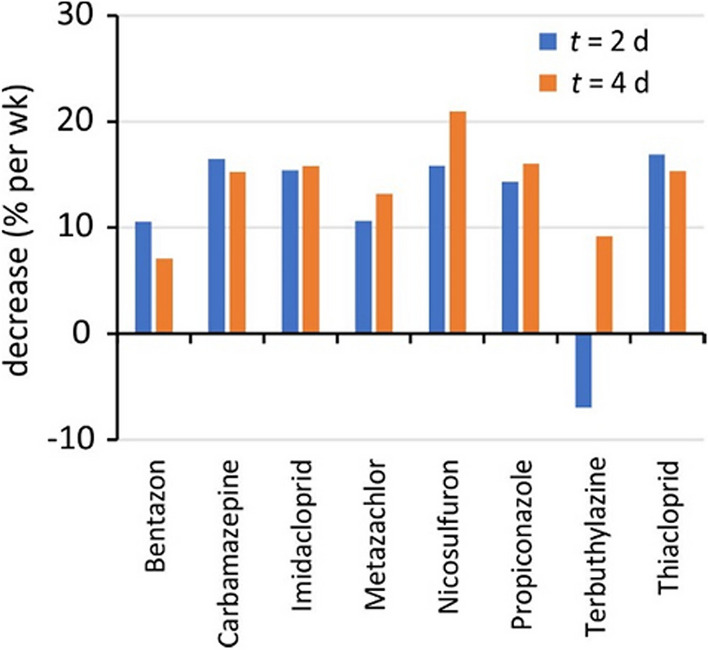 Figure 9
Peer Reviews
No public reviews on file for this paper yet. If you reviewed it on a platform where reviews are public (OpenReview, ICLR, NeurIPS, ICML), you can paste yours below so the community can read it here.
Videos
No videos yet. Explain this paper in a talk, walkthrough, or lecture? Add one.
Taxonomy
TopicsReproductive System and Pregnancy · Ovarian function and disorders