The novel family of Warbicin® compounds inhibits glucose uptake both in yeast and human cells and restrains cancer cell proliferation
Ward Vanthienen, Juan Fernández-García, Maria Francesca Baietti, Elisa Claeys, Frederik Van Leemputte, Long Nguyen, Vera Goossens, Quinten Deparis, Dorien Broekaert, Sophie Vlayen, Dominique Audenaert, Michel Delforge, Alessandro D’Amuri, Griet Van Zeebroeck, Eleonora Leucci

TL;DR
Warbicin® compounds inhibit glucose uptake in yeast and human cancer cells, potentially offering a new way to treat cancer by targeting the Warburg effect.
Contribution
Warbicin® compounds are the first drugs to inhibit glucose uptake by both yeast Hxt and mammalian GLUT carriers.
Findings
Warbicin® A restores growth on glucose in yeast tps1Δ mutants and inhibits cancer cell proliferation.
Warbicin® compounds interact with glucose carriers and hexokinase to control glucose uptake.
Specific concentrations of Warbicin® compounds do not cause major toxicity in mice but increase adipose tissue.
Abstract
Many cancer cells share with yeast a preference for fermentation over respiration, which is associated with overactive glucose uptake and breakdown, a phenomenon called the Warburg effect in cancer cells. The yeast tps1Δ mutant shows even more pronounced hyperactive glucose uptake and phosphorylation causing glycolysis to stall at GAPDH, initiation of apoptosis through overactivation of Ras and absence of growth on glucose. The goal of the present work was to use the yeast tps1Δ strain to screen for novel compounds that would preferentially inhibit overactive glucose influx into glycolysis, while maintaining basal glucose catabolism. This is based on the assumption that the overactive glucose catabolism of the tps1Δ strain might have a similar molecular cause as the Warburg effect in cancer cells. We have isolated Warbicin ® A as a compound restoring growth on glucose of the yeast…
Genes, proteins, chemicals, diseases, species, mutations and cell lines named across the full text — each resolved to its canonical identifier and authoritative record.
Click any figure to enlarge with its caption.
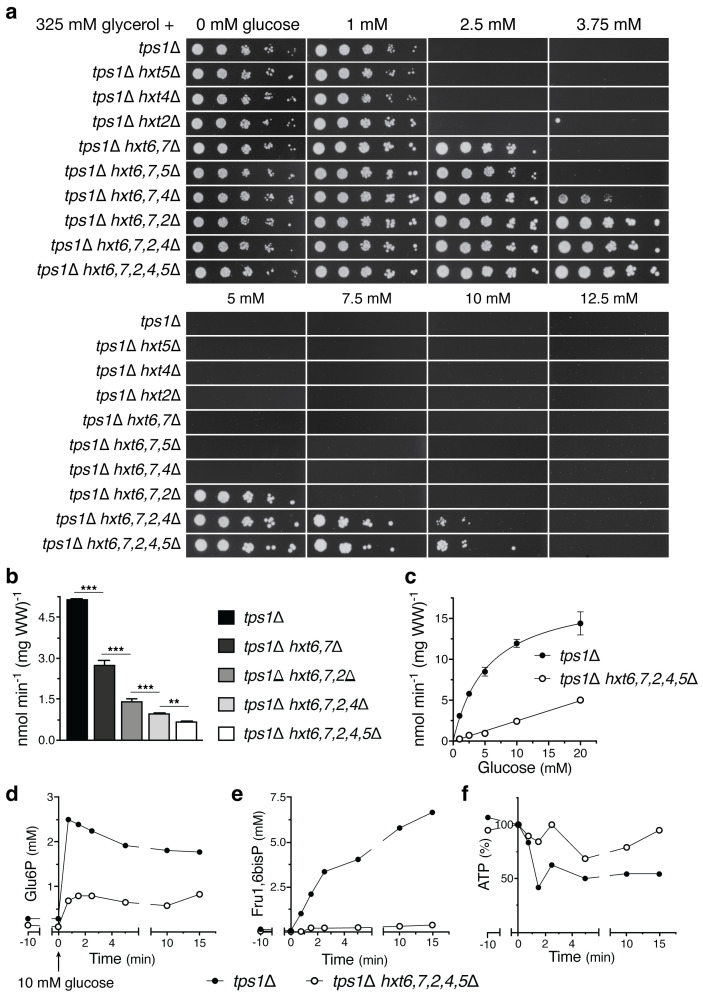 Figure 1
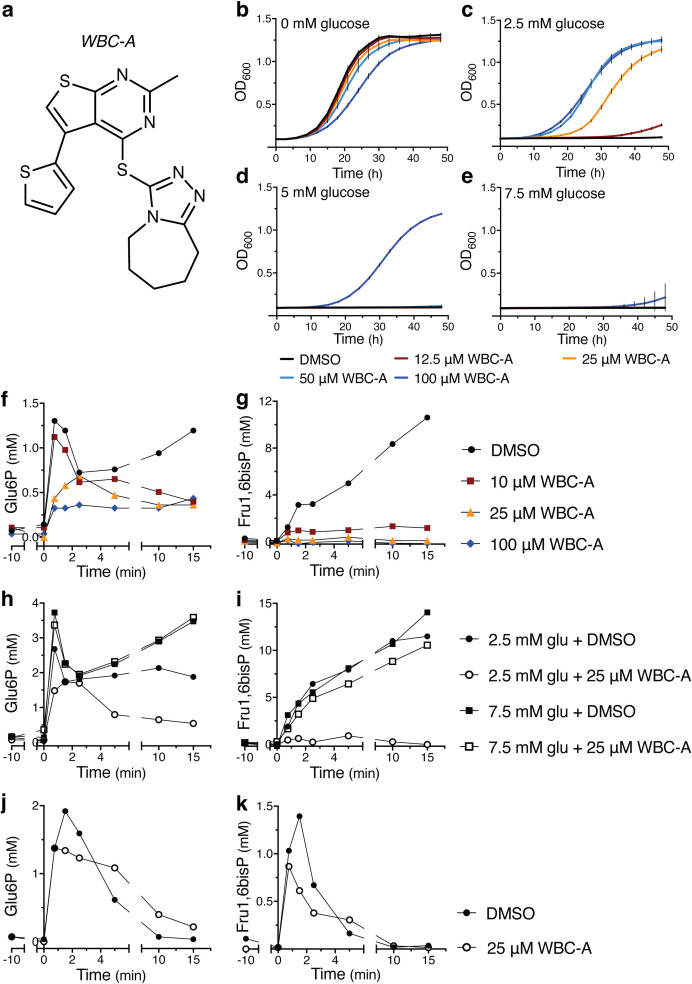 Figure 2
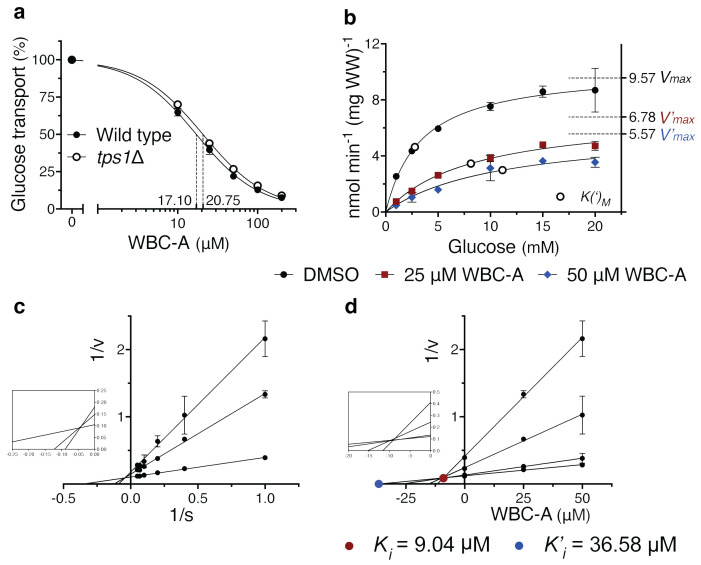 Figure 3
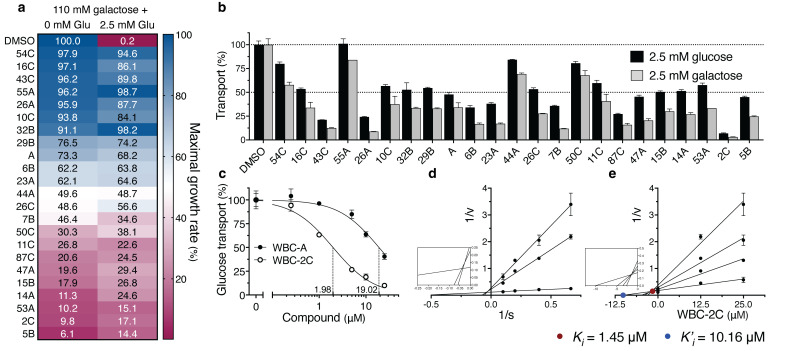 Figure 4
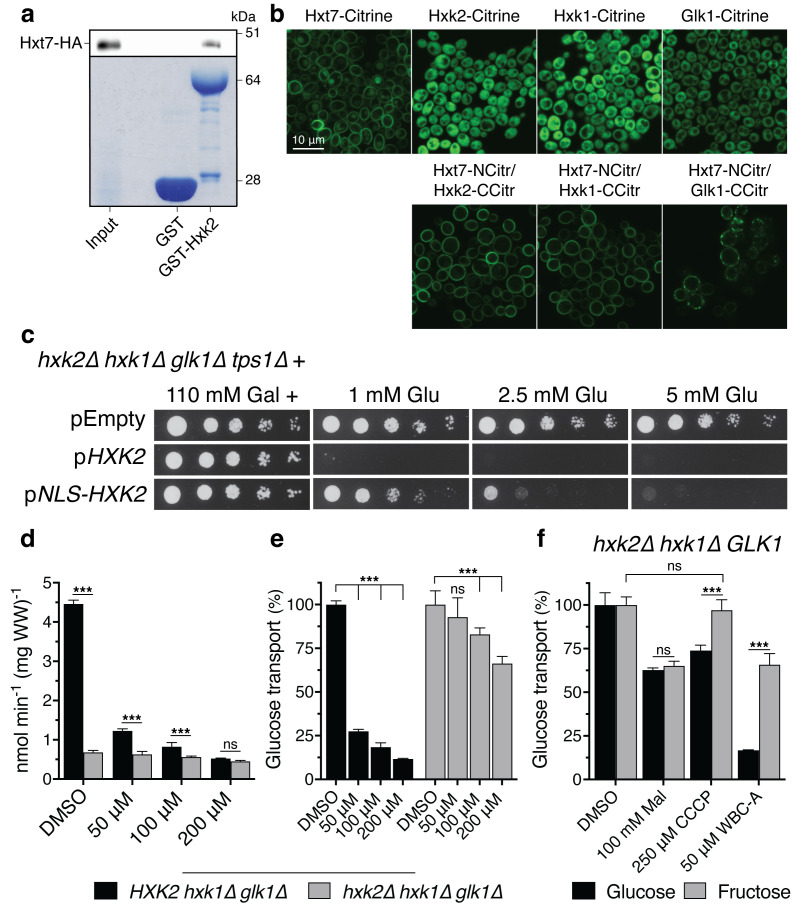 Figure 5
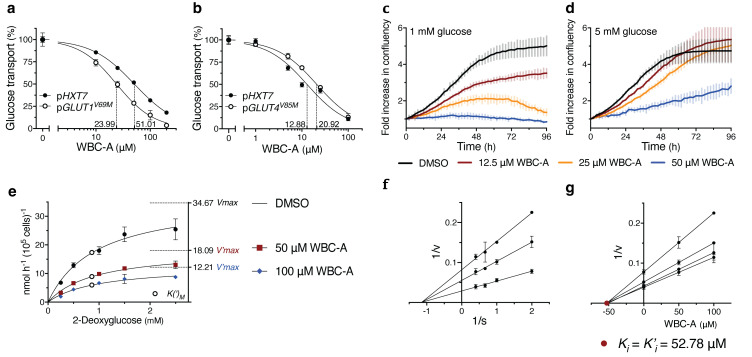 Figure 6
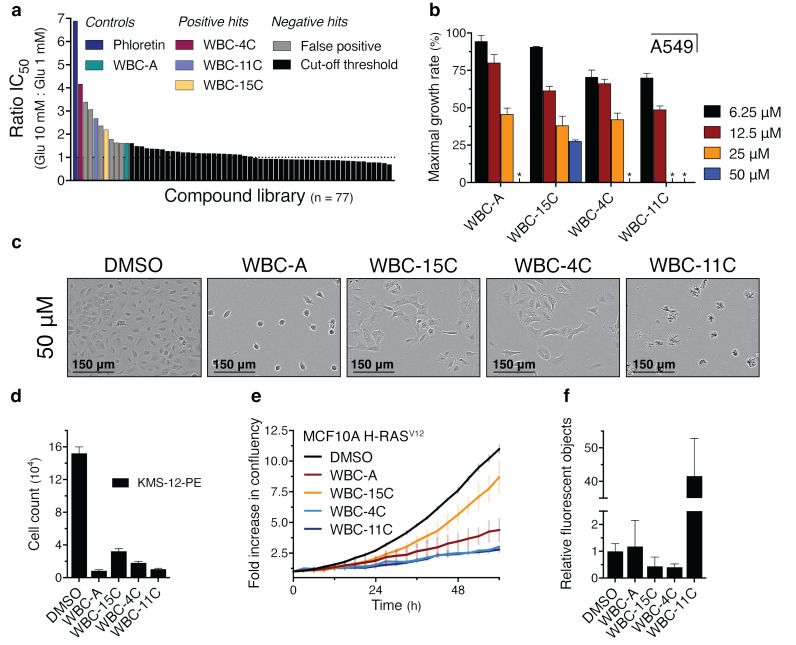 Figure 7
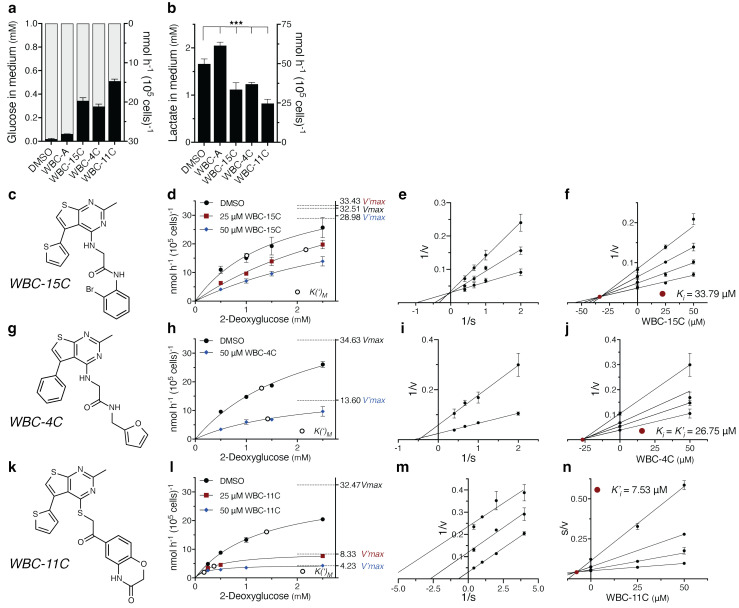 Figure 8
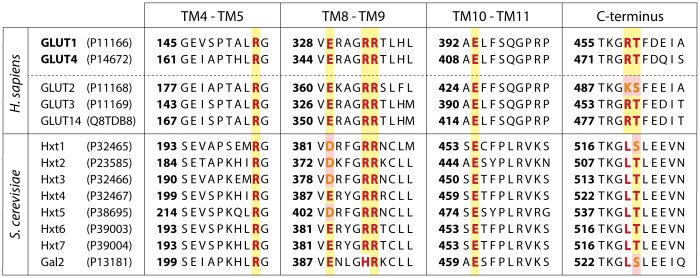 Figure 9
Peer Reviews
No public reviews on file for this paper yet. If you reviewed it on a platform where reviews are public (OpenReview, ICLR, NeurIPS, ICML), you can paste yours below so the community can read it here.
Videos
No videos yet. Explain this paper in a talk, walkthrough, or lecture? Add one.
Taxonomy
TopicsFungal and yeast genetics research · Cancer, Hypoxia, and Metabolism · Metabolism, Diabetes, and Cancer