Comparison of Bone Graft Preparations to Treat a Critical Bone Defect on a Rodent Animal Model
Rian Souza Vieira, Renan Ernesto Reis Borges, Daniel Guimarães Tiezzi, Antonio Carlos Shimano, Ariane Zamarioli, Helton Luiz Aparecido Defino

TL;DR
This study compares different ways to prepare bone grafts in rats to find the most effective treatment for critical bone defects.
Contribution
The study experimentally demonstrates that chopped bone grafts outperform macerated grafts in healing critical bone defects in rodent models.
Findings
Chopped bone grafts showed the highest percentage of bone defect fulfillment compared to simulated and macerated grafts.
Densitometry and nCT analyses revealed higher bone mass and significant bone regeneration in the chopped group.
Biomechanical tests indicated superior strength and stiffness in the chopped group at all timepoints.
Abstract
Objective Although autologous bone grafting is the most widely used treatment for bone defects, the most effective preparation remains unclear. This animal study aimed to compare different autologous bone grafting preparation for the treatment of rat́s calvaria critical bone defect. Methods 122 rats were randomly allocated into three groups: Simulado, Macerated and Chopped. The specimens underwent craniotomies at the top center of their calvarias with a 7mm diameter circumferential cutter drill. The critical bone defect produced was treated or not according to the group the specimen wasallocated. The rats were euthanized at 3, 6 or 12 weeks post-op and its calvarias were analyzed by histomorphometry, bone densitometry, nanocomputed tomography (nCT), and biomechanical tests. Results The histomorphometry analysis showed the highest percentage of fulfillment of the critical bone…
Genes, proteins, chemicals, diseases, species, mutations and cell lines named across the full text — each resolved to its canonical identifier and authoritative record.
Click any figure to enlarge with its caption.
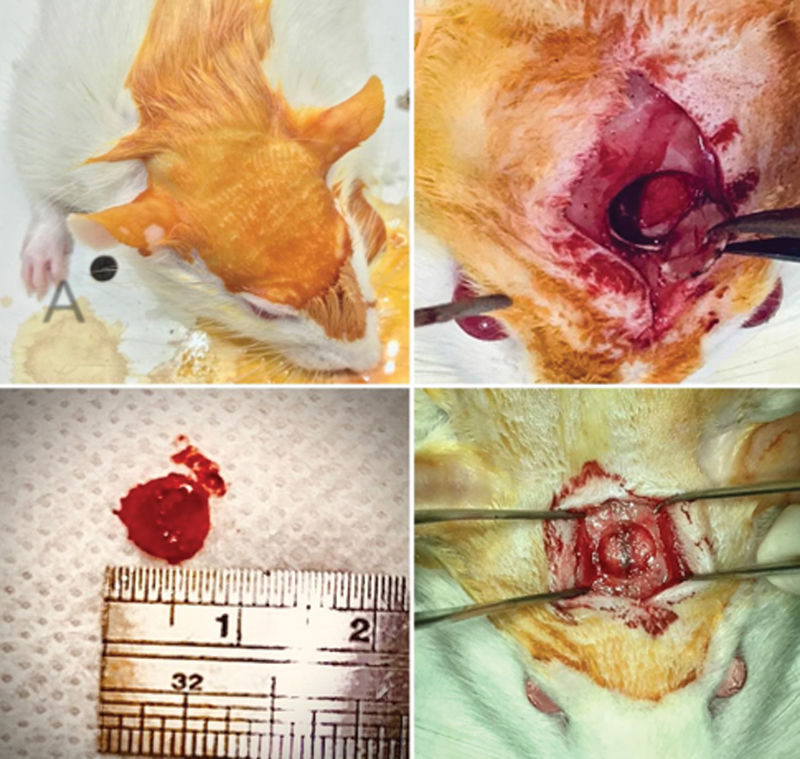 Figure 1
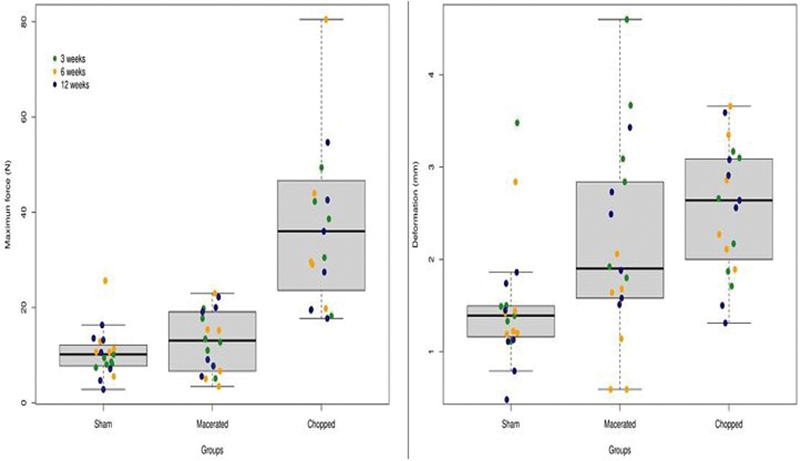 Figure 2
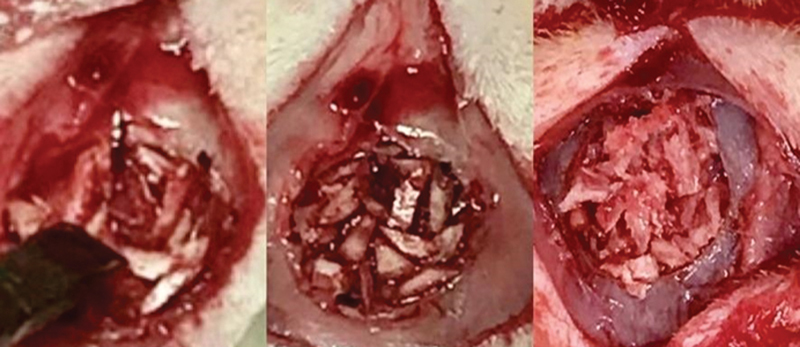 Figure 3
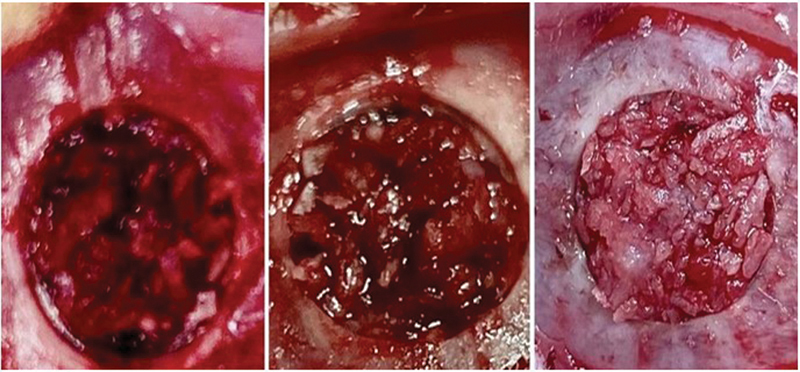 Figure 4
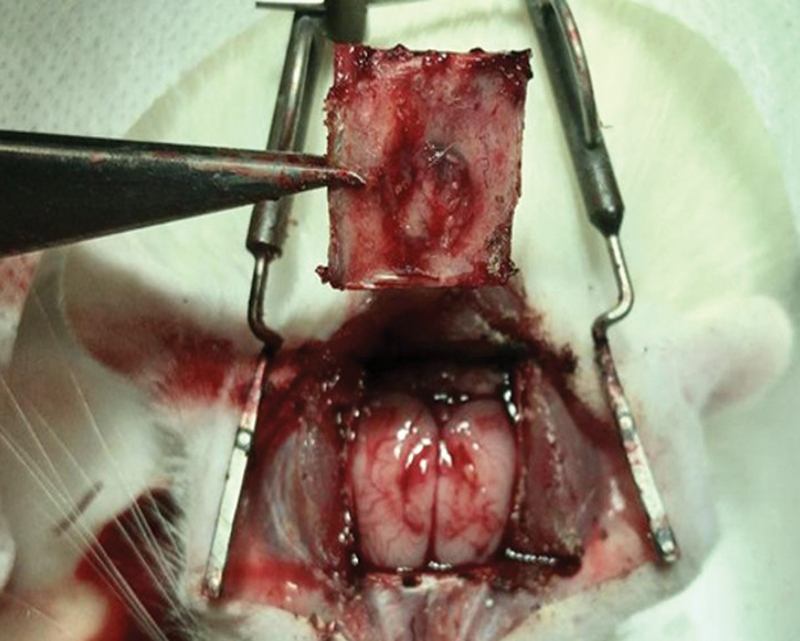 Figure 5
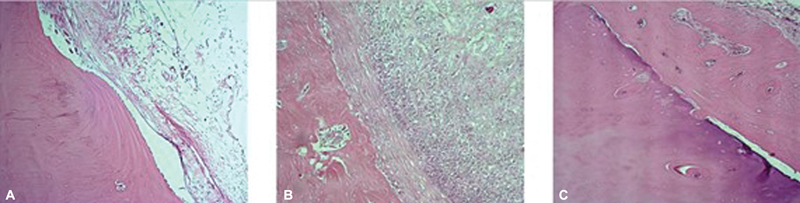 Figure 6
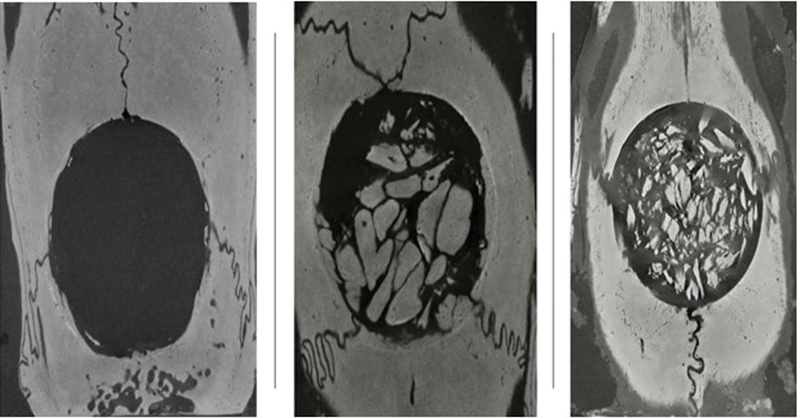 Figure 7
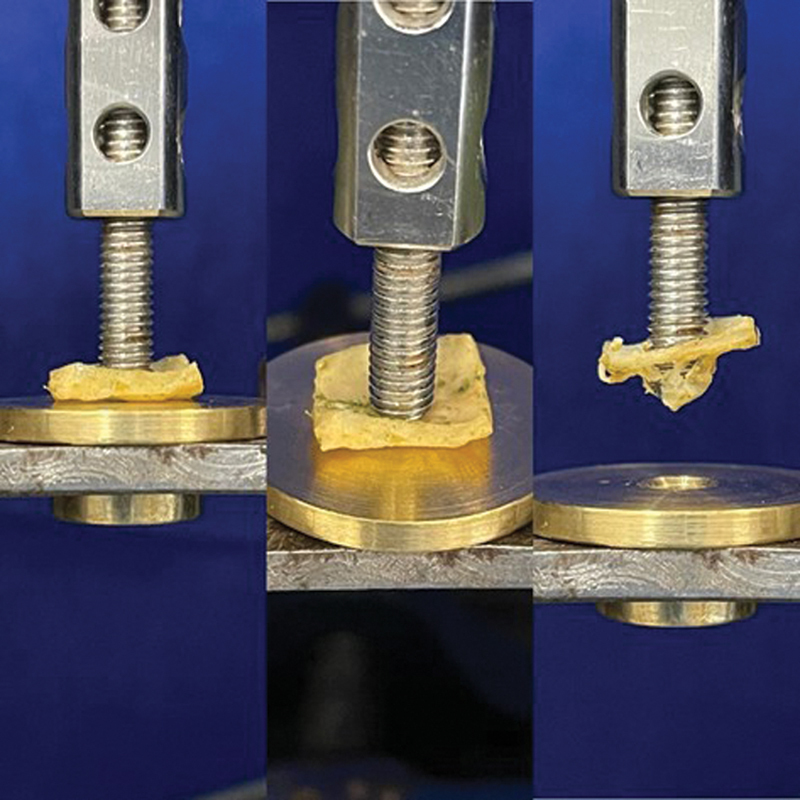 Figure 8
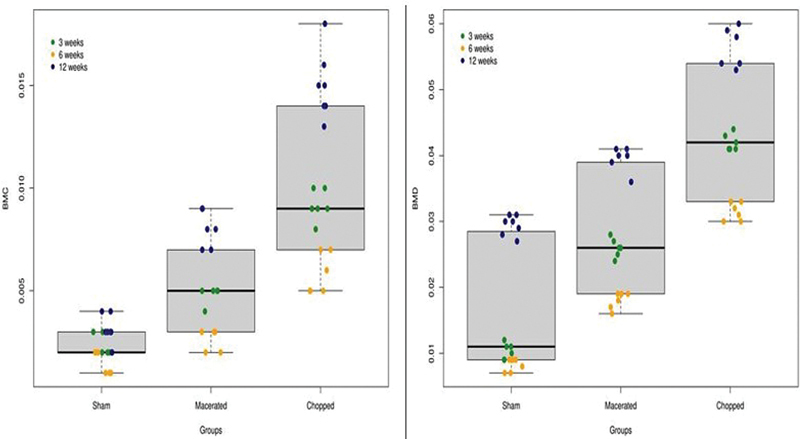 Figure 9
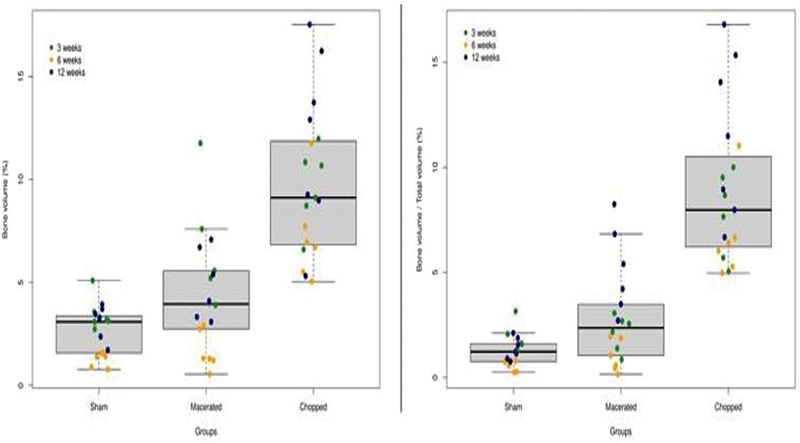 Figure 10
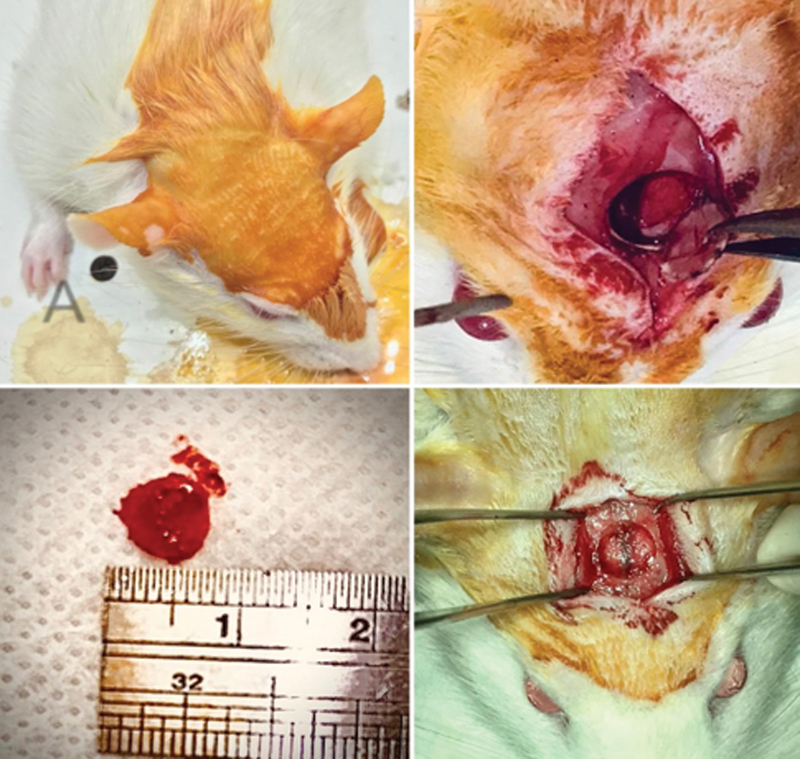 Figure 11
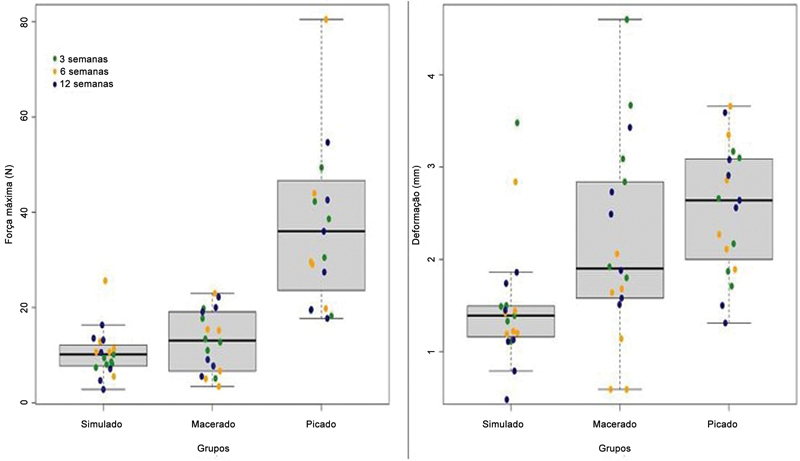 Figure 12
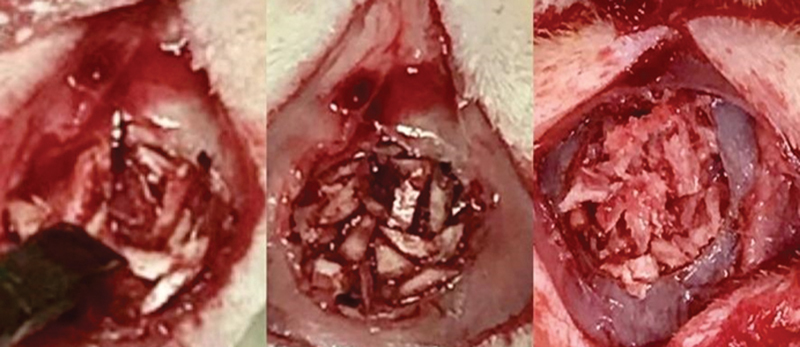 Figure 13
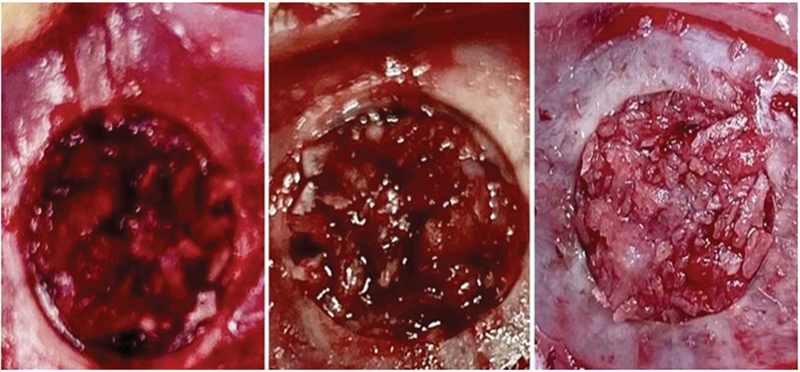 Figure 14
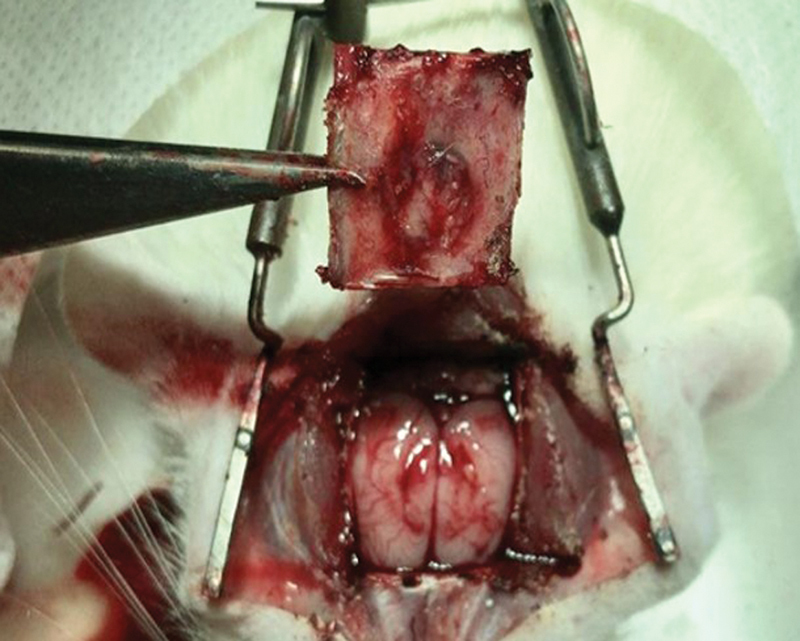 Figure 15
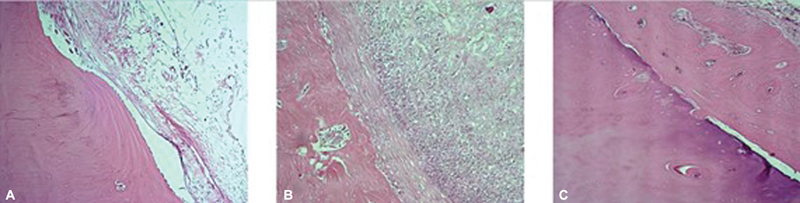 Figure 16
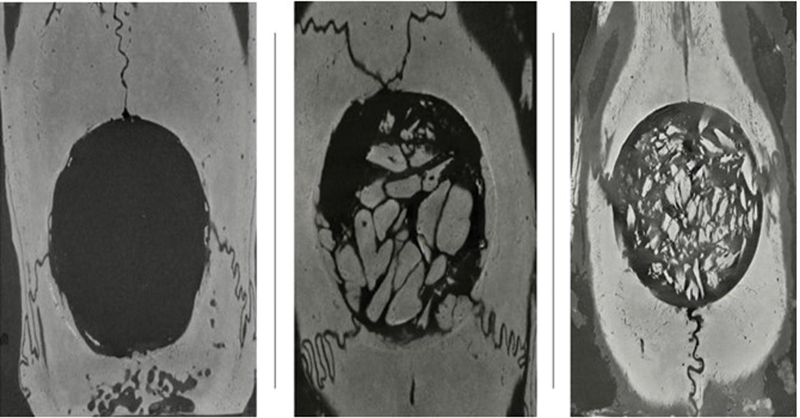 Figure 17
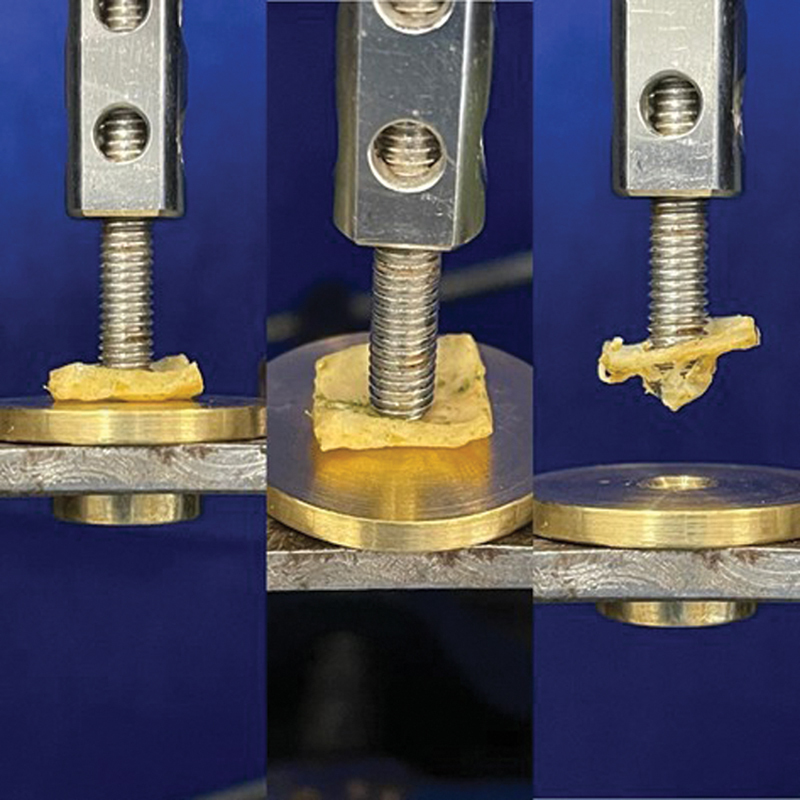 Figure 18
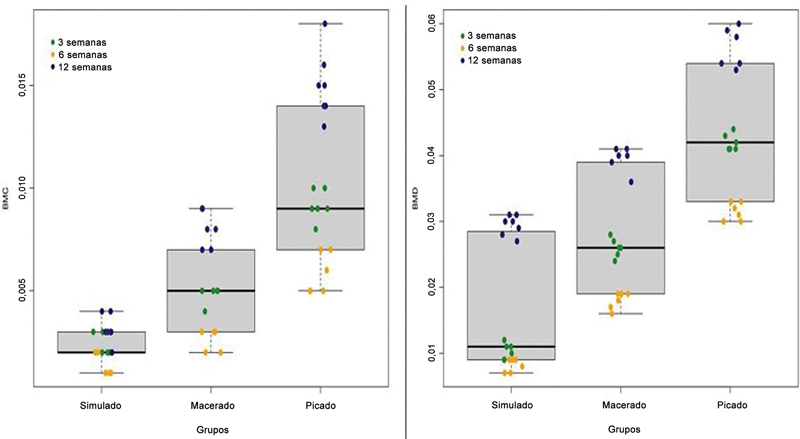 Figure 19
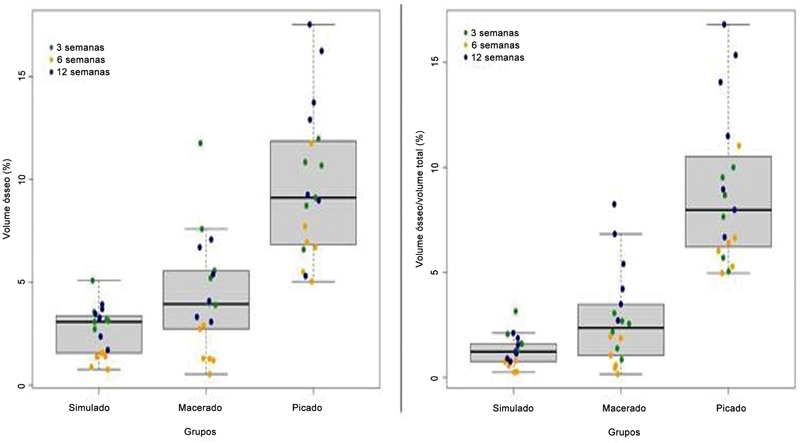 Figure 20
Peer Reviews
No public reviews on file for this paper yet. If you reviewed it on a platform where reviews are public (OpenReview, ICLR, NeurIPS, ICML), you can paste yours below so the community can read it here.
Videos
No videos yet. Explain this paper in a talk, walkthrough, or lecture? Add one.
Taxonomy
TopicsCraniofacial Disorders and Treatments · Bone fractures and treatments · Automotive and Human Injury Biomechanics