Evaluation of a Blood Reserve Protocol for Hip Fracture Surgery in the Elderly
Maurício Rodrigues Miyasaki, Lucas de Quadros Marques, Thiago dos Santos Miranda, André Ruan Ruiz, Karen Barros Parron Fernandez, Bruna Biglia

TL;DR
This study identifies factors predicting blood transfusion needs in elderly hip fracture surgery patients and evaluates a protocol to reduce unnecessary blood reserves.
Contribution
The paper introduces a protocol to guide blood reserve requests, significantly reducing the number of reserved blood units in elderly hip fracture surgery.
Findings
ASA classification correlates with transfusion occurrence.
Higher preoperative hemoglobin levels correlate with fewer transfusions.
Applying the protocol could reduce reserved blood units by over 75%.
Abstract
Objective To identify the predictive factors for the need for transfusion during and after surgery to treat hip fractures in the elderly and to evaluate a protocol to guide the request for blood reserves for surgery. Methods The medical records of 172 elderly patients undergoing surgical treatment for proximal femoral fractures were collected. Data on sex, age, preoperative hemoglobin level, diagnosis, and type of surgery were tested for correlation with blood transfusion. In our sample, we determined the number of units of packed red blood cells reserved, the transfusion rate, and the cross-test:transfusion ratio. We made the same calculations in a hypothetical situation in which the request for blood reserves for our sample followed the criteria of a defined protocol. Results We found a correlation between the American Society of Anesthesiologists (ASA) classification and the…
Genes, proteins, chemicals, diseases, species, mutations and cell lines named across the full text — each resolved to its canonical identifier and authoritative record.
Click any figure to enlarge with its caption.
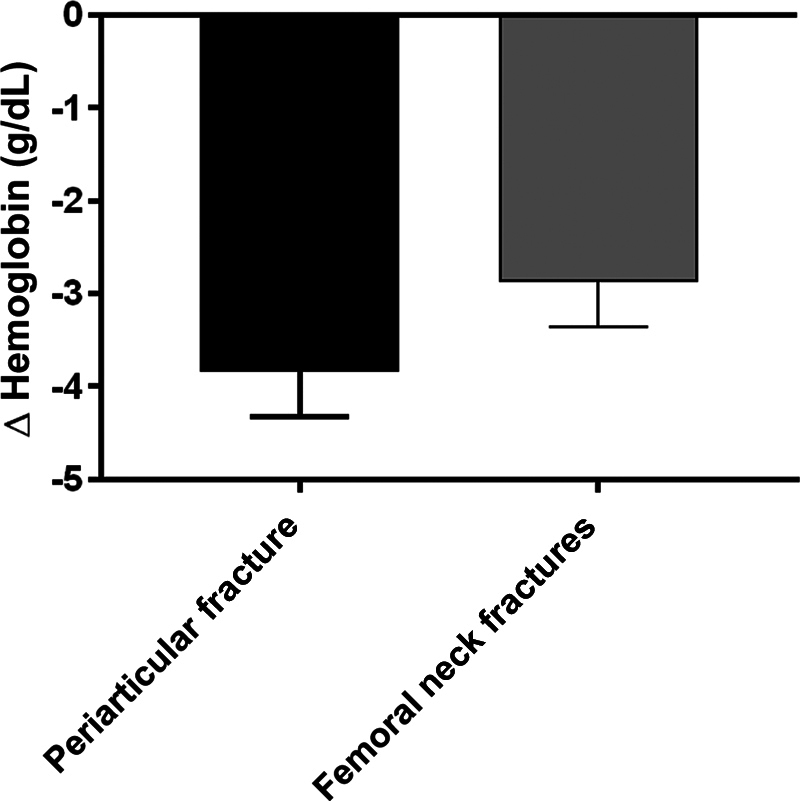 Figure 1
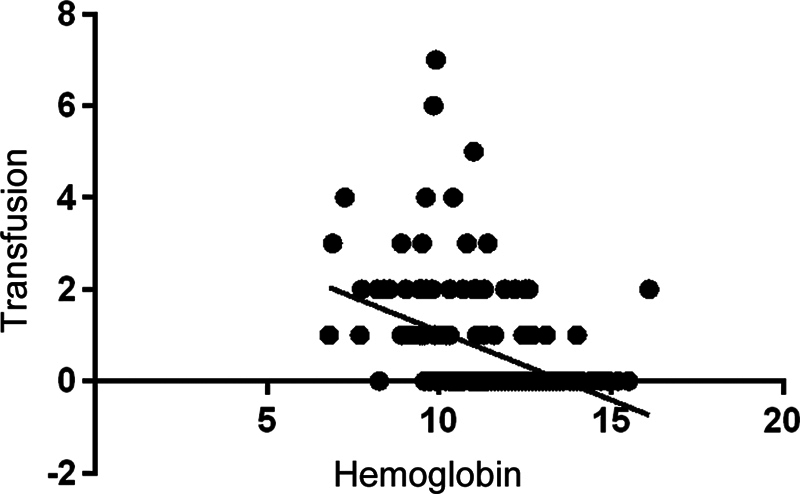 Figure 2
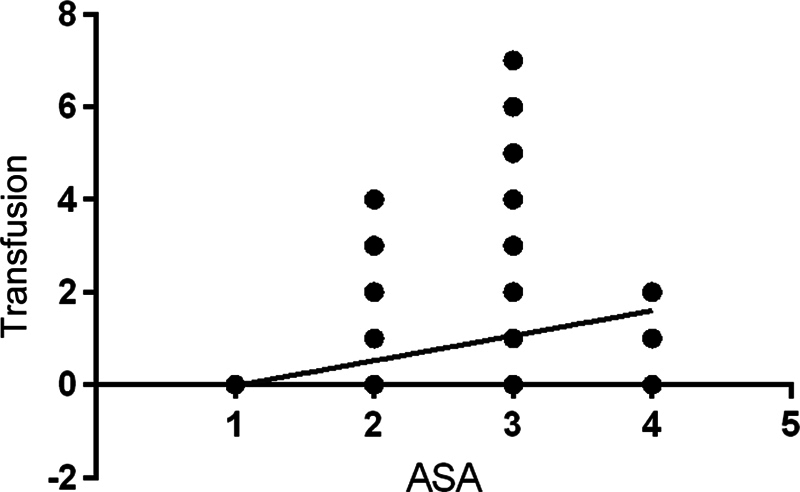 Figure 3
 Figure 4
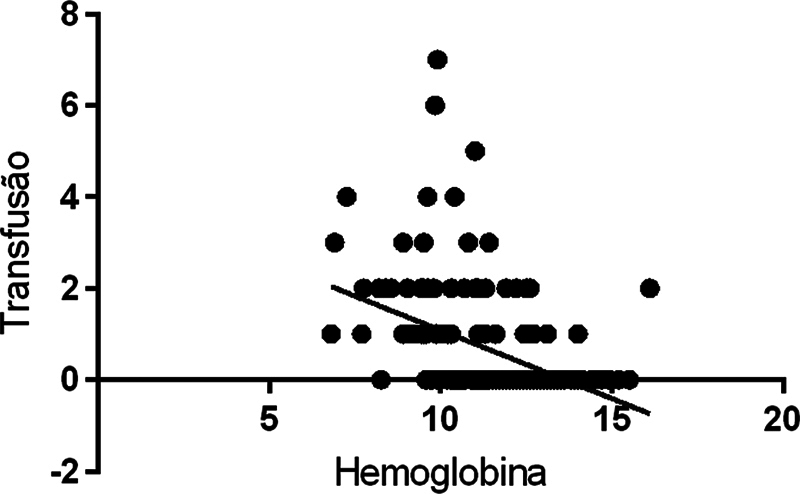 Figure 5
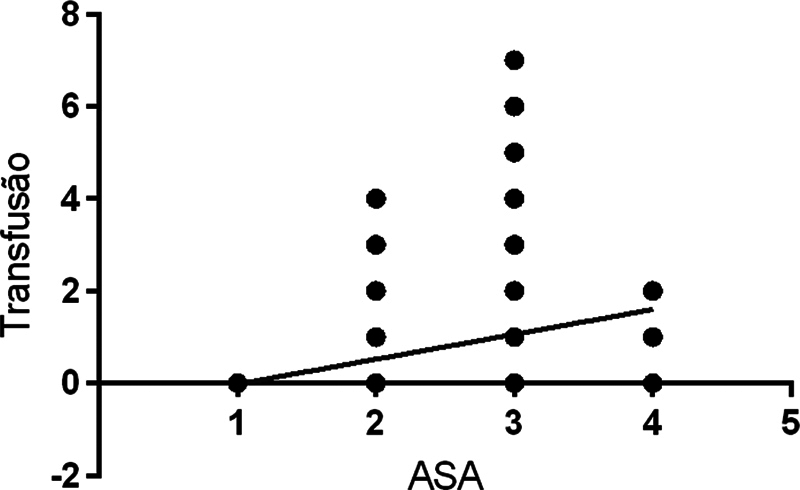 Figure 6
Peer Reviews
No public reviews on file for this paper yet. If you reviewed it on a platform where reviews are public (OpenReview, ICLR, NeurIPS, ICML), you can paste yours below so the community can read it here.
Videos
No videos yet. Explain this paper in a talk, walkthrough, or lecture? Add one.
Taxonomy
TopicsHip and Femur Fractures · Trauma and Emergency Care Studies · Pelvic and Acetabular Injuries