Evaluation of the Mechanical Behavior of the Patellar and Semitendinosus Tendons Using Supersonic Shear-wave Imaging (SSI) Elastography and Tensile Tests
André Fontenelle, Pietro Mannarino, Liliam Fernandes de Oliveira, Luciano Luporini Menegaldo, Sérgio Augusto Lopes de Souza, César Rubens da Costa Fontenelle

TL;DR
This study compares the mechanical stiffness of two knee tendons using imaging and physical tests, finding that the semitendinosus tendon is stiffer than the patellar tendon.
Contribution
The study introduces a combined method using supersonic shear-wave imaging and tensile tests to evaluate tendon stiffness in human cadavers.
Findings
The semitendinosus tendon had a significantly higher shear modulus than the patellar tendon.
A strong correlation was found between stress and shear modulus in both tendons.
The Young's modulus of the semitendinosus tendon was significantly higher than that of the patellar tendon.
Abstract
Objective To analyze the mechanical properties of the patellar (PT) and semitendinosus (ST) tendons from fresh-frozen human cadavers from a tissue bank using supersonic shear-wave imaging (SSI) elastography and tensile tests. Methods We tested seven PT and five ST samples on a traction machine and performed their simultaneous assessment through SSI. The measurements enabled the comparison of the mechanical behavior of the tendons using the stress x strain curve and shear modulus (μ) at rest. In addition, we analyzed the stress x μ relationship under tension and tested the relationship between these parameters. The statistical analysis of the results used unpaired t -tests with Welch correction, the Pearson correlation, and linear regression for the Young modulus (E) estimation. Results The μ values for the PT and ST at rest were of 58.86 ± 5.226 kPa and 124.3 ± 7.231 kPa…
Genes, proteins, chemicals, diseases, species, mutations and cell lines named across the full text — each resolved to its canonical identifier and authoritative record.
Click any figure to enlarge with its caption.
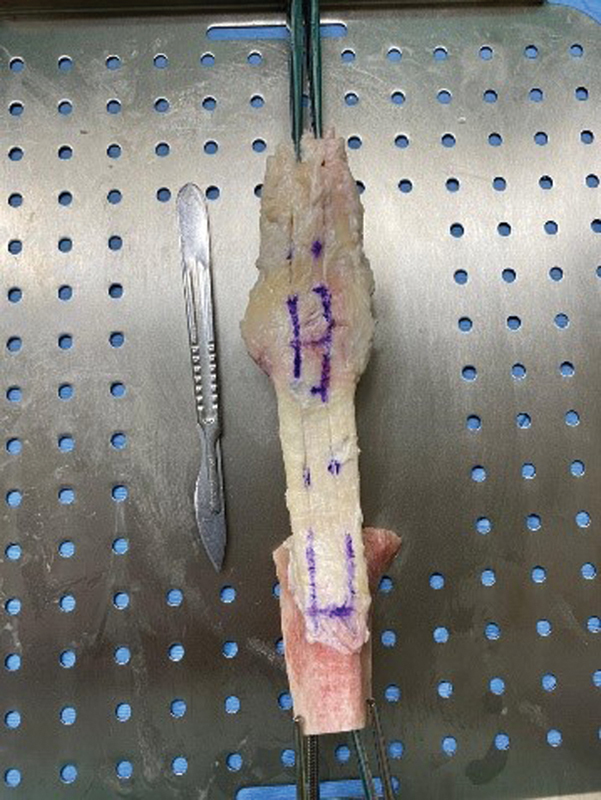 Figure 1
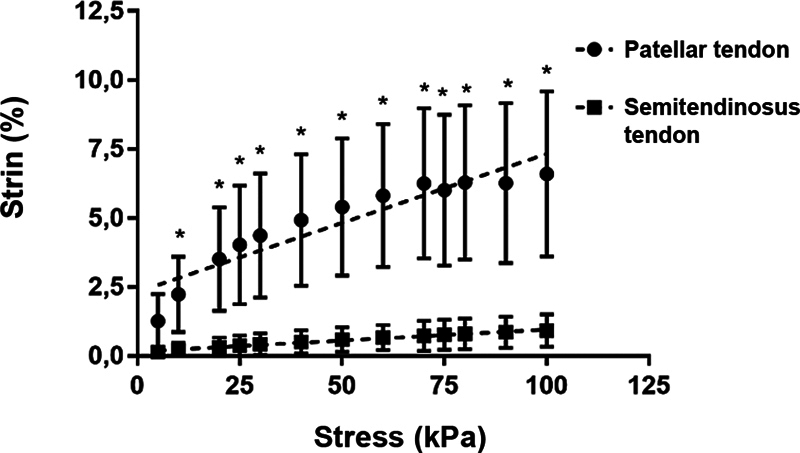 Figure 2
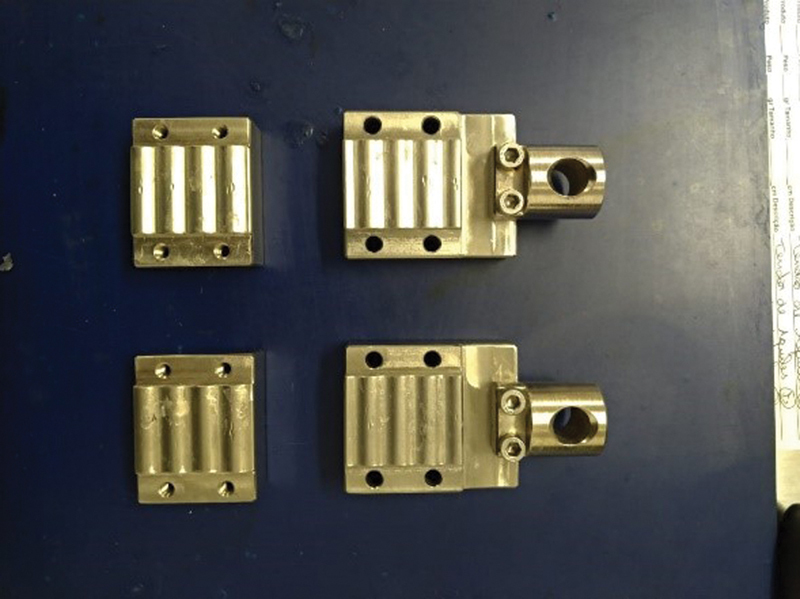 Figure 3
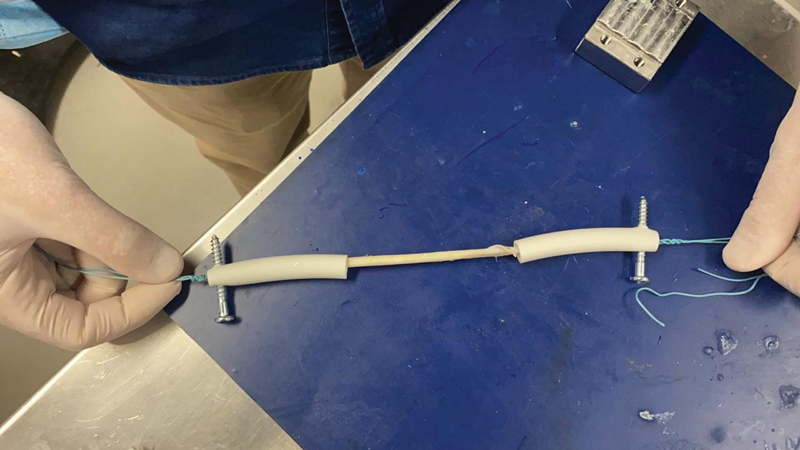 Figure 4
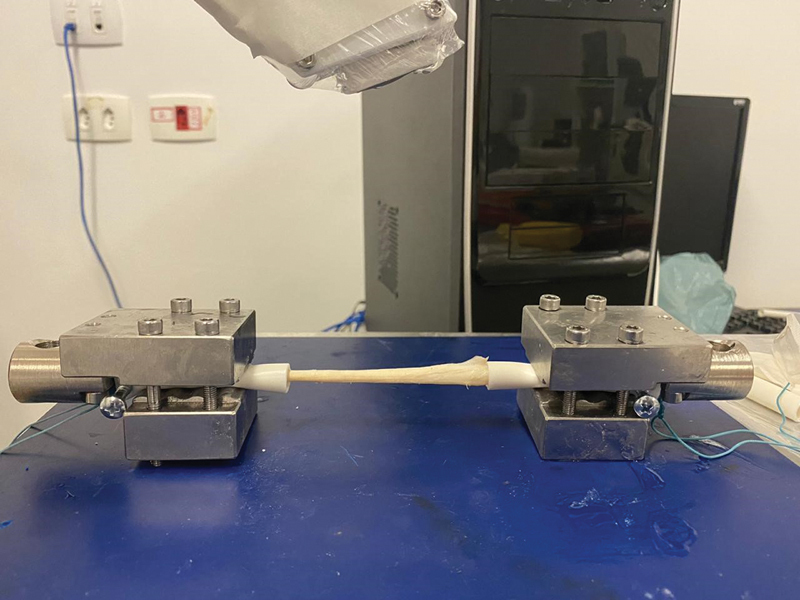 Figure 5
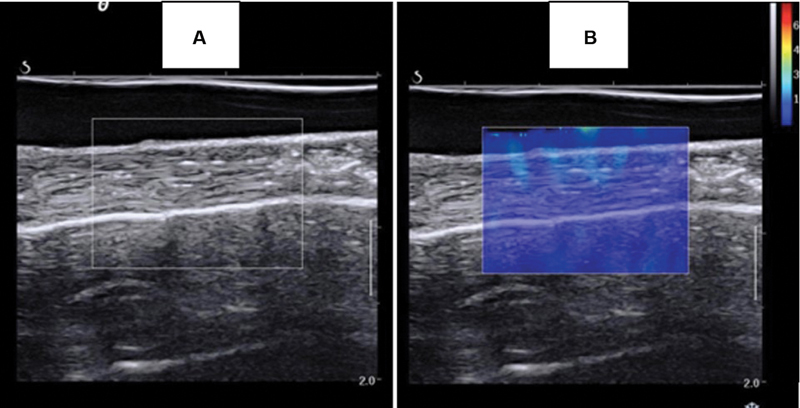 Figure 6
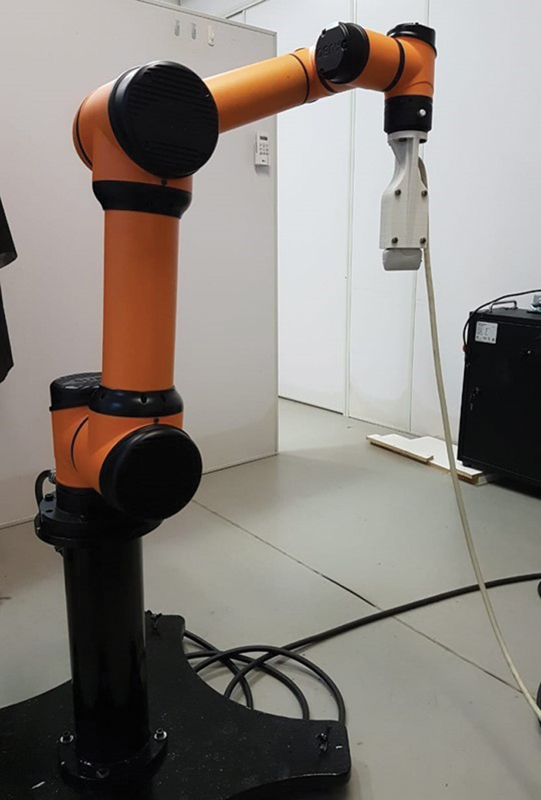 Figure 7
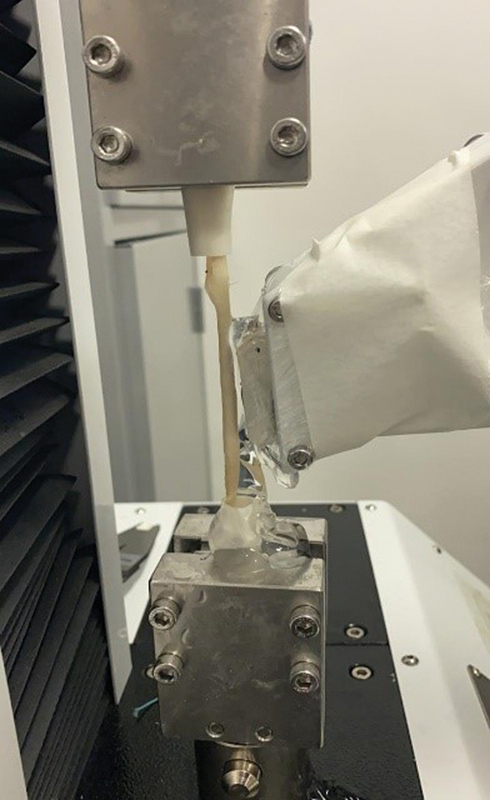 Figure 8
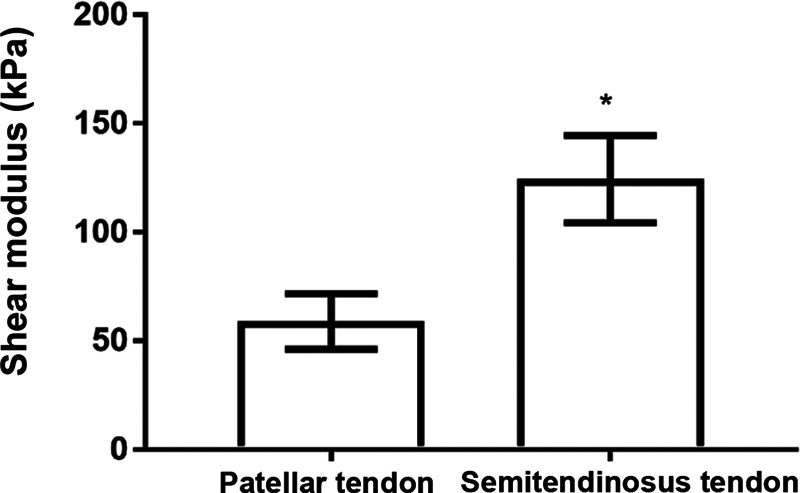 Figure 9
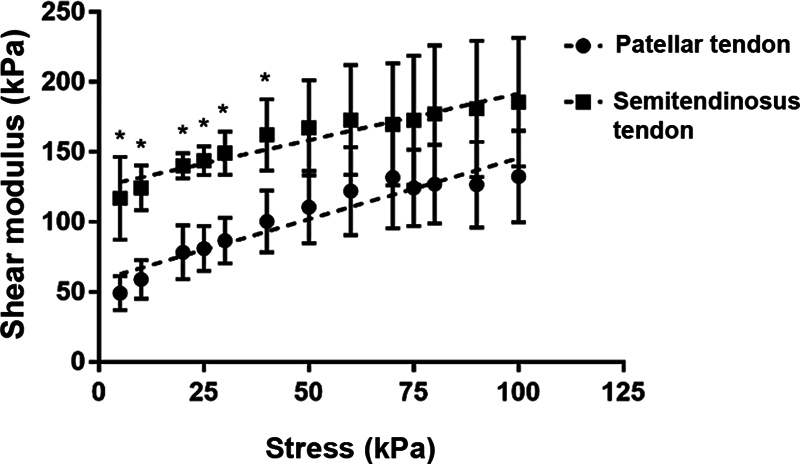 Figure 10
 Figure 11
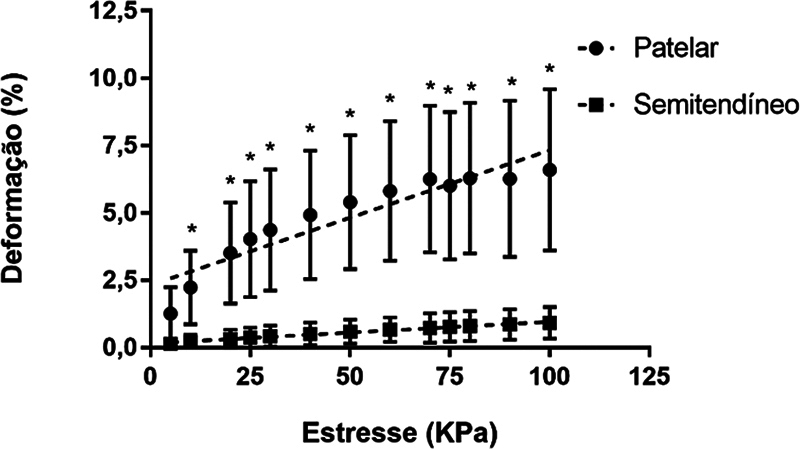 Figure 12
 Figure 13
 Figure 14
 Figure 15
 Figure 16
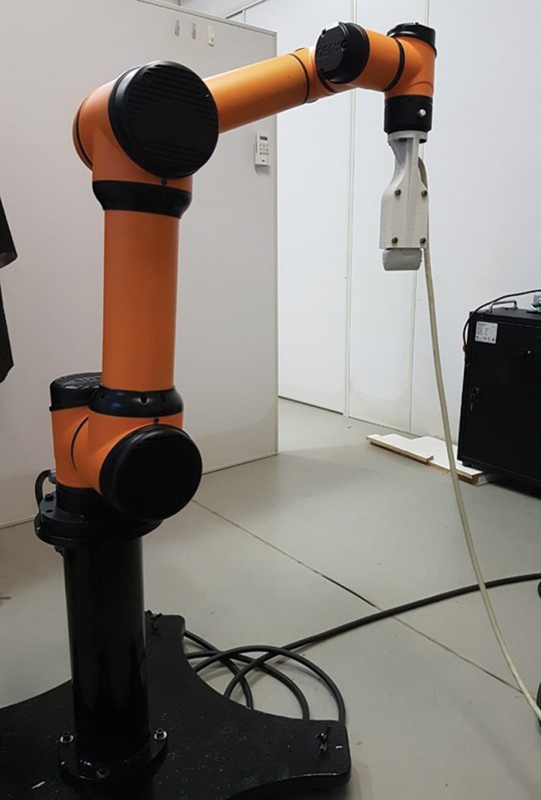 Figure 17
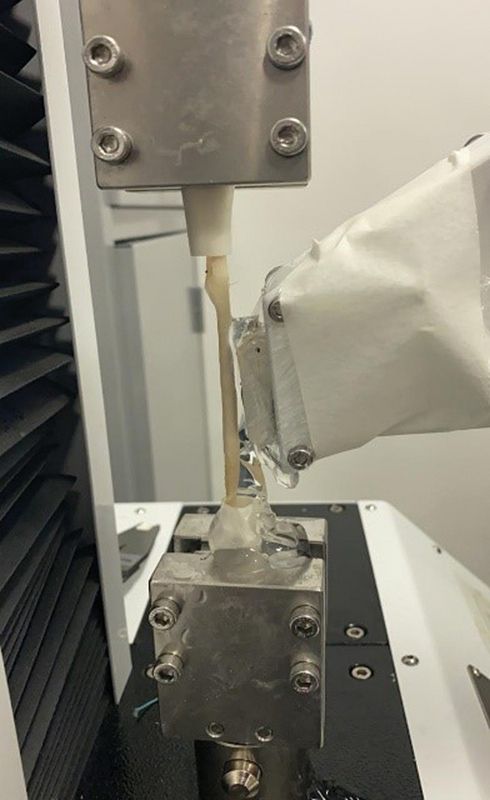 Figure 18
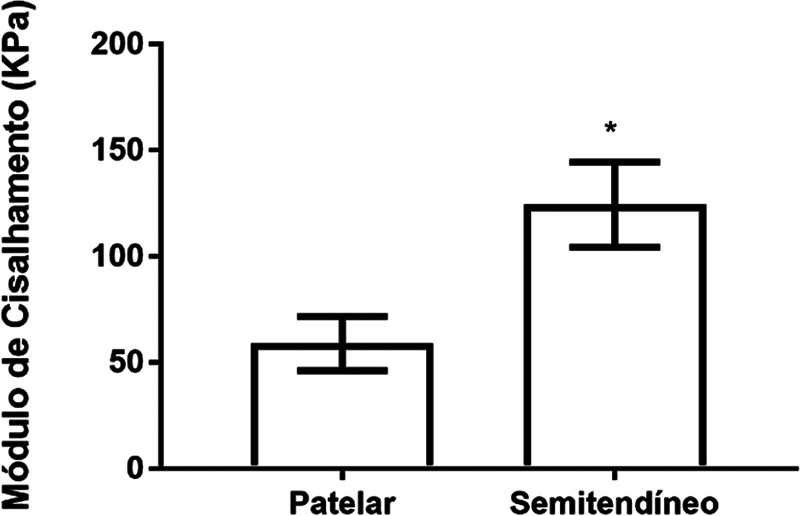 Figure 19
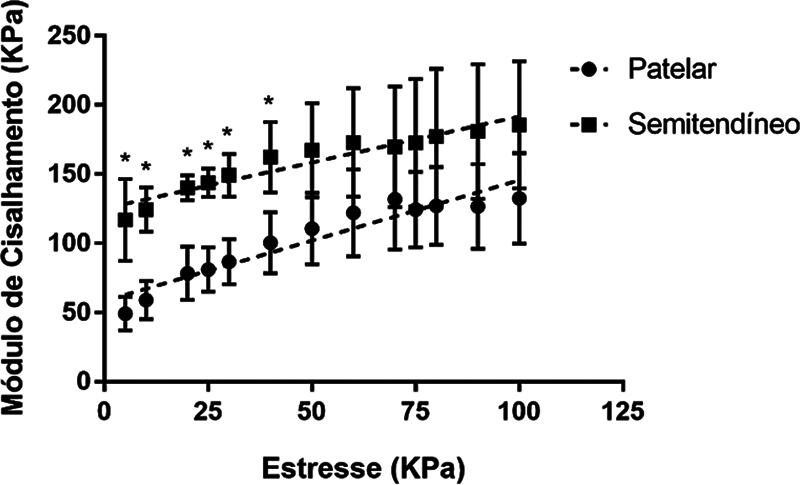 Figure 20
Peer Reviews
No public reviews on file for this paper yet. If you reviewed it on a platform where reviews are public (OpenReview, ICLR, NeurIPS, ICML), you can paste yours below so the community can read it here.
Videos
No videos yet. Explain this paper in a talk, walkthrough, or lecture? Add one.
Taxonomy
TopicsLower Extremity Biomechanics and Pathologies · Tendon Structure and Treatment · Sports injuries and prevention