Plasmodium vivax Malaria Complicated With Acute Respiratory Distress Syndrome: A Case Report
Sief Addeen M Khasawneh, Riyadh Hammamy, Afra Elhassan, Mohamed Fawzi Mudarres

TL;DR
A 32-year-old woman developed severe breathing problems from Plasmodium vivax malaria but fully recovered with antimalarial drugs and breathing support.
Contribution
Highlights a rare but severe complication of P. vivax malaria, emphasizing its potential severity beyond traditional understanding.
Findings
P. vivax malaria can lead to acute respiratory distress syndrome (ARDS).
The patient recovered fully with intravenous antimalarials and noninvasive ventilation.
This case challenges the perception of P. vivax as a low-mortality malaria type.
Abstract
Plasmodium vivax (P. vivax) malaria was long considered to have low mortality. Severe malaria was classically associated with Plasmodium falciparum (P. falciparum). However, there is growing evidence that severe and complicated forms of vivax malaria may be more widespread than previously assumed. We report a case of a 32-year-old female patient with acute respiratory distress syndrome (ARDS) as a complication of P. vivax malaria who has recovered completely following starting intravenous antimalarial medications and noninvasive ventilation (NIV).
Genes, proteins, chemicals, diseases, species, mutations and cell lines named across the full text — each resolved to its canonical identifier and authoritative record.
Click any figure to enlarge with its caption.
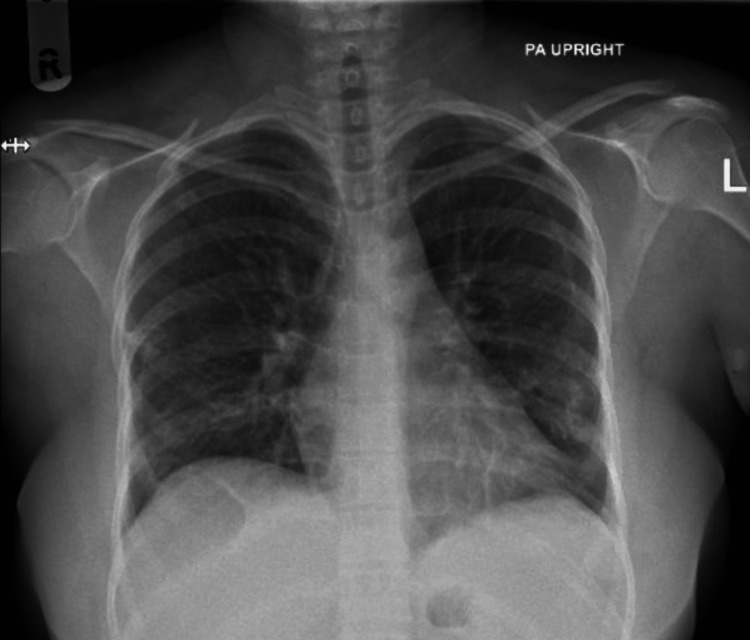 Figure 1
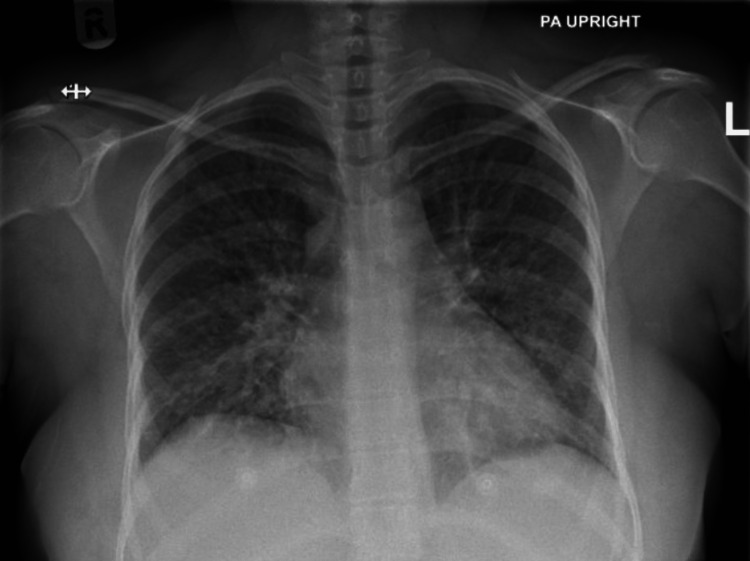 Figure 2
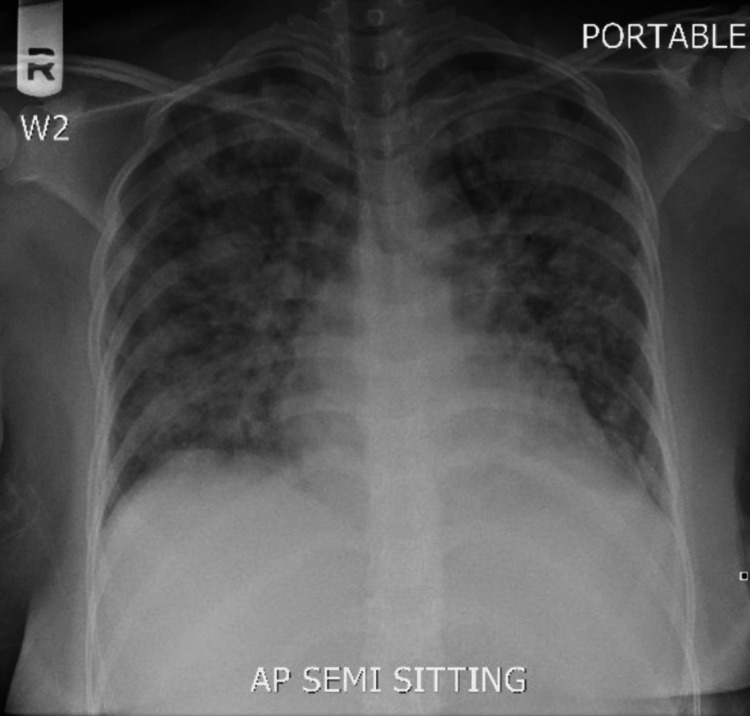 Figure 3
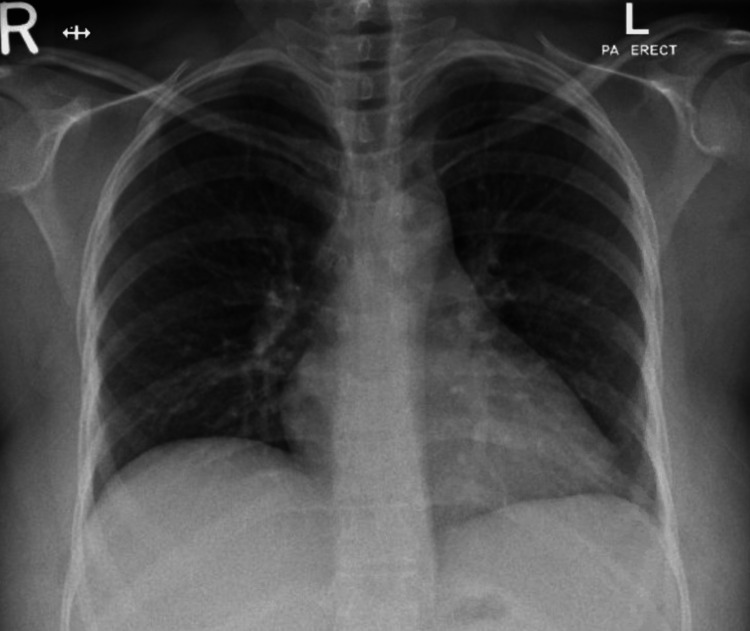 Figure 4
Peer Reviews
No public reviews on file for this paper yet. If you reviewed it on a platform where reviews are public (OpenReview, ICLR, NeurIPS, ICML), you can paste yours below so the community can read it here.
Videos
No videos yet. Explain this paper in a talk, walkthrough, or lecture? Add one.
Taxonomy
TopicsFluorine in Organic Chemistry · Atomic and Subatomic Physics Research