Identification of Schistosoma haematobium and Schistosoma mansoni linear B-cell epitopes with diagnostic potential using in silico immunoinformatic tools and peptide microarray technology
Arthur Vengesai, Marble Manuwa, Herald Midzi, Masimba Mandeya, Victor Muleya, Keith Mujeni, Isaac Chipako, Takafira Mduluza

TL;DR
This study identifies potential B-cell epitopes from Schistosoma haematobium and Schistosoma mansoni using computational tools and peptide microarray validation, aiming to improve schistosomiasis diagnostics.
Contribution
The study introduces a novel immunoinformatic approach to identify schistosome-specific peptides with high diagnostic potential and low cross-reactivity.
Findings
Peptide AA81008-19-30 showed strong diagnostic performance for S. haematobium and S. mansoni infections.
Nine peptides demonstrated acceptable diagnostic performance for schistosomiasis detection.
The approach combines in silico predictions with peptide microarray validation for epitope identification.
Abstract
Immunoinformatic tools can be used to predict schistosome-specific B-cell epitopes with little sequence identity to human proteins and antigens other than the target. This study reports an approach for identifying schistosome peptides mimicking linear B-cell epitopes using in-silico tools and peptide microarray immunoassay validation. Firstly, a comprehensive literature search was conducted to obtain published schistosome-specific peptides and recombinant proteins with the best overall diagnostic performances. For novel peptides, linear B-cell epitopes were predicted from target recombinant proteins using ABCpred, Bcepred and BepiPred 2.0 in-silico tools. Together with the published peptides, predicted peptides with the highest probability of being B-cell epitopes and the lowest sequence identity with proteins from human and other pathogens were selected. Antibodies against the…
Genes, proteins, chemicals, diseases, species, mutations and cell lines named across the full text — each resolved to its canonical identifier and authoritative record.
Click any figure to enlarge with its caption.
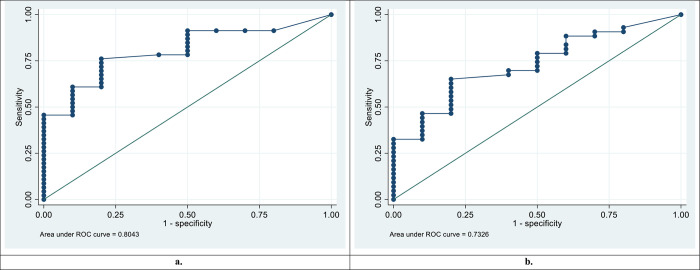 Figure 1
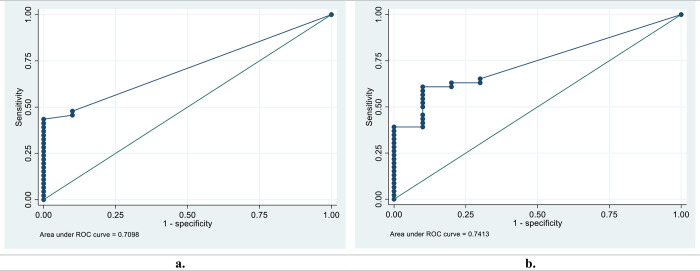 Figure 2
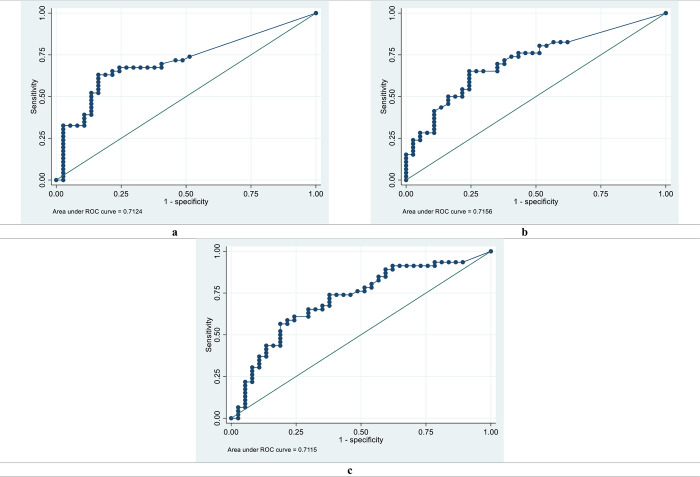 Figure 3
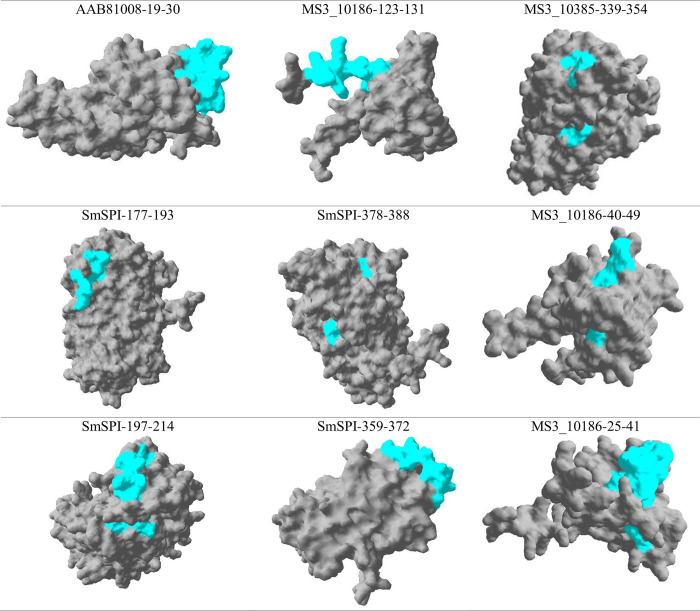 Figure 4
 Figure 5
 Figure 6
 Figure 7
Peer Reviews
No public reviews on file for this paper yet. If you reviewed it on a platform where reviews are public (OpenReview, ICLR, NeurIPS, ICML), you can paste yours below so the community can read it here.
Videos
No videos yet. Explain this paper in a talk, walkthrough, or lecture? Add one.
Taxonomy
TopicsParasites and Host Interactions · vaccines and immunoinformatics approaches · Hepatitis Viruses Studies and Epidemiology