Background compensation revisited: Conserved phase response curves in frequency controlled homeostats with coherent feedback
Peter Ruoff, Jae Kyoung Kim, Jae Kyoung Kim, Jae Kyoung Kim

TL;DR
The paper explores how systems can maintain stable responses to changes despite constant background signals, using oscillators with feedback mechanisms.
Contribution
The study introduces a new perspective on background compensation through phase response curves in frequency-controlled oscillators.
Findings
Frequency resetting amplitude in oscillators depends on inflow/outflow perturbations and is phase-dependent.
Phase response curves and frequency resetting are background compensated.
This mechanism may help organisms ignore ambient noise.
Abstract
Background compensation is the ability of a controlled variable to respond to an applied perturbation in an unchanged manner and independent of different but constant background signals which act in parallel to the perturbation. Background compensation occurs by ‘coherent feedback’ mechanisms where additional control variables feed directly back to the controlled variable. This paper extends a previous study on background compensation to include phase responses in frequency controlled coherent feedback oscillators. While the frequency resetting amplitude in coherent feedback oscillators is found to be dependent on the inflow/outflow perturbation of the controlled variable and thereby become phase dependent, the frequency resetting itself and the corresponding phase response curves are found to be background compensated. It is speculated that this type of background compensation may be…
Genes, proteins, chemicals, diseases, species, mutations and cell lines named across the full text — each resolved to its canonical identifier and authoritative record.
Click any figure to enlarge with its caption.
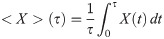 Figure 1
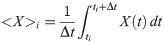 Figure 2
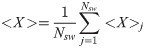 Figure 3
 Figure 4
 Figure 5
 Figure 6
 Figure 7
 Figure 8
 Figure 9
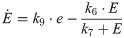 Figure 10
 Figure 11
 Figure 12
 Figure 13
 Figure 14
 Figure 15
 Figure 16
 Figure 17
 Figure 18
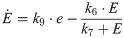 Figure 19
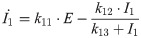 Figure 20
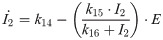 Figure 21
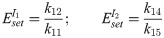 Figure 22
 Figure 23
 Figure 24
 Figure 25
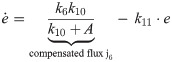 Figure 26
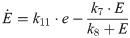 Figure 27
 Figure 28
 Figure 29
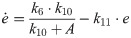 Figure 30
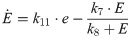 Figure 31
 Figure 32
 Figure 33
 Figure 34
 Figure 35
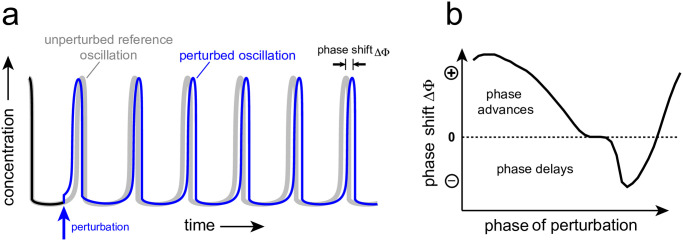 Figure 36
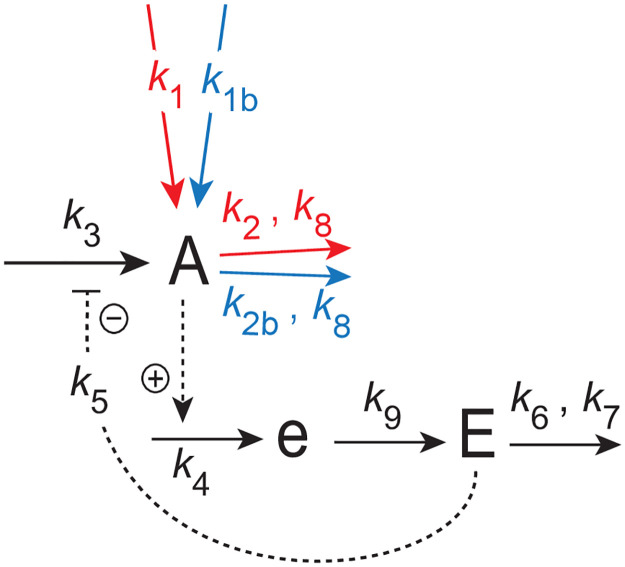 Figure 37
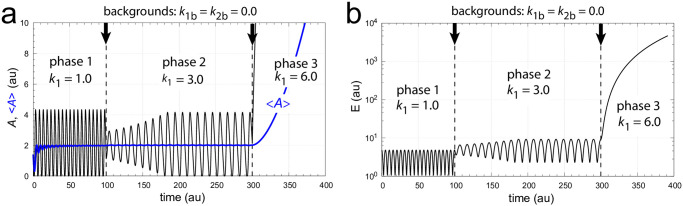 Figure 38
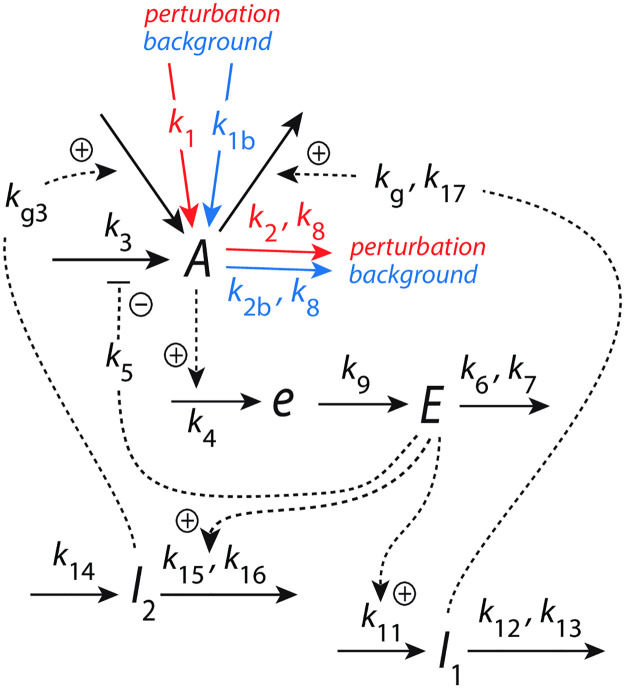 Figure 39
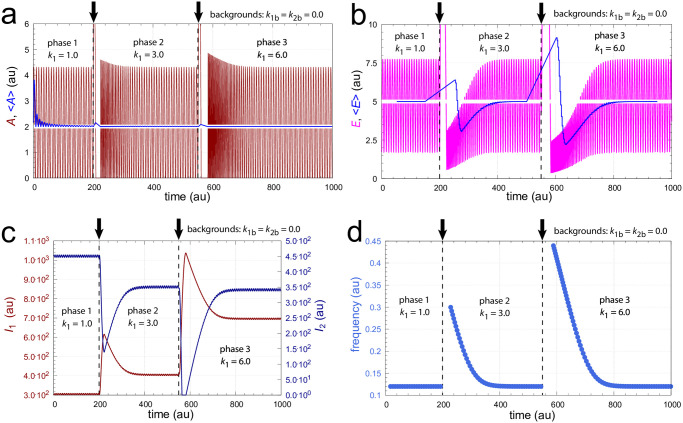 Figure 40
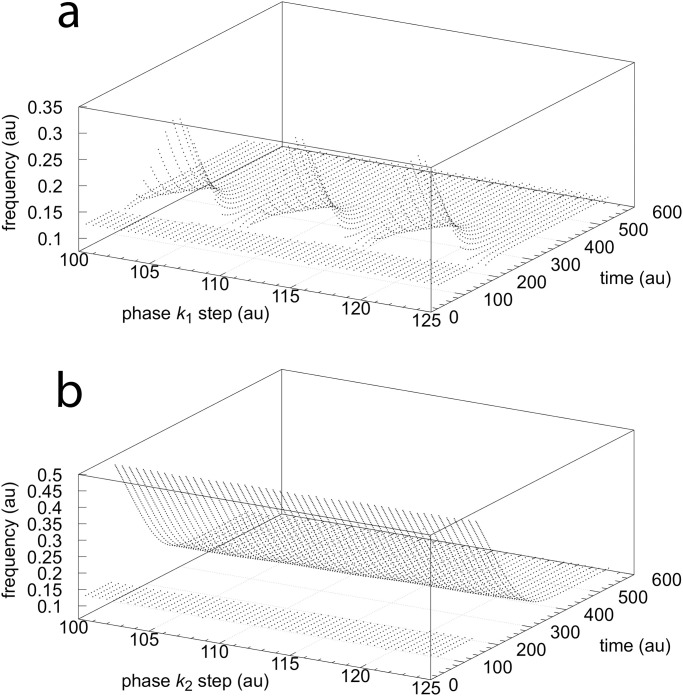 Figure 41
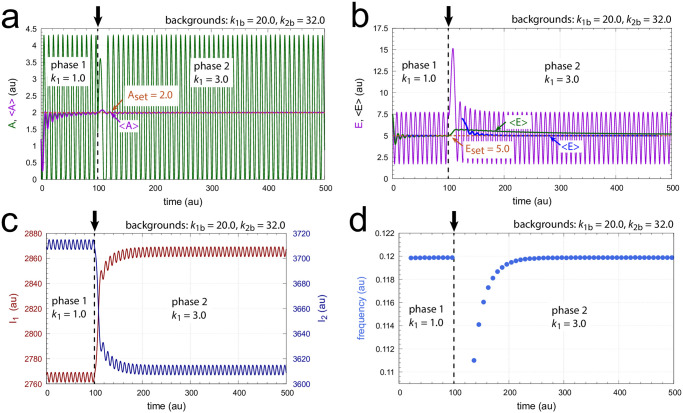 Figure 42
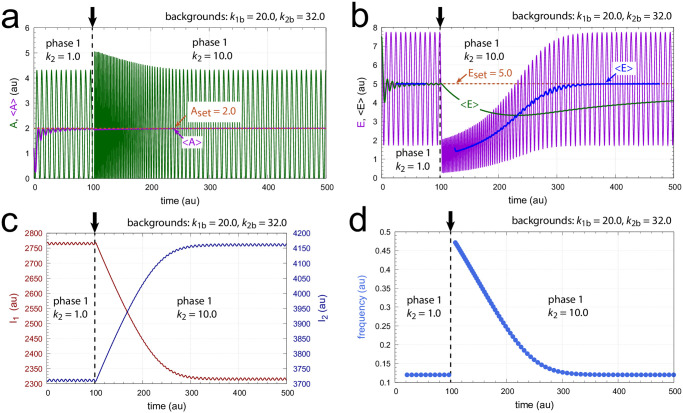 Figure 43
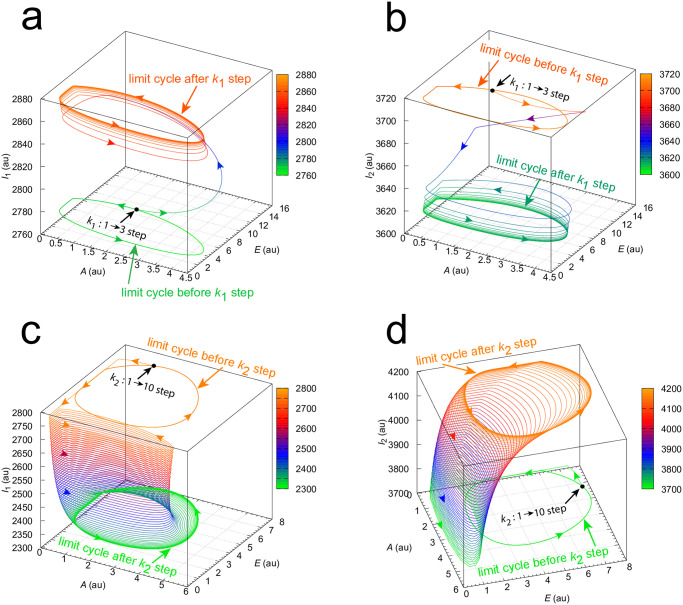 Figure 44
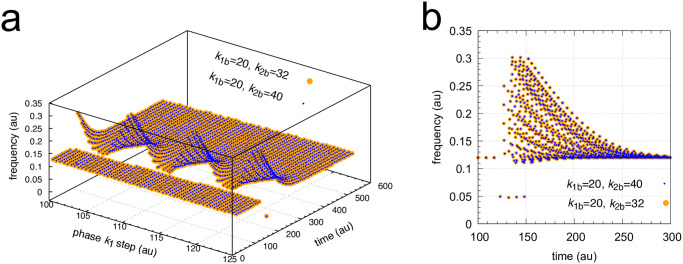 Figure 45
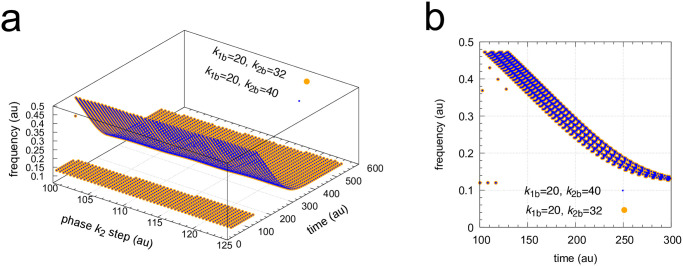 Figure 46
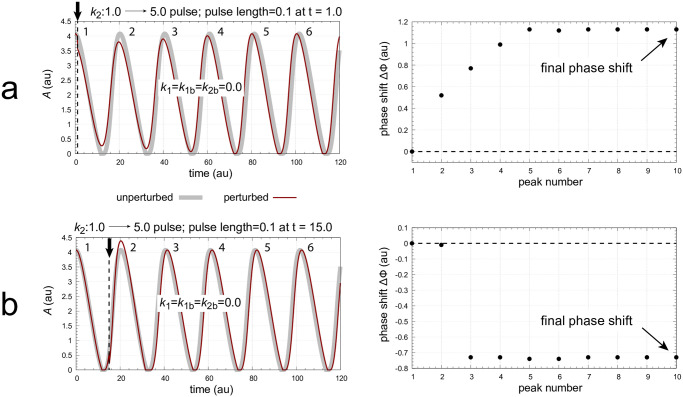 Figure 47
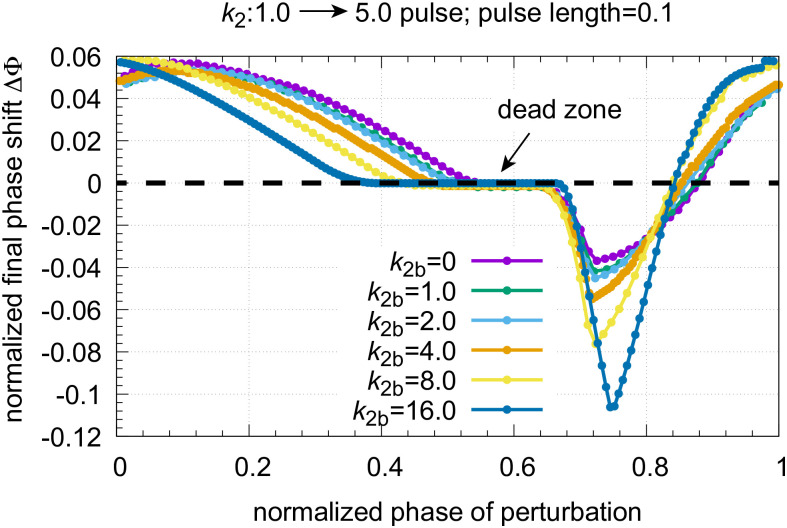 Figure 48
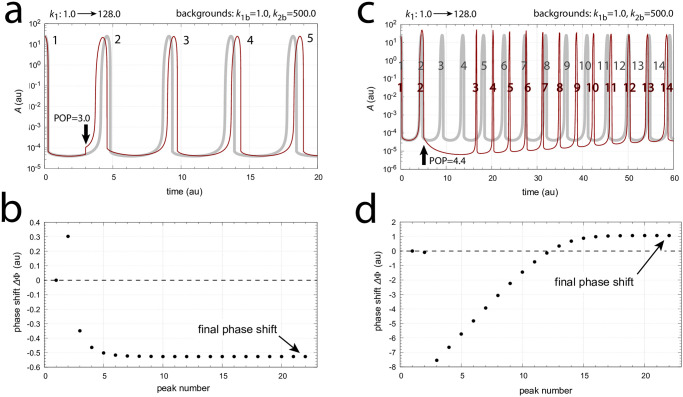 Figure 49
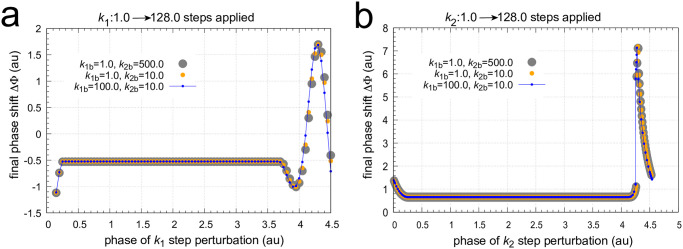 Figure 50
Peer Reviews
No public reviews on file for this paper yet. If you reviewed it on a platform where reviews are public (OpenReview, ICLR, NeurIPS, ICML), you can paste yours below so the community can read it here.
Videos
No videos yet. Explain this paper in a talk, walkthrough, or lecture? Add one.
Taxonomy
Topicsstochastic dynamics and bifurcation · Diffusion and Search Dynamics · Nonlinear Dynamics and Pattern Formation