Severe mitochondrial encephalomyopathy caused by de novo variants in OPA1 gene
Michela Di Nottia, Teresa Rizza, Enrico Baruffini, Claudia Nesti, Alessandra Torraco, Daria Diodato, Diego Martinelli, Flavio Dal Canto, Alexandru Ionut Gilea, Martina Zoccola, Barbara Siri, Carlo Dionisi-Vici, Enrico Bertini, Filippo Maria Santorelli, Paola Goffrini

TL;DR
Two patients with new OPA1 gene mutations showed severe neurological symptoms linked to mitochondrial dysfunction, expanding the known clinical effects of this gene.
Contribution
Reports two novel de novo OPA1 mutations and their clinical and mitochondrial consequences in humans and a yeast model.
Findings
Patients showed neurological signs similar to Leigh syndrome, expanding the OPA1-related clinical spectrum.
Fibroblasts from patients had reduced mtDNA and fragmented mitochondria.
Yeast modeling confirmed the pathogenicity of the OPA1 mutations.
Abstract
Mitochondria adjust their shape in response to the different energetic and metabolic requirements of the cell, through extremely dynamic fusion and fission events. Several highly conserved dynamin-like GTPases are involved in these processes and, among those, the OPA1 protein is a key player in the fusion of inner mitochondrial membranes. Hundreds of monoallelic or biallelic pathogenic gene variants have been described in OPA1, all associated with a plethora of clinical phenotypes without a straightforward genotype-phenotype correlation. Here we report two patients harboring novel de novo variants in OPA1. DNA of two patients was analyzed using NGS technology and the pathogenicity has been evaluated through biochemical and morphological studies in patient’s derived fibroblasts and in yeast model. The two patients here reported manifest with neurological signs resembling Leigh…
Genes, proteins, chemicals, diseases, species, mutations and cell lines named across the full text — each resolved to its canonical identifier and authoritative record.
Click any figure to enlarge with its caption.
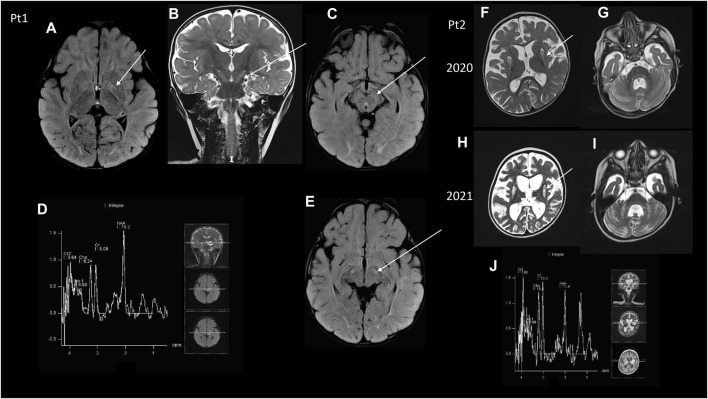 Figure 1
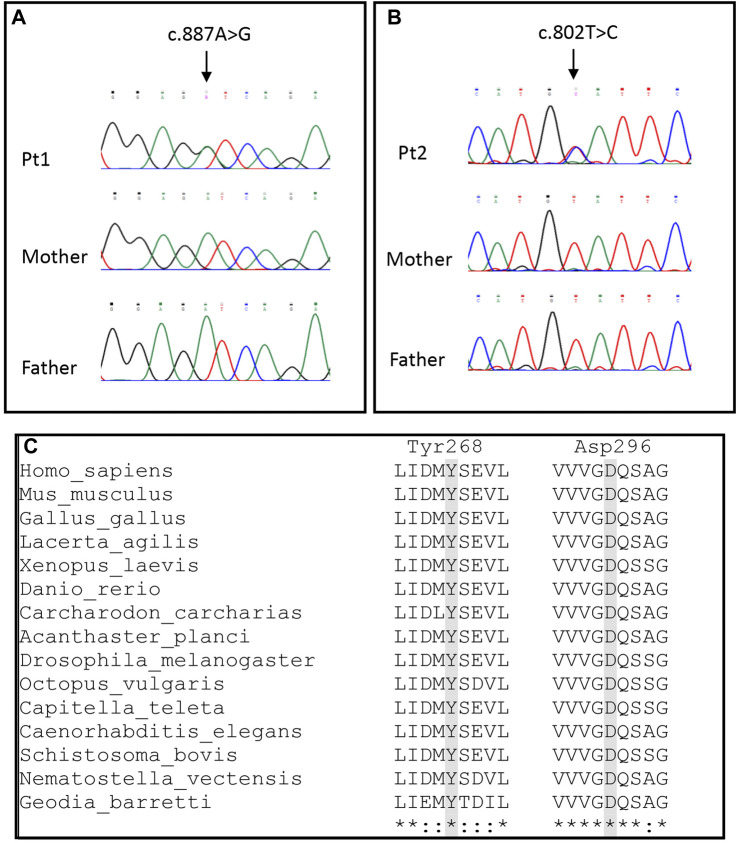 Figure 2
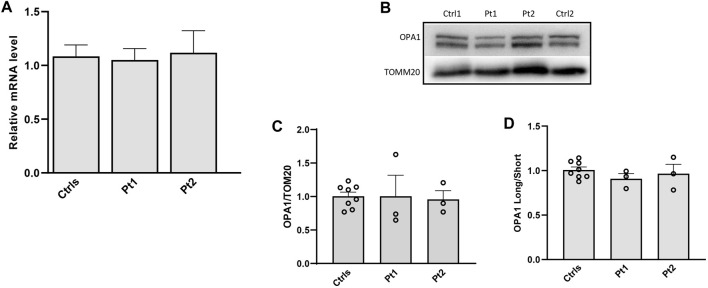 Figure 3
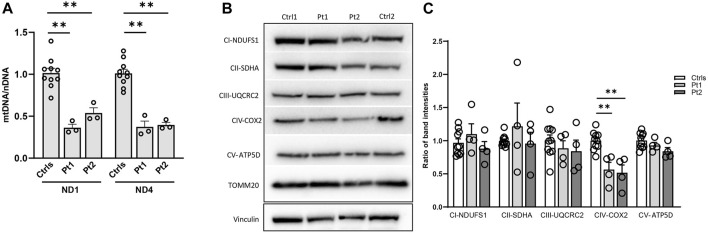 Figure 4
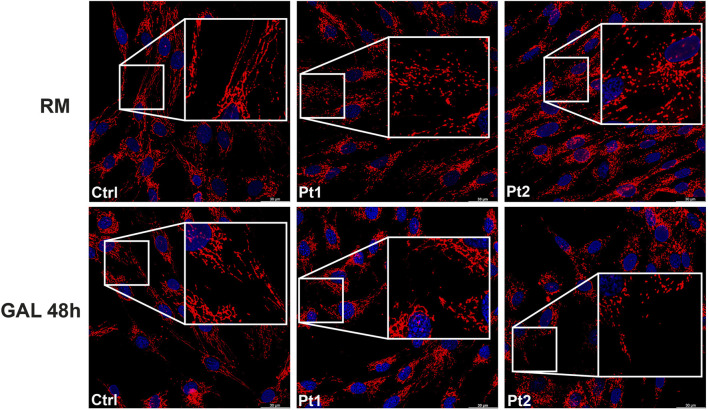 Figure 5
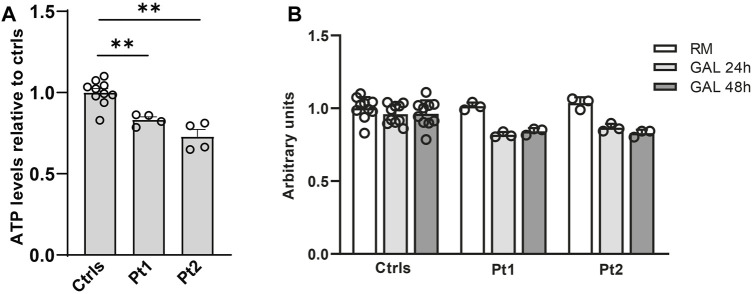 Figure 6
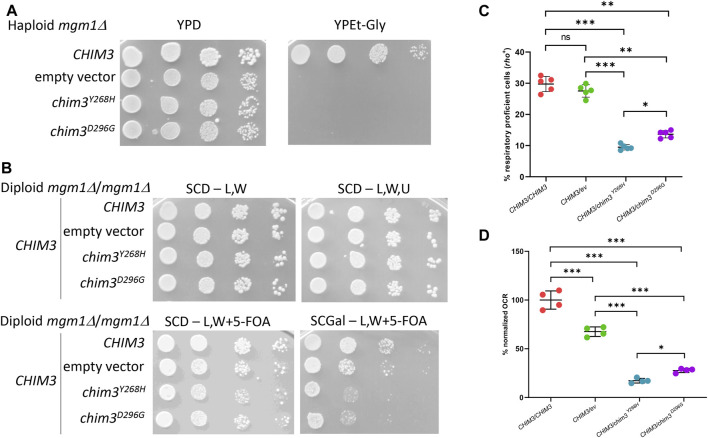 Figure 7
Peer Reviews
No public reviews on file for this paper yet. If you reviewed it on a platform where reviews are public (OpenReview, ICLR, NeurIPS, ICML), you can paste yours below so the community can read it here.
Videos
No videos yet. Explain this paper in a talk, walkthrough, or lecture? Add one.
Taxonomy
TopicsMitochondrial Function and Pathology · ATP Synthase and ATPases Research · Metabolism and Genetic Disorders