Comparative Study of Neutral and Cationic Sn2H2: Toward Laboratory Detection of the Cation
Samuel Biggerstaff, Nathaniel L. Kitzmiller, Justin M. Turney, Henry F. Schaefer

TL;DR
This study compares the structures and properties of neutral and cationic tin hydride molecules to guide future laboratory detection of the cationic form.
Contribution
The study provides the first CCSD(T) harmonic frequencies and CCSDT(Q)/CBS energies for Sn2H2 isomers and identifies the butterfly isomer as the global minimum.
Findings
The butterfly isomer is the global minimum for both neutral and cationic Sn2H2.
Seven minima and fifteen transition states were identified in the potential energy surface.
Bond order changes between neutral and cationic species were analyzed using NBO.
Abstract
Group 14 M2H2 isomers (M = Si, Ge, Sn, and Pb) have attracted interest due to their radically differing electronic structures from acetylene. To better understand the Sn–H interactions of the neutral and cationic Sn2H2 structures, we present the most rigorous study of these systems to date. CCSD(T)/cc-pwCVTZ harmonic frequencies are presented as the first predictions for the neutral and cationic species to date. CCSDT(Q)/CBS relative energies are reported using the focal point approach, confirming the butterfly isomer as the global minimum on the potential energy surface for both the neutral and cationic species. In all, there exist 7 minima and 15 transition states. NBO analysis is also performed to elucidate the changes in bond order going from neutral to cation across all isomers of Sn2H2. Our results provide insights into the important Sn–H interaction and provide guidance for…
Genes, proteins, chemicals, diseases, species, mutations and cell lines named across the full text — each resolved to its canonical identifier and authoritative record.
Click any figure to enlarge with its caption.
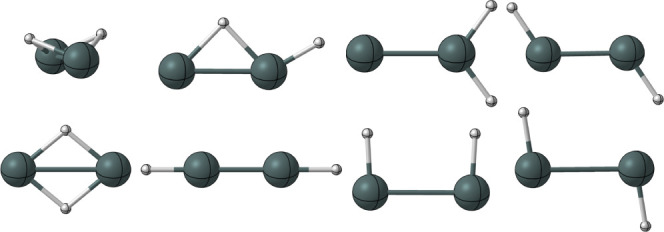 Figure 1
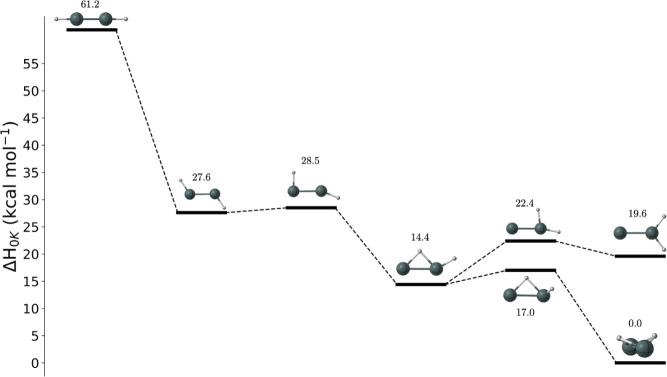 Figure 2
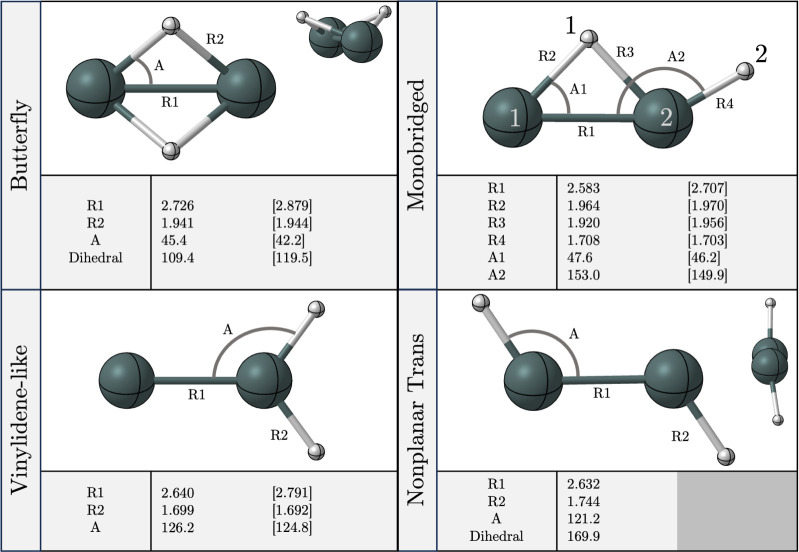 Figure 3
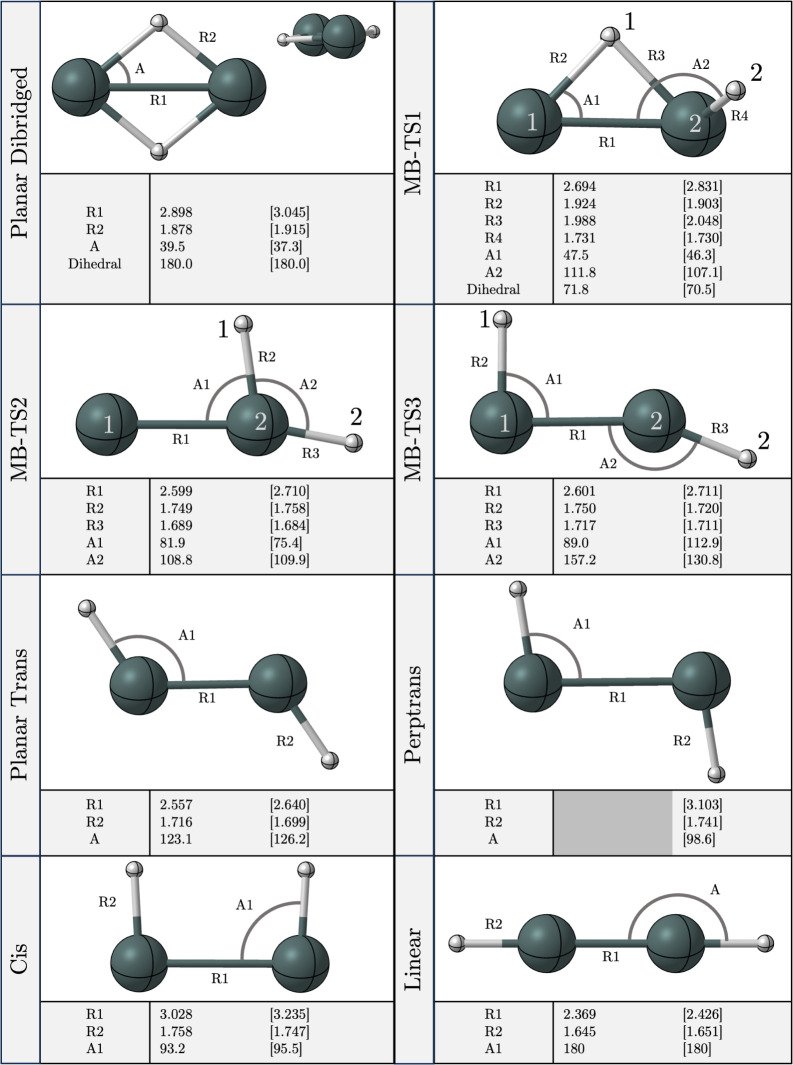 Figure 4
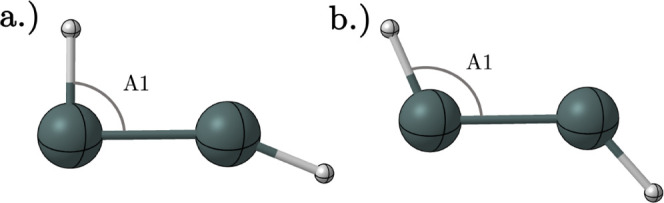 Figure 5
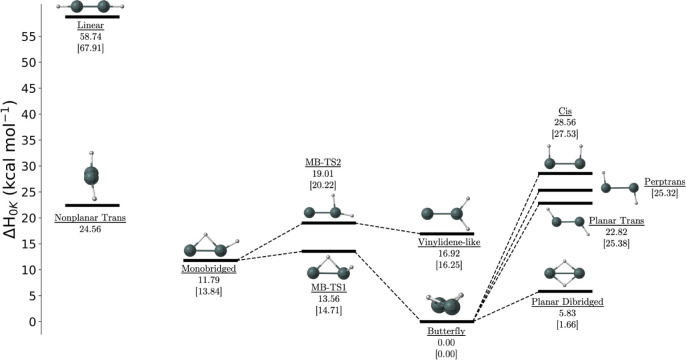 Figure 6
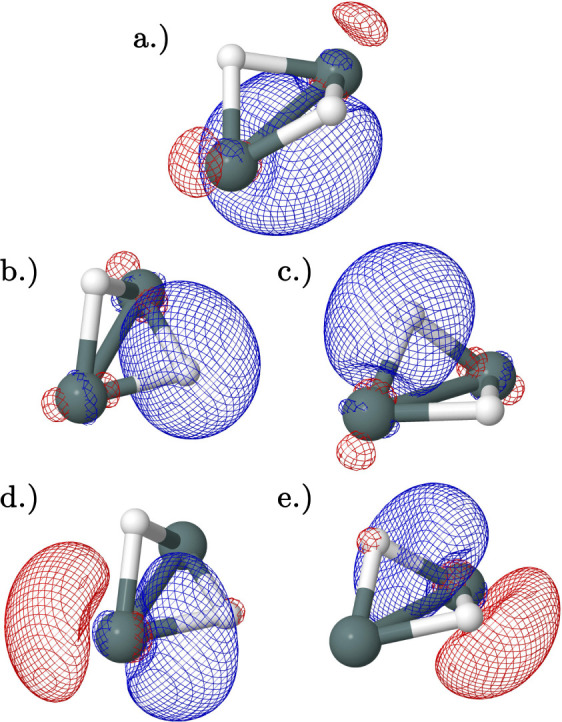 Figure 7
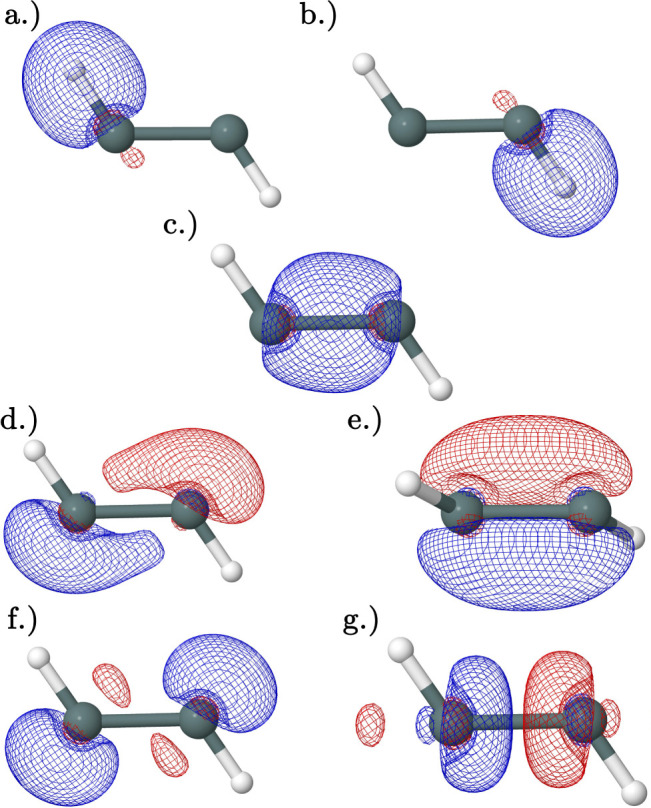 Figure 8
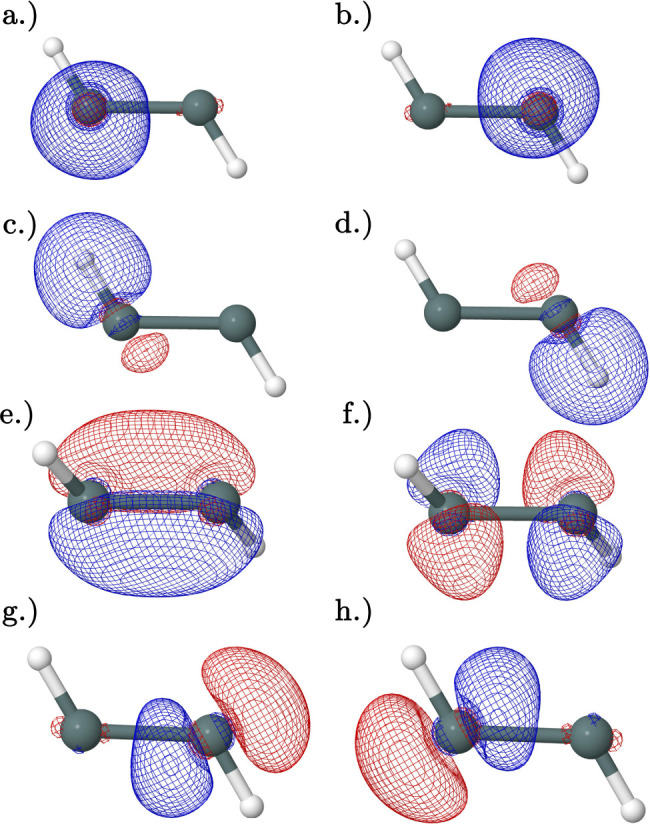 Figure 9
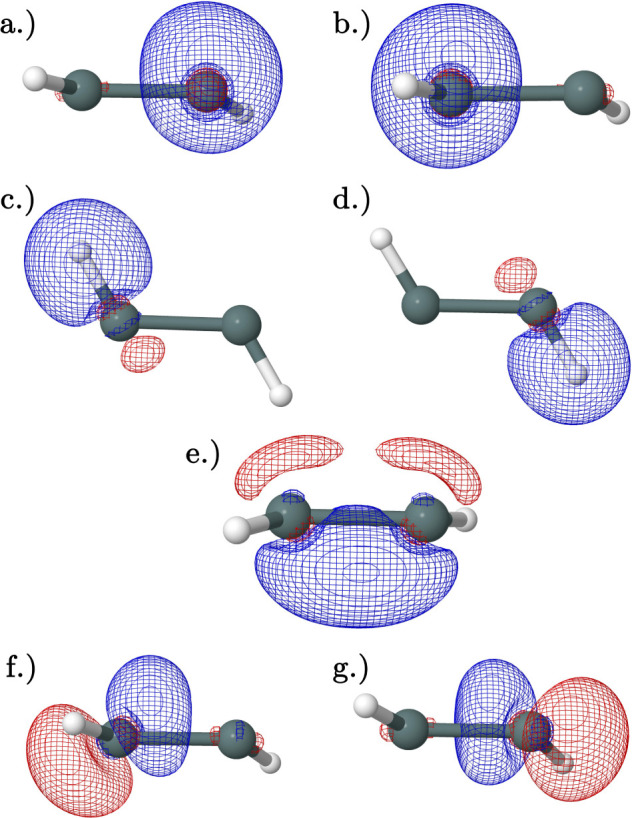 Figure 10
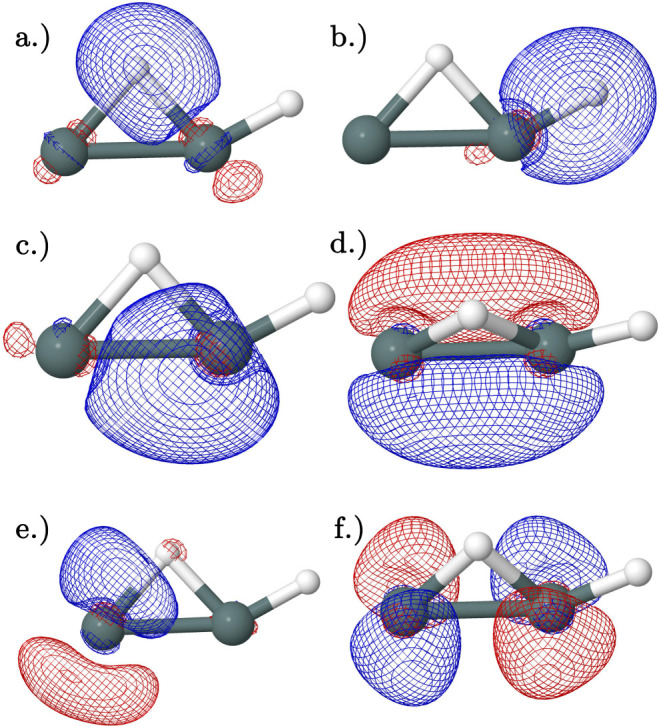 Figure 11
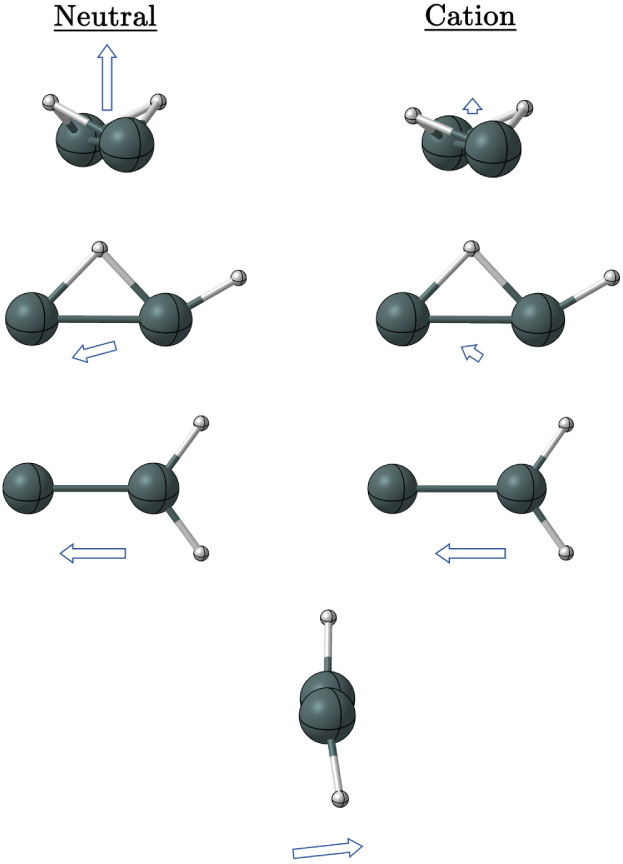 Figure 12
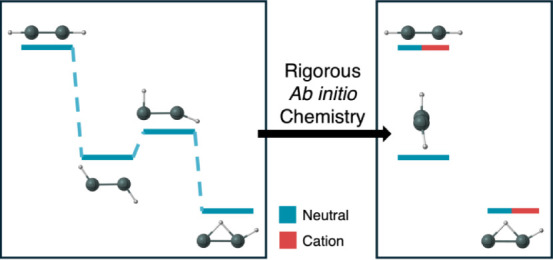 Figure 13
 Figure 14
 Figure 15
Peer Reviews
No public reviews on file for this paper yet. If you reviewed it on a platform where reviews are public (OpenReview, ICLR, NeurIPS, ICML), you can paste yours below so the community can read it here.
Videos
No videos yet. Explain this paper in a talk, walkthrough, or lecture? Add one.
Taxonomy
TopicsCrystallography and molecular interactions · Inorganic Fluorides and Related Compounds · Solid-state spectroscopy and crystallography