Regulatory role of N6-Methyladenosine on skeletal muscle development in Hu sheep
Junfang Jiang, Liangyong Guo, Xin Huang, Kaizhi Zheng, Sangang He, Huili Shan

TL;DR
This study explores how N6-methyladenosine (m6A) RNA modification influences skeletal muscle development in Hu sheep by analyzing gene expression and methylation patterns.
Contribution
The study identifies specific m6A-regulated genes involved in skeletal muscle development in Hu sheep using MeRIP-seq and RNA-seq.
Findings
285 m6A differentially methylated peaks were identified between newborn and six-month-old Hu sheep.
283 genes were found to be both m6A-modified and differentially expressed, with three genes (RGMB, MAPK8IP3, RSPO3) validated for muscle growth.
DMGs and DEGs were enriched in pathways related to actin binding, cellular transport, and metabolic processes.
Abstract
N6-Methyladenosine (m6A) RNA modification plays an essential role in many biological processes. To investigate the regulatory role of m6A on the skeletal muscle development in Hu sheep, this study took newborn Hu sheep (b_B Group) and six-month-old Hu sheep (s_B Group) as the objects. MeRIP-seq and RNA-Seq analysis techniques were used to detect differentially methylated genes (DMGs) and differentially expressed genes (DEGs) in the longissimus dorsi muscle of Hu sheep at different months of age. Then, conjoint analysis was further employed to screen for key genes involved in skeletal muscle development that are modified by m6A and expressed by mRNA. According to the results of the MeRIP-seq analysis, there were 285 m6A differentially methylated peaks (DMPs) in total between b_B Group and s_B Group, with 192 significant upregulated peaks and 93 significant downregulated peaks. GO and…
Genes, proteins, chemicals, diseases, species, mutations and cell lines named across the full text — each resolved to its canonical identifier and authoritative record.
Click any figure to enlarge with its caption.
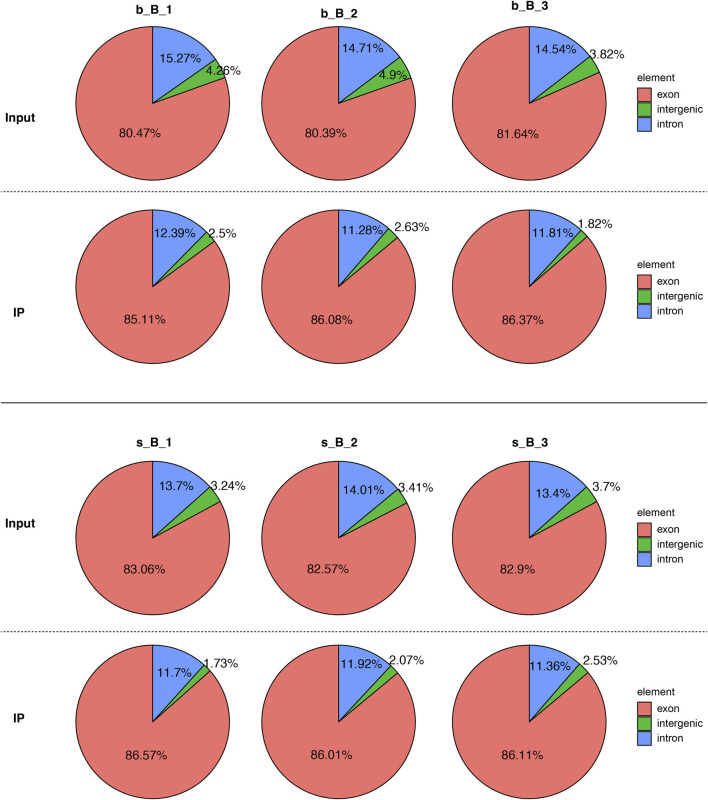 Figure 1
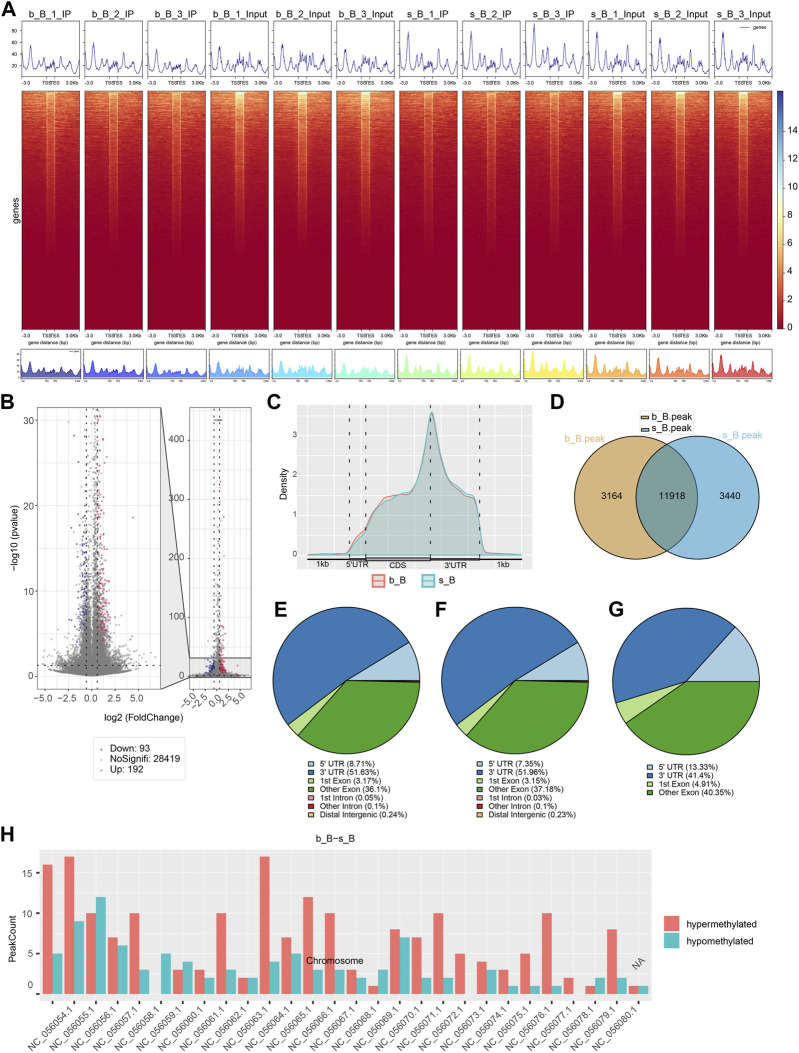 Figure 2
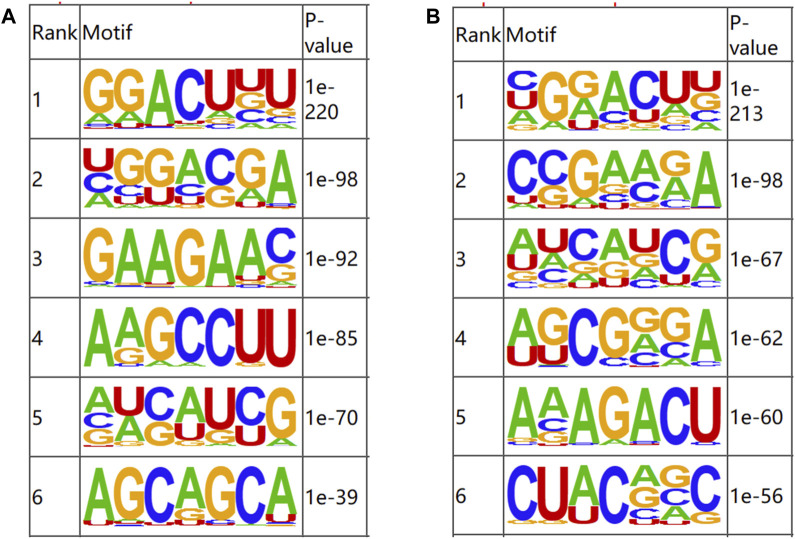 Figure 3
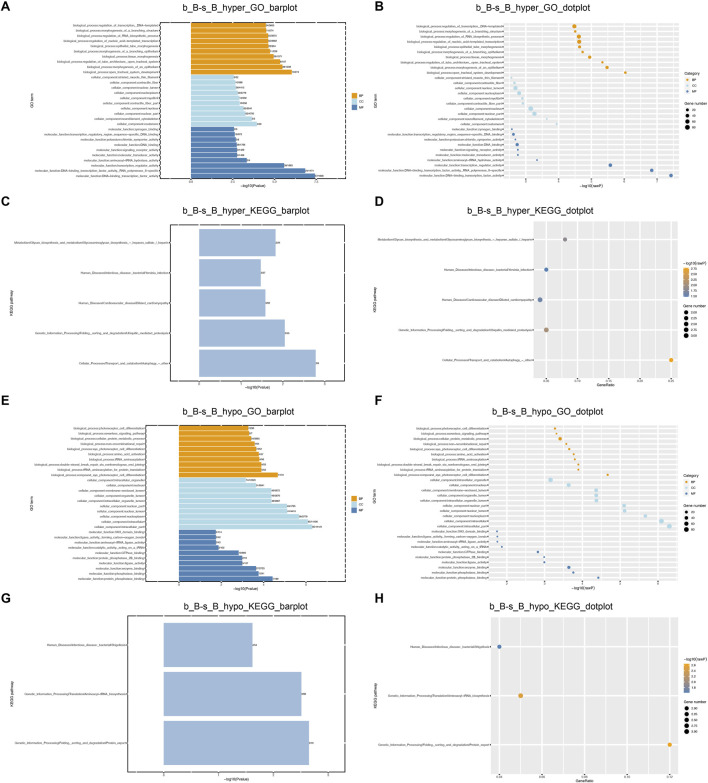 Figure 4
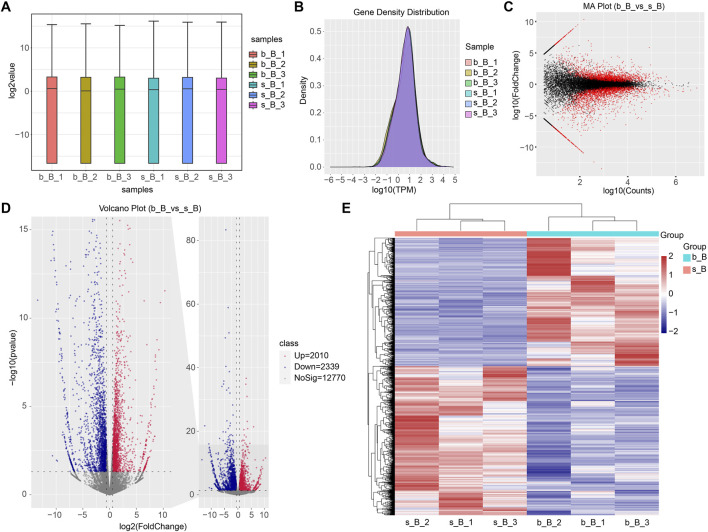 Figure 5
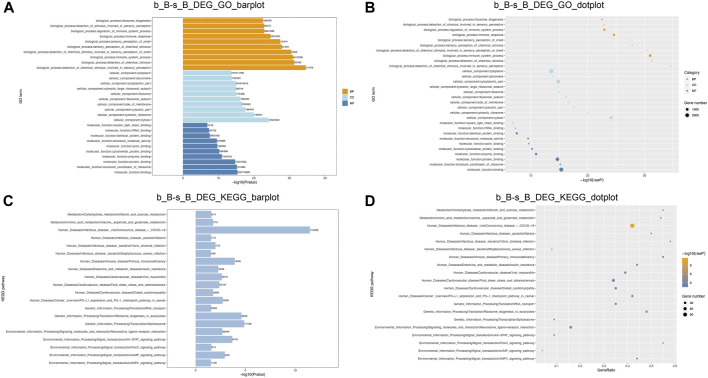 Figure 6
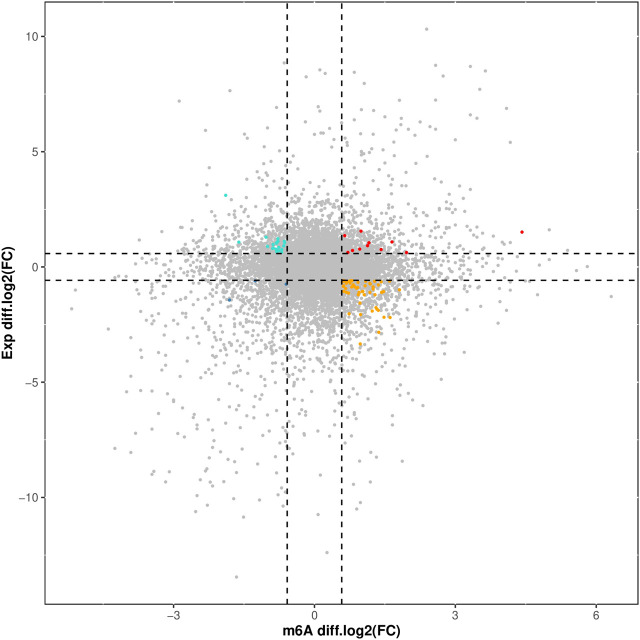 Figure 7
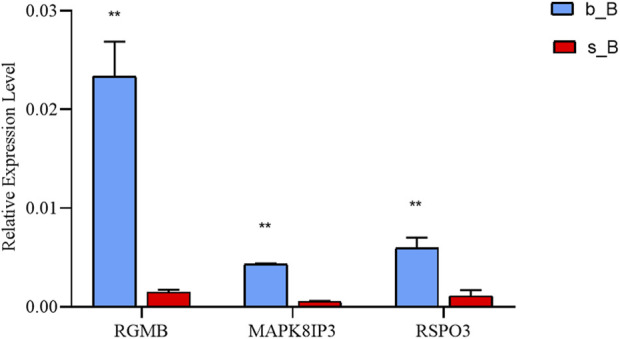 Figure 8
Peer Reviews
No public reviews on file for this paper yet. If you reviewed it on a platform where reviews are public (OpenReview, ICLR, NeurIPS, ICML), you can paste yours below so the community can read it here.
Videos
No videos yet. Explain this paper in a talk, walkthrough, or lecture? Add one.
Taxonomy
TopicsRNA modifications and cancer · Cancer-related gene regulation · Cancer-related molecular mechanisms research