Laser Therapy: An Alternative Approach for the Management of Halitosis
Vaishnavi R Waikar, Neha Pankey, Vidya Lohe

TL;DR
This paper explores laser therapy as a new treatment for bad breath caused by bacteria in the mouth.
Contribution
The study introduces laser therapy as a novel treatment for halitosis using the Epic Biolase Laser.
Findings
Laser therapy effectively reduces bacteria that cause bad breath.
Combining laser therapy with traditional methods improves treatment outcomes.
The wireless laser design offers convenience and aseptic operation.
Abstract
Halitosis is the result of combining the Greek word "osis" (pathological alteration) with the Latin phrase "halitus" (breath). No matter what the cause, halitosis can be described as the presence of a foul odour. Effective treatment of halitosis may be facilitated by knowledge of the illnesses and factors that contribute to the condition as well as its symptoms. To properly diagnose and treat patients, healthcare professionals, general practitioners, and dentists must comprehend the cause of the ailment and the best course of treatment. A prevalent issue affecting a large proportion of the global population is halitosis. In 90% of cases, the onset of this illness is oral; however, in 10% of cases, it is systemic. The primary source of the unpleasant smell is the volatile sulphur compounds that Gram-negative bacteria create. The majority of halitosis sufferers find their disease…
Genes, proteins, chemicals, diseases, species, mutations and cell lines named across the full text — each resolved to its canonical identifier and authoritative record.
Click any figure to enlarge with its caption.
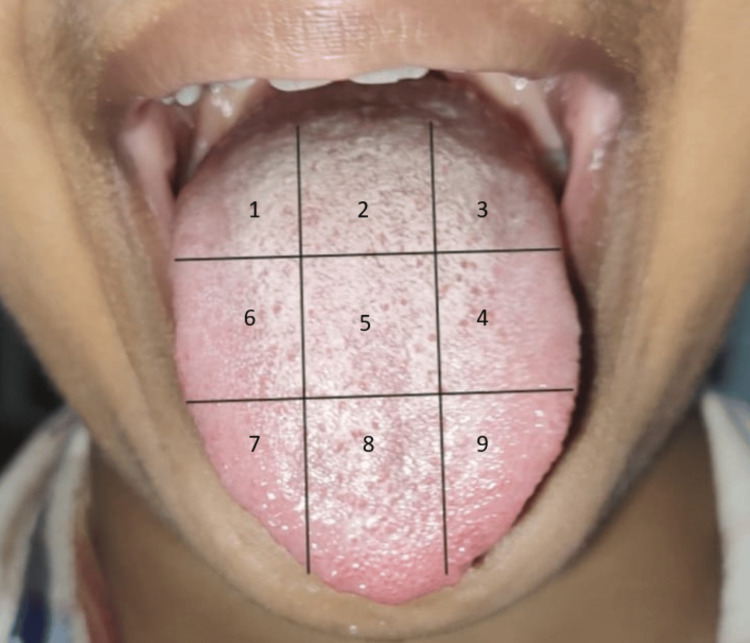 Figure 1
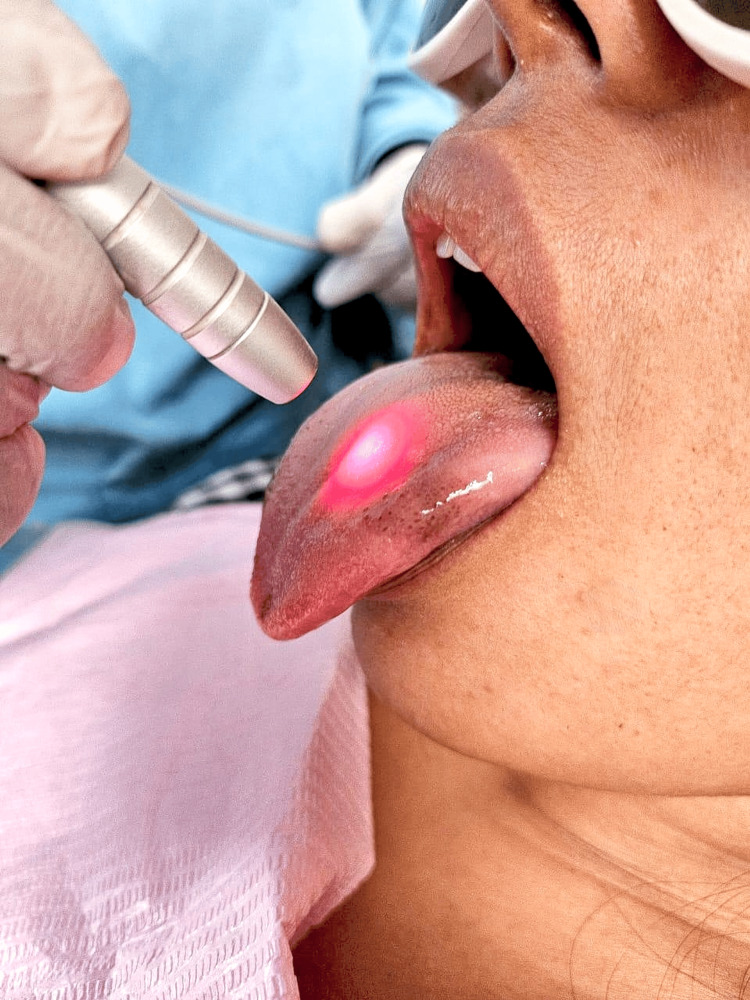 Figure 2
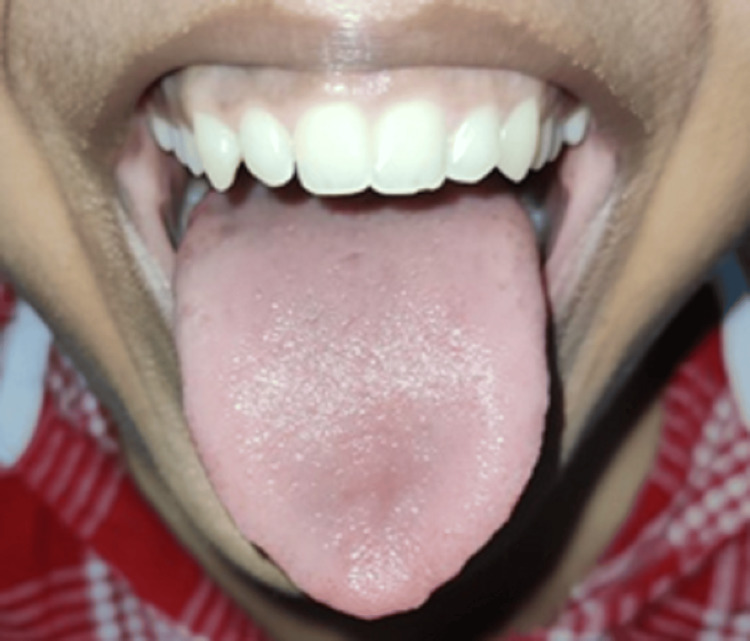 Figure 3
Peer Reviews
No public reviews on file for this paper yet. If you reviewed it on a platform where reviews are public (OpenReview, ICLR, NeurIPS, ICML), you can paste yours below so the community can read it here.
Videos
No videos yet. Explain this paper in a talk, walkthrough, or lecture? Add one.
Taxonomy
TopicsLaser Applications in Dentistry and Medicine · Dental Anxiety and Anesthesia Techniques · Oral microbiology and periodontitis research
Introduction
The American Dental Association describes the Latin term "halitus" (breath) and the Greek word "osis" (pathological alteration) as combined, halitosis emerged. Halitosis is characterized as the presence of an unpleasant odour in exhaled air, regardless of the reason. Most halitosis patients are embarrassed by their illness, which interferes with their social life and everyday activities [1]. Furthermore, poor breath may signal an underlying ailment. Understanding the conditions and causes that contribute to halitosis and associated symptoms could aid in the effective management of this ailment. Healthcare practitioners, particularly primary care physicians and dental experts, must understand the disease's genesis and suitable therapy to identify and treat patients correctly.
Halitosis is classified as genuine halitosis, pseudo-halitosis, and halitophobia. "Genuine halitosis" is an odour that is not acceptable among people [2]. "Pseudo-halitosis" is when a patient complains about having awful breath, but others cannot use scientific testing to identify it clinically [3]. Despite the fact that the issue has been fully resolved and there is no social or clinical evidence to back up their concerns, patients still think they have terrible breath. The term "Halitophobia" refers to this disorder [4].
Volatile sulphur compounds (VSCs) are primarily responsible for bad breath. They are created when anaerobic Gram-negative bacteria, such as "Eubacterium", "Bacteroides forsythus", "Tannerella forsythia", "Porphyromonas gingivalis", "Treponema denticola", and "Fusobacterium nucleatum", act on substrates containing sulphur in the oral cavity [5-7]. These bacteria's metabolism produces "hydrogen sulphide" (H2S), "methanethiol" (CH3SH), and "dimethyl sulphide" (CH3SCH3)-containing VSCs. These substance concentrations are used to detect halitosis [8-11]. However, the prevalence of halitosis may be underestimated because some people may not even be aware of their poor breathing circumstances [12]. When these individuals start interacting with others, the issue intensifies and leads to social isolation within the larger group. It has been found to be disgusting and primitive, and patients even feel ashamed of it [13,14]. Halitosis may also, to some extent, have an impact on community members' productivity at work and the related healthcare system.
Case presentation
A 16-year-old patient presented with a chief complaint of bad breath for one year. The patient was alright one year ago, but then she started noticing bad breath and a white coating on the tongue, which was scrapable. Medical history was not significant. The patient gave a past dental history of relapse for three years because of which there were carious teeth and poor oral hygiene. In the morning, it worsens because of improper brushing technique and consumption of certain foods like garlic, onion, and spices which leave the odour throughout the day. An intraoral examination was carried out. All teeth were present in the oral cavity. Occlusal caries were present on the tooth numbers 16 and 17. The tongue was coated with a white layer as shown in the preoperative image of the tongue (Figure 1). There were no grooves and fissures present. Retention of food and plaque was seen on the anterior. The indices were made on the tongue, and it is separated on the tongue into six or three sections based on the presence of tongue coating in each region. Now, each region could be categorised as light or heavy [15]. In the corners of the tongue from right to left in cross-checkered method, i.e., first, third, fourth, sixth, seventh, eighth and ninth region, we can see there is a light layer on the tongue. As on the second and fifth region, there is a heavy white coat present which is the centre of the tongue.
Preoperative image of the tongue showing sections indicates a light or heavy white coating on the tongue.
Evaluation of the tongue is done in this next stage, where it is to use their sense of smell to conduct an "organoleptic examination" or assessment. In order to do this, the patient must follow a set of instructions before being assessed which are to stay away from spicy foods, onions, and garlic over the past one or two days, do not use scented cosmetics, food, coffee, or oral hygiene products in the last eight hours, and should not consume any water for the last three hours [16]. The "Rosenberg scale" is one of the organoleptic scales which was used to record the intensity of an odour. In order to assess the effectiveness of anti-odour agents, the 0-5 organoleptic scale is frequently used in breath research and trials, where 0 represents no odour to 5 being the overpowering odour.
The "Epic Biolase Laser" is a most robust dental lasers. It is a semiconductor medium which generates invisible infrared radiation by using a solid-state diode. The manufacturer named it "BIOLASE" as it is originated from the USA. Various tips are designed to be used in different types of surgical procedures. This device operates aseptically and offers more convenience due to its wireless design, which is powered by a Bluetooth foot pedal. A distinctive feature improves patient comfort by preventing overheating of surrounding tissues and reducing the risk of tissue charring. As shown in Figure 2, it is used on affected areas of the tongue to treat halitosis. As it is a low-power energy laser, laser emission is 980 nm followed with the adjuvant of 3% hydrogen peroxide irrigation in a continuous and non-contact mode with a beamspot area of 0.094 cm and irradiation region of 0.254 cm^2^ per point. When laser was used, irradiation parameters were 10 μsec/pulse duration, 10 kHz, pick power of 10 W, and average power of 1 W. They are evenly distributed uniformly over the target area of tongue. This is used to reduce bacteria, followed by periodic maintenance afterwards to control the bacteria. The duration of the treatment lasted for four to five sessions. Four weeks after treatment, patients were re-examined, and at that point, if additional laser treatment was necessary, it was decided. There were no adverse impacts or complications. Carious teeth were restored, and "Ultrasonic scaling" was done to remove the debris and plaque from the teeth.
Photograph showing Epic Biolase Laser.
In combination with this, there are some conventional techniques which can be used to kill the bacteria that include "mouthwash", "chewing gum", and " lozenges" that usually contain alcohol, zinc, chlorhexidine, and essential oils. Using a tongue scraper is also advised. These techniques, however, are only effective for brief periods of time. There is a search on for alternative safe ways to eliminate or lessen the odours. In addition to cleaning all tooth surfaces and removing plaque, a good dental brushing routine also pays attention to cleaning under the gingival line. Although many modern toothbrushes are made to help with this, most patients are not persistent or skilled enough to perform the essential oral exercises. A proper modified bass brushing technique must be used. An easy and efficient solution is electric brushes [17]. Without consistent daily flossing, halitosis will never improve. Additionally, it needs to be done efficiently, reaching below the gingival line to get rid of any hidden plaque. The tongue is the largest reservoir of bacteria that produce vitamin C, although the second largest spaces are the gingival pockets between teeth. Make sure to utilize any additional interdental cleaning tools that have been prescribed to you on a daily basis. Just scrubbing your tongue is insufficient. It is necessary for you to use an appropriate tongue-cleaning tool. You may find a lot of these cleaners at pharmacies and dental offices. Instead of brushing, the tongue cleaners are used to remove plaque from the tongue. Additionally, they exfoliate the dead skin cells from the skin's outermost layers. This tissue produces an excellent environment for the bacteria that produce volatile sulphur compounds (VSCs), which in turn adds to sour breath. Cleaning the tongue as far back as possible is also crucial. This is accomplished by scraping with the tongue extended as far as feasible. One gram of alum and a pinch of rock salt dissolved in a glass of warm water which should be use to gargle your mouth should be used to treat bad breath and it can strengthen the gums too [18].
Following the forementioned cleanliness precautions, using an effective antibacterial mouthwash helps eliminate any remaining VSC-producing germs and inhibits their growth. For this, Listerine and its generic counterparts are suitable. Peridex, a prescription mouthwash, is even more effective in circumstances where resistance is higher. If at all feasible, the mouthwash should be thoroughly swished between the teeth, over the tongue, and in the throat for a minute. Additionally, some mouthwashes with more recent formulas say they can break down volatile synthetic compounds (VSCs). Follow-ups were taken every six weeks for one year. The changes were seen in the oral cavity. The tongue was appeared to be (normal) pink in colour, and the oral hygiene was improved as we can see the postoperative image of tongue (Figure 3). It also reduces the chance of gingival disease and encourages healthy gums.
Postoperative image of tongue.
Discussion
The efficiency of the Epic Biolase Laser in the current study for the treatment of adolescents was evaluated. Bad odours were eradicated when a laser was applied to the dorsum of the tongue, which terminated the concentration of VSCs. A similar study was carried out in which the author stated many combinations of light and photosensitizers have been used to thoroughly examine the efficacy of photodynamic therapy (PDT) on microorganisms. The types and concentration of photosensitizers, the fluence and fluence rate of the light, and the genera of microorganisms all affect how much photodamage occurs. The majority of examined microorganisms are sensitive to PDT, such as Salmonella typhimurium and Escherichia coli, while Candida albicans need a greater dosage [19].
A study was conducted in which it was shown that using a tongue scraper in conjunction with mouthwash can reduce the number of bacteria on the coated tongue, albeit slightly and over an extended period of time [20]. In this study, uneven properties of the tongue’s surface are linked to this restricted decrease in bacteria, which emphasizes the necessity of daily oral hygiene management to sustain a low level of bacterial multiplication [21]. When it came to lowering oral VSC levels, the tongue cleaner-a-brush and scraper combo performed marginally better than the tongue scraper and a standard toothbrush. However, the therapeutic effectiveness of the treatment in lessening oral malodour is still debatable due to its short duration [22]. It provides long-term efficacy on intraoral halitosis both with and without adjunct tongue scraping with the effects of a mouth rinse with zinc acetate (0.3%) and chlorhexidine diacetate (0.025%) [23]. Although it decreased organoleptic scores and the tongue coating index, using a tongue scraper did not enhance the advantages of the active mouth rinse [24]. Therefore, the current study suggests that the Epic Biolase laser can treat halitosis with promising results. Still, it is possible that the best outcomes might come from combining the two approaches.
The benefits and results we achieve after the treatment are long-lasting fresh breath (by addressing the underlying reasons for foul breath, our treatments yield effects that last). Laser therapy lowers the risk of gum disease and promotes gum health in addition to treating halitosis. In this way, oral health is improved. It is a comfortable non-invasive and safe procedure. You will notice a difference in your social interactions and sense of self when you have new breaths, which helps to boost your self-esteem.
Conclusions
Applying laser therapy to the dorsum of the tongue showed promising outcomes, and it might be recommended as a rapid, efficient, conservative, noninvasive treatment for halitosis in adolescents. Four weeks after treatment, patients were re-examined and for every six weeks for a year, follow-ups were conducted. Compared to conventional techniques of treating this condition, laser therapy successfully eradicates bacteria that create volatile chemicals and will effectively wipe off bad breath for a prolonged duration of time. A problem that is underappreciated by people worldwide is halitosis. It significantly affects social disengagement and quality of life. This social issue needs to be resolved, and remedies that require the least amount of intrusion are needed.
The reference list from the paper itself. Each links out to its DOI / PubMed record.
- 1A current approach to halitosis and oral malodor: a mini review Open Dent J Bicak DA 3223301220182976082510.2174/1874210601812010322 PMC 5944123 · doi ↗ · pubmed ↗
- 2Examination, classification, and treatment of halitosis; clinical perspectives J Can Dent Assoc Yaegaki K Coil JM 257261662001 https://cda-adc.ca/JCDA/vol-66/issue-5/257.pdf 10833869 · pubmed ↗
- 3Extra-oral halitosis: an overview J Breath Res Tangerman A Winkel EG 170034201010.1088/1752-7155/4/1/01700321386205 · doi ↗ · pubmed ↗
- 4Halitosis: prevalence, risk factors, sources, measurement and treatment: a review of the literature Aust Dent J Wu J Cannon RD Ji P Farella M Mei L 4116520203161003010.1111/adj.12725 · doi ↗ · pubmed ↗
- 5Vaccines and photodynamic therapies for oral microbial-related diseases Curr Drug Metab Liu PF Zhu WH Huang CM 90941020091914951710.2174/138920009787048365 PMC 2776031 · doi ↗ · pubmed ↗
- 6In vitro antimicrobial effects of two antihalitosis mouth rinses on oral pathogens and human tongue microbiota Int J Dent Hyg Raangs GC Winkel EG van Winkelhoff AJ 2032071120132336888510.1111/idh.12014 · doi ↗ · pubmed ↗
- 7Comparison of the use of the Halimeter and the Oral Chroma™ in the assessment of the ability of common cultivable oral anaerobic bacteria to produce malodorous volatile sulfur compounds from cysteine and methionine Med Princ Pract Salako NO Philip L 75792020112116021910.1159/000319760 · doi ↗ · pubmed ↗
- 8Saliva and tongue coating p H before and after use of mouthwashes and relationship with parameters of halitosis J Appl Oral Sci Tolentino Ede S Chinellato LE Tarzia O 90941920112155270710.1590/S 1678-77572011000200002 PMC 4243744 · doi ↗ · pubmed ↗