Transcriptomic analysis of Asparagus officinalis cultivars with varying levels of freezing tolerance over fall acclimation and spring deacclimation periods
Arshdeep Singh Gill, David J. Wolyn

TL;DR
This study explores how asparagus plants adapt to cold in fall and lose tolerance in spring by analyzing gene activity in two cultivars.
Contribution
The study identifies specific genes and biological processes linked to freezing tolerance and deacclimation in asparagus.
Findings
Differentially expressed genes increased during fall acclimation and decreased during spring deacclimation.
Genes related to carbohydrate metabolism, hormone signaling, and proline metabolism were associated with freezing tolerance.
Cultivar ‘Guelph Millennium’ showed higher freezing tolerance and distinct gene expression patterns compared to ‘UC157’.
Abstract
Asparagus (Asparagus officinalis L.) is an important vegetable crop in southern Ontario, Canada, where winter air and soil temperatures below 0°C are common. Consequently, cultivars growing in this area must possess winterhardiness and freezing tolerance for survival. Asparagus acquires freezing tolerance in the fall through cold acclimation and loses freezing tolerance in the spring through deacclimation. To understand the molecular bases of these processes, transcriptomic analysis (RNA-Seq) was conducted on two cultivars, one adapted, ‘Guelph Millennium’ (GM), and one unadapted, ‘UC157’ (UC), to the winter conditions of southern Ontario. RNA extracted from bud and rhizome tissues, sampled on three dates during early spring and late fall, was subjected to sequencing. In the fall, the numbers of differentially expressed (DE) genes at the second and third harvests increased, relative to…
Genes, proteins, chemicals, diseases, species, mutations and cell lines named across the full text — each resolved to its canonical identifier and authoritative record.
Click any figure to enlarge with its caption.
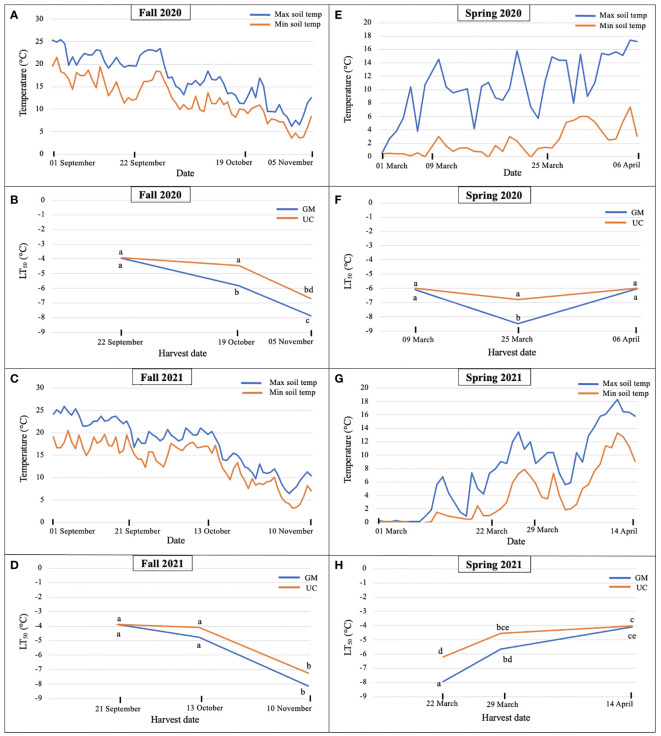 Figure 1
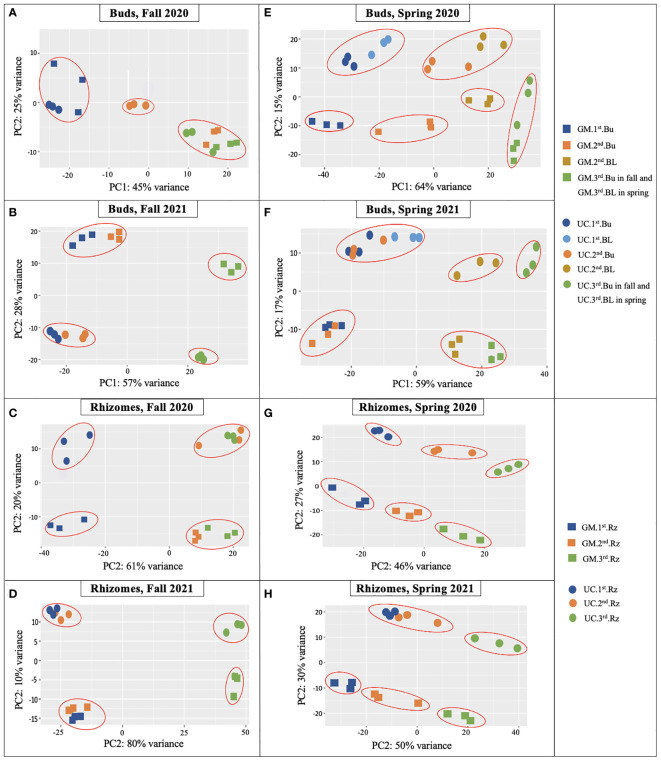 Figure 2
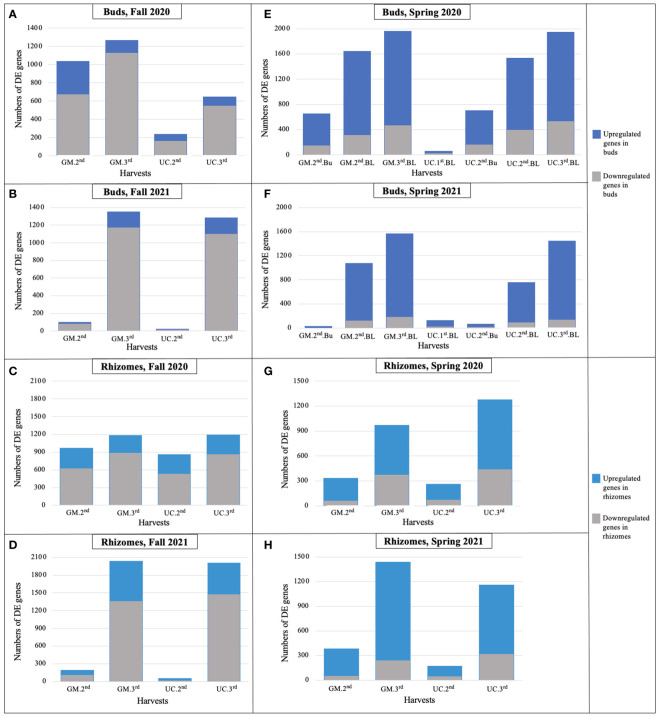 Figure 3
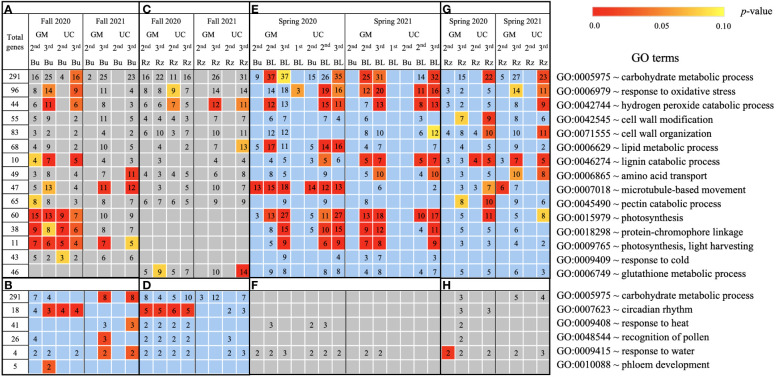 Figure 4
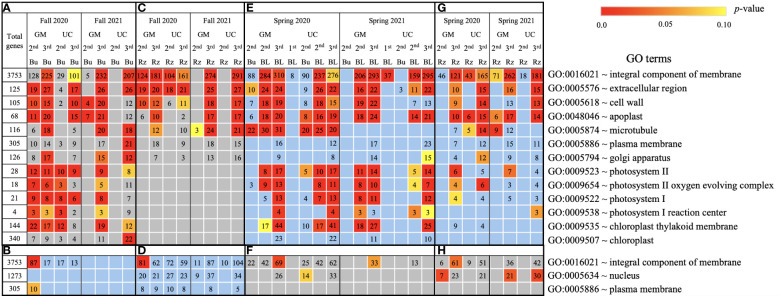 Figure 5
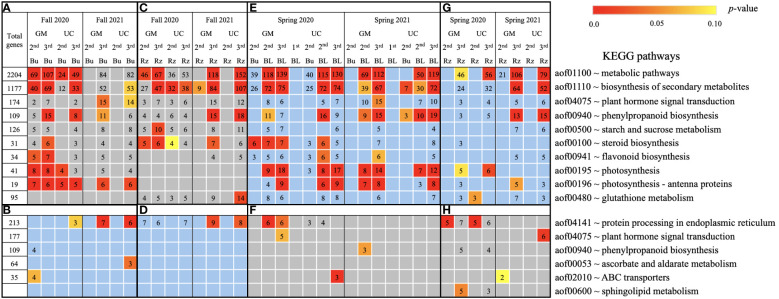 Figure 6
Peer Reviews
No public reviews on file for this paper yet. If you reviewed it on a platform where reviews are public (OpenReview, ICLR, NeurIPS, ICML), you can paste yours below so the community can read it here.
Videos
No videos yet. Explain this paper in a talk, walkthrough, or lecture? Add one.
Taxonomy
TopicsPhytochemical Studies and Bioactivities · Potato Plant Research · Plant Stress Responses and Tolerance