Osteopontin predicts late-time salience network-related functional connectivity in multiple sclerosis
Zsofia Kakucs, Zsolt Illes, Zsofia Hayden, Timea Berki, Gergely Orsi

TL;DR
This study shows that a protein called osteopontin in the blood can predict changes in brain connectivity related to attention in people with multiple sclerosis over a decade later.
Contribution
The study introduces osteopontin as a potential biomarker for predicting long-term functional connectivity changes in the salience network of MS patients.
Findings
Osteopontin levels correlate with local and interhemispheric brain connectivity in MS patients.
Higher osteopontin is linked to stronger functional connectivity within the salience network.
Serum osteopontin predicts functional connectivity alterations in the salience network 10 years later.
Abstract
Resting-state functional magnetic resonance imaging (rs-fMRI) has been widely utilized to investigate plasticity mechanisms and functional reorganization in multiple sclerosis (MS). Among many resting state (RS) networks, a significant role is played by the salience network (SN, ventral attention network). Previous reports have demonstrated the involvement of osteopontin (OPN) in the pathogenesis of MS, which acts as a proinflammatory cytokine ultimately leading to neurodegeneration. Concentration of serum OPN was related to MRI findings 10.22±2.84 years later in 44 patients with MS. Local and interhemispheric correlations (LCOR, IHC), ROI-to-ROI and seed-based connectivity analyses were performed using serum OPN levels as independent variable along with age and gender as nuisance variables. We found significant associations between OPN levels and local correlation in right and left…
Genes, proteins, chemicals, diseases, species, mutations and cell lines named across the full text — each resolved to its canonical identifier and authoritative record.
Click any figure to enlarge with its caption.
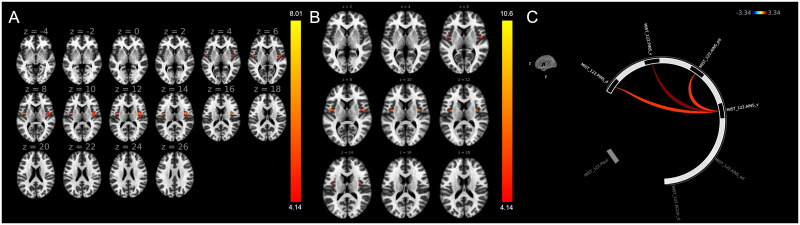 Figure 1
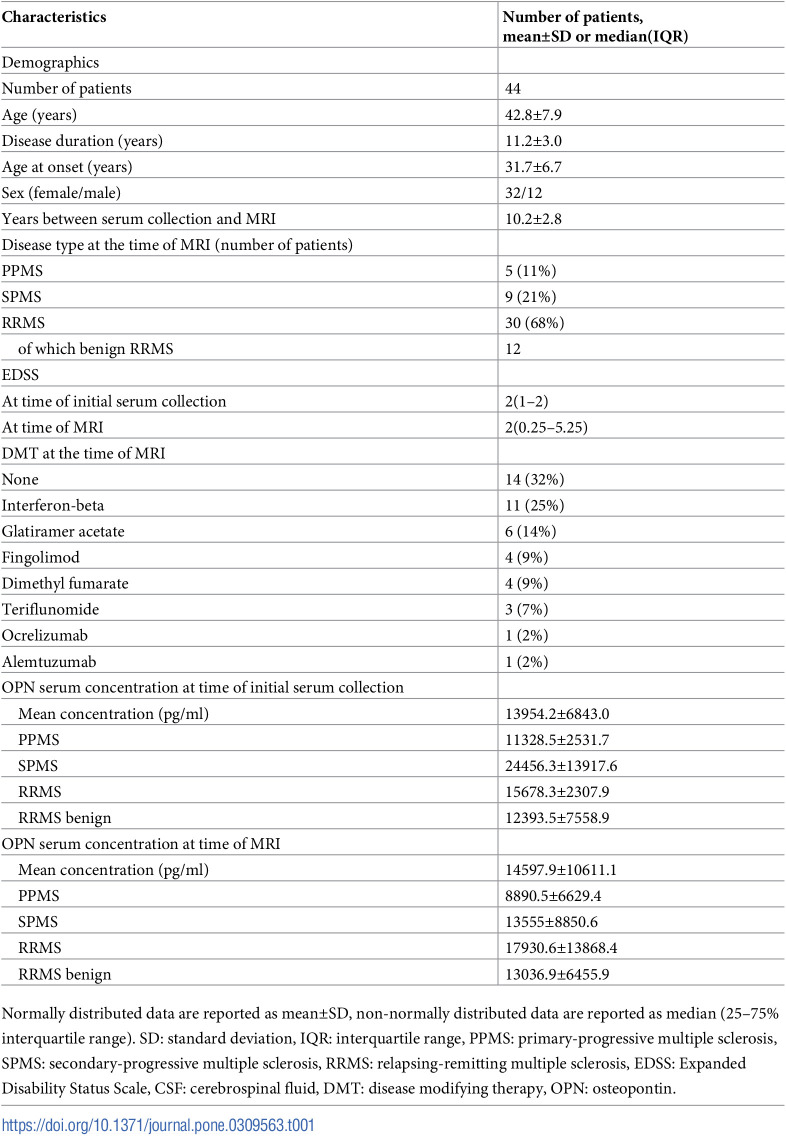 Figure 2
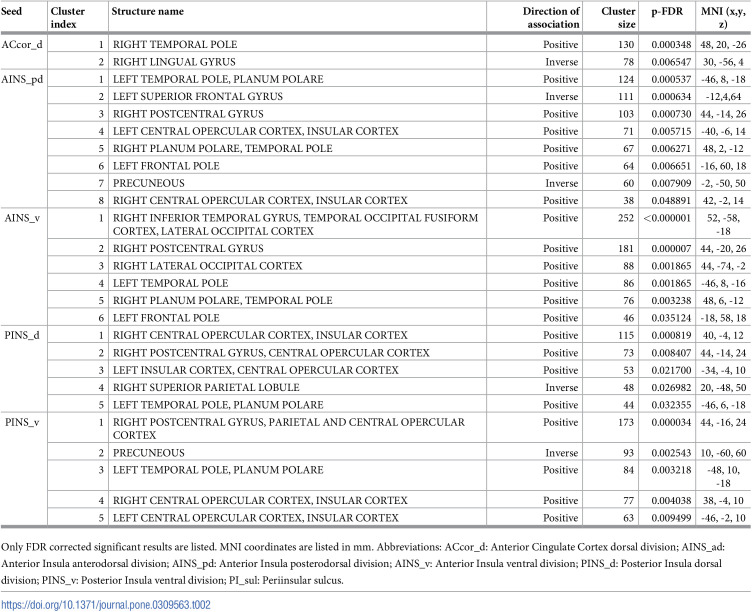 Figure 3
Peer Reviews
No public reviews on file for this paper yet. If you reviewed it on a platform where reviews are public (OpenReview, ICLR, NeurIPS, ICML), you can paste yours below so the community can read it here.
Videos
No videos yet. Explain this paper in a talk, walkthrough, or lecture? Add one.
Taxonomy
TopicsAdvanced Neuroimaging Techniques and Applications · Multiple Sclerosis Research Studies · Neuroinflammation and Neurodegeneration Mechanisms