Physiological effects of filtering facepiece respirators based on age and exercise intensity
Sulbee Go, Yeram Yang, Suhong Park, Hyo Youl Moon, Chungsik Yoon, Redoy Ranjan, Redoy Ranjan, Redoy Ranjan

TL;DR
This study examines how wearing face masks affects breathing and exercise in different age groups, finding minimal impact during daily activities and short-term exercise.
Contribution
The study provides empirical evidence on FFR physiological effects across age groups and exercise intensities.
Findings
FFRs did not significantly alter physiological parameters compared to no mask during treadmill tests.
Respiratory and metabolic parameters increased with exercise intensity but not due to mask type.
O2 and CO2 levels in masks changed with exercise intensity but not dead space volume or mask design.
Abstract
During the coronavirus disease 2019 pandemic, Filtering Facepiece Respirators (FFRs) were highly effective, but concerns arose regarding their physiological effects across different age groups. This study evaluated these effects based on age and exercise intensity in 28 participants (children, young adults, and older individuals). Physiological parameters such as respiratory frequency (Rf), minute ventilation (VE), carbon dioxide production (VCO2), oxygen consumption (VO2), heart rate (HR), metabolic equivalents (METs), percutaneous oxygen saturation (SpO2) and the concentration of O2 and CO2 in the FFRs were measured during treadmill tests with and without FFRs (cup-shaped, flat-folded, and with an exhalation valve). There was no significant difference in physiological effects between the control and FFR types, although Rf, VE, VCO2, VO2, METs, and HR increased with increasing exercise…
Genes, proteins, chemicals, diseases, species, mutations and cell lines named across the full text — each resolved to its canonical identifier and authoritative record.
Click any figure to enlarge with its caption.
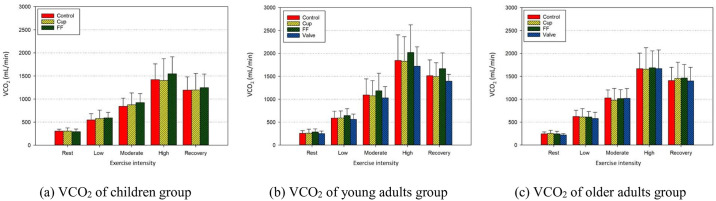 Figure 1
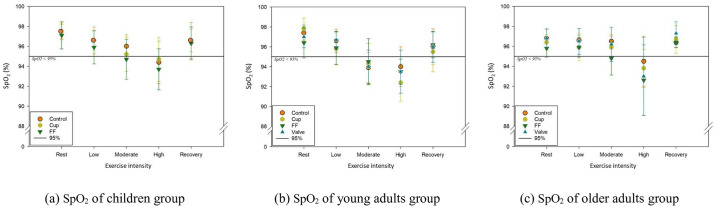 Figure 2
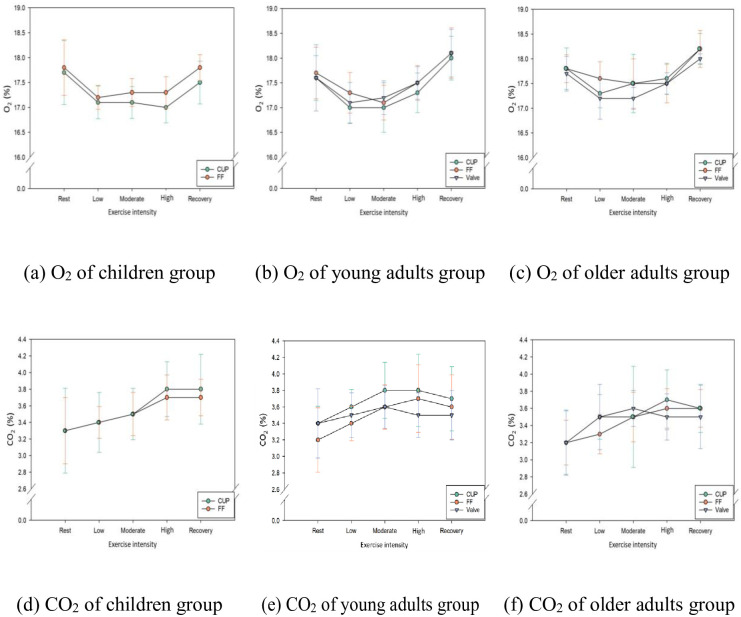 Figure 3
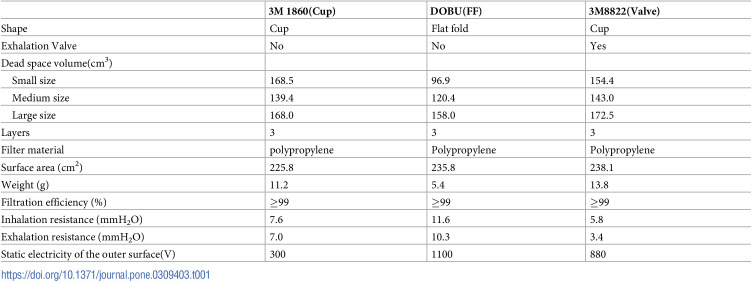 Figure 4
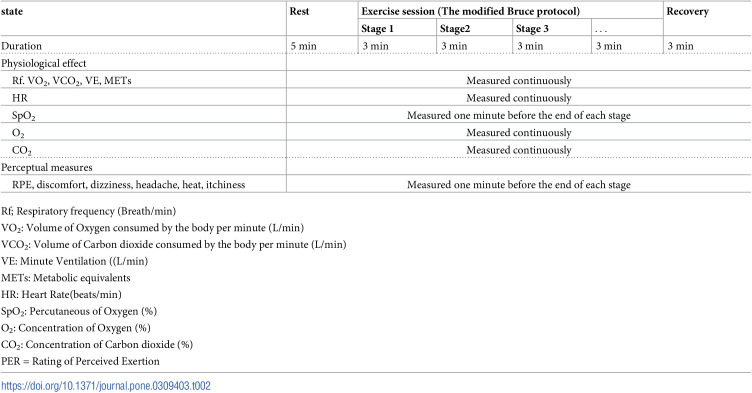 Figure 5
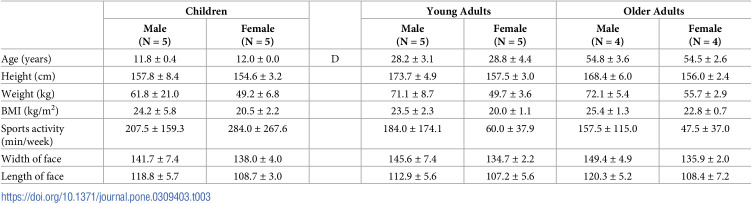 Figure 6
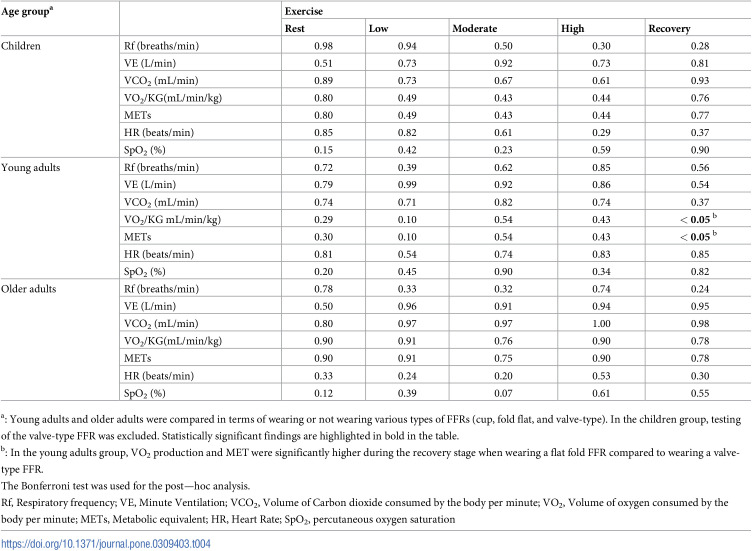 Figure 7
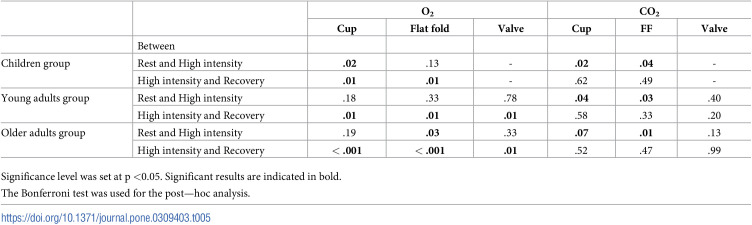 Figure 8
Peer Reviews
No public reviews on file for this paper yet. If you reviewed it on a platform where reviews are public (OpenReview, ICLR, NeurIPS, ICML), you can paste yours below so the community can read it here.
Videos
No videos yet. Explain this paper in a talk, walkthrough, or lecture? Add one.
Taxonomy
TopicsInfection Control and Ventilation