Proteome analysis provides insights into sex differences in Holothuria Scabra
Chuhang Cheng, FeiFei Wu, Yizhi Xu, Chunhua Ren, Ting Chen, Shella Li, Peihong Shen, Fajun Jiang

TL;DR
This study uses proteomics to uncover sex-related proteins in the sea cucumber Holothuria scabra, revealing differences between male and female gonads.
Contribution
The study identifies sex-specific and differentially abundant proteins in H. scabra gonads, providing new insights into their sex differences.
Findings
817 proteins were expressed in both ovary and testis, with distinct up- and down-regulation patterns.
136 ovary-specific and 69 testis-specific differentially abundant proteins were identified.
Nine key genes coding for DAPs were validated using qRT-PCR, highlighting ribosome pathway involvement in the ovary.
Abstract
Sex-determining mechanism is still ambiguous for sea cucumber Holothuria scabra which only manifests gonochorism in gonad. In this study, proteomic analysis was employed to delineate sex-related proteins and genes in gonads of H. scabra, subsequently validated through Quantitative real-time polymerase chain reaction (qRT-PCR). A total of 5,313 proteins were identified via proteome sequencing. Among these, 817 proteins exhibited expression in both the ovary and testis, with 445 proteins displaying up-regulation and 372 proteins showing down-regulation (ovary vs testis). Furthermore, 136 and 69 proteins were identified as ovary-specific and testis-specific Differentially Abundant Proteins (DAPs), respectively. And 9 DAP coding genes which play crucial role in ovary and testis were verified by qRT-PCR. Notably, 24 ovary-bias proteins enriched in ribosome pathway strongly indicated the…
Genes, proteins, chemicals, diseases, species, mutations and cell lines named across the full text — each resolved to its canonical identifier and authoritative record.
Click any figure to enlarge with its caption.
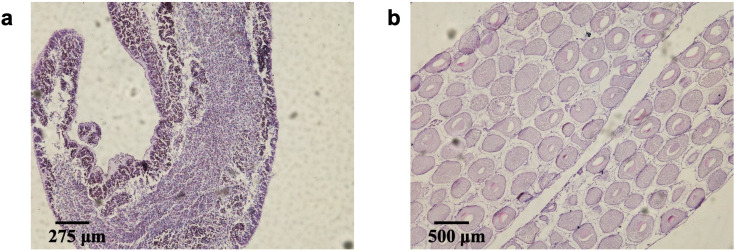 Figure 1
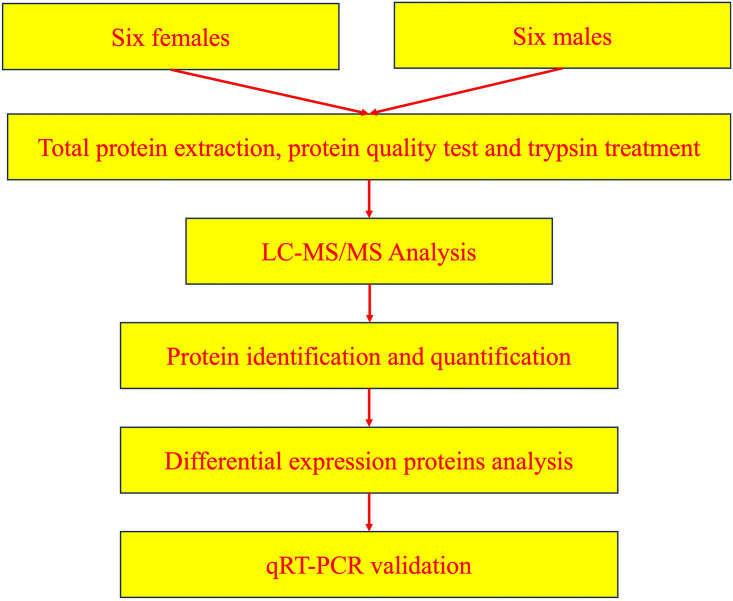 Figure 2
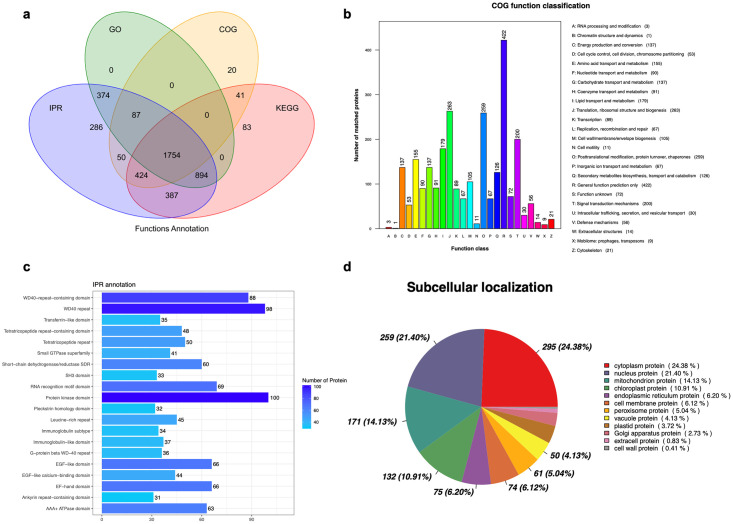 Figure 3
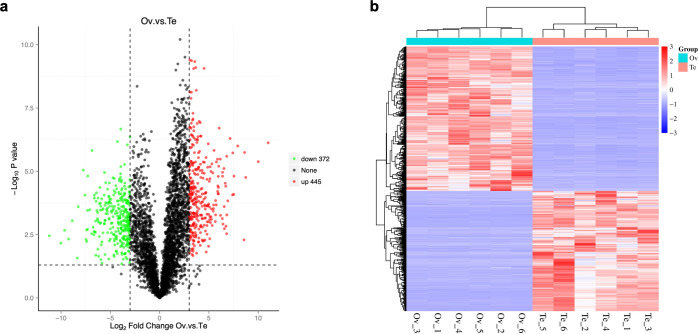 Figure 4
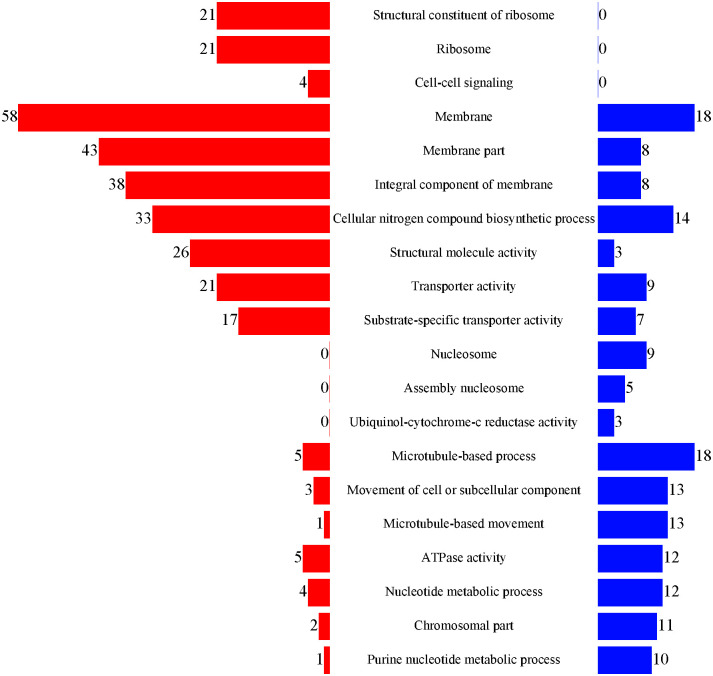 Figure 5
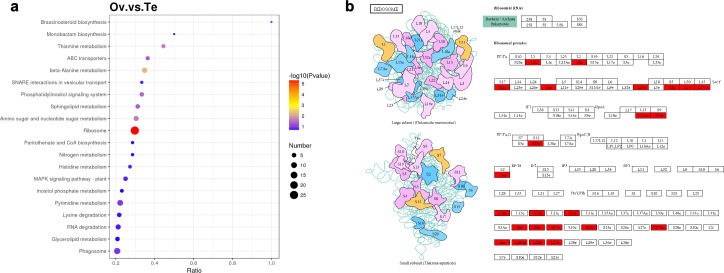 Figure 6
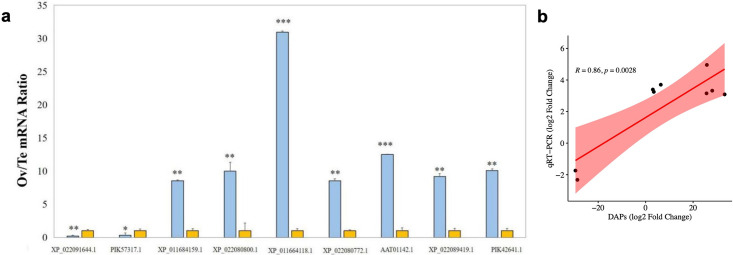 Figure 7
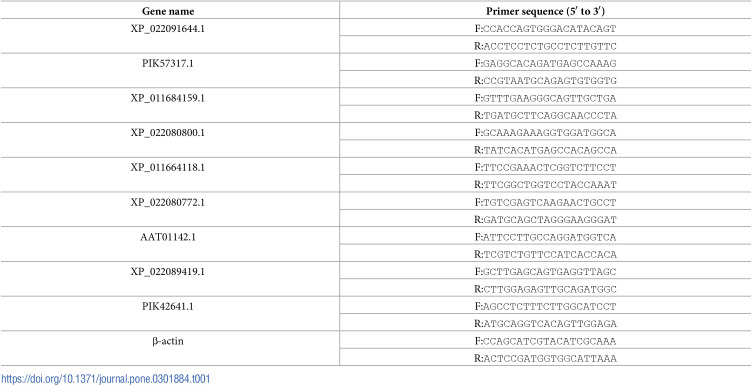 Figure 8
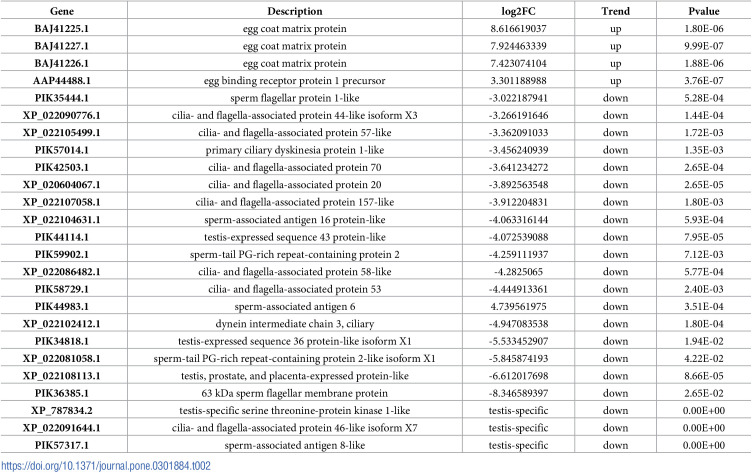 Figure 9
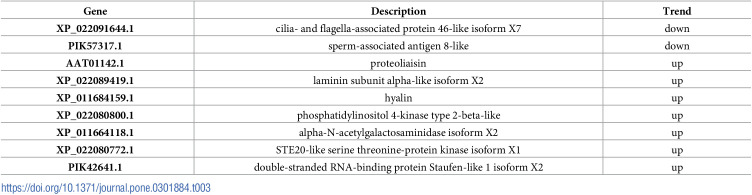 Figure 10
Peer Reviews
No public reviews on file for this paper yet. If you reviewed it on a platform where reviews are public (OpenReview, ICLR, NeurIPS, ICML), you can paste yours below so the community can read it here.
Videos
No videos yet. Explain this paper in a talk, walkthrough, or lecture? Add one.
Taxonomy
TopicsEchinoderm biology and ecology · Seaweed-derived Bioactive Compounds · Marine Bivalve and Aquaculture Studies