Fabrication of a Microfluidic-Based Device Coated with Polyelectrolyte-Capped Titanium Dioxide to Couple High-Performance Liquid Chromatography with Inductively Coupled Plasma Mass Spectrometry for Mercury Speciation
Ji-Hao Chen, Yu-Ting Luo, Yi-An Su, Yan-Ren Ke, Ming-Jay Deng, Wei-Yu Chen, Cheng-Yu Wang, Jia-Lin Tsai, Cheng-Hsing Lin, Tsung-Ting Shih

TL;DR
This paper describes a new microfluidic device that helps identify different forms of mercury in samples like urine and water.
Contribution
A novel microfluidic device coated with polyelectrolyte-capped titanium dioxide for mercury speciation is developed and validated.
Findings
The device successfully detected mercury ions and methylmercury in urine and water samples.
PDADMAC-capped nano-TiO2s provided stable attachment to the device channel due to their positive charge.
The system offers a selective and sensitive method for mercury speciation analysis.
Abstract
Mercury (Hg) is a toxic element which impacts on biological systems and ecosystems. Because the toxicity of Hg species is highly dependent on their concentration levels and chemical forms, the sensitive identification of the chemical forms of Hg—i.e., Hg speciation—is of major significance in providing meaningful information about the sources of Hg exposure. In this study, a microfluidic-based device made of high-clarity poly(methyl methacrylate) (PMMA) was fabricated. Then, titanium dioxide nanoparticles (nano-TiO2s) were attached to the treated channel’s interior with the aid of poly(diallyldimethylammonium chloride) (PDADMAC). After coupling the nano-TiO2-coated microfluidic-based photocatalyst-assisted reduction device (the nano-TiO2-coated microfluidic-based PCARD) with high-performance liquid chromatography (HPLC) and inductively coupled plasma mass spectrometry (ICP-MS), a…
Genes, proteins, chemicals, diseases, species, mutations and cell lines named across the full text — each resolved to its canonical identifier and authoritative record.
Click any figure to enlarge with its caption.
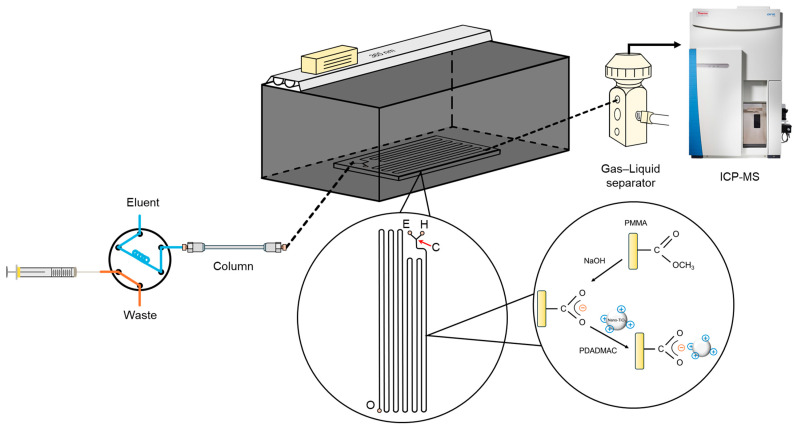 Figure 1
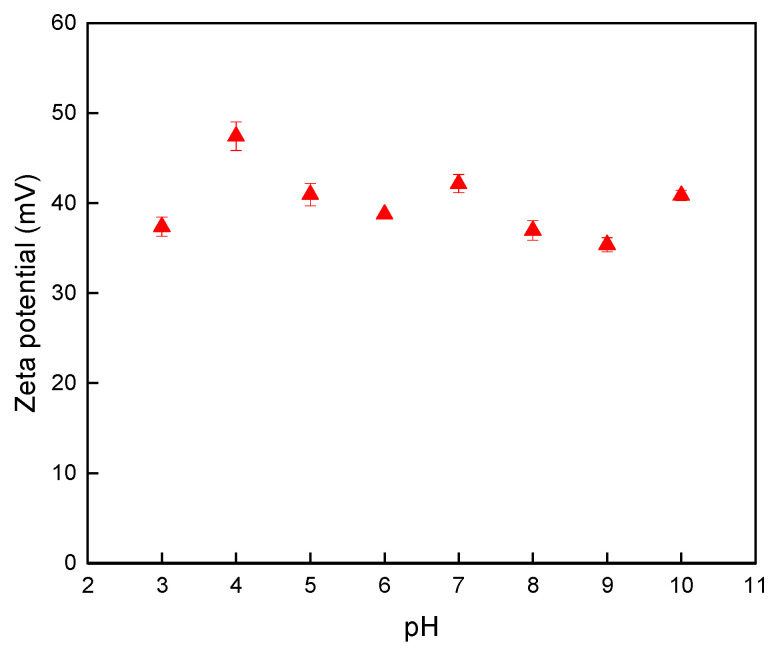 Figure 2
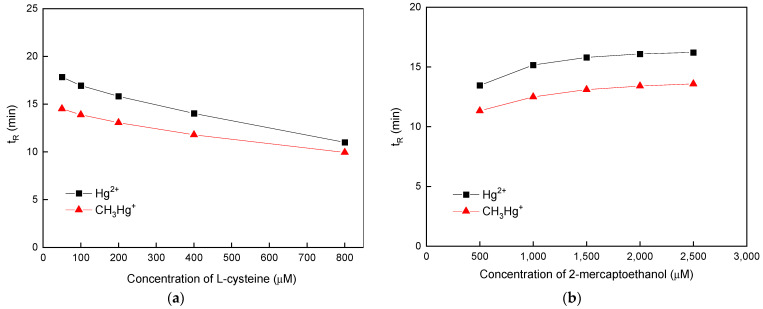 Figure 3
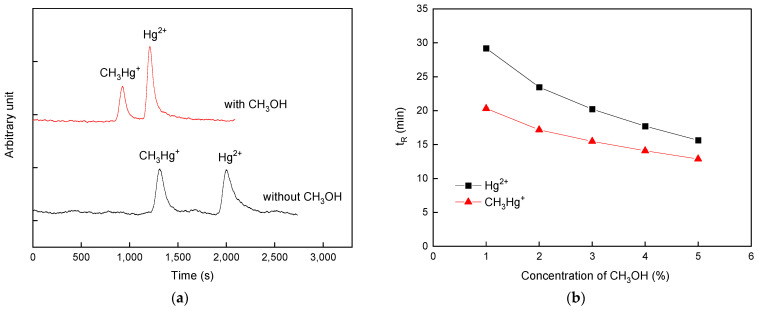 Figure 4
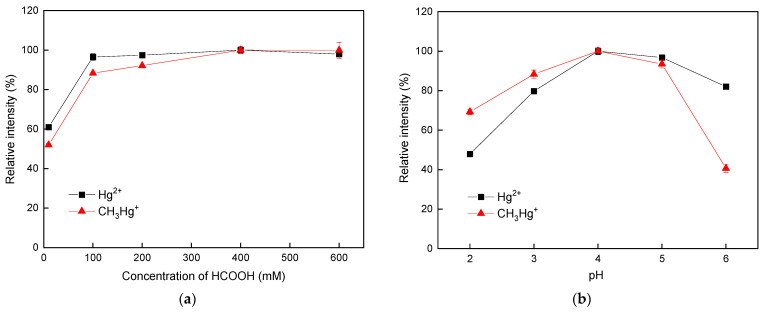 Figure 5
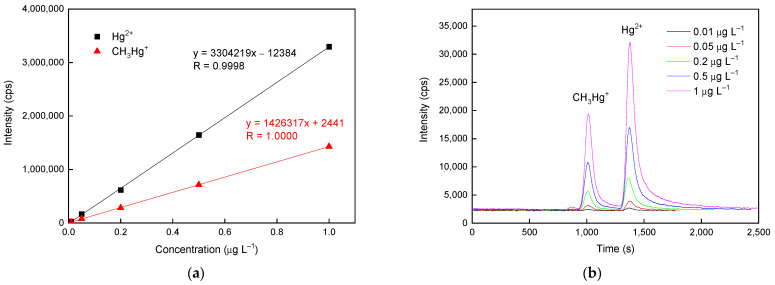 Figure 6
Peer Reviews
No public reviews on file for this paper yet. If you reviewed it on a platform where reviews are public (OpenReview, ICLR, NeurIPS, ICML), you can paste yours below so the community can read it here.
Videos
No videos yet. Explain this paper in a talk, walkthrough, or lecture? Add one.
Taxonomy
TopicsAnalytical chemistry methods development · Mercury impact and mitigation studies · Electrochemical Analysis and Applications