Spatial Augmented Reality for Expanding the Reach of Individuals with Tremor beyond Their Physical Limits
Kai Wang, Mengjing Wu, Zhi Sun, Qun Huang

TL;DR
This paper introduces a spatial augmented reality system that helps people with tremors interact with objects beyond their physical reach using eye movements.
Contribution
The novel SAR system combines eye-tracking and IoT for stable, efficient interaction by individuals with tremor disorders.
Findings
The virtual stabilization algorithm significantly improves interaction stability and efficiency for users with tremors.
The system reduces operational errors and enhances accuracy in complex physical environments.
Experiments show improved communication efficiency and precision in remote object interactions.
Abstract
Tremor is a prevalent neurological disorder characterized by involuntary shaking or trembling of body parts. This condition impairs fine motor skills and hand coordination to varying degrees and can even affect overall body mobility. As a result, tremors severely disrupt the daily lives and work of those affected, significantly limiting their physical activity space. This study developed an innovative spatial augmented reality (SAR) system aimed at assisting individuals with tremor disorders to overcome their physical limitations and expand their range of activities. The system integrates eye-tracking and Internet of Things (IoT) technologies, enabling users to smoothly control objects in the real world through eye movements. It uses a virtual stabilization algorithm for stable interaction with objects in the real environment. The study comprehensively evaluated the system’s performance…
Genes, proteins, chemicals, diseases, species, mutations and cell lines named across the full text — each resolved to its canonical identifier and authoritative record.
Click any figure to enlarge with its caption.
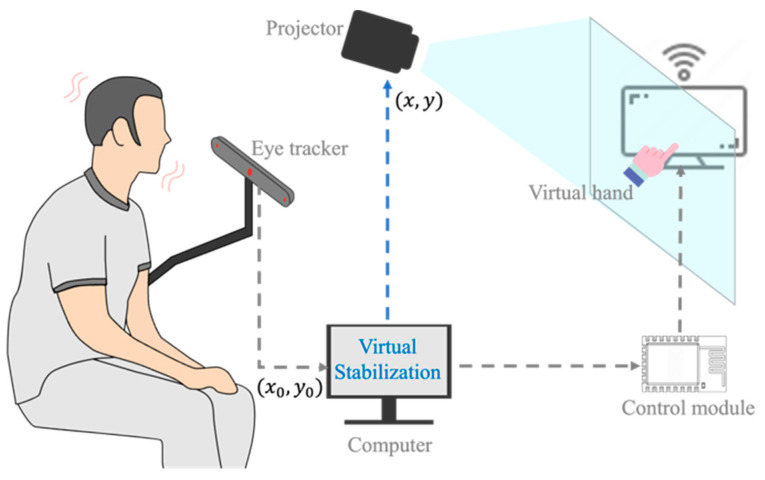 Figure 1
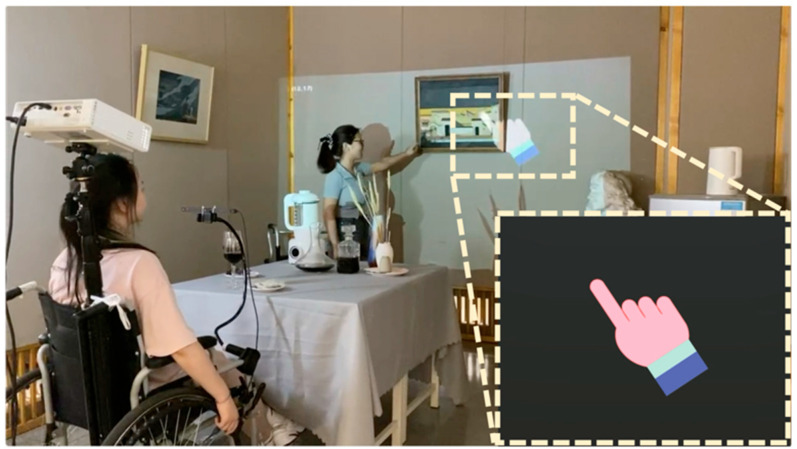 Figure 2
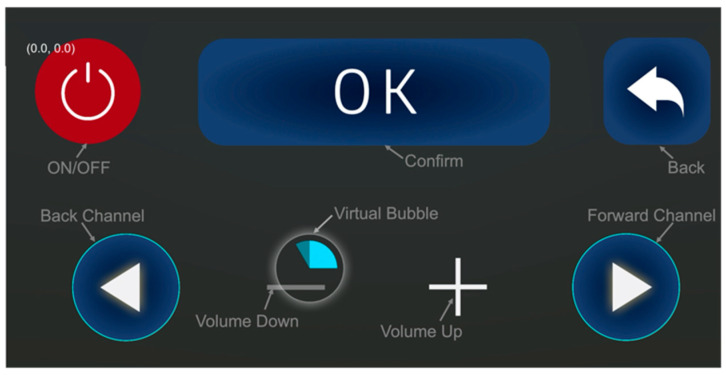 Figure 3
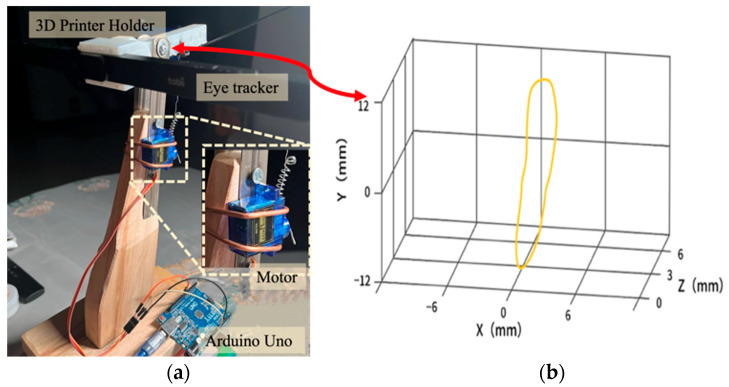 Figure 4
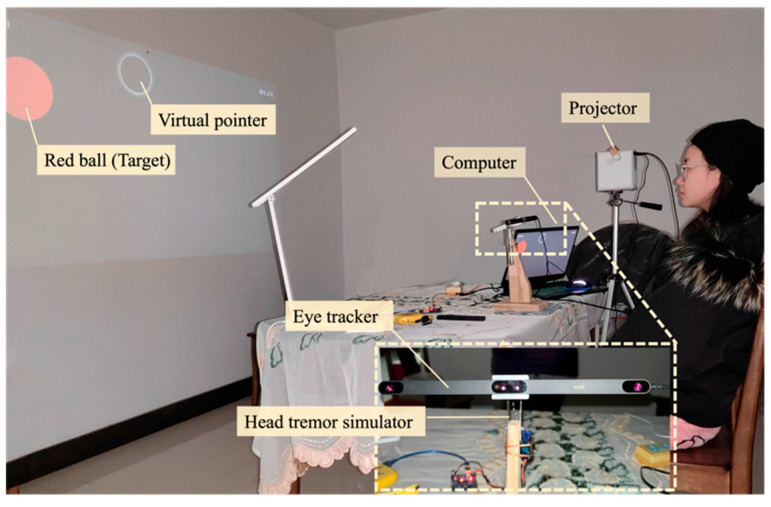 Figure 5
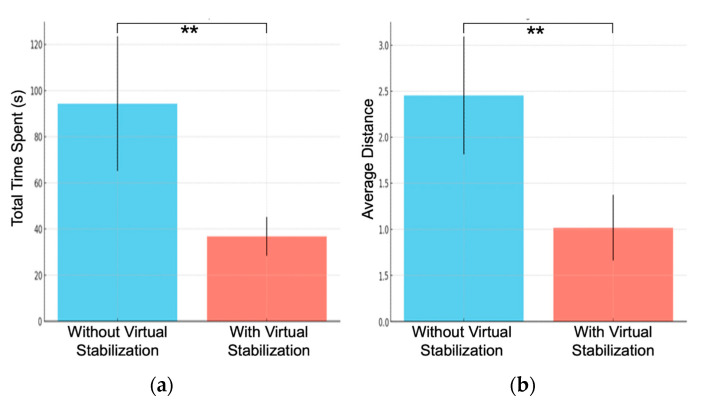 Figure 6
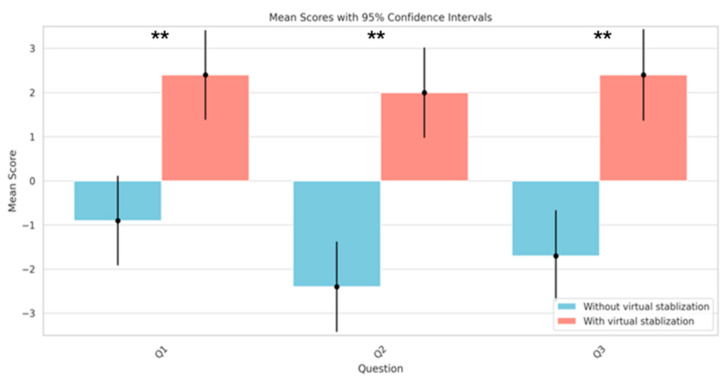 Figure 7
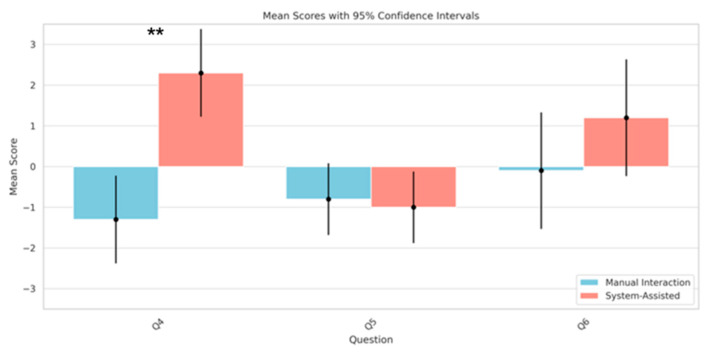 Figure 8
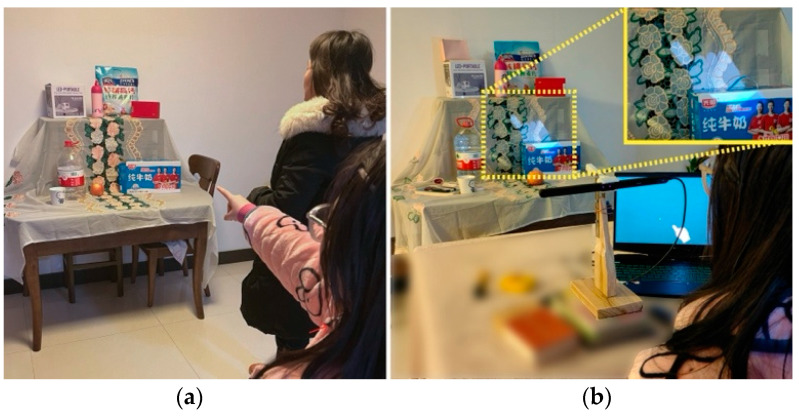 Figure 9
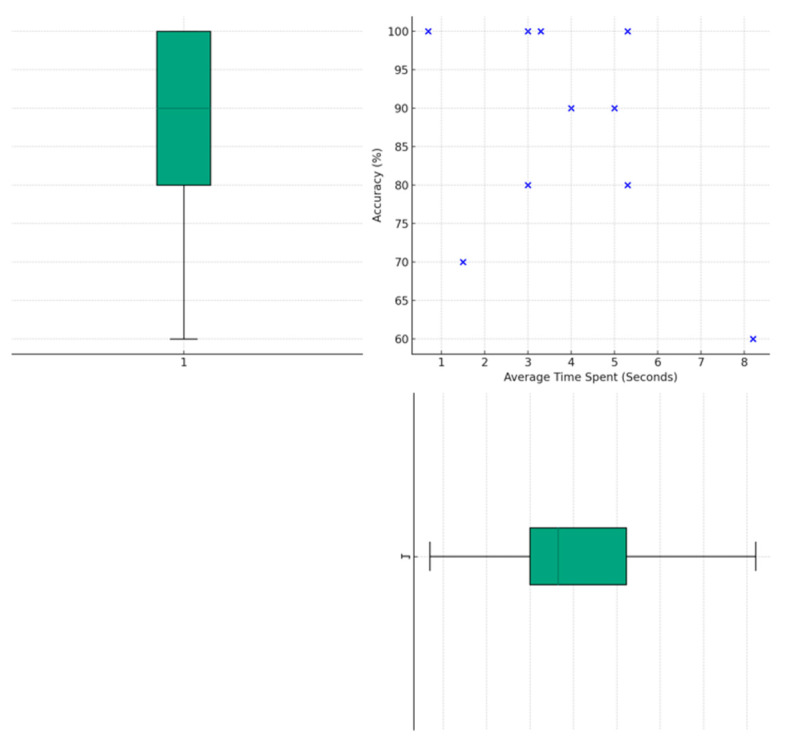 Figure 10
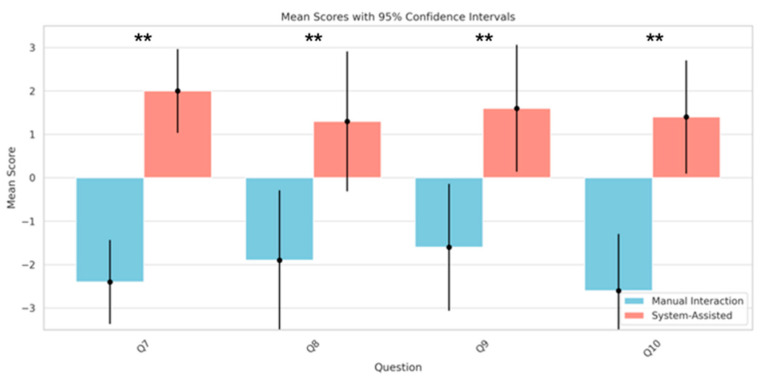 Figure 11
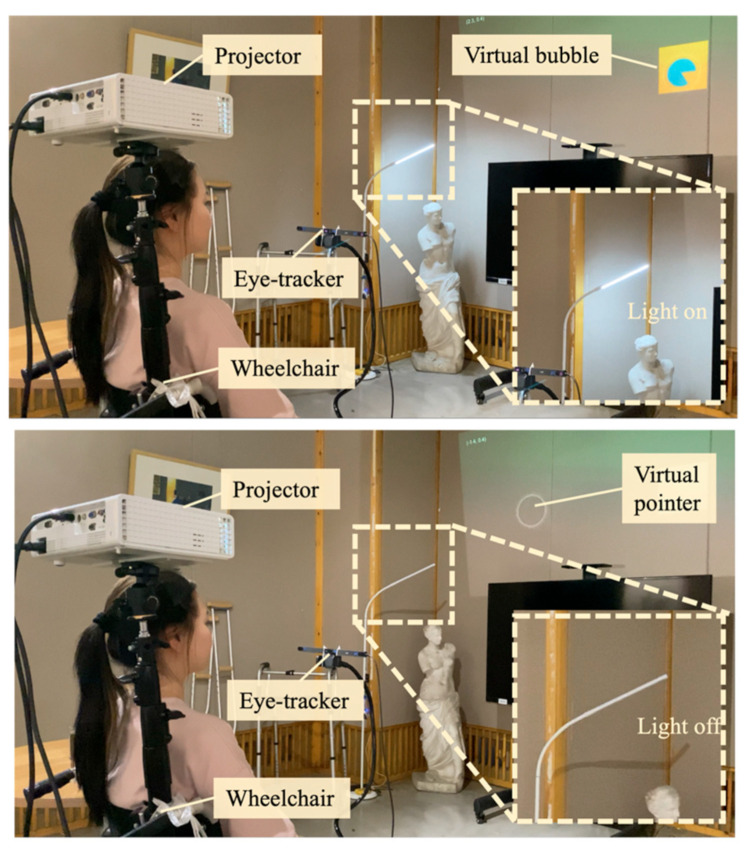 Figure 12
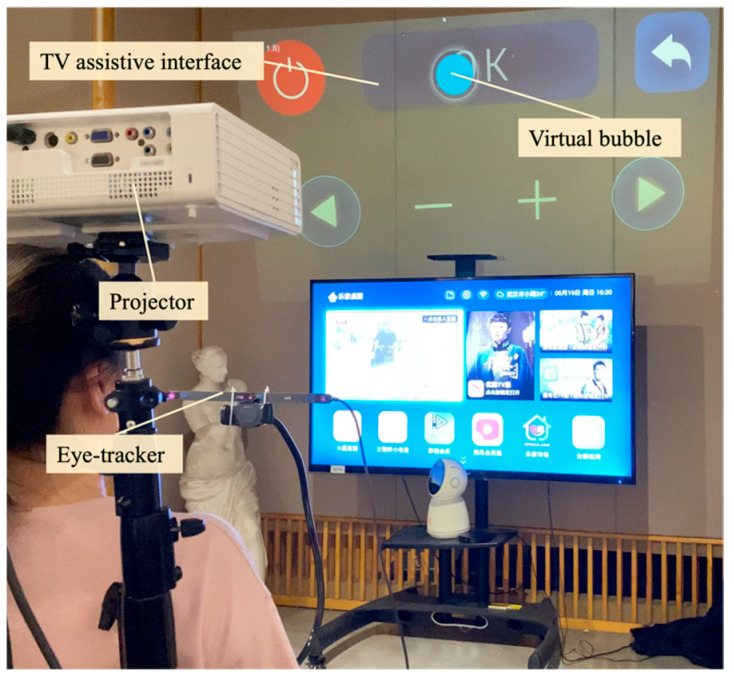 Figure 13
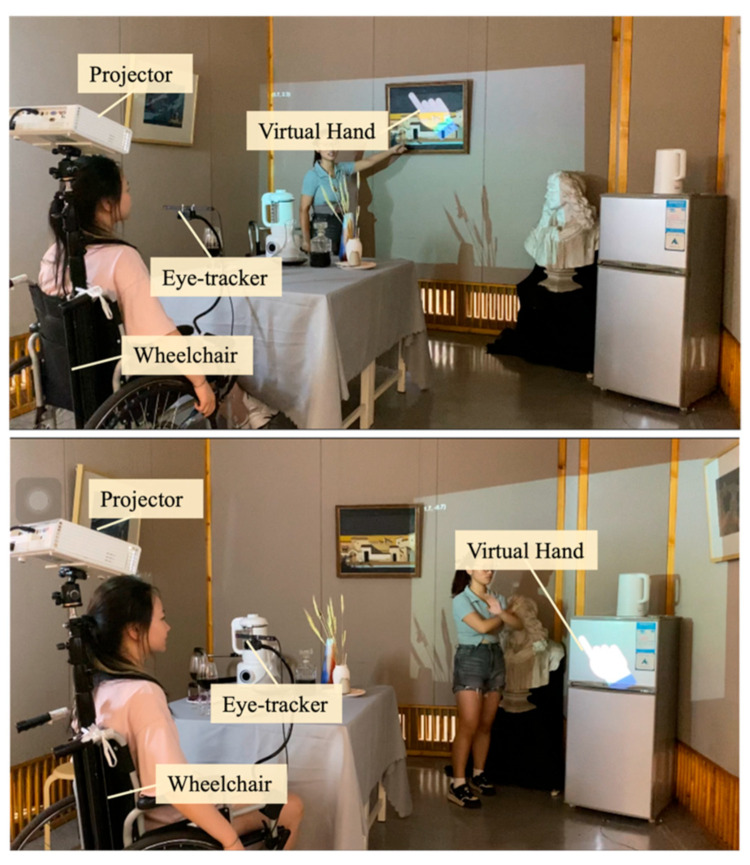 Figure 14
Peer Reviews
No public reviews on file for this paper yet. If you reviewed it on a platform where reviews are public (OpenReview, ICLR, NeurIPS, ICML), you can paste yours below so the community can read it here.
Videos
No videos yet. Explain this paper in a talk, walkthrough, or lecture? Add one.
Taxonomy
TopicsNeurological disorders and treatments · Tactile and Sensory Interactions · Gaze Tracking and Assistive Technology