Viral Vector-Based Chlamydia trachomatis Vaccines Encoding CTH522 Induce Distinct Immune Responses in C57BL/6J and HLA Transgenic Mice
Giuseppe Andreacchio, Ylenia Longo, Sara Moreno Mascaraque, Kartikan Anandasothy, Sarah Tofan, Esma Özün, Lena Wilschrey, Johannes Ptok, Dung T. Huynh, Joen Luirink, Ingo Drexler

TL;DR
This study explores how different C. trachomatis vaccines affect immune responses in two types of mice, showing that antigen design and mouse strain matter for vaccine effectiveness.
Contribution
The study demonstrates that antigen localization and mouse strain influence distinct immune responses in C. trachomatis vaccine development.
Findings
Both vaccines induced CD4+ T-cell responses in C57BL/6J mice but failed to generate CD8+ T cells.
Only the membrane-anchored CTH522 elicited strong IgG2b and IgG2c antibody responses in C57BL/6J mice.
In HLA transgenic mice, both vaccines induced Th1-directed CD4+ and multifunctional CD8+ T cells, but only CTH522:B7 generated antibody responses.
Abstract
Chlamydia trachomatis remains a major global health problem with increasing infection rates, requiring innovative vaccine solutions. Modified Vaccinia Virus Ankara (MVA) is a well-established, safe and highly immunogenic vaccine vector, making it a promising candidate for C. trachomatis vaccine development. In this study, we evaluated two novel MVA-based recombinant vaccines expressing spCTH522 and CTH522:B7 antigens. Our results show that while both vaccines induced CD4+ T-cell responses in C57BL/6J mice, they failed to generate antigen-specific systemic CD8+ T cells. Only the membrane-anchored CTH522 elicited strong IgG2b and IgG2c antibody responses. In an HLA transgenic mouse model, both recombinant MVAs induced Th1-directed CD4+ T cell and multifunctional CD8+ T cells, while only the CTH522:B7 vaccine generated antibody responses, underscoring the importance of antigen…
Genes, proteins, chemicals, diseases, species, mutations and cell lines named across the full text — each resolved to its canonical identifier and authoritative record.
Click any figure to enlarge with its caption.
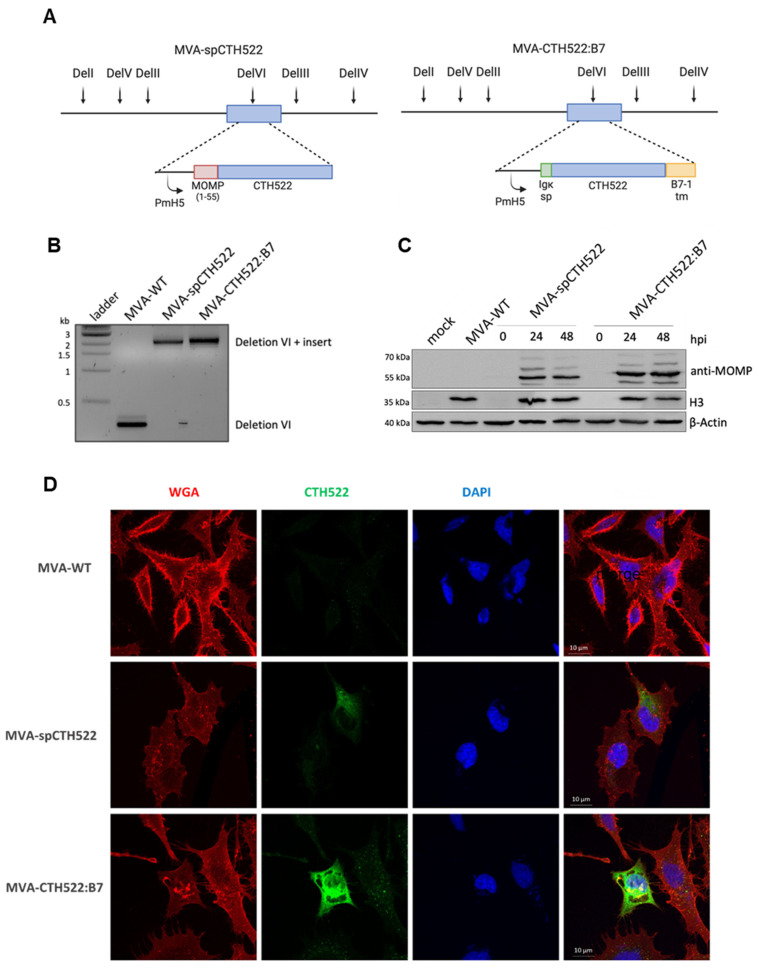 Figure 1
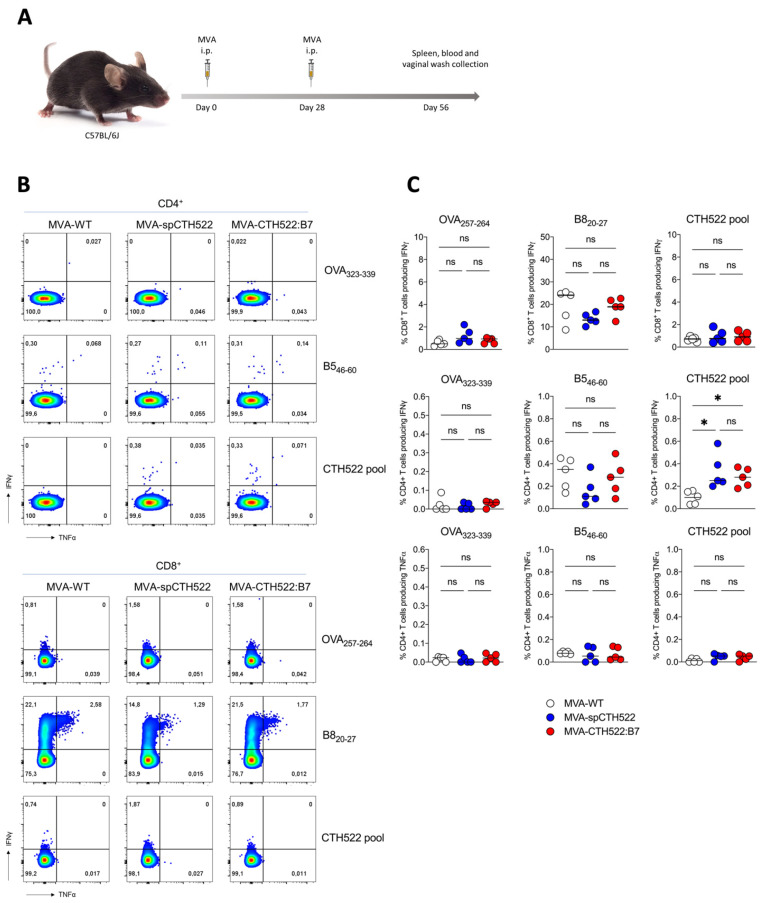 Figure 2
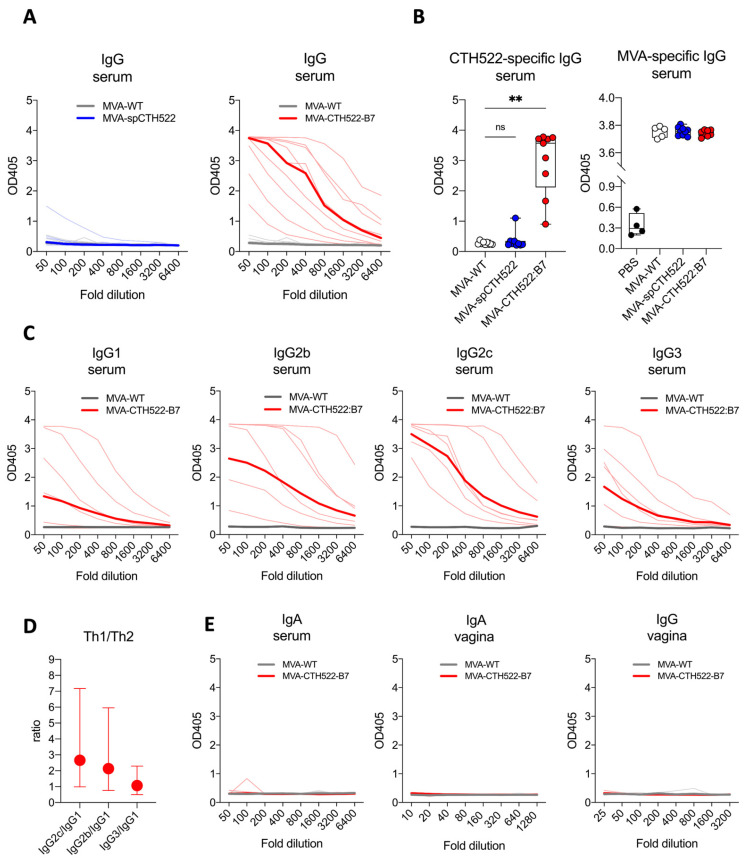 Figure 3
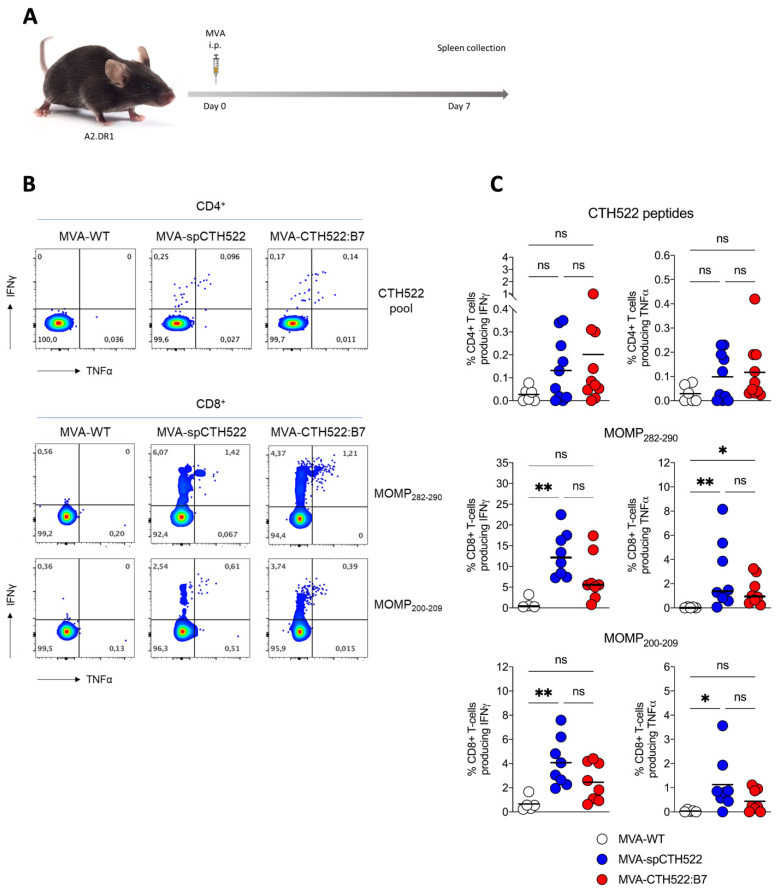 Figure 4
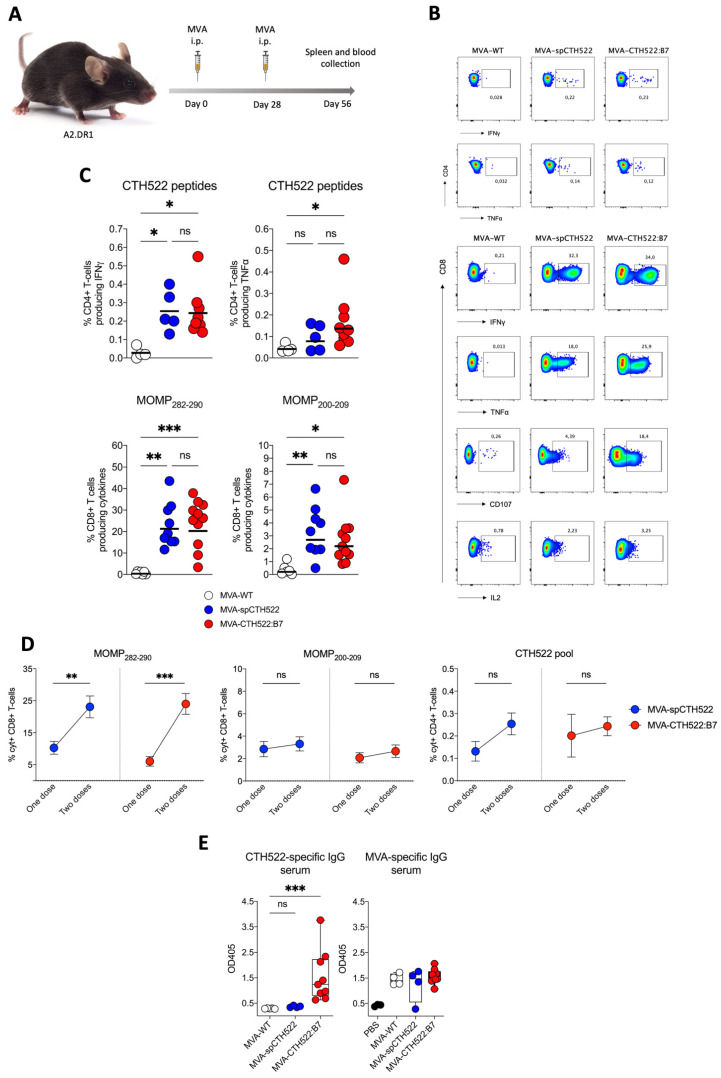 Figure 5
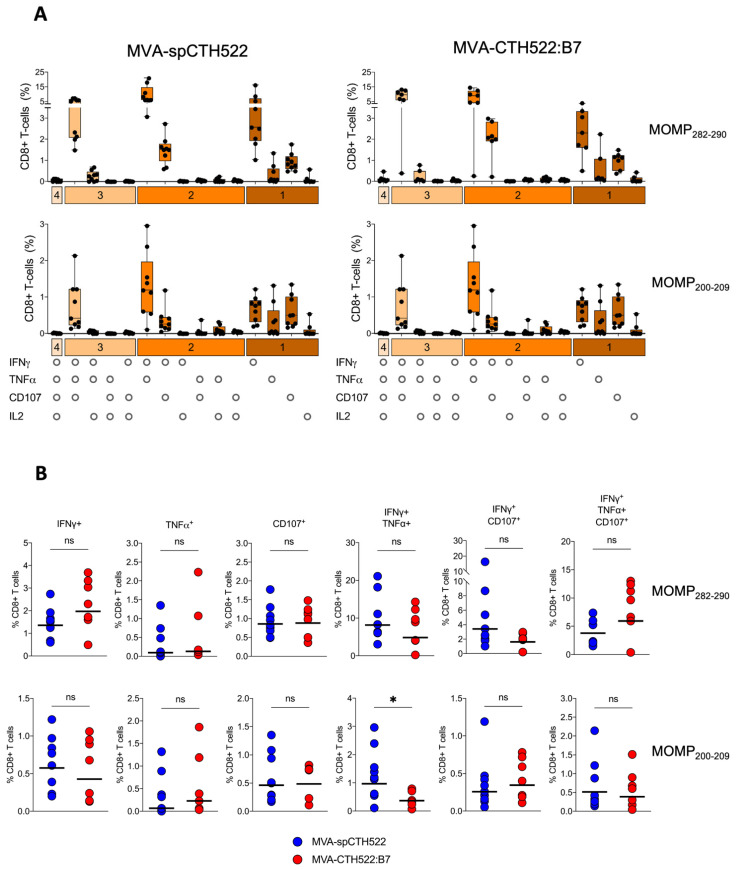 Figure 6
Peer Reviews
No public reviews on file for this paper yet. If you reviewed it on a platform where reviews are public (OpenReview, ICLR, NeurIPS, ICML), you can paste yours below so the community can read it here.
Videos
No videos yet. Explain this paper in a talk, walkthrough, or lecture? Add one.
Taxonomy
TopicsReproductive tract infections research · Cervical Cancer and HPV Research · Herpesvirus Infections and Treatments