Identification and Evaluation of Sugarcane Cultivars for Antixenosis Resistance to the Leafhopper Yamatotettix flavovittatus Matsumura (Hemiptera: Cicadellidae)
Jariya Roddee, Jureemart Wangkeeree, Yupa Hanboonsong

TL;DR
This study identifies sugarcane cultivars that resist leafhopper pests by analyzing settling behavior, feeding patterns, and plant traits.
Contribution
The study introduces a novel approach combining EPG and PCA to identify sugarcane cultivars with antixenosis resistance to leafhoppers.
Findings
Cultivars KK3 and LK92-11 showed the highest leafhopper settlement and honeydew production.
TPJ04-768 and K84-200 are promising for resistance due to negative correlations with silica cell density.
PCA grouped cultivars into four categories based on leafhopper interaction traits.
Abstract
Understanding the settling preference, feeding behavior, honeydew production, and biophysical factors, such as trichome density, related to Y. flavovittatus leafhopper infestation in sugarcane cultivation is crucial for effective pest management strategies. This study investigated these aspects across nine sugarcane cultivars. Significant variability was observed among cultivars in terms of settling behavior, with KK3 and LK92-11 showing the highest number of settled leafhopper adults. Similarly, honeydew production varied significantly among cultivars, with KK3 and LK92-11 exhibiting the highest production. Employing the electrical penetration graph (EPG) technique provided insights into distinct probing behaviors across cultivars, highlighting correlations between settling preference, honeydew production, and specific EPG waveforms. Principal component analysis (PCA) categorized…
Genes, proteins, chemicals, diseases, species, mutations and cell lines named across the full text — each resolved to its canonical identifier and authoritative record.
Click any figure to enlarge with its caption.
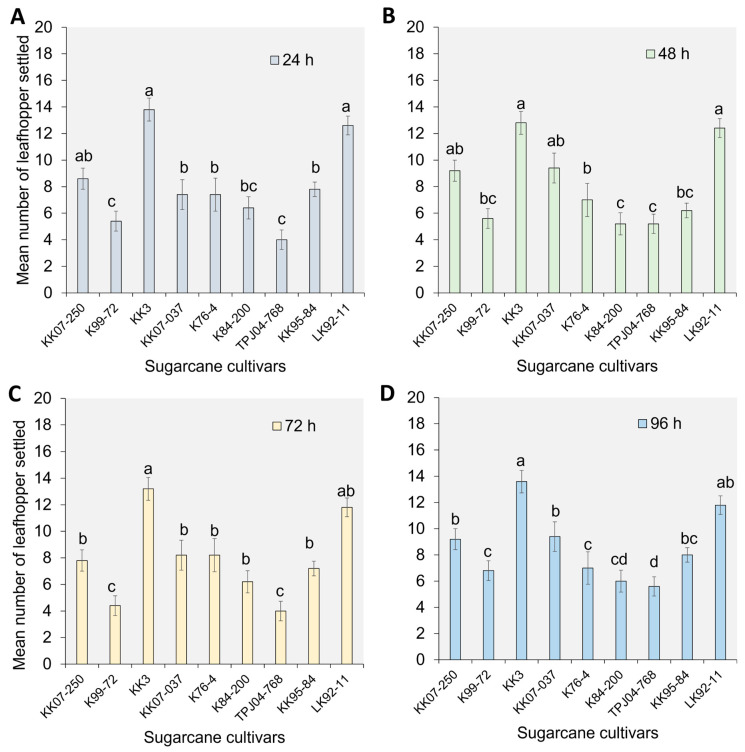 Figure 1
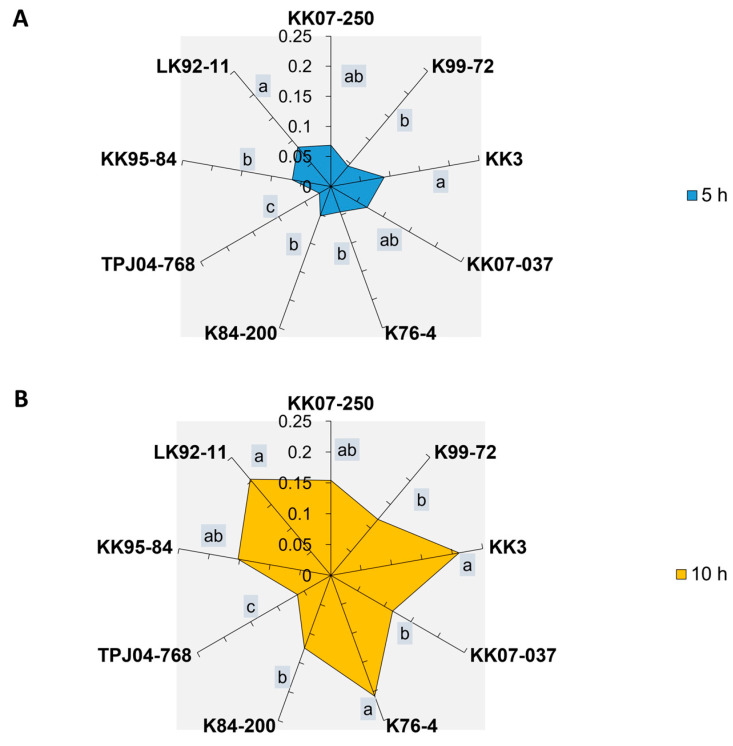 Figure 2
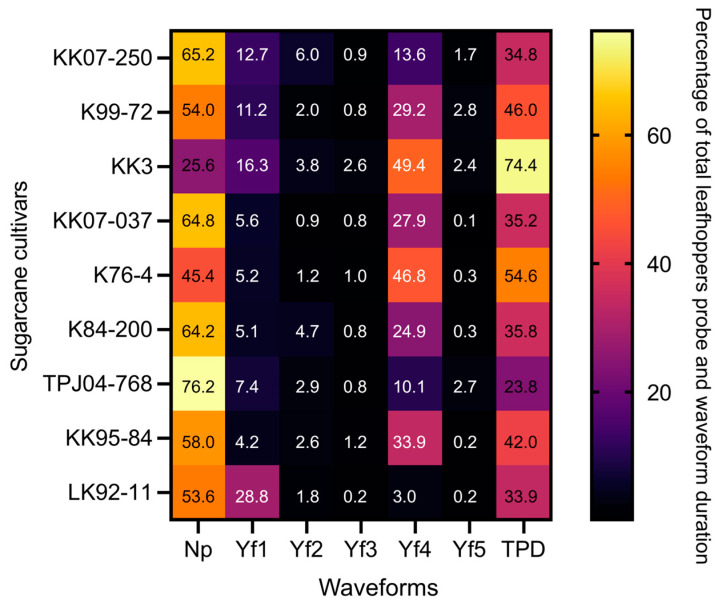 Figure 3
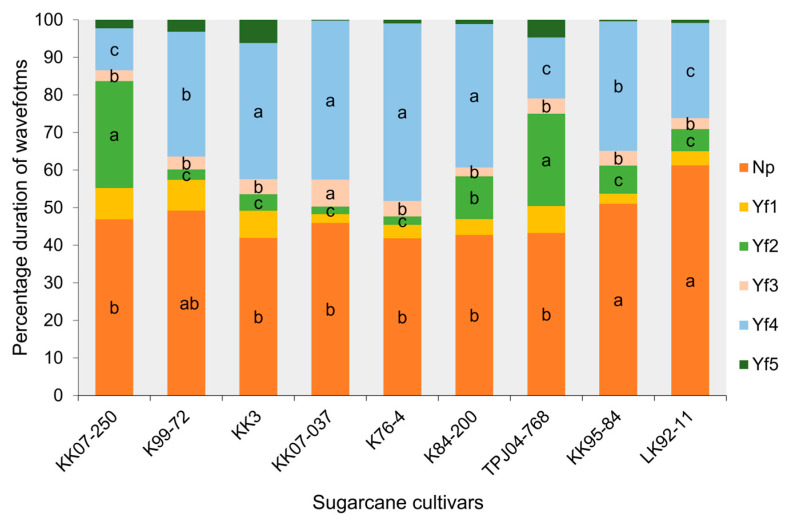 Figure 4
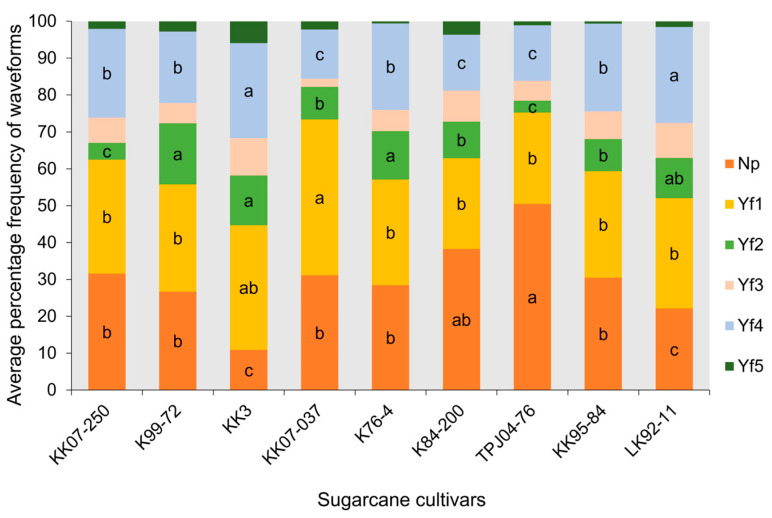 Figure 5
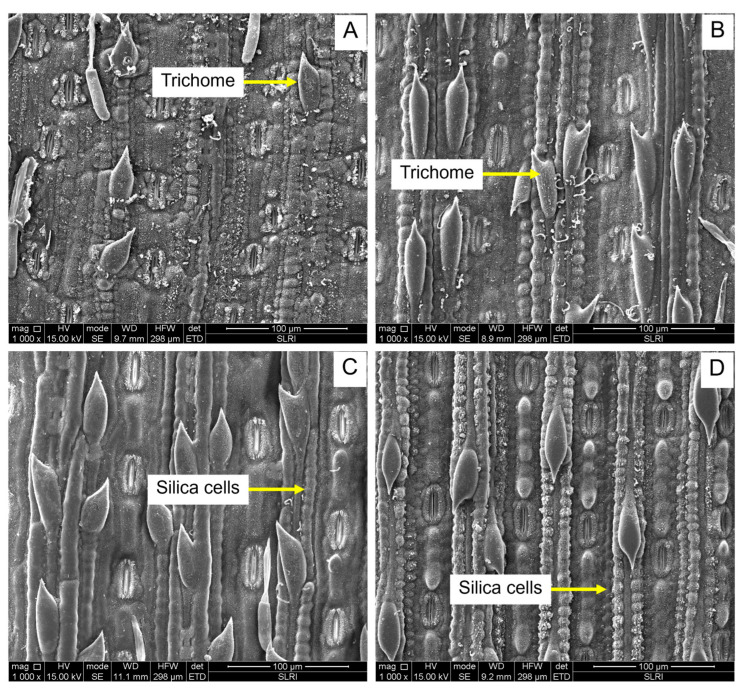 Figure 6
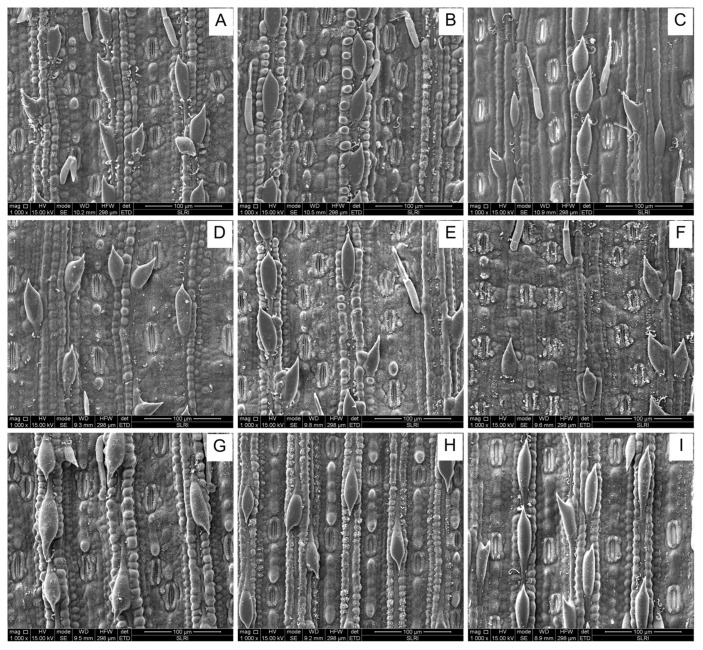 Figure 7
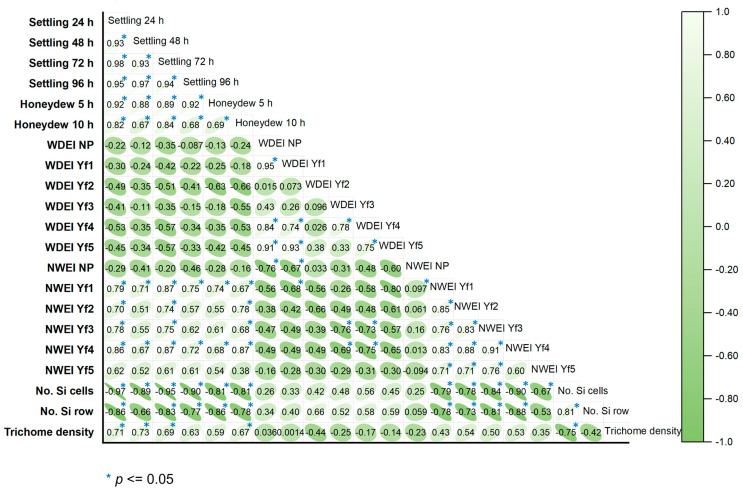 Figure 8
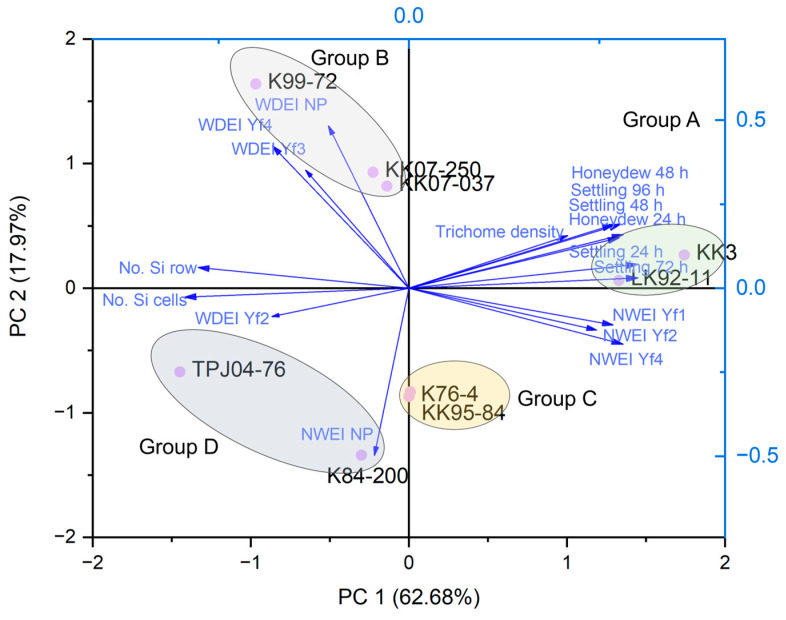 Figure 9
Peer Reviews
No public reviews on file for this paper yet. If you reviewed it on a platform where reviews are public (OpenReview, ICLR, NeurIPS, ICML), you can paste yours below so the community can read it here.
Videos
No videos yet. Explain this paper in a talk, walkthrough, or lecture? Add one.
Taxonomy
TopicsPlant Virus Research Studies · Plant Pathogenic Bacteria Studies · Phytoplasmas and Hemiptera pathogens