Polyunsaturated fatty acids promote M2-like TAM deposition via dampening RhoA-YAP1 signaling in the ovarian cancer microenvironment
Huogang Wang, Mingo MH Yung, Yang Xuan, Fushun Chen, Waisun Chan, Michelle KY Siu, Runying Long, Shuo Jia, Yonghao Liang, Dakang Xu, Zhangfa Song, Stephen KW Tsui, Hextan YS Ngan, Karen KL Chan, David W Chan

TL;DR
Polyunsaturated fatty acids in ovarian cancer ascites promote M2-like tumor-associated macrophages by inhibiting RhoA-YAP1 signaling, which worsens tumor progression and suggests new immunotherapy strategies.
Contribution
The study identifies a novel mechanism by which PUFAs in the tumor microenvironment drive M2-like TAM polarization through RhoA-YAP1 signaling inhibition.
Findings
PUFAs in OCM/AS suppress RhoA-GTPase activity and reduce nuclear YAP1 in macrophages, promoting M2-like TAM polarization.
Loss of YAP1 in TAMs correlates with reduced CD8+ T cell infiltration and enhanced tumor progression in EOC.
Pharmacological activation of YAP1 converts M2-like TAMs to M1-like, improving antitumor immunity and reducing metastasis.
Abstract
Peritoneal metastases frequently occur in epithelial ovarian cancer (EOC), resulting in poor prognosis and survival rates. Tumor-associated-macrophages (TAMs) massively infiltrate into ascites spheroids and are multi-polarized as protumoral M2-like phenotype, orchestrating the immunosuppression and promoting tumor progression. However, the impact of omental conditioned medium/ascites (OCM/AS) on TAM polarization and its function in tumor progression remains elusive. The distribution and polarization of TAMs in primary and omental metastatic EOC patients’ tumors and ascites were examined by m-IHC, FACS analysis, and immunofluorescence. QPCR, immunofluorescence, FACS analysis, lipid staining assay, ROS assay, and Seahorse real-time cell metabolic assay characterized TAMs as being polarized in the ascites microenvironment. The oncogenic role of TAMs in tumor cells was demonstrated by…
Genes, proteins, chemicals, diseases, species, mutations and cell lines named across the full text — each resolved to its canonical identifier and authoritative record.
Click any figure to enlarge with its caption.
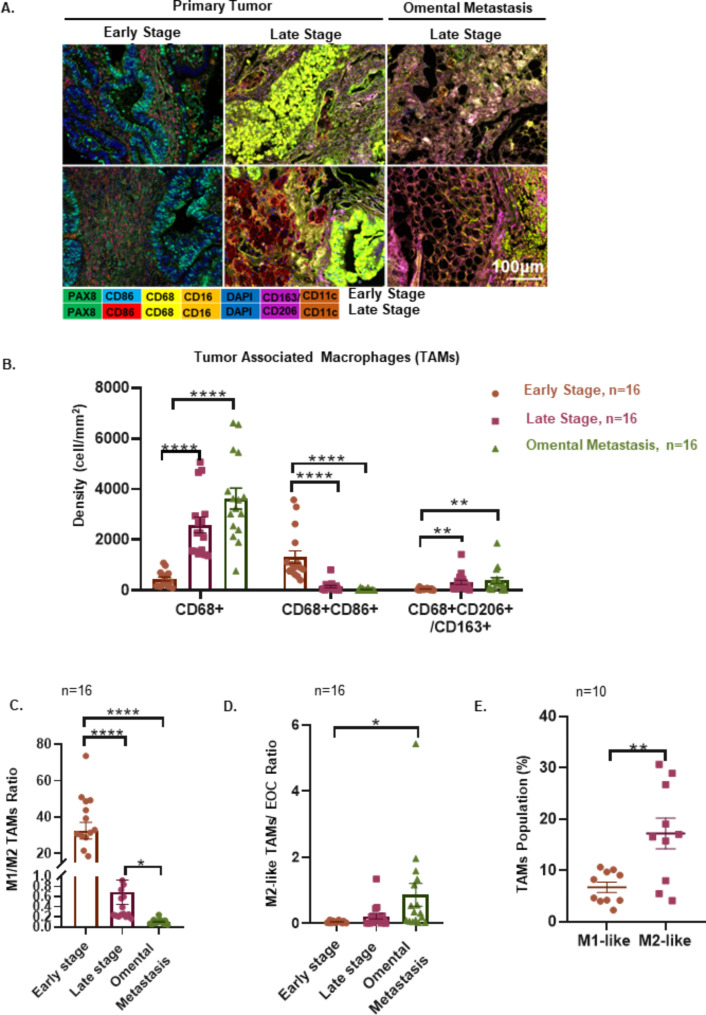 Figure 1
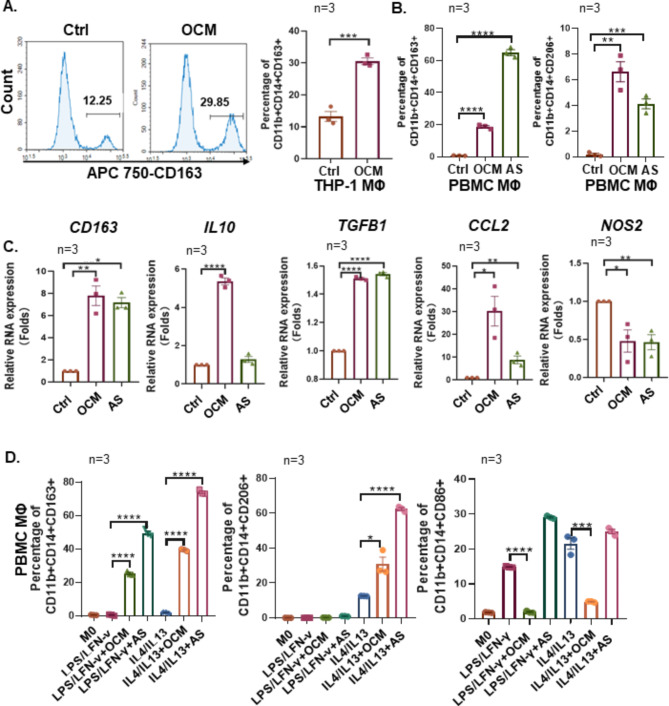 Figure 2
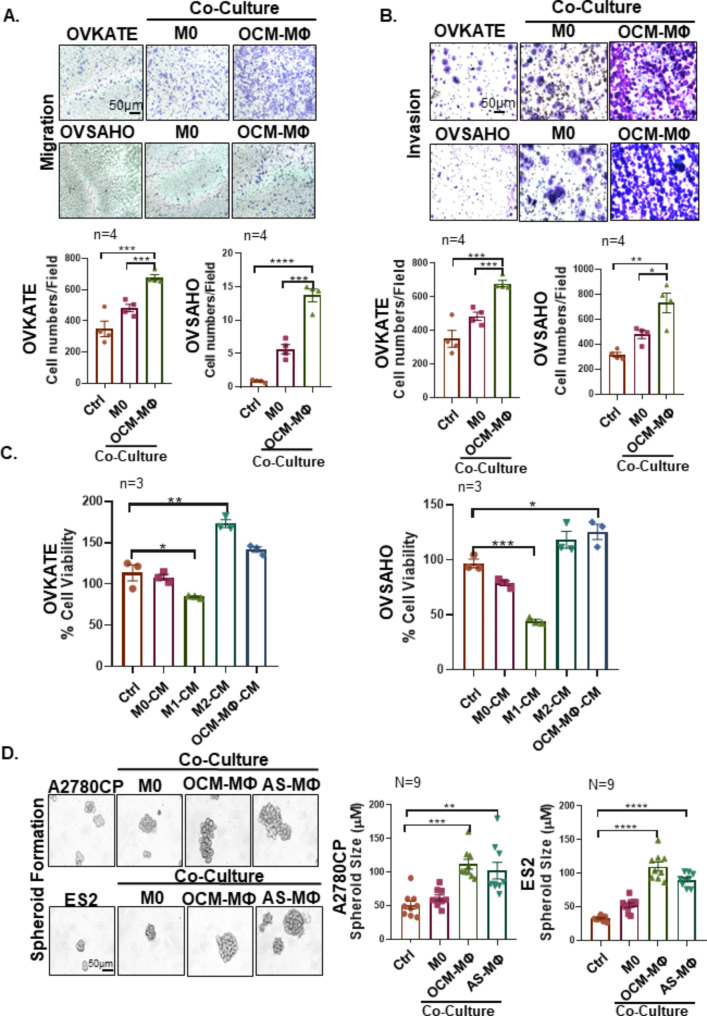 Figure 3
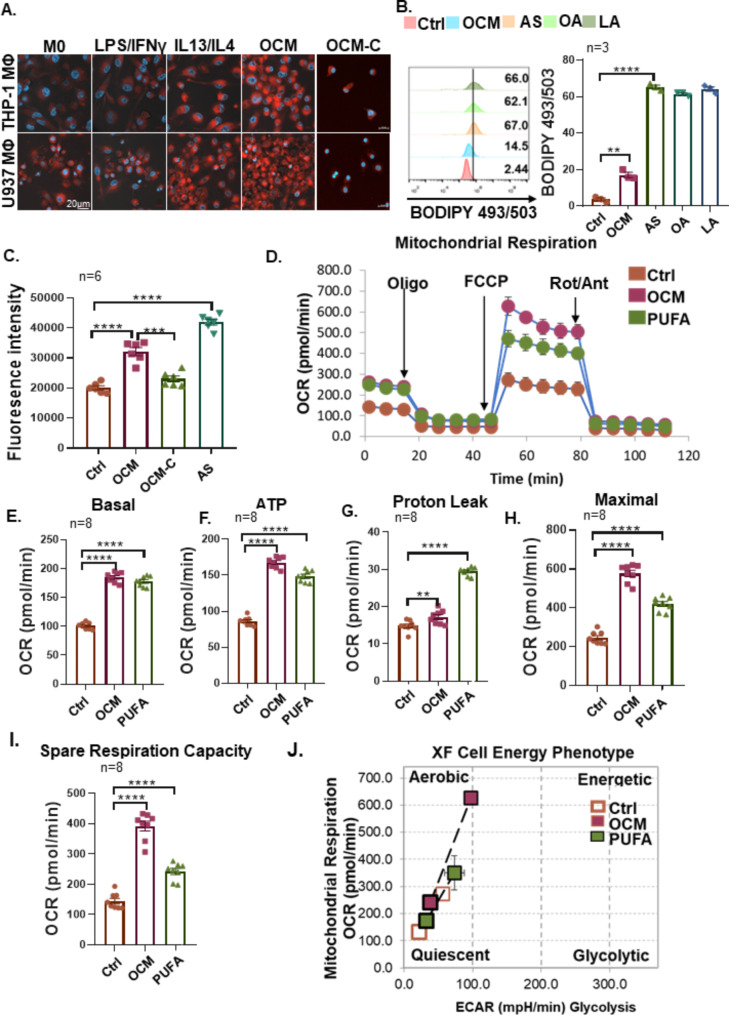 Figure 4
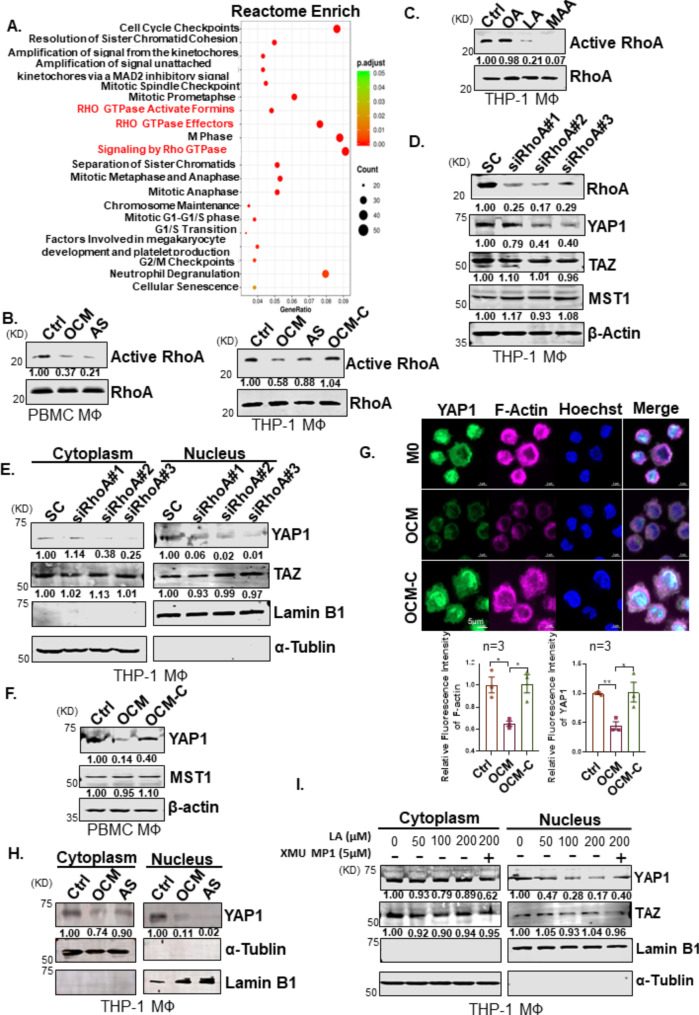 Figure 5
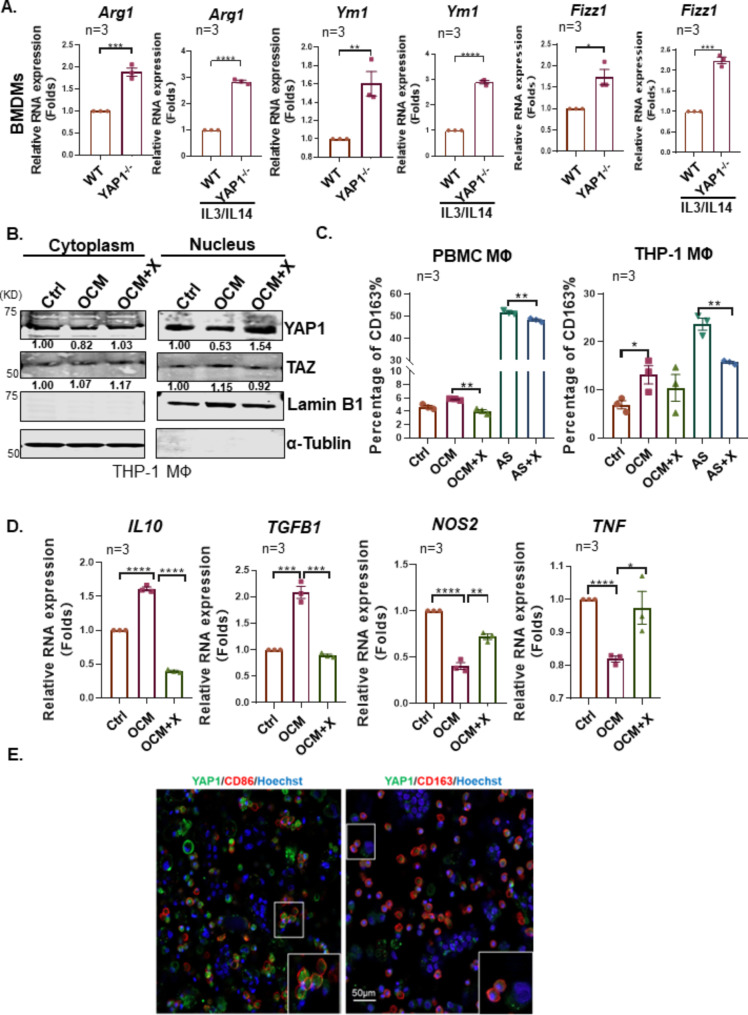 Figure 6
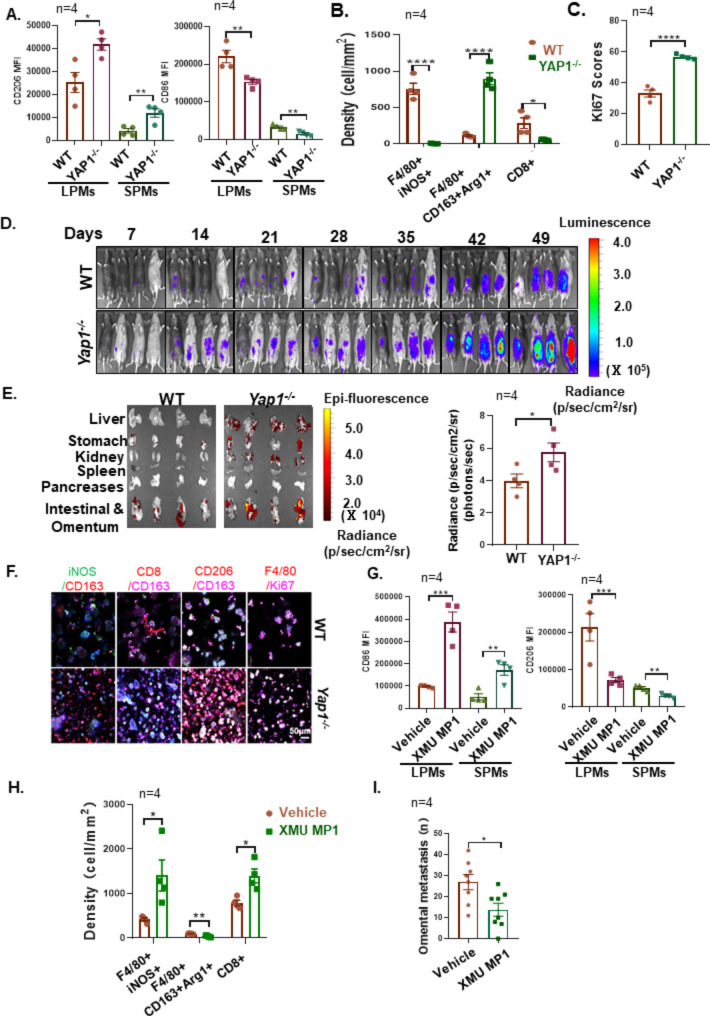 Figure 7
Peer Reviews
No public reviews on file for this paper yet. If you reviewed it on a platform where reviews are public (OpenReview, ICLR, NeurIPS, ICML), you can paste yours below so the community can read it here.
Videos
No videos yet. Explain this paper in a talk, walkthrough, or lecture? Add one.
Taxonomy
TopicsDiverse academic and cultural studies