Molecular Bases and Specificity behind the Activation of the Immune System OAS/RNAse L Pathway by Viral RNA
Emma Jung-Rodriguez, Florent Barbault, Emmanuelle Bignon, Antonio Monari

TL;DR
This paper explores how the immune system's OAS/RNase L pathway is activated by viral RNA using molecular simulations.
Contribution
The study reveals structural and energetic details of OAS activation by RNA and the impact of RNA mutations.
Findings
RNA binding induces an allosteric activation of OAS.
Free energy profiles show RNA-dependent conformational changes in OAS.
Certain RNA mutations reduce OAS activation by altering the protein-RNA interface.
Abstract
The first line of defense against invading pathogens usually relies on innate immune systems. In this context, the recognition of exogenous RNA structures is primordial to fight, notably, against RNA viruses. One of the most efficient immune response pathways is based on the sensing of RNA double helical motifs by the oligoadenylate synthase (OAS) proteins, which in turn triggers the activity of RNase L and, thus, cleaves cellular and viral RNA. In this contribution, by using long-range molecular dynamics simulations, complemented with enhanced sampling techniques, we elucidate the structural features leading to the activation of OAS by interaction with a model double-strand RNA oligomer mimicking a viral RNA. We characterize the allosteric regulation induced by the nucleic acid leading to the population of the active form of the protein. Furthermore, we also identify the free energy…
Genes, proteins, chemicals, diseases, species, mutations and cell lines named across the full text — each resolved to its canonical identifier and authoritative record.
Click any figure to enlarge with its caption.
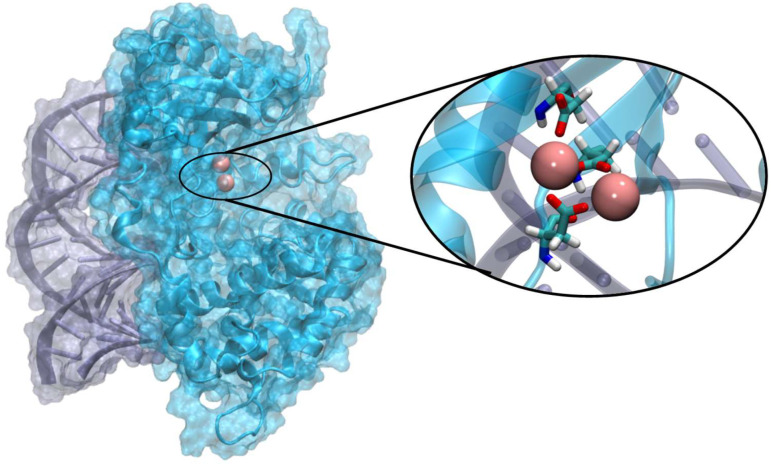 Figure 1
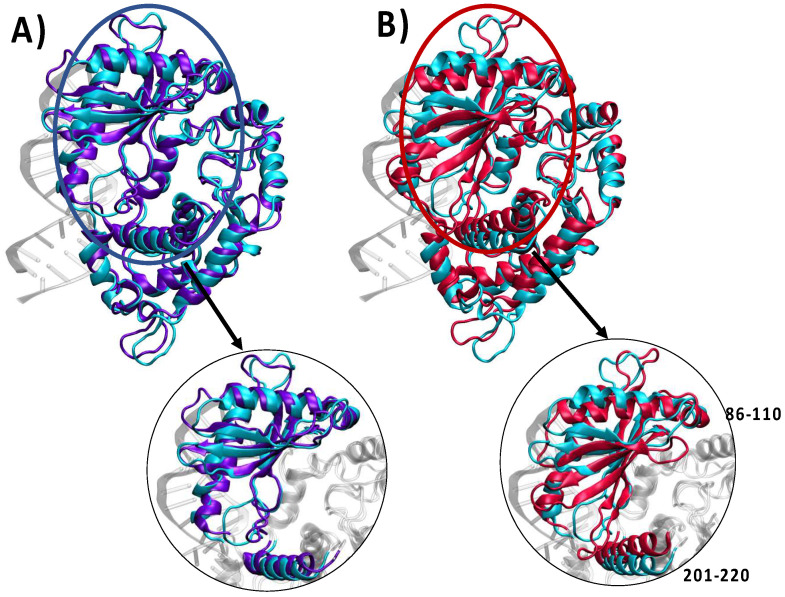 Figure 2
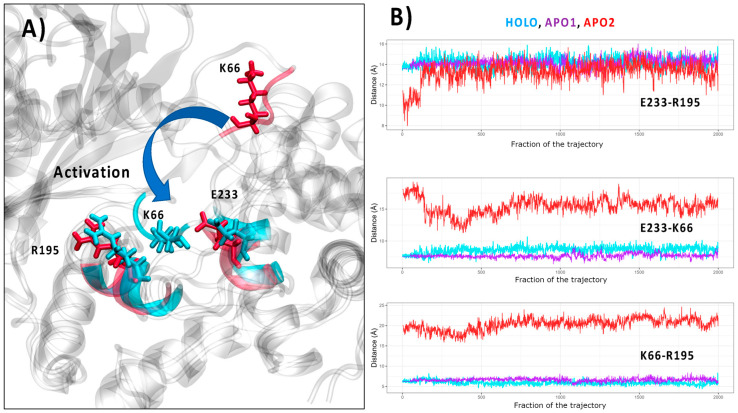 Figure 3
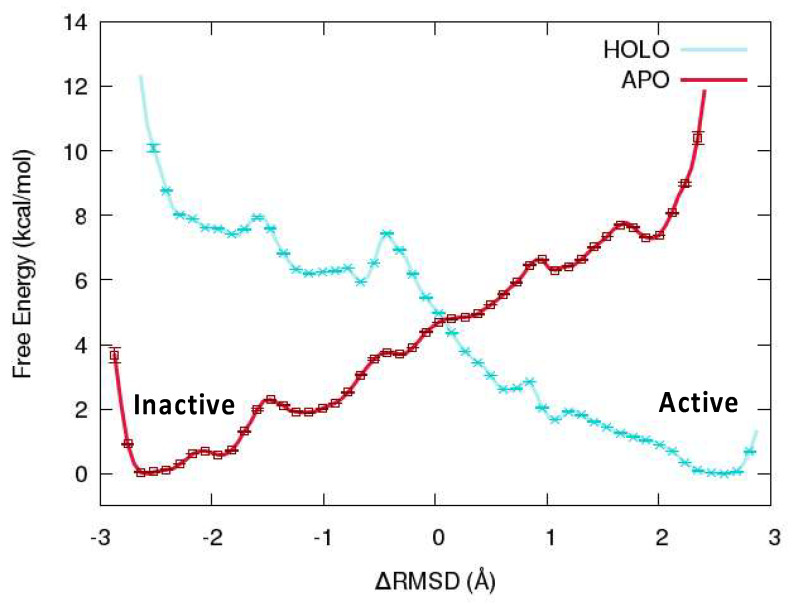 Figure 4
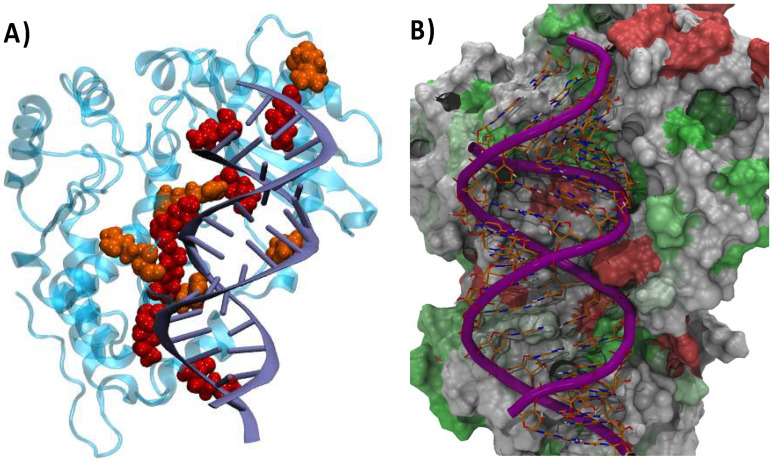 Figure 5
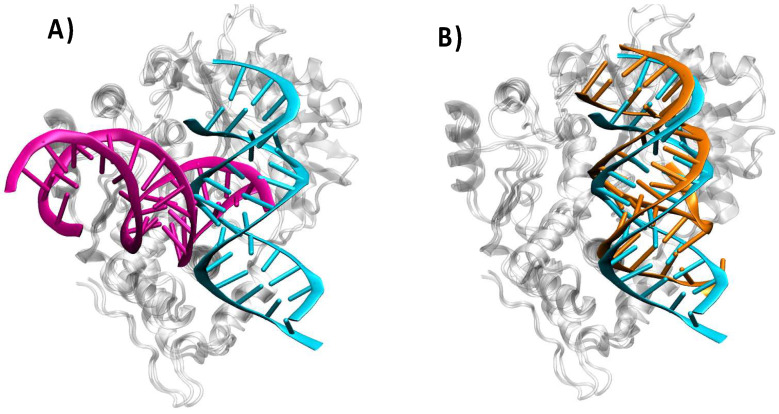 Figure 6
Peer Reviews
No public reviews on file for this paper yet. If you reviewed it on a platform where reviews are public (OpenReview, ICLR, NeurIPS, ICML), you can paste yours below so the community can read it here.
Videos
No videos yet. Explain this paper in a talk, walkthrough, or lecture? Add one.
Taxonomy
TopicsViral Infections and Immunology Research · RNA Research and Splicing · RNA and protein synthesis mechanisms