Exploring Canine Picornavirus Diversity in the USA Using Wastewater Surveillance: From High-Throughput Genomic Sequencing to Immuno-Informatics and Capsid Structure Modeling
Temitope O. C. Faleye, Peter Skidmore, Amir Elyaderani, Sangeet Adhikari, Nicole Kaiser, Abriana Smith, Allan Yanez, Tyler Perleberg, Erin M. Driver, Rolf U. Halden, Arvind Varsani, Matthew Scotch

TL;DR
This paper explores canine picornaviruses in U.S. wastewater using genomic sequencing and modeling to understand their diversity and potential for vaccine development.
Contribution
A novel workflow combining wastewater surveillance, sequencing, and immuno-informatics to characterize uncultivated picornaviruses without traditional lab constraints.
Findings
Canine picornaviruses were detected in 58.3% of wastewater samples analyzed.
Eight genotypes were identified, grouped into four clusters with distinct predicted B-cell epitopes.
The workflow enables genotype-to-serotype characterization without culturing the viruses.
Abstract
The SARS-CoV-2 pandemic resulted in a scale-up of viral genomic surveillance globally. However, the wet lab constraints (economic, infrastructural, and personnel) of translating novel virus variant sequence information to meaningful immunological and structural insights that are valuable for the development of broadly acting countermeasures (especially for emerging and re-emerging viruses) remain a challenge in many resource-limited settings. Here, we describe a workflow that couples wastewater surveillance, high-throughput sequencing, phylogenetics, immuno-informatics, and virus capsid structure modeling for the genotype-to-serotype characterization of uncultivated picornavirus sequences identified in wastewater. Specifically, we analyzed canine picornaviruses (CanPVs), which are uncultivated and yet-to-be-assigned members of the family Picornaviridae that cause systemic infections in…
Genes, proteins, chemicals, diseases, species, mutations and cell lines named across the full text — each resolved to its canonical identifier and authoritative record.
Click any figure to enlarge with its caption.
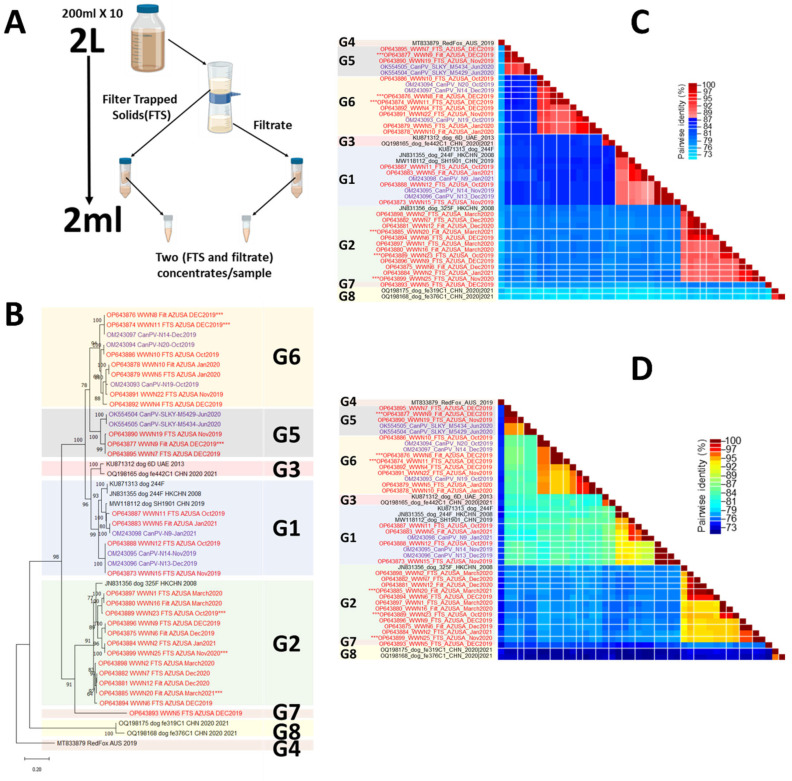 Figure 1
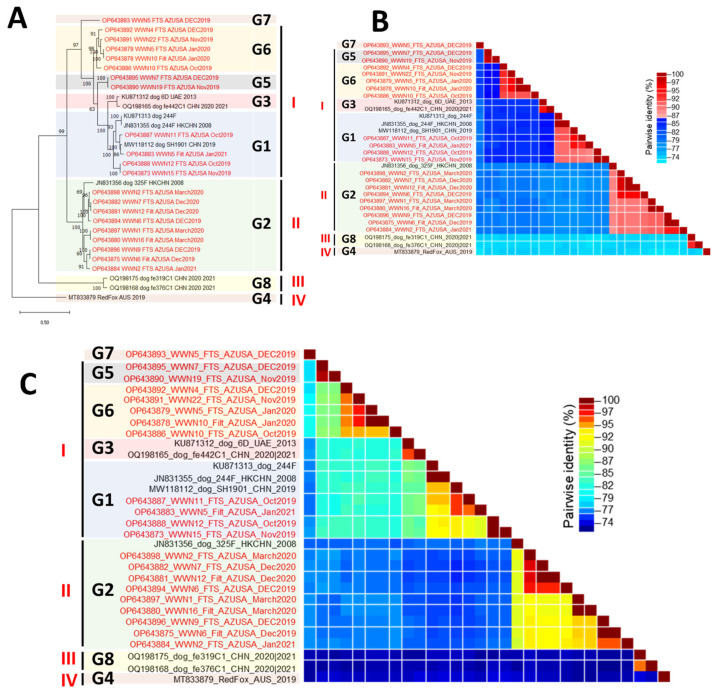 Figure 2
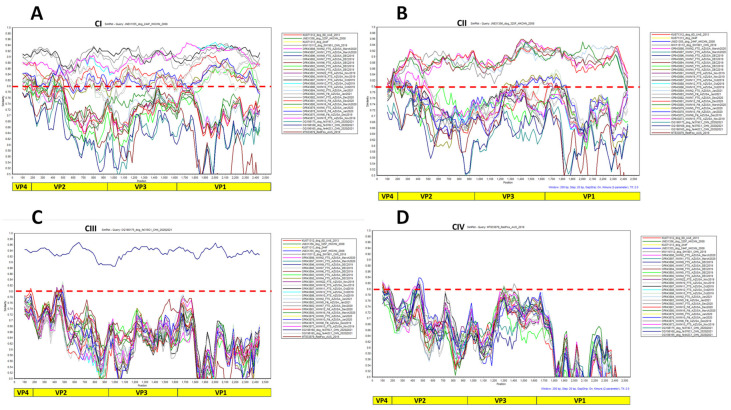 Figure 3
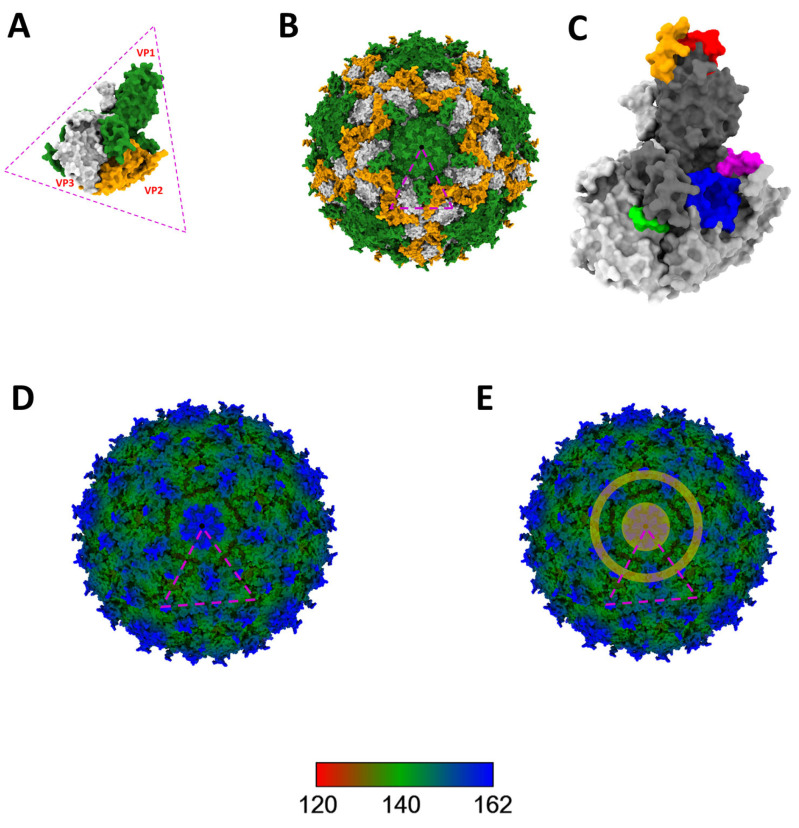 Figure 4
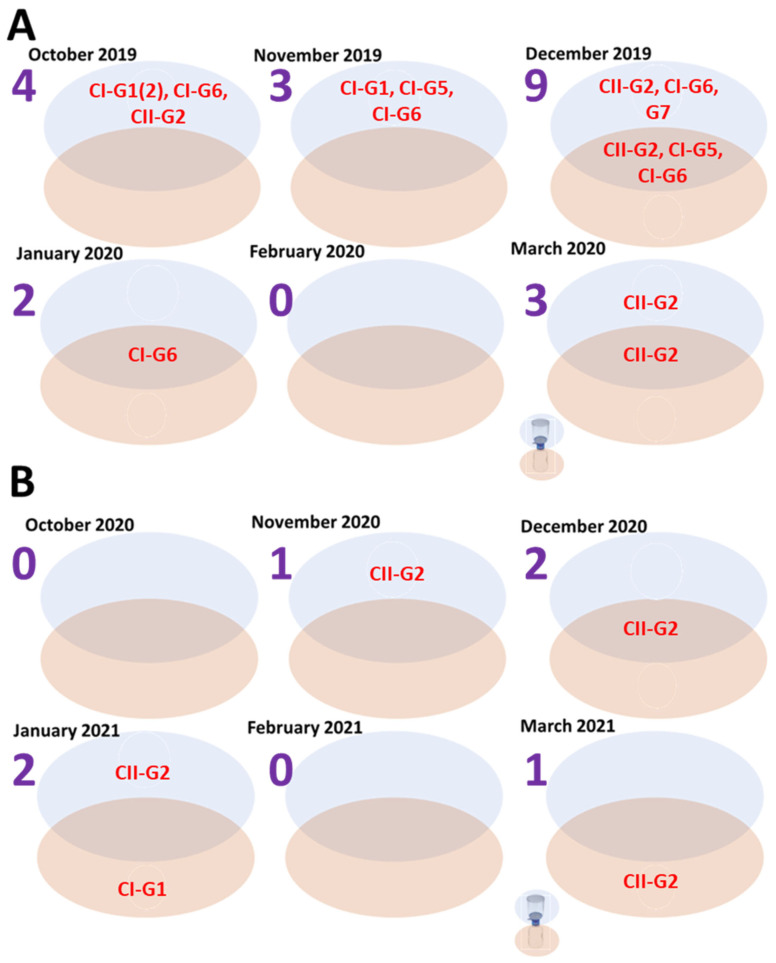 Figure 5
Peer Reviews
No public reviews on file for this paper yet. If you reviewed it on a platform where reviews are public (OpenReview, ICLR, NeurIPS, ICML), you can paste yours below so the community can read it here.
Videos
No videos yet. Explain this paper in a talk, walkthrough, or lecture? Add one.
Taxonomy
TopicsViral gastroenteritis research and epidemiology · Animal Virus Infections Studies · Virus-based gene therapy research