A Switched Approach for Smartphone-Based Pedestrian Navigation
Shenglun Yi, Mattia Zorzi, Xuebo Jin, Tingli Su

TL;DR
This paper introduces a new method for smartphone navigation that works even without GPS signals by using accelerometer data more effectively.
Contribution
The novelty lies in using estimated average bias from accelerometers to denoise data when GPS is unavailable.
Findings
The proposed approach successfully denoises accelerometer data in synthetic tests.
Real-world experiments validated the method's effectiveness over a 150 m path.
The method improves navigation accuracy in GPS-denied environments.
Abstract
In this paper, we propose a novel switched approach to perform smartphone-based pedestrian navigation tasks even in scenarios where GNSS signals are unavailable. Specifically, when GNSS signals are available, the proposed approach estimates both the position and the average bias affecting the measurements from the accelerometers. This average bias is then utilized to denoise the accelerometer data when GNSS signals are unavailable. We test the effectiveness of denoising the acceleration measurements through the estimated average bias by a synthetic example. The effectiveness of the proposed approach is then validated through a real experiment which is conducted along a pre-planned 150 m path.
Genes, proteins, chemicals, diseases, species, mutations and cell lines named across the full text — each resolved to its canonical identifier and authoritative record.
Click any figure to enlarge with its caption.
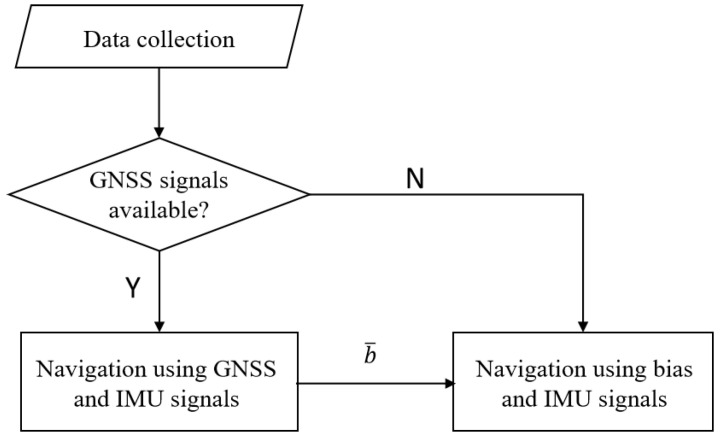 Figure 1
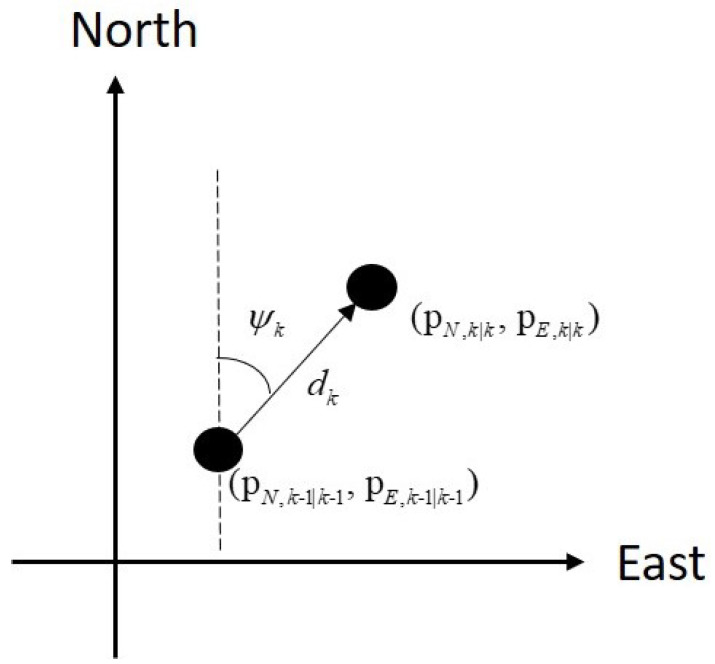 Figure 2
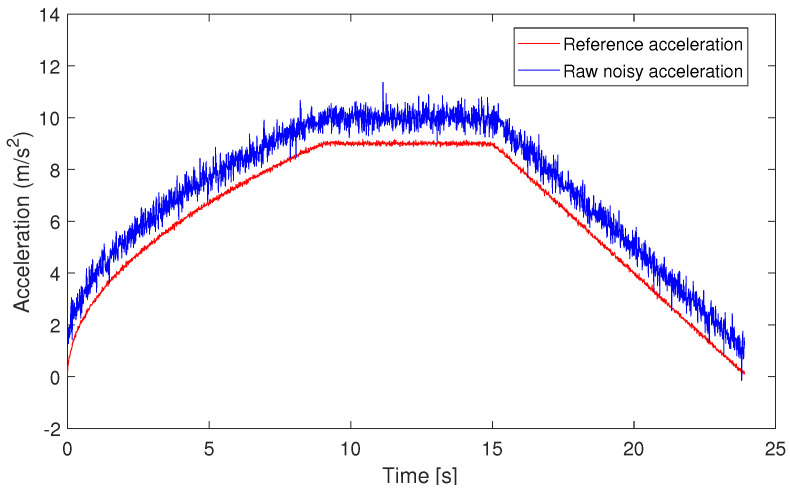 Figure 3
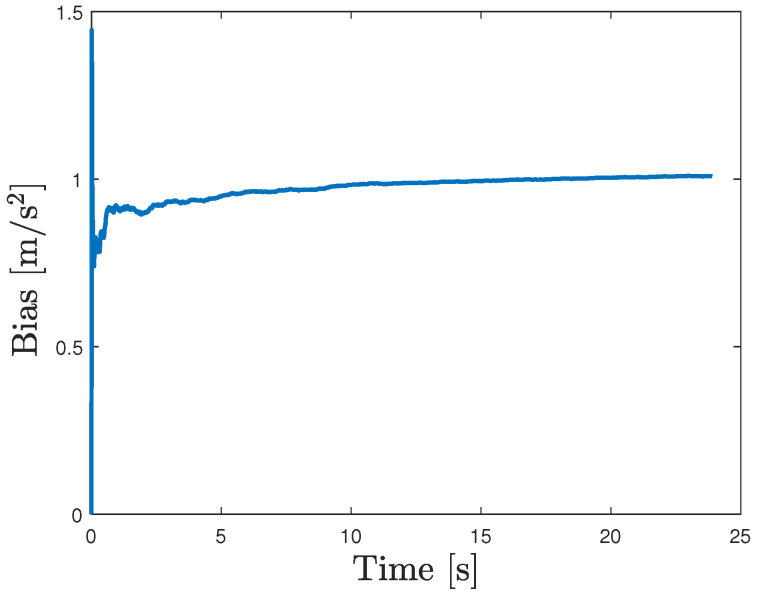 Figure 4
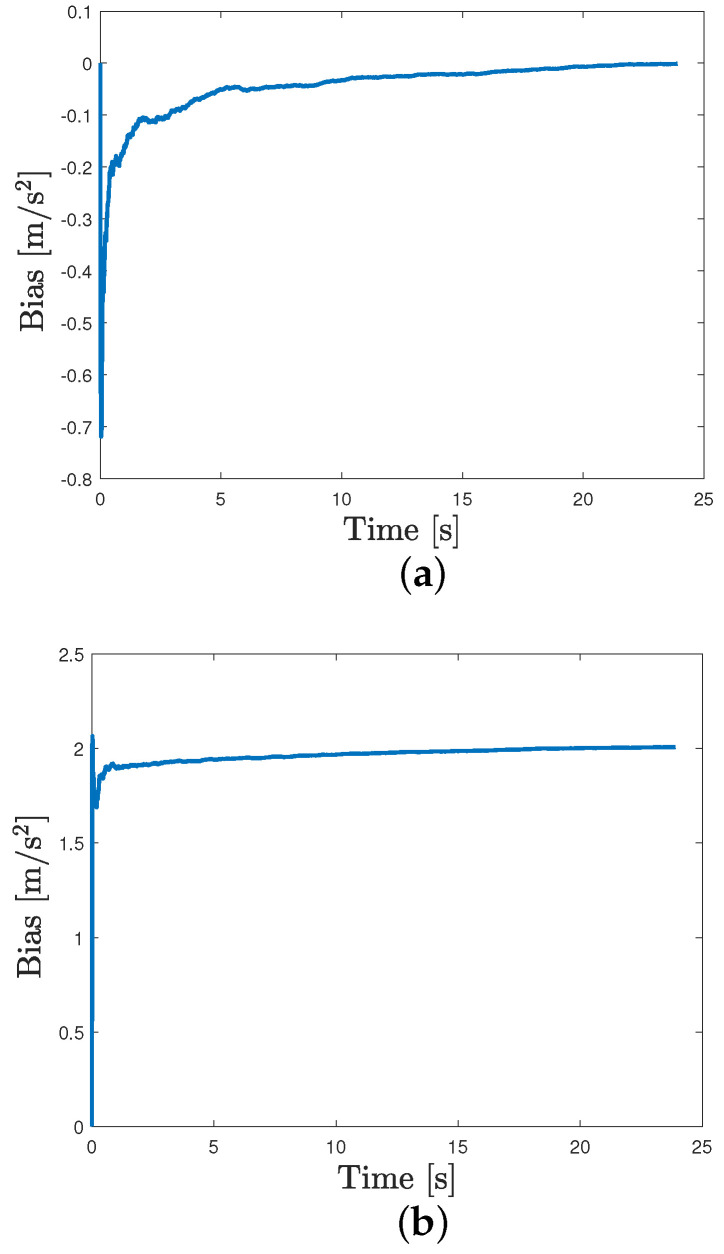 Figure 5
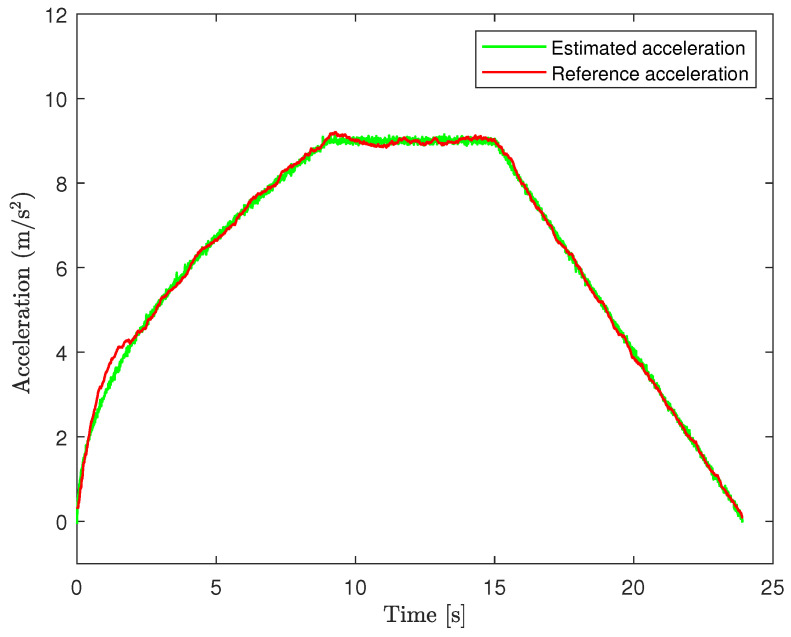 Figure 6
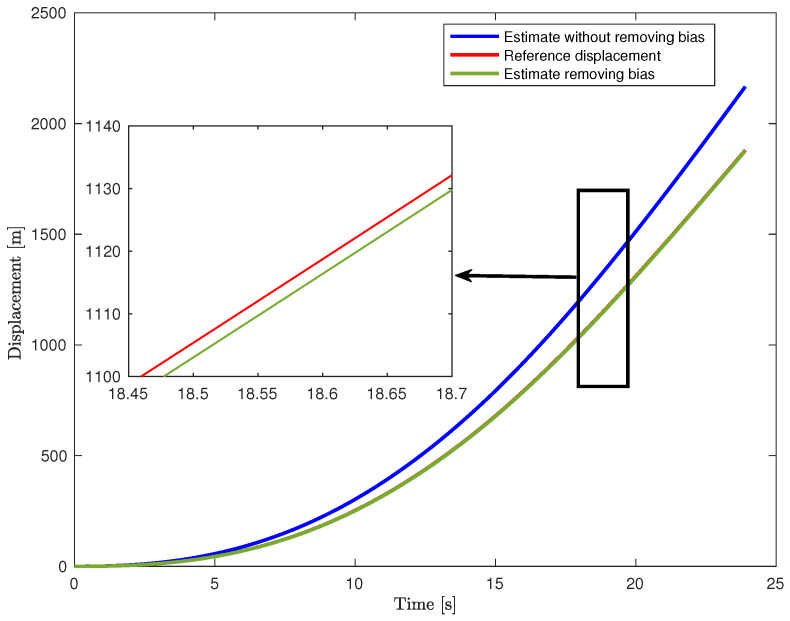 Figure 7
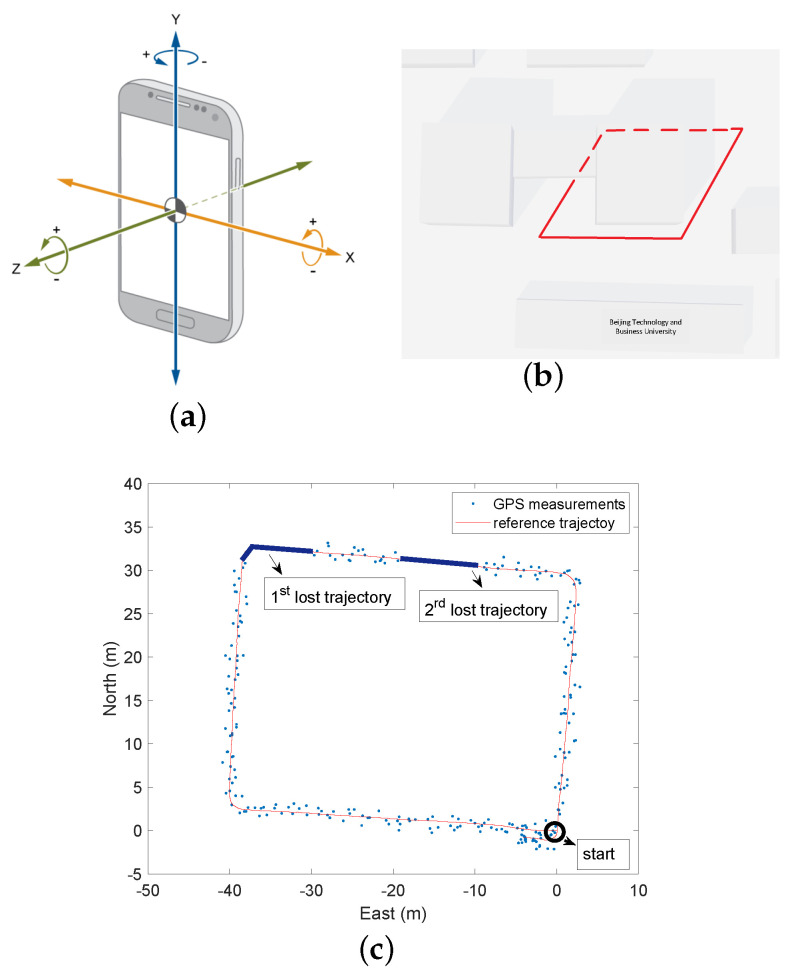 Figure 8
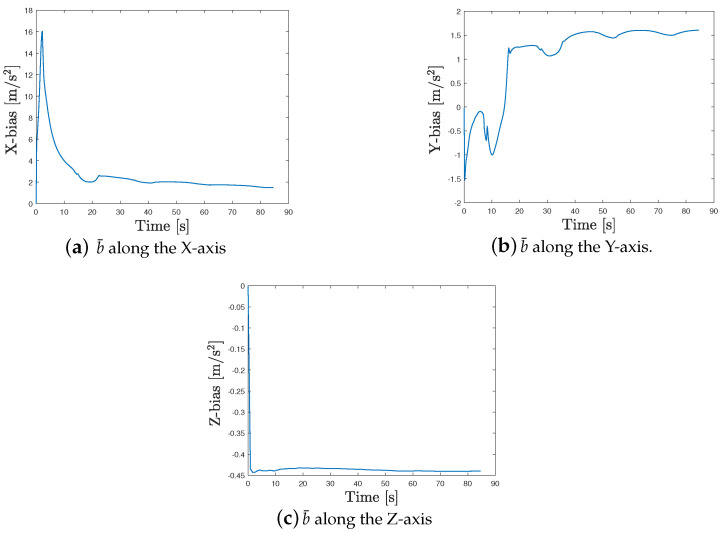 Figure 9
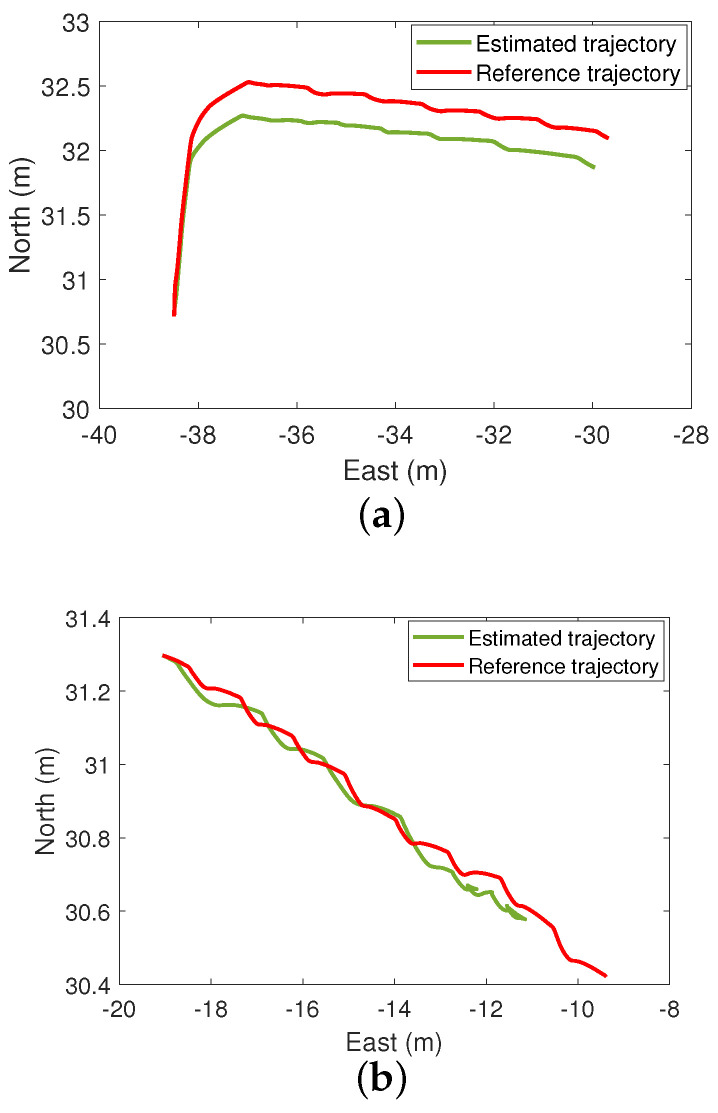 Figure 10
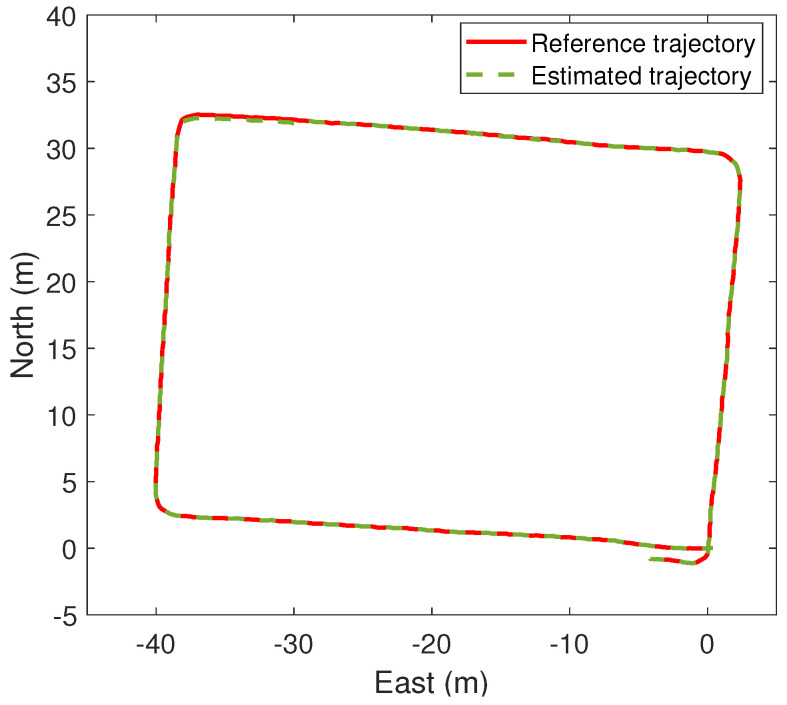 Figure 11
Peer Reviews
No public reviews on file for this paper yet. If you reviewed it on a platform where reviews are public (OpenReview, ICLR, NeurIPS, ICML), you can paste yours below so the community can read it here.
Videos
No videos yet. Explain this paper in a talk, walkthrough, or lecture? Add one.
Taxonomy
TopicsIndoor and Outdoor Localization Technologies · Inertial Sensor and Navigation · Speech and Audio Processing