It Is Not All about Alkaloids—Overlooked Secondary Constituents in Roots and Rhizomes of Gelsemium sempervirens (L.) J.St.-Hil
Lilo K. Mailänder, Khadijeh Nosrati Gazafroudi, Peter Lorenz, Rolf Daniels, Florian C. Stintzing, Dietmar R. Kammerer

TL;DR
This study explores new chemical compounds in Gelsemium sempervirens roots and rhizomes, revealing overlooked secondary metabolites and their potential roles.
Contribution
The study reports the first identification of depsides and phenolic glycerides in G. sempervirens.
Findings
Depsi des and phenolic glycerides, including benzoic and cinnamic acid derivatives, were identified in G. sempervirens roots and rhizomes.
Phenolic content in extracts ranged from 30 to 50% as chlorogenic acid equivalents per g dry weight.
Lactic acid fermentation of extracts led to degradation of phenolic esters and formation of volatile metabolites.
Abstract
Gelsemium sempervirens (L.) J.St.-Hil. is an evergreen shrub occurring naturally in North and Middle America. So far, more than 120 alkaloids have been identified in this plant in addition to steroids, coumarins and iridoids, and its use in traditional medicine has been traced back to these compound classes. However, a comprehensive phytochemical investigation of the plant with a special focus on further compound classes has not yet been performed. Therefore, the present study aimed at an extensive HPLC-MSn characterization of secondary metabolites and, for the first time, reports the occurrence of various depsides and phenolic glycerides in G. sempervirens roots and rhizomes, consisting of benzoic and cinnamic acid derivatives as well as dicarboxylic acids. Furthermore, mono- and disaccharides were assigned by GC-MS. Applying the Folin–Ciocalteu assay, the phenolic content of extracts…
Genes, proteins, chemicals, diseases, species, mutations and cell lines named across the full text — each resolved to its canonical identifier and authoritative record.
Click any figure to enlarge with its caption.
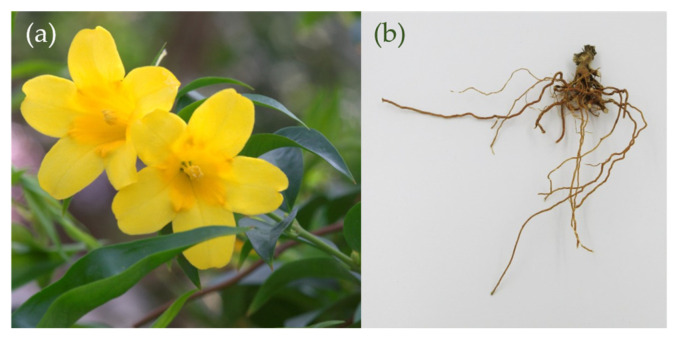 Figure 1
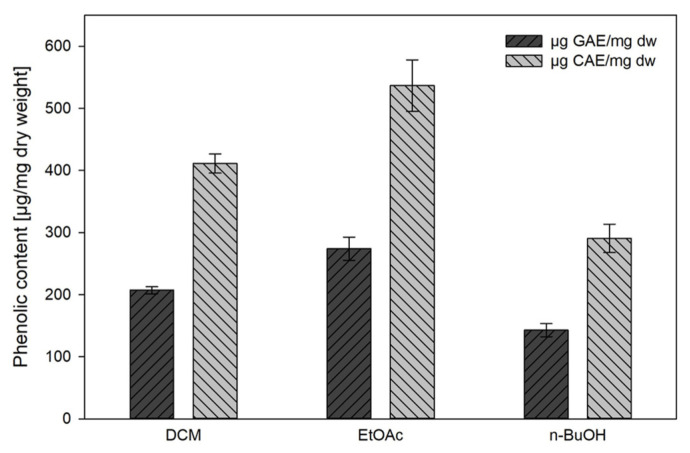 Figure 2
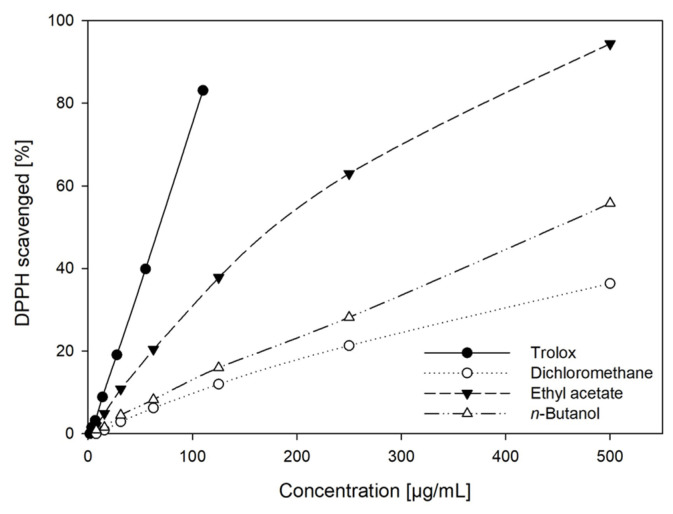 Figure 3
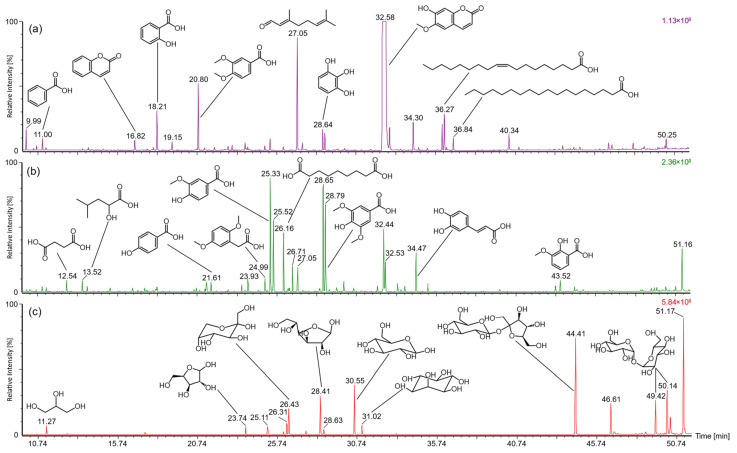 Figure 4
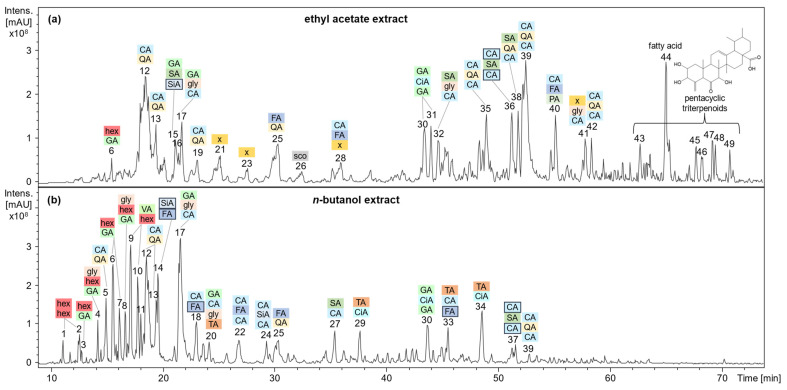 Figure 5
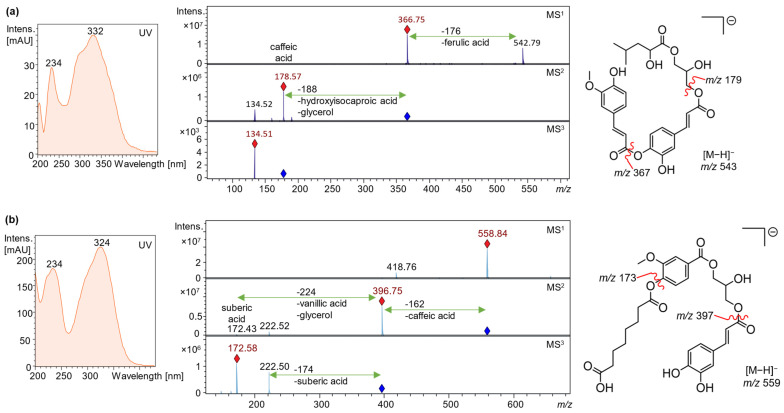 Figure 6
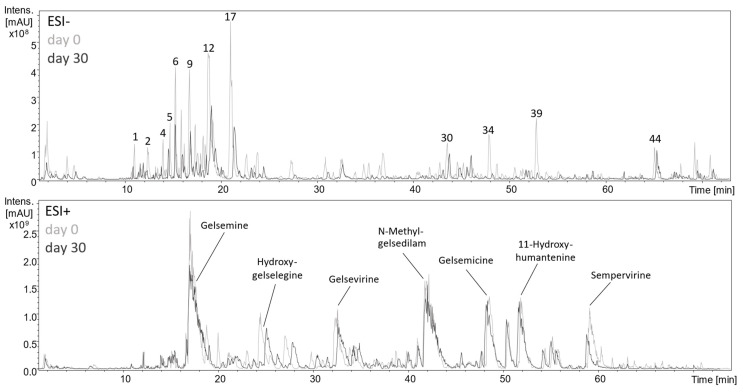 Figure 7
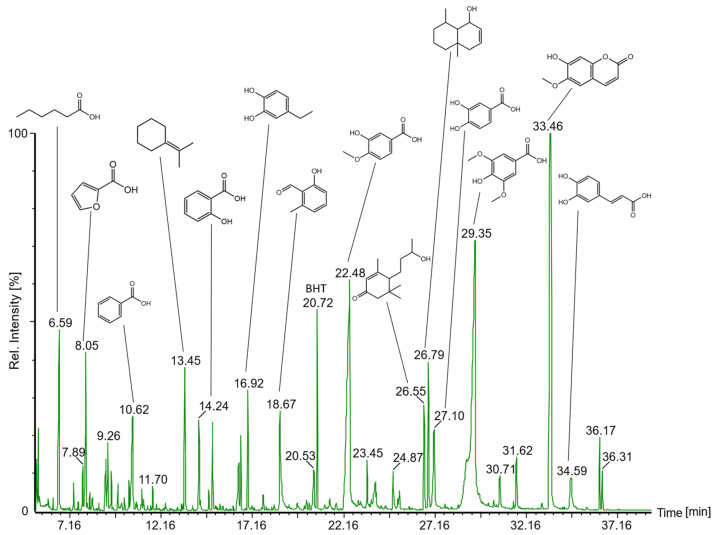 Figure 8
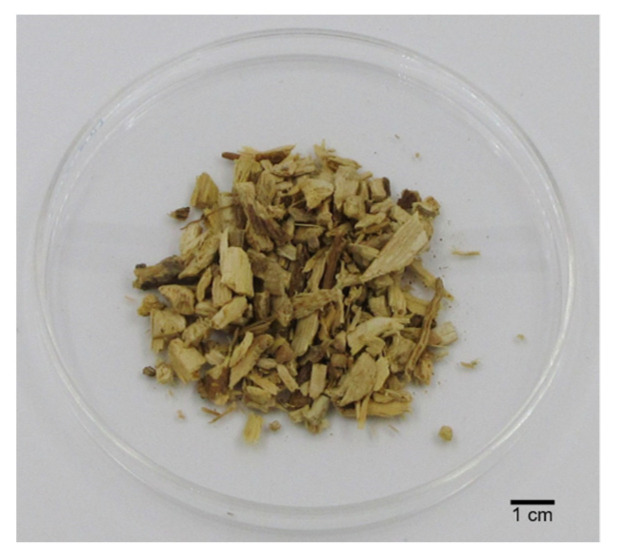 Figure 9
Peer Reviews
No public reviews on file for this paper yet. If you reviewed it on a platform where reviews are public (OpenReview, ICLR, NeurIPS, ICML), you can paste yours below so the community can read it here.
Videos
No videos yet. Explain this paper in a talk, walkthrough, or lecture? Add one.
Taxonomy
TopicsAlkaloids: synthesis and pharmacology · Plant and Fungal Species Descriptions · Traditional and Medicinal Uses of Annonaceae