Comparing competing characterizations suggests there might be more than one type of interest
Daniel Dukes, Catherine Audrin, Fabrice Clément, Marcello Mortillaro

TL;DR
This paper suggests that there might be more than one type of interest, based on findings from four studies involving 993 participants.
Contribution
The paper introduces the idea that different types of interest exist, which could explain conflicting previous results.
Findings
A two-appraisal model explains interest in simple stimuli, but a more complex model is better for real-world interest.
Previous models of interest may capture different types of interest, resolving conflicting results.
Researchers should be more precise about the type of interest they study.
Abstract
Although there is general consensus concerning the importance and function of interest in our daily lives, there is little agreement about its nature. Four studies of increasing ecological validity (total N = 993) were carried out to compare two different characterizations of interest in terms of the key appraisals involved. The findings indicate that while a two-appraisal model is suitable to explain the interest we can feel towards simple stimuli, a more complex model may better capture the nature of interest in the real world. Further analysis suggested the contrasting previous results could be resolved by arguing that previous models of interest capture different types of interest. This novel finding represents a promising first step towards a more definitive definition of interest, and suggests that while interest may always be related to motivating exploration, learning and…
Genes, proteins, chemicals, diseases, species, mutations and cell lines named across the full text — each resolved to its canonical identifier and authoritative record.
Click any figure to enlarge with its caption.
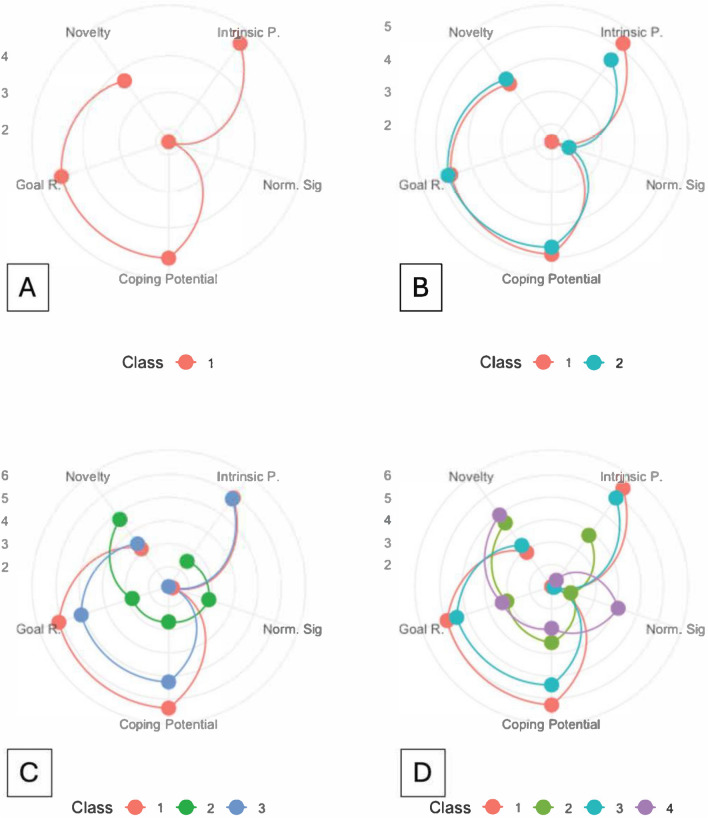 Figure 1
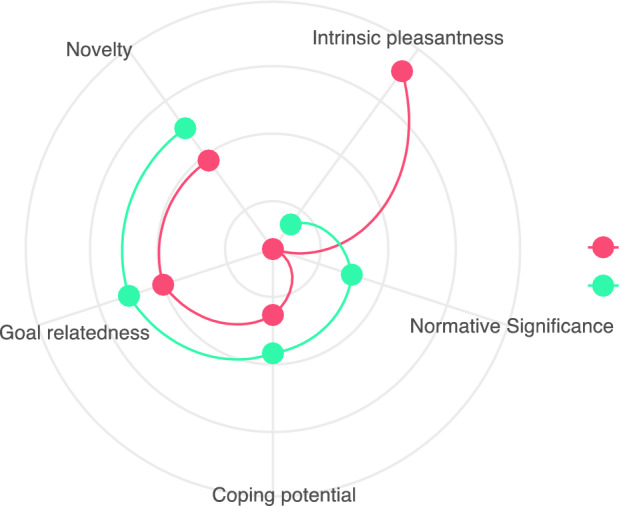 Figure 2
Peer Reviews
No public reviews on file for this paper yet. If you reviewed it on a platform where reviews are public (OpenReview, ICLR, NeurIPS, ICML), you can paste yours below so the community can read it here.
Videos
No videos yet. Explain this paper in a talk, walkthrough, or lecture? Add one.
Taxonomy
TopicsQuantum many-body systems