Non‐motor role of the cerebellum: Cerebellar mutism syndrome in a child with a small hemorrhagic contusion in the dentate nucleus: A case report and literature review
Moayad Ahmed, Mukashfi Ali, Alaaeldin Ginawi

TL;DR
A child with a rare cerebellar injury showed speech loss, highlighting the cerebellum's role in cognition and the importance of recognizing cerebellar mutism syndrome.
Contribution
This case report emphasizes the non-motor role of the cerebellum and the importance of accurate diagnosis of cerebellar mutism syndrome in pediatric trauma patients.
Findings
Cerebellar mutism syndrome was diagnosed in a child with a small hemorrhagic contusion in the dentate nucleus.
Non-motor signs of the syndrome recovered over weeks, leaving only mild motor deficits.
The case provides insight into the cerebellum's role in cognitive functions like speech.
Abstract
Our case report highlights that Prompt recognition of cerebellar mutism syndrome (CMS) is critical in clinical practice, as it is often misdiagnosed as just being reduction in the level of consciousness, particularly in pediatrics trauma patients. Cerebellar mutism syndrome is defined as transient mutism following posterior fossa surgery, hemorrhage or traumatic insults involving the cerebellum. Cerebellar mutism syndrome (CMS) is now recognized as a form of cerebellar cognitive affective syndrome (CCAS/Schmahmann syndrome). CMS following head injury is exceedingly rare with very few cases reported. Five years old boy with normal developmental milestones and no significant medical history, sustained closed head injury following road traffic accident, the clinical scenario in addition to the radiological findings led to the diagnosis of cerebellar mutism syndrome. CMS is defined as of…
Genes, proteins, chemicals, diseases, species, mutations and cell lines named across the full text — each resolved to its canonical identifier and authoritative record.
Click any figure to enlarge with its caption.
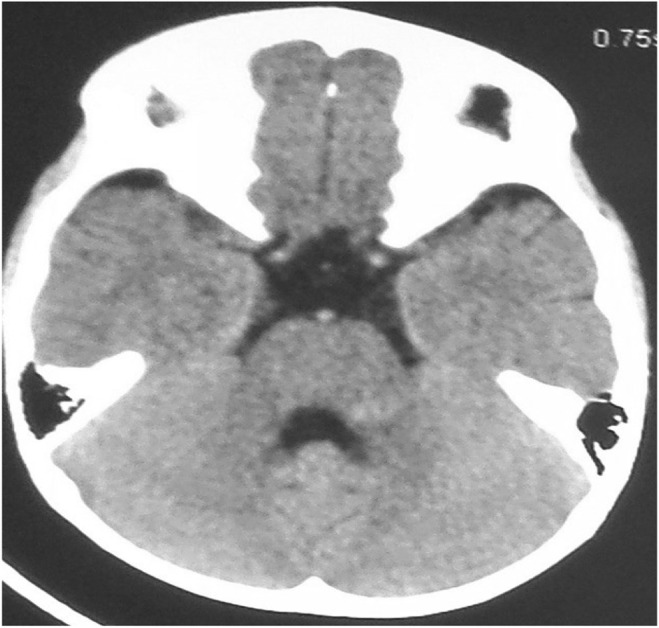 Figure 1
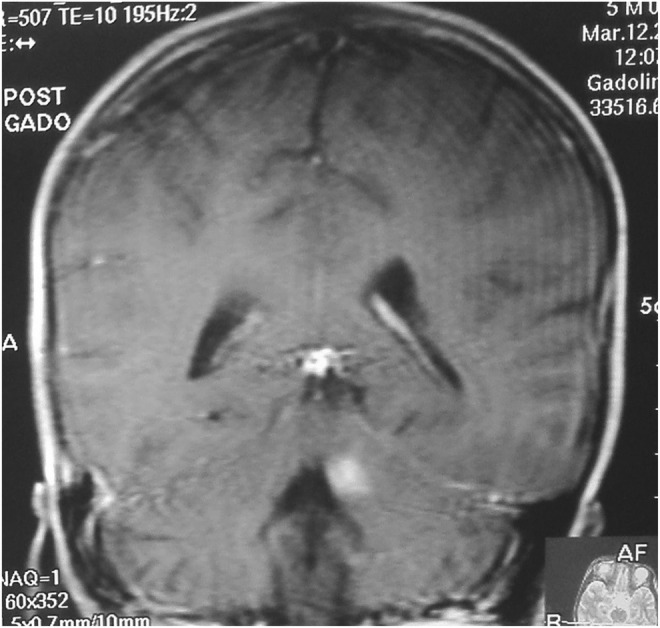 Figure 2
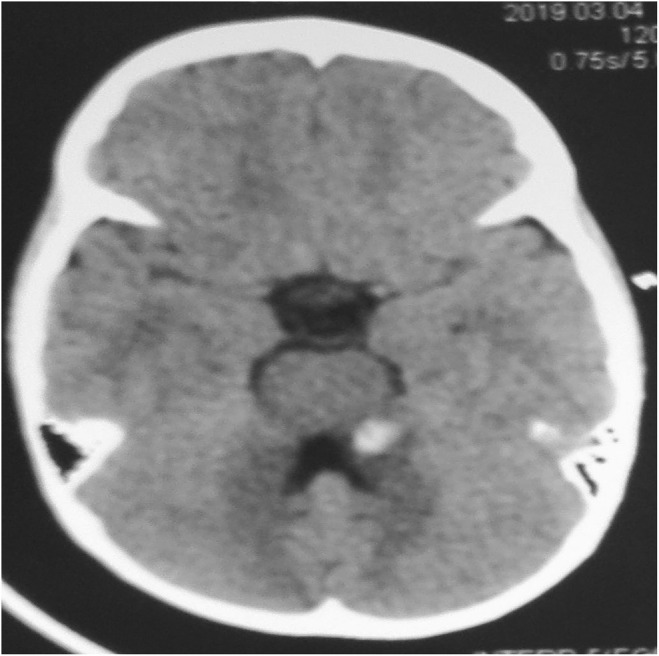 Figure 3
Peer Reviews
No public reviews on file for this paper yet. If you reviewed it on a platform where reviews are public (OpenReview, ICLR, NeurIPS, ICML), you can paste yours below so the community can read it here.
Videos
No videos yet. Explain this paper in a talk, walkthrough, or lecture? Add one.
Taxonomy
TopicsVestibular and auditory disorders · Psychosomatic Disorders and Their Treatments · Traumatic Brain Injury Research