Occlusal effects on text reading: an eye-tracker study
Maria Paola Tramonti Fantozzi, Vincenzo De Cicco, Andrea Bazzani, Enrico Cataldo, Luca Bruschini, Davide De Cicco, Paola d’Ascanio, Ugo Faraguna, Diego Manzoni

TL;DR
This study shows that jaw clenching asymmetry affects eye movements during reading, suggesting a link between occlusal factors and visual processing.
Contribution
The study reveals how occlusal correction influences oculomotor behavior during reading, linking jaw asymmetry to cognitive and visual processing.
Findings
Occlusal correction reduces EMG asymmetry and alters fixation patterns during reading.
EMG asymmetry correlates with increased saccade frequency and shorter fixation durations.
Trigeminal pathways may mediate the relationship between occlusal factors and oculomotor control.
Abstract
Asymmetric electromyographic (EMG) activity during teeth clenching has been linked to cognitive impairment, as evaluated by the Spinnler-Tognoni matrices test, and to asymmetric pupil size (anisocoria). Anisocoria indicates an asymmetric Locus Coeruleus activity, leading to an asymmetric hemispheric excitability worsening cognitive performance. Bite splint wearing corrects EMG asymmetry, reduces anisocoria and improves cognitive performance. This study explores the possible effect of EMG asymmetry on oculomotor behavior during text reading. In subjects showing different degrees of EMG asymmetry during clenching, the number and duration of fixation periods during a reading task, performed under two different occlusal conditions were analyzed. The first lecture was executed with a dental impression (imprint) interposed between the dental arches (corrected condition) and the second one…
Genes, proteins, chemicals, diseases, species, mutations and cell lines named across the full text — each resolved to its canonical identifier and authoritative record.
Click any figure to enlarge with its caption.
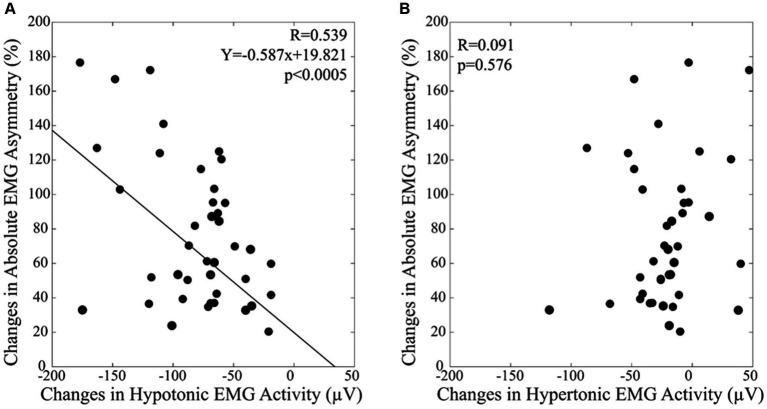 Figure 1
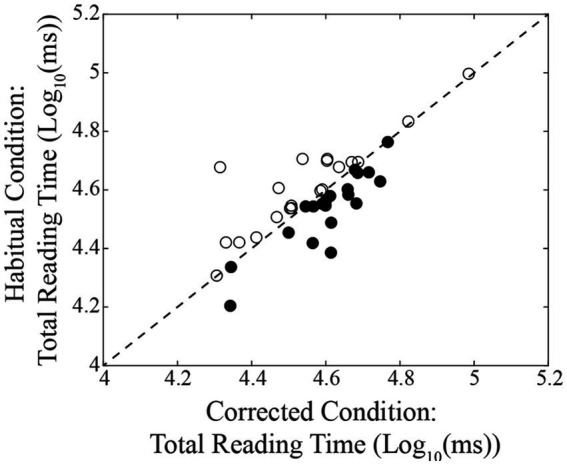 Figure 2
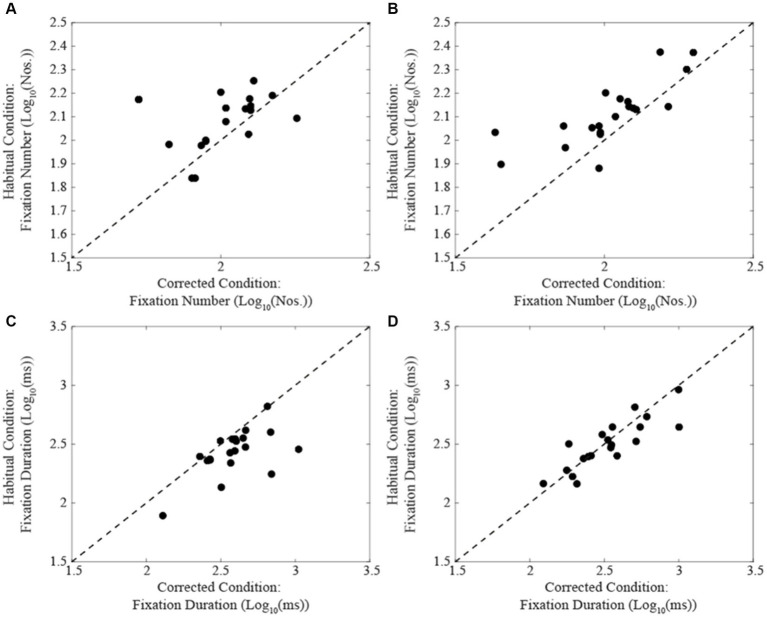 Figure 3
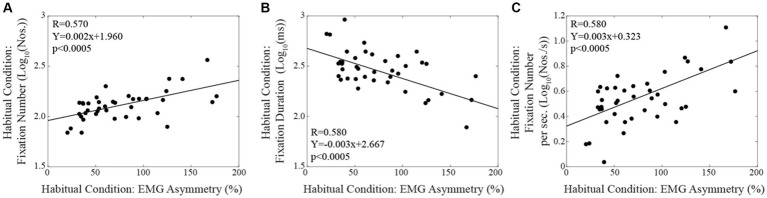 Figure 4
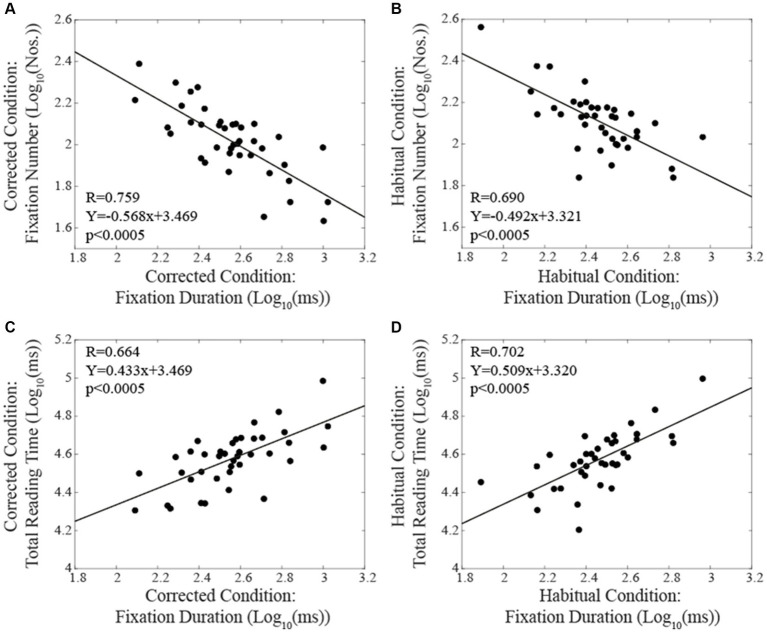 Figure 5
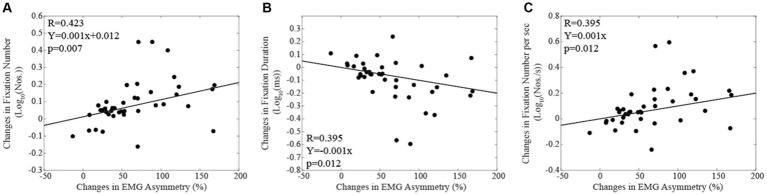 Figure 6
Peer Reviews
No public reviews on file for this paper yet. If you reviewed it on a platform where reviews are public (OpenReview, ICLR, NeurIPS, ICML), you can paste yours below so the community can read it here.
Videos
No videos yet. Explain this paper in a talk, walkthrough, or lecture? Add one.
Taxonomy
TopicsVestibular and auditory disorders · Action Observation and Synchronization · Motor Control and Adaptation