A Case of Secondary Pulmonary Hypertension in a Patient With Atrial Septal Defect and Fetal Alcohol Syndrome
Maja Pirnat, Vesna Lesjak, David Šuran, Tina Lovrec Orthaber

TL;DR
A man with fetal alcohol syndrome and a large heart defect developed severe lung high blood pressure, highlighting diagnostic and treatment challenges in adults with cognitive impairments.
Contribution
Highlights the delayed diagnosis of ASD in adults with FAS and the complexities of managing secondary pulmonary hypertension.
Findings
A 34-year-old man with fetal alcohol syndrome was diagnosed with severe pulmonary hypertension due to a large atrial septal defect.
The case illustrates diagnostic delays in patients with cognitive impairments.
Treating pulmonary hypertension in such cases poses a therapeutic dilemma due to risks of shunt closure.
Abstract
We report a case of a 34-year-old man with fetal alcohol syndrome (FAS) presenting with dyspnea, cough, and hoarse voice. The patient was found to have severe pulmonary hypertension secondary to a large atrial septal defect (ASD). In this article, we discuss the challenges patients with FAS and other patients with cognitive impairments face that could explain the first diagnosis of such a large cardiac birth defect being made in the patient’s adulthood. Moreover, severe pulmonary hypertension due to ASD also presents a therapeutic dilemma, as shunt closure can lead to a worsening of the condition.
Genes, proteins, chemicals, diseases, species, mutations and cell lines named across the full text — each resolved to its canonical identifier and authoritative record.
Click any figure to enlarge with its caption.
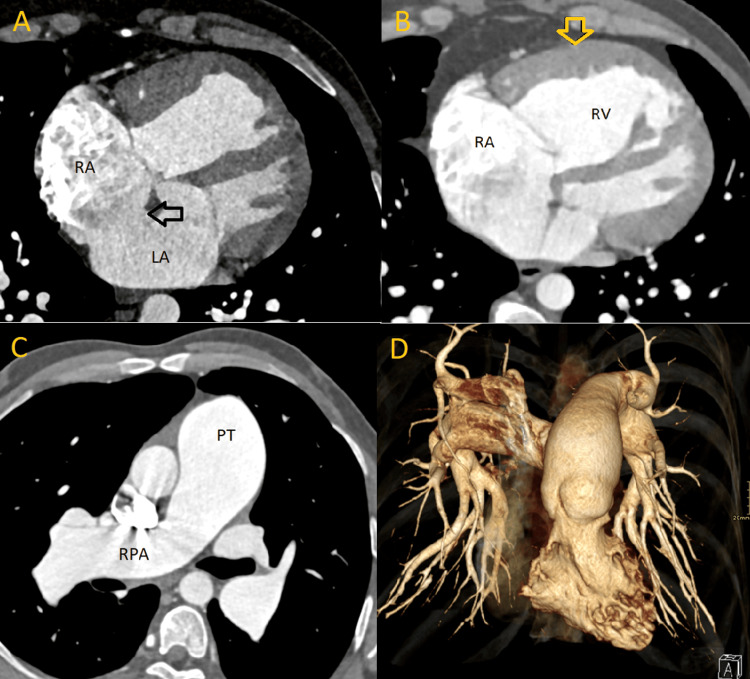 Figure 1
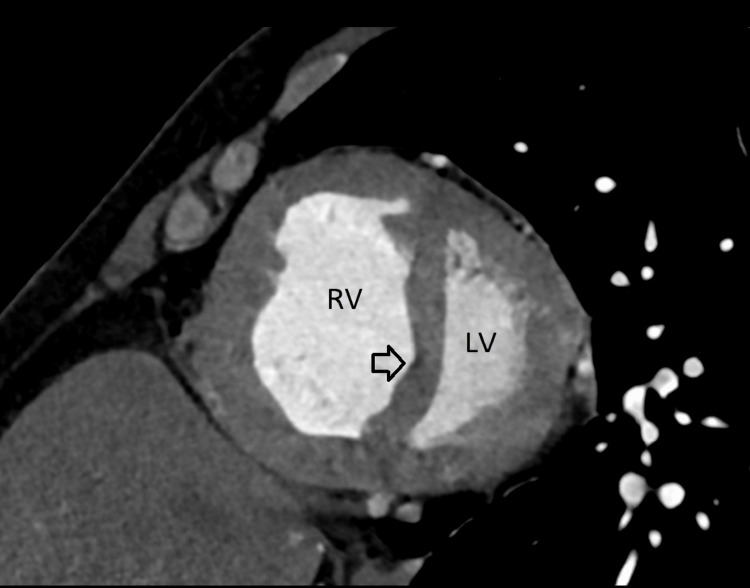 Figure 2
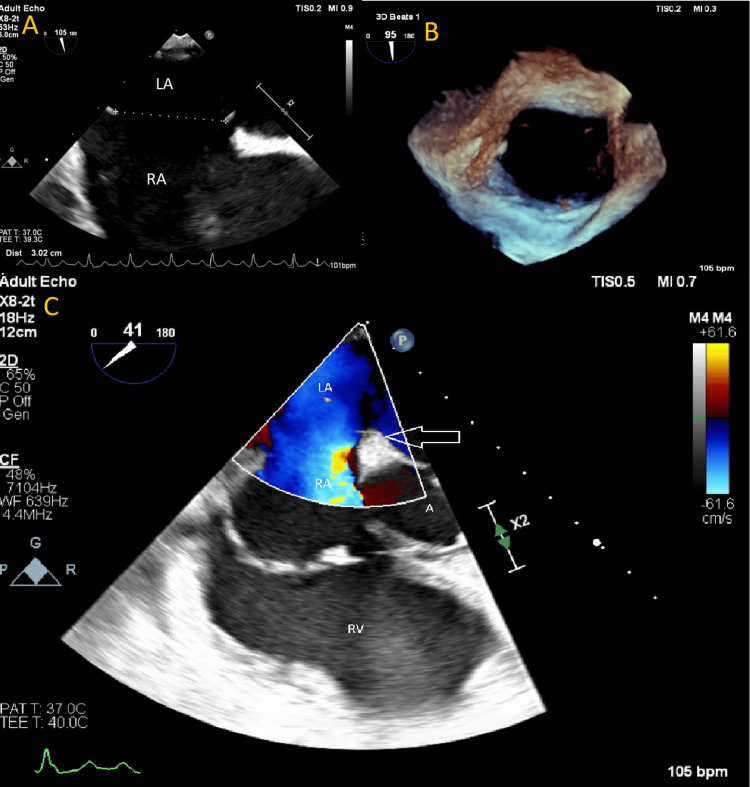 Figure 3
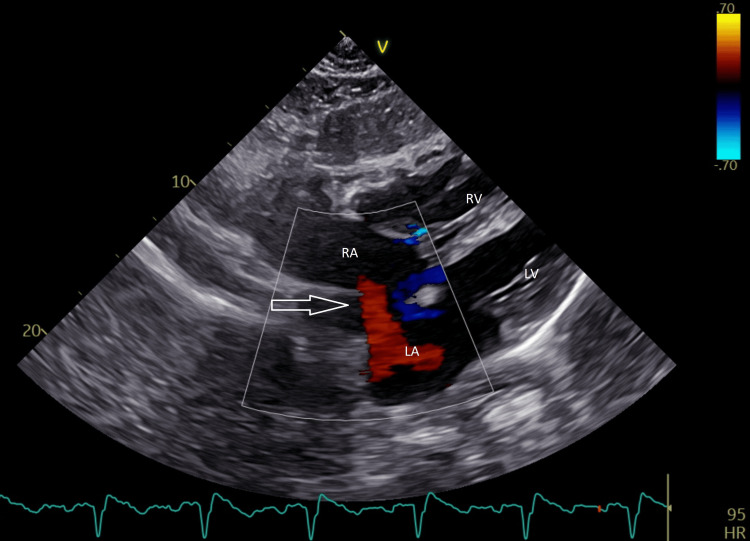 Figure 4
Peer Reviews
No public reviews on file for this paper yet. If you reviewed it on a platform where reviews are public (OpenReview, ICLR, NeurIPS, ICML), you can paste yours below so the community can read it here.
Videos
No videos yet. Explain this paper in a talk, walkthrough, or lecture? Add one.
Taxonomy
TopicsCongenital Heart Disease Studies · Cardiovascular and Diving-Related Complications · Congenital Diaphragmatic Hernia Studies