Bridging Diagnostic Gaps: Utilising HiCrome Agar and Tetrazolium Reduction Medium for the Rapid and Presumptive Identification and Speciation of Candida Species in Vulvovaginal Candidiasis in Low-Resource Environments
Lavanya Balaji, Jayakumar Subramaniam

TL;DR
This study shows that HiCrome agar and tetrazolium reduction medium can quickly and accurately identify Candida species causing vaginal infections in low-resource settings.
Contribution
The study demonstrates the effectiveness of HiCrome agar and tetrazolium reduction medium for rapid Candida speciation in vulvovaginal candidiasis.
Findings
HiCrome agar and tetrazolium reduction medium accurately identified all Candida isolates with complete concordance to the VITEK2 system.
Candida albicans was the most common species identified, followed by Candida tropicalis, Candida glabrata, and Candida parapsilosis.
Both methods provided rapid and reliable presumptive identification suitable for low-resource environments.
Abstract
Background Vulvovaginal candidiasis (VVC) is a common fungal infection caused by an overgrowth of Candida species, primarily Candida albicans (C. albicans). Using HiCrome agar and tetrazolium reduction medium offers cost-effectiveness in Candida detection by eliminating the need for additional tests, reducing equipment costs compared to automated systems, and simplifying workflow with direct species identification while maintaining high specificity. They expedite detection by directly identifying Candida species based on colony colour, bypassing the multiple steps of phenotypic methods. This efficiency saves time in the laboratory, providing rapid results without the extended processing times associated with automated systems and facilitating prompt diagnosis and treatment decisions. These diagnostic tools are especially valuable in low-resource environments where a quick and accurate…
Genes, proteins, chemicals, diseases, species, mutations and cell lines named across the full text — each resolved to its canonical identifier and authoritative record.
Click any figure to enlarge with its caption.
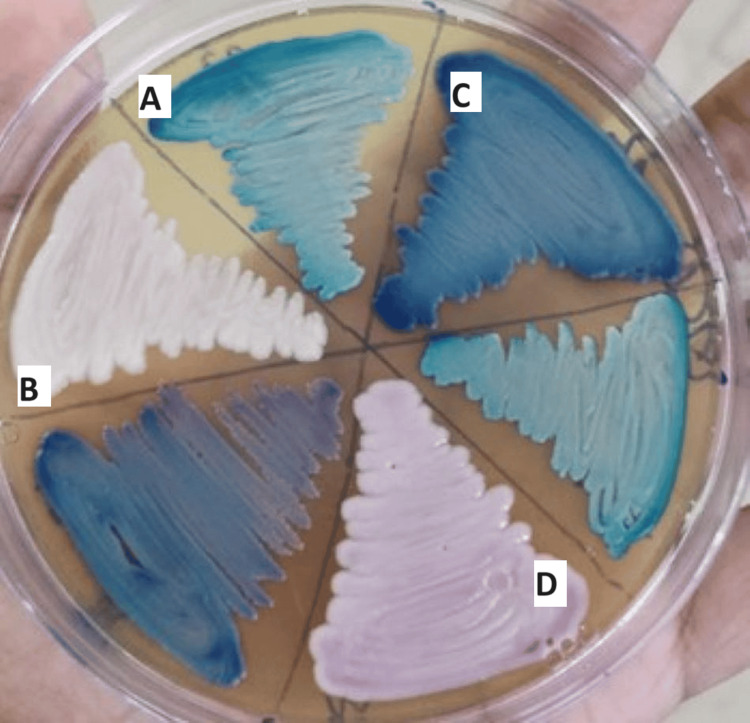 Figure 1
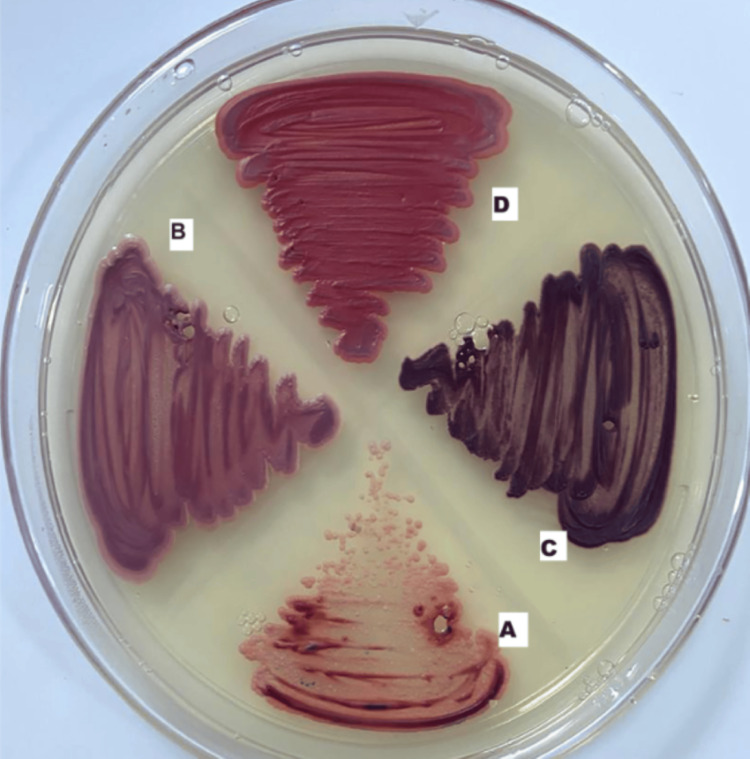 Figure 2
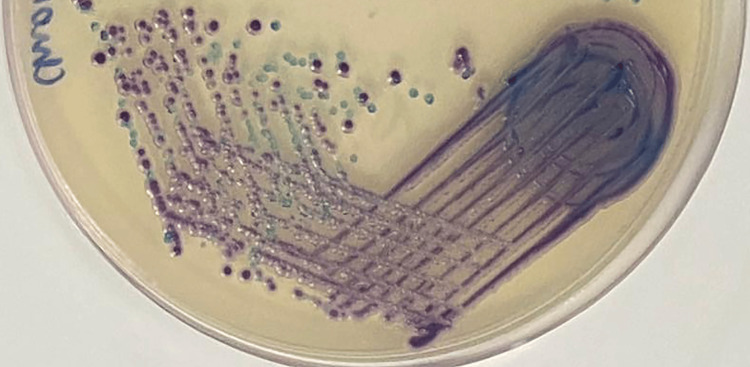 Figure 3
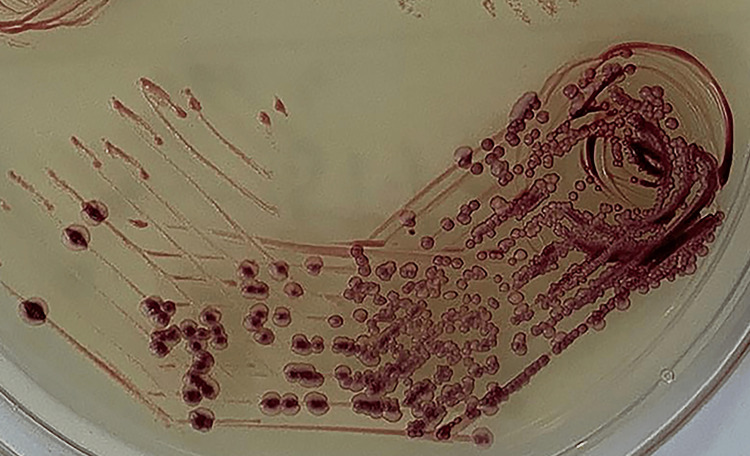 Figure 4
Peer Reviews
No public reviews on file for this paper yet. If you reviewed it on a platform where reviews are public (OpenReview, ICLR, NeurIPS, ICML), you can paste yours below so the community can read it here.
Videos
No videos yet. Explain this paper in a talk, walkthrough, or lecture? Add one.
Taxonomy
TopicsReproductive tract infections research · Antifungal resistance and susceptibility · Cervical Cancer and HPV Research