A Novel Synthesis Method of Dumbbell-like (Gd1−xTbx)2O(CO3)2·H2O Phosphor for Latent Fingerprint
Lei Huang, Jian Qian, Shijian Sun, Zheng Li, Dechuan Li

TL;DR
A new method for making dumbbell-shaped phosphors using sodium carbonate is developed for better latent fingerprint visualization.
Contribution
A novel synthesis method for (Gd1−xTbx)2O(CO3)2·H2O phosphors using sodium carbonate is introduced.
Findings
Optimal conditions for phosphor synthesis are 7 mmol Na2CO3 and pH 9.5.
GOC:0.05Tb3+ achieves 57.5% maximum quantum efficiency.
Phosphor shows stable fluorescence suitable for latent fingerprint visualization.
Abstract
A novel method for synthesizing dumbbell-shaped (Gd1−xTbx)2O(CO3)2·H2O (GOC:xTb3+) phosphors using sodium carbonate was investigated. An amount of 1 mmol of stable fluorescent powder can be widely prepared using 3–11 mmol of Na2CO3 at a pH value of 8.5–10.5 in the reaction solution. The optimal reaction conditions for the phosphors were determined to be 7 mmol for the amount of sodium carbonate and a pH of 9.5 in the solution. Mapping analysis of the elements confirmed uniform distribution of Gd3+ and Tb3+ elements in GOC:xTb3+. The analysis of fluorescence intensity shows that an optimal excitation wavelength of 273 nm is observed when the concentration of Tb3+ is between 0.005 and 0.3. The highest emission intensity was observed for GOC:0.05Tb3+ with a 57.5% maximum quantum efficiency. The chromaticity coordinates show that the color of GOC:Tb3+ is stable and suitable for fluorescence…
Genes, proteins, chemicals, diseases, species, mutations and cell lines named across the full text — each resolved to its canonical identifier and authoritative record.
Click any figure to enlarge with its caption.
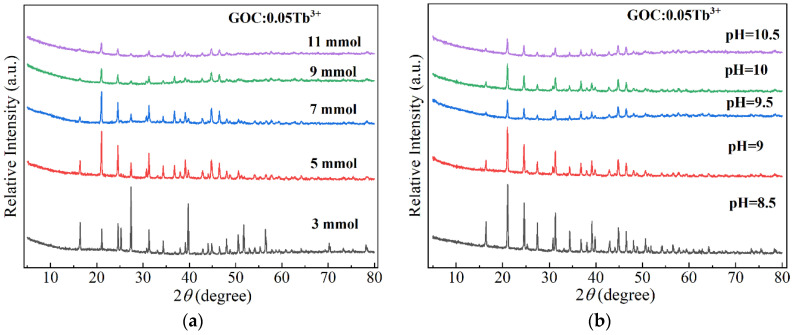 Figure 1
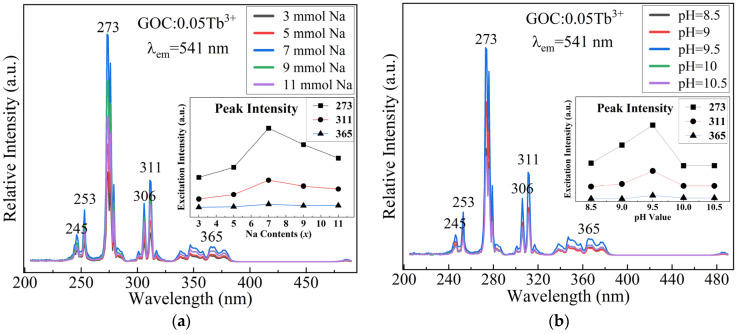 Figure 2
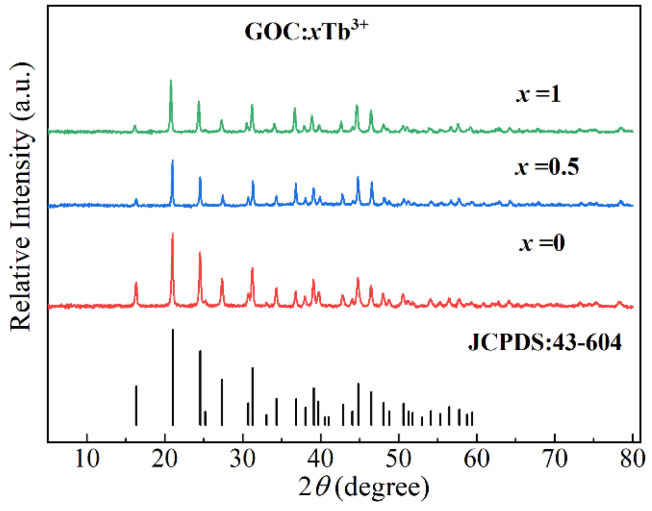 Figure 3
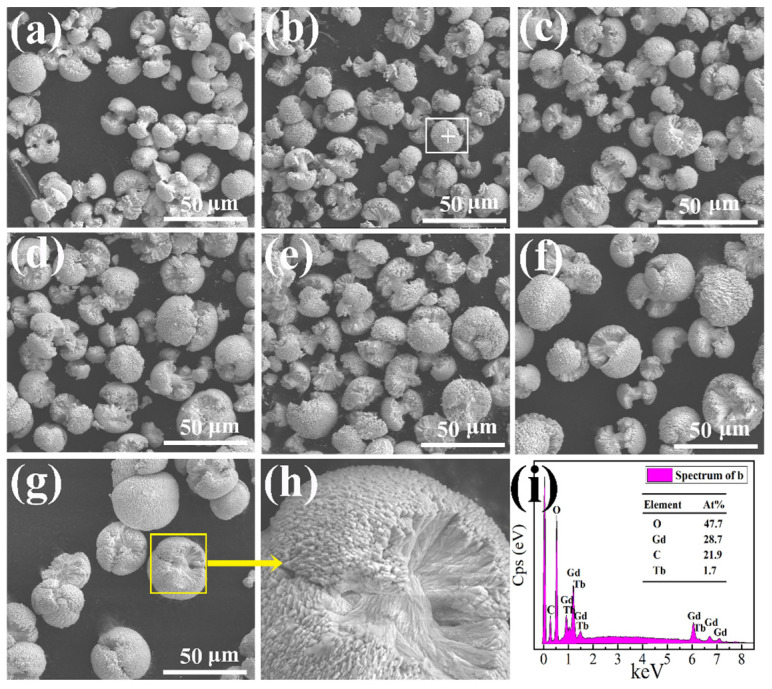 Figure 4
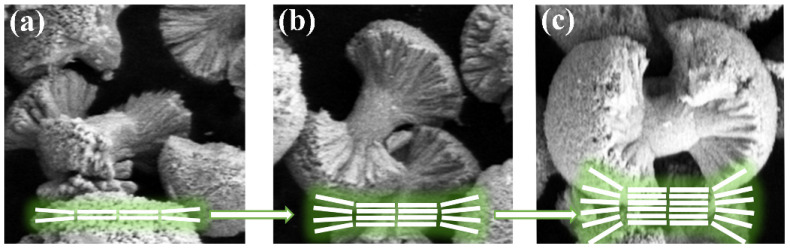 Figure 5
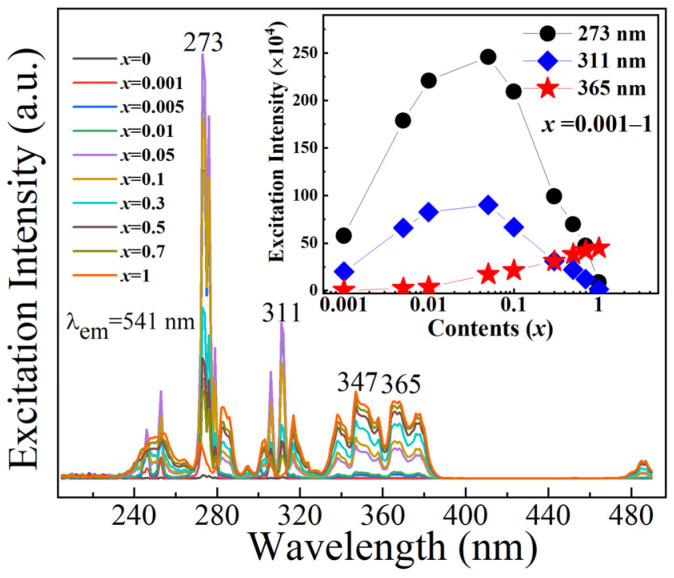 Figure 6
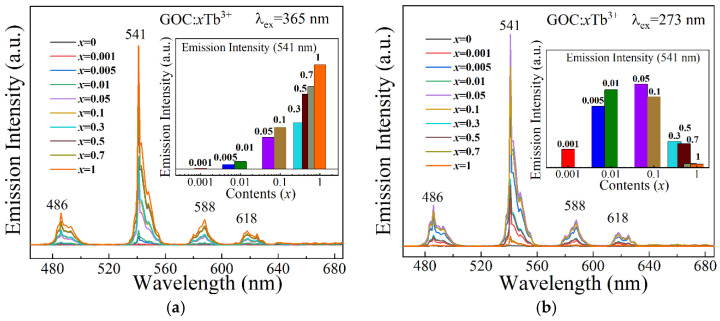 Figure 7
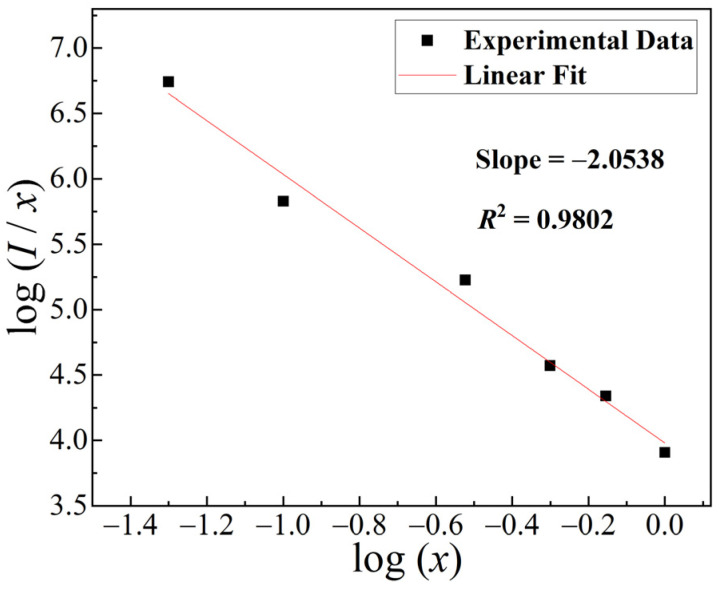 Figure 8
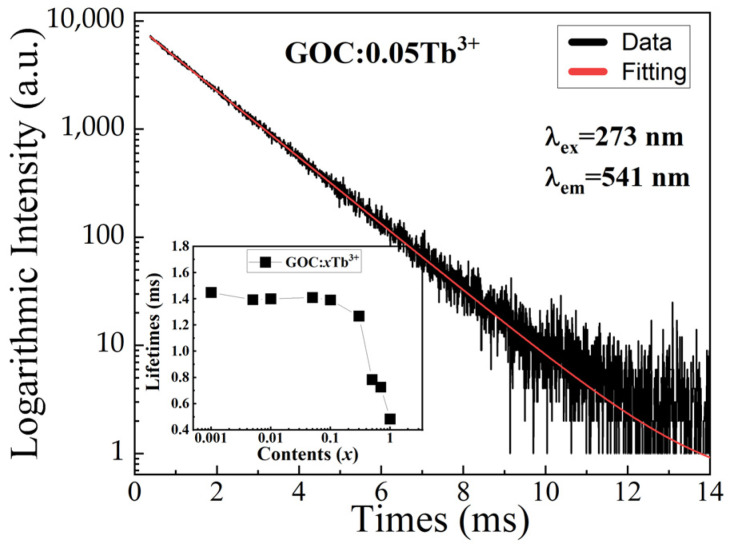 Figure 9
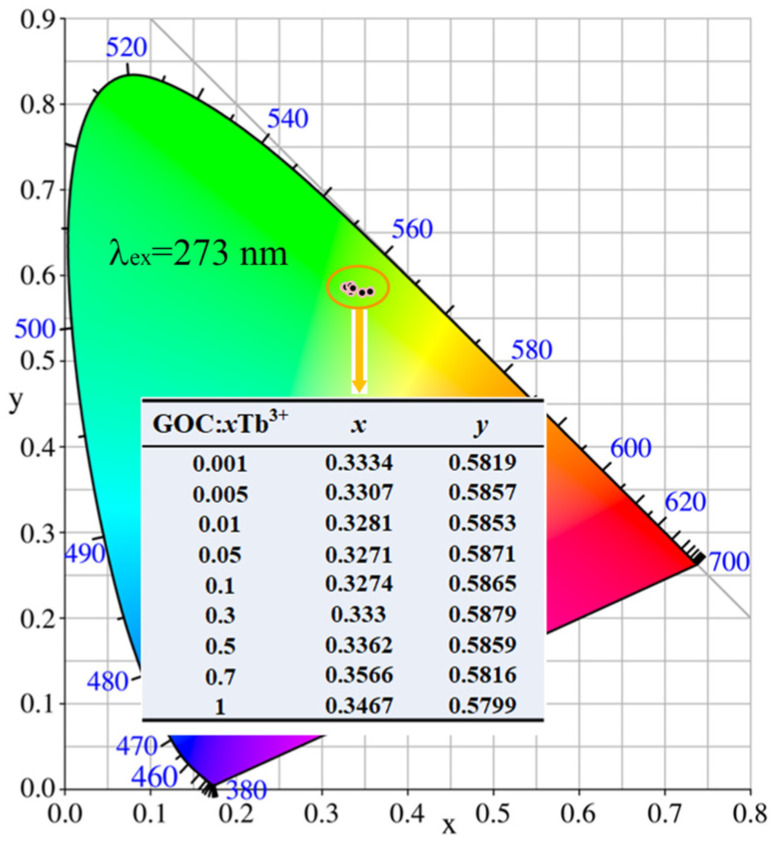 Figure 10
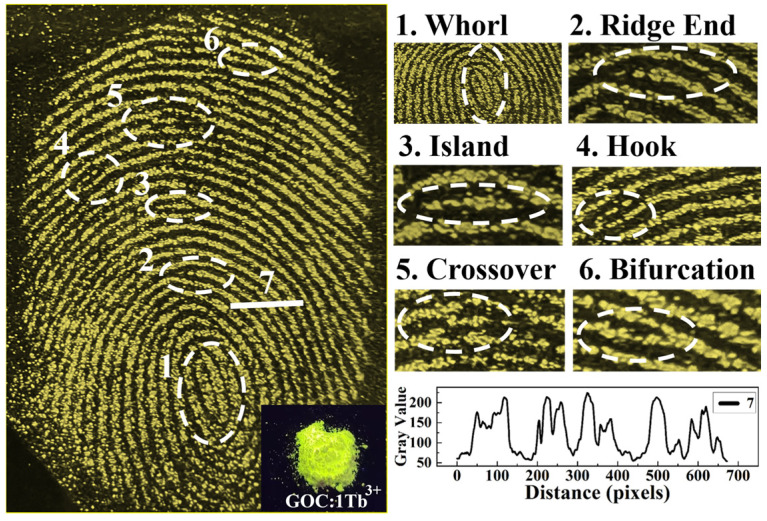 Figure 11
Peer Reviews
No public reviews on file for this paper yet. If you reviewed it on a platform where reviews are public (OpenReview, ICLR, NeurIPS, ICML), you can paste yours below so the community can read it here.
Videos
No videos yet. Explain this paper in a talk, walkthrough, or lecture? Add one.
Taxonomy
TopicsLuminescence and Fluorescent Materials · Molecular Sensors and Ion Detection · Luminescence Properties of Advanced Materials