Characteristics of Patients Lost to Follow-up after Bariatric Surgery
Laura Krietenstein, Ann-Cathrin Koschker, Alexander Dimitri Miras, Lars Kollmann, Maximilian Gruber, Ulrich Dischinger, Imme Haubitz, Martin Fassnacht, Bodo Warrings, Florian Seyfried

TL;DR
This study examines patients who stopped attending follow-up after bariatric surgery, finding that men are more likely to be lost to follow-up and travel issues are a main reason.
Contribution
The study identifies demographic and logistical factors associated with being lost to follow-up after bariatric surgery and highlights micronutrient monitoring gaps.
Findings
Men were more likely to be lost to follow-up compared to women.
Travel issues were the main reason for being lost to follow-up.
Micronutrient supplementation and monitoring were insufficient in many lost-to-follow-up patients.
Abstract
After bariatric surgery lifelong follow-up is recommended. Evidence of the consequences and reasons for being lost to follow-up (LTFU) is sparse. In this prospective study follow-up data of all patients who underwent bariatric surgery between 2008 and 2017 at a certified obesity centre were investigated. LTFU patients were evaluated through a structured telephone interview. Overall, 573 patients (female/male 70.9%/29.1%), aged 44.1 ± 11.2 years, preoperative BMI 52.1 ± 8.4 kg/m2 underwent bariatric surgery. Out of these, 33.2% had type 2 diabetes mellitus and 74.4% had arterial hypertension. A total of 290 patients were LTFU, of those 82.1% could be reached. Baseline characteristics of patients in follow-up (IFU) and LTFU were comparable, but men were more often LTFU (p = 0.01). Reported postoperative total weight loss (%TWL) and improvements of comorbidities were comparable, but %TWL…
Genes, proteins, chemicals, diseases, species, mutations and cell lines named across the full text — each resolved to its canonical identifier and authoritative record.
Click any figure to enlarge with its caption.
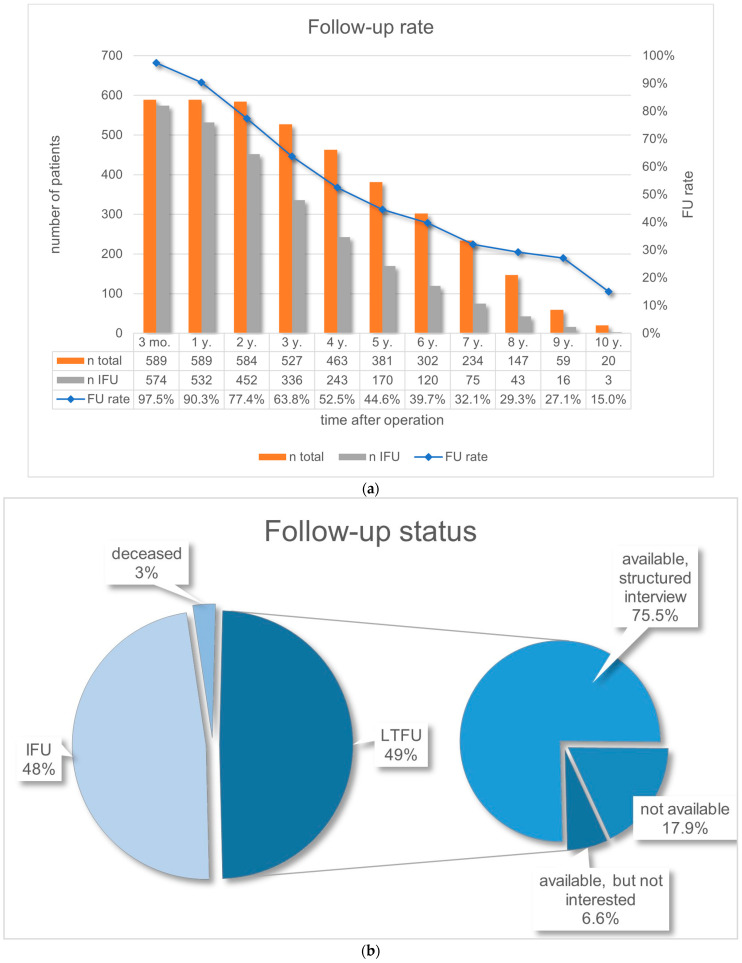 Figure 1
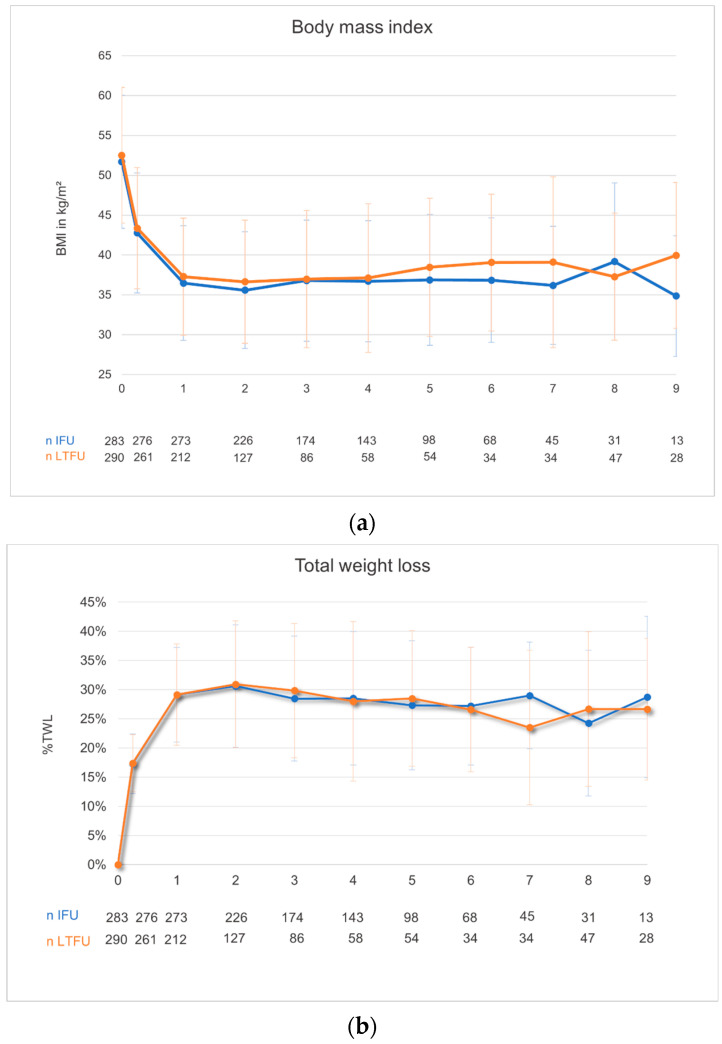 Figure 2
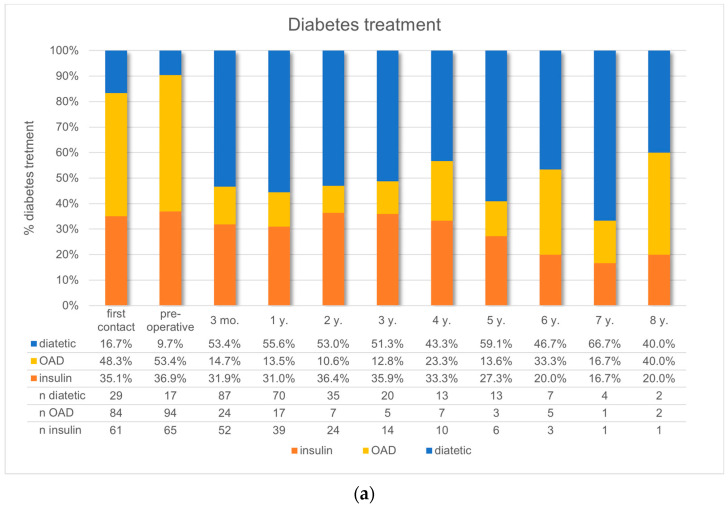 Figure 3
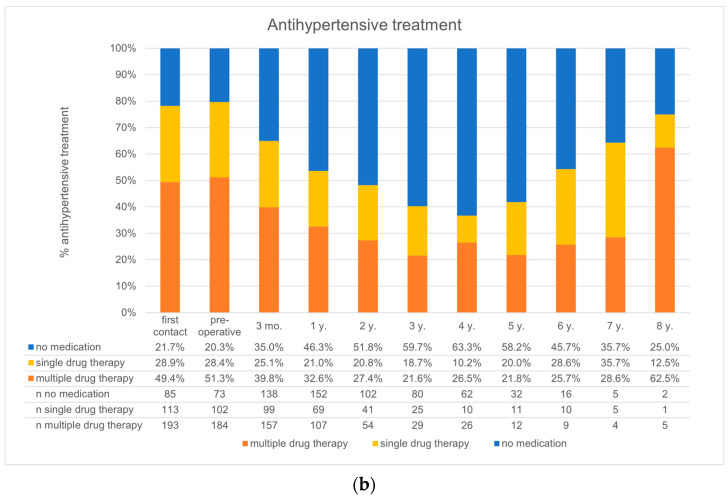 Figure 4
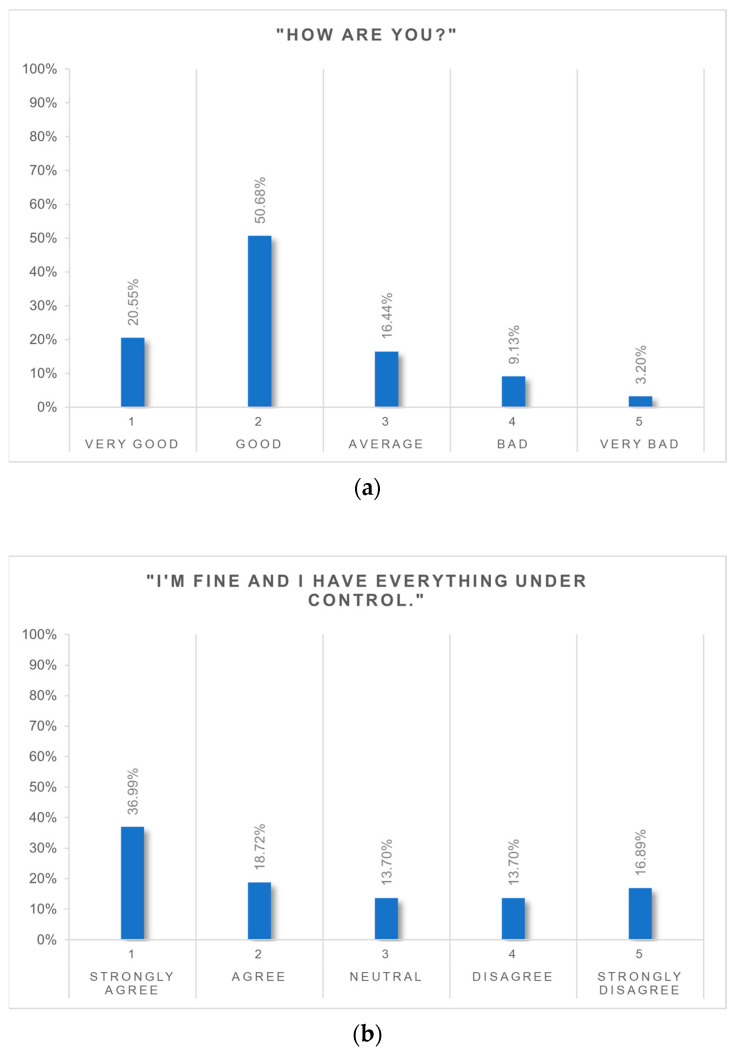 Figure 5
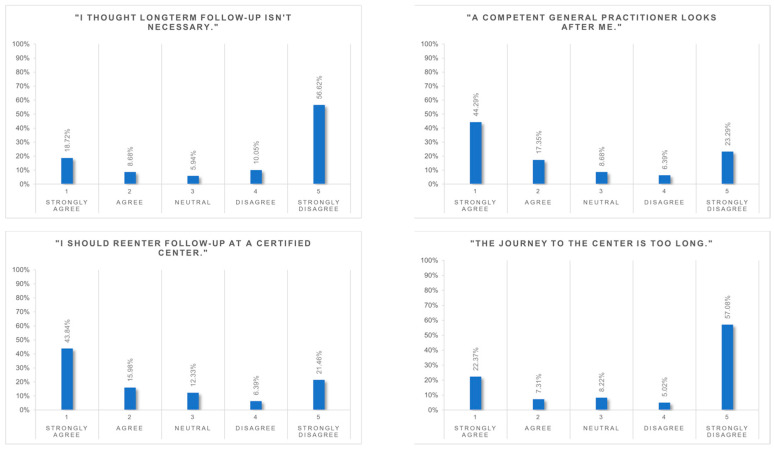 Figure 6
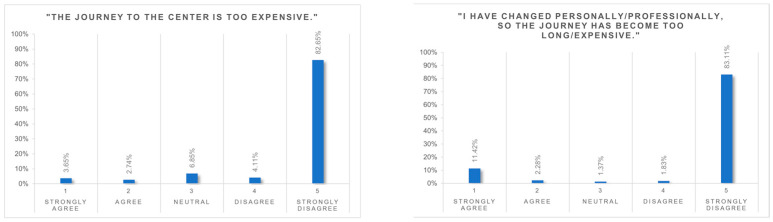 Figure 7
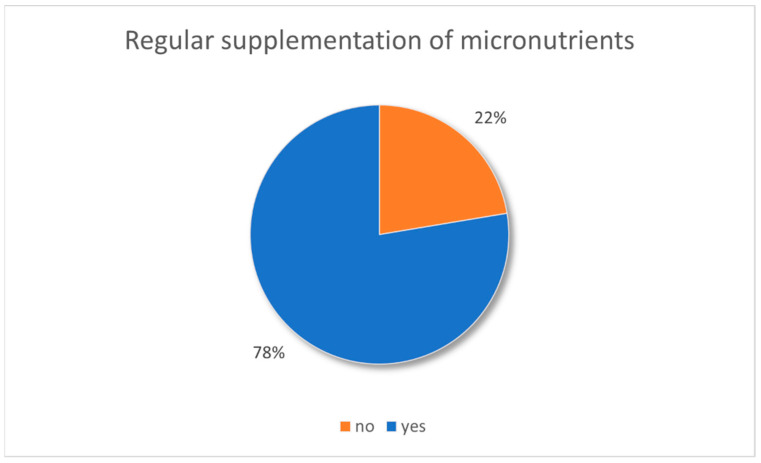 Figure 8
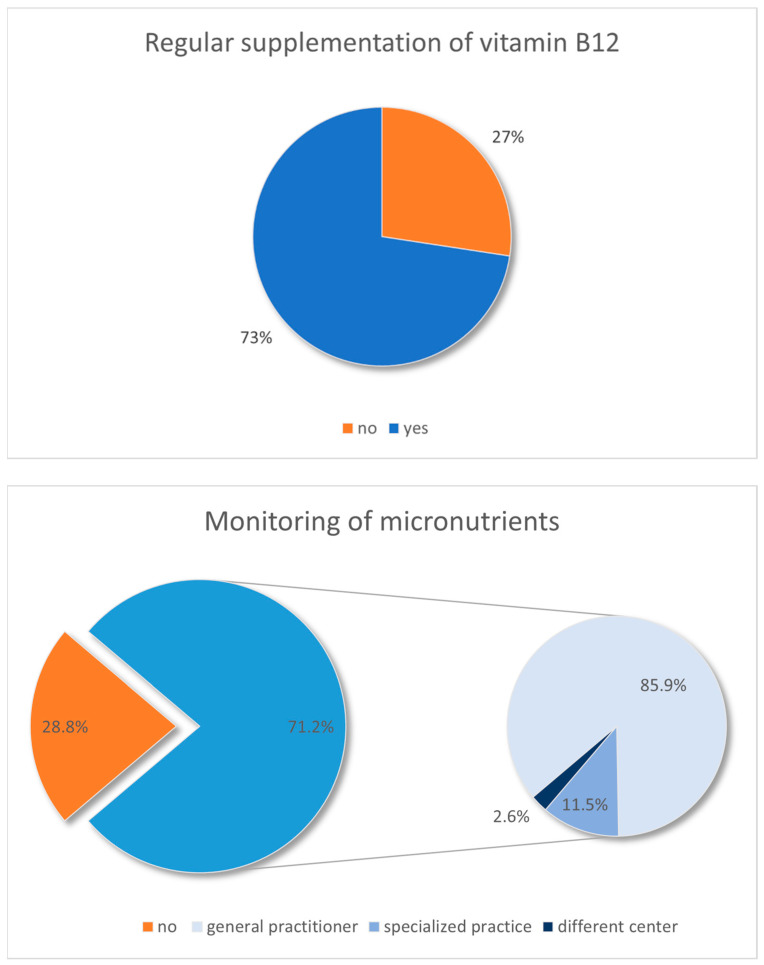 Figure 9
Peer Reviews
No public reviews on file for this paper yet. If you reviewed it on a platform where reviews are public (OpenReview, ICLR, NeurIPS, ICML), you can paste yours below so the community can read it here.
Videos
No videos yet. Explain this paper in a talk, walkthrough, or lecture? Add one.
Taxonomy
TopicsBariatric Surgery and Outcomes · Cardiovascular Disease and Adiposity · Body Contouring and Surgery