Research on the Prediction of Optimal Frequency for Vibration Mixing and Comparison on Initial Performance of Cold-Recycled Asphalt Emulsion Mixture
Tian Chen

TL;DR
This study predicts the best vibration frequency for mixing cold-recycled asphalt to improve its strength and reduce voids, helping engineers apply it more effectively.
Contribution
A novel prediction model for optimal vibration frequency in CRAEM mixing is proposed, reducing experimental costs and effort.
Findings
High-frequency vibration improves cracking resistance, moisture stability, and high-temperature stability by 28.1%, 11.2%, and a measurable amount, respectively.
Optimal vibration frequency reduces harmful voids and increases transitional pores, improving the microstructure of the mixture.
Freeze–thaw resistance remains an area requiring further investigation.
Abstract
The multicomponent cold-recycled asphalt emulsion mixture (CRAEM) has the ability of antireflection cracking between the base and the bottom surface layer, but it has secondary compaction and residual void, which is not conducive to crack resistance and fatigue performance. The application of high-frequency vibration mixing technology can reduce voids and improve crack resistance, but it is limited by the complexity of testing to determine the optimal mixing frequency. The fractal dimension of gradation is deduced by fractal theory, and the prediction model for optimal frequency is proposed. Dry, wet, freeze–thaw splitting tests, and rutting tests were employed to test the early mechanical properties of high-frequency vibration mixing specimens corresponding to different vibration accelerations, and mercury inclusion tests were utilized to compare the void distribution corresponding to…
Genes, proteins, chemicals, diseases, species, mutations and cell lines named across the full text — each resolved to its canonical identifier and authoritative record.
Click any figure to enlarge with its caption.
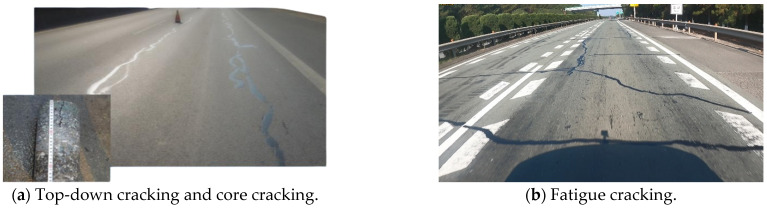 Figure 1
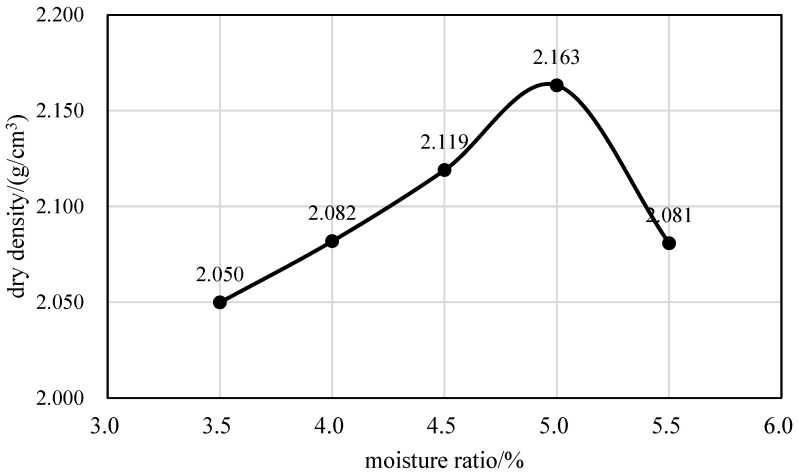 Figure 2
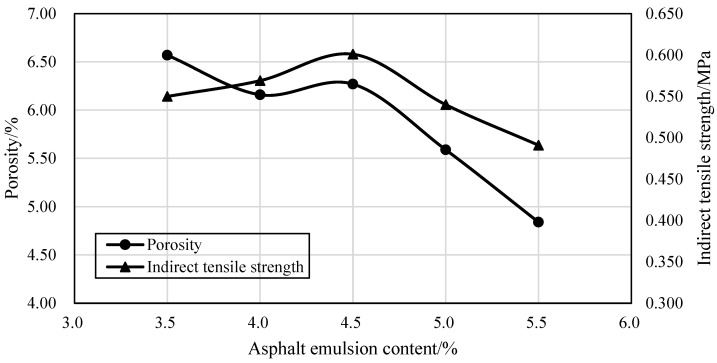 Figure 3
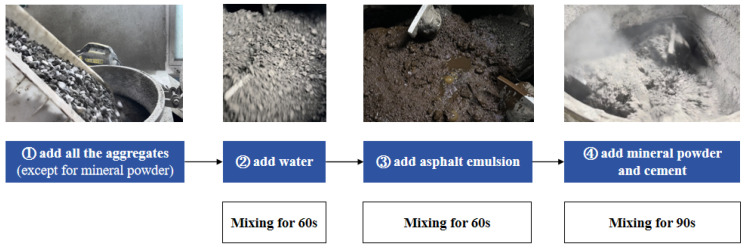 Figure 4
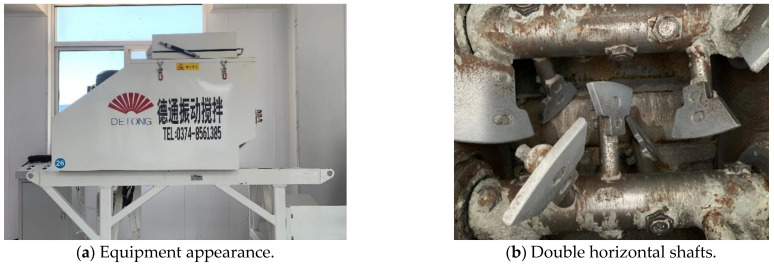 Figure 5
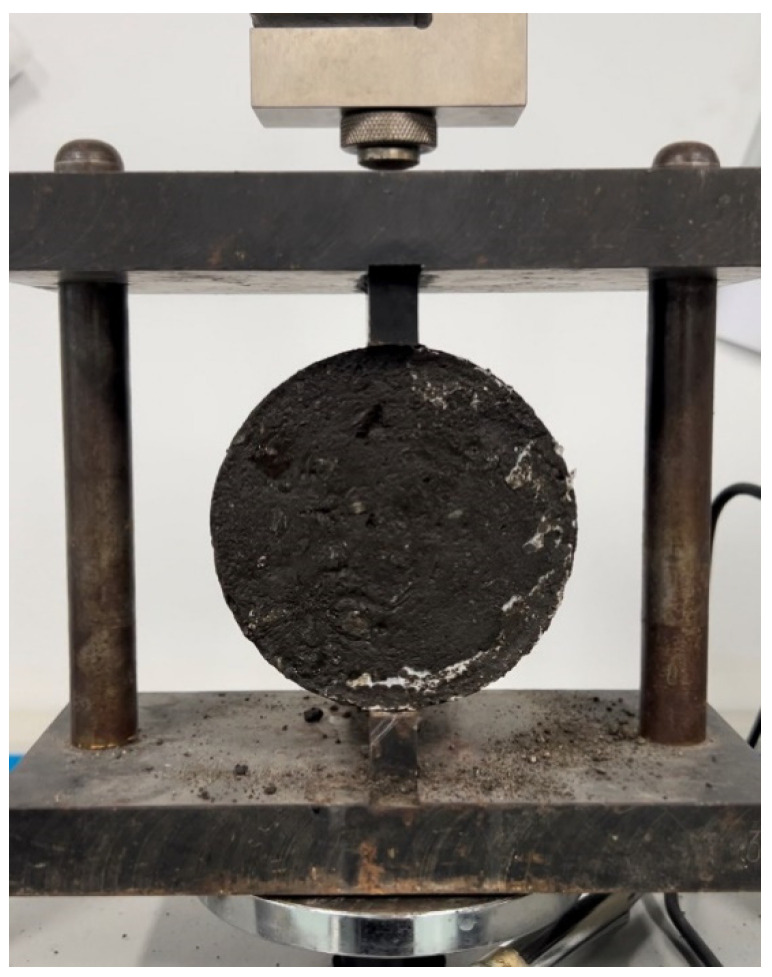 Figure 6
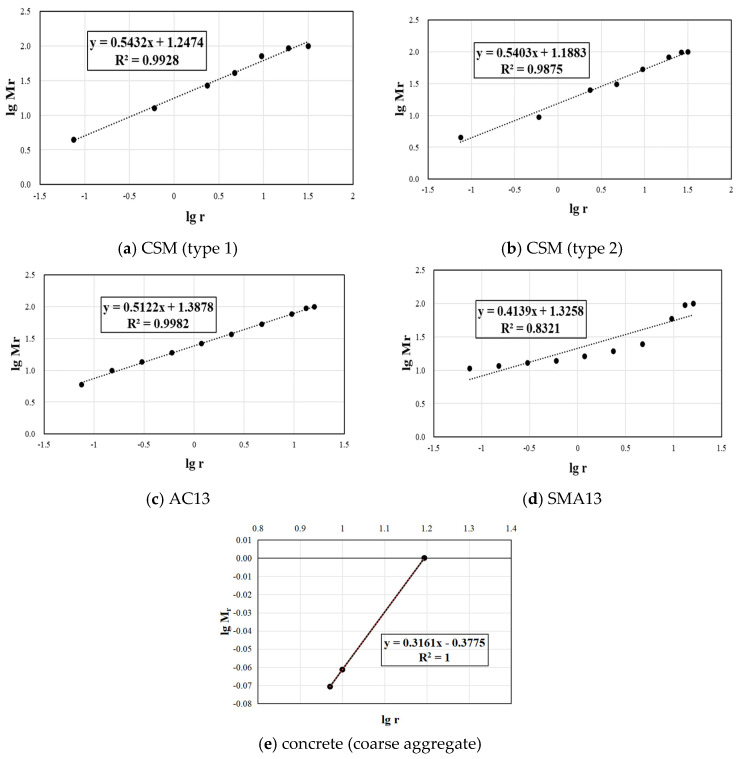 Figure 7
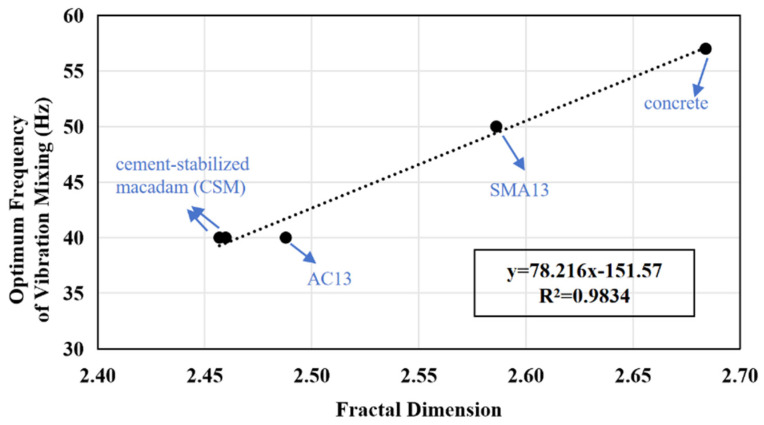 Figure 8
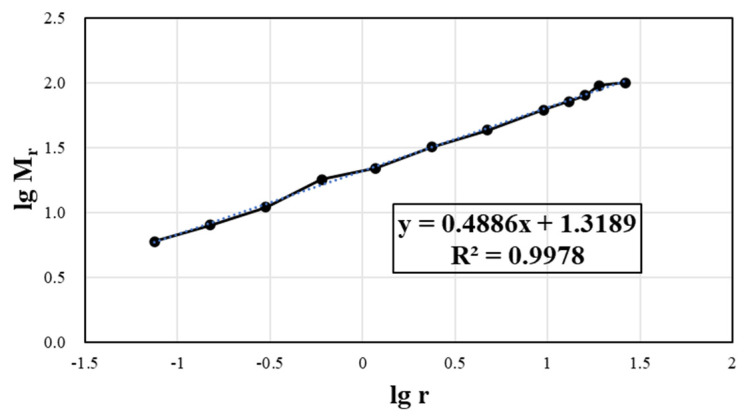 Figure 9
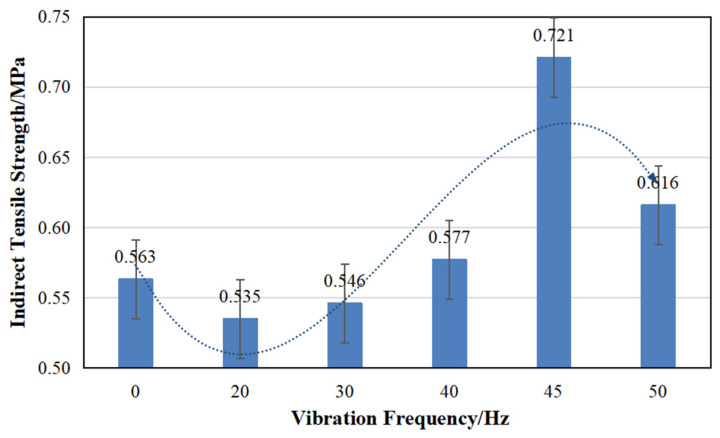 Figure 10
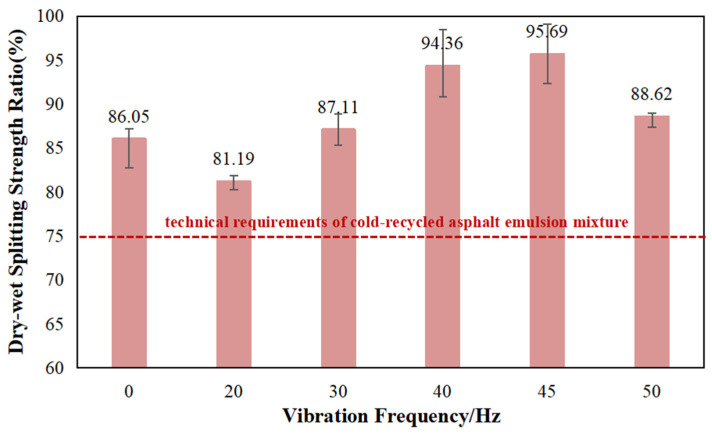 Figure 11
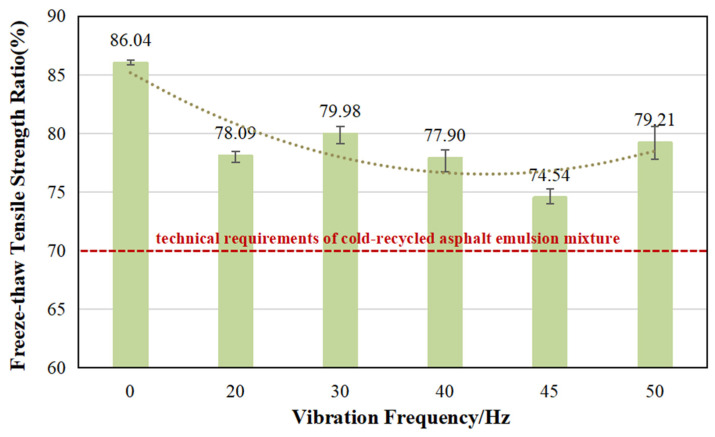 Figure 12
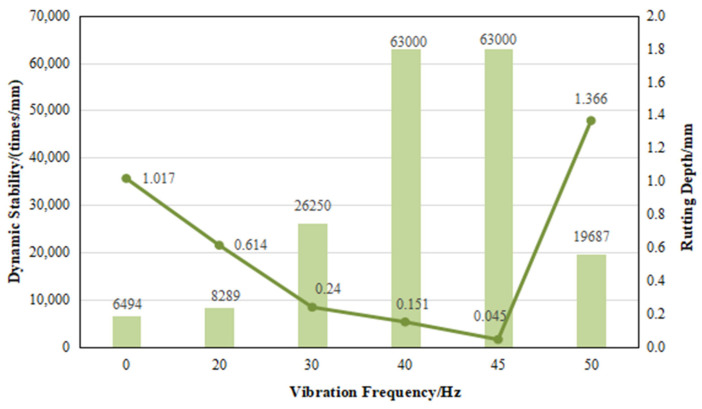 Figure 13
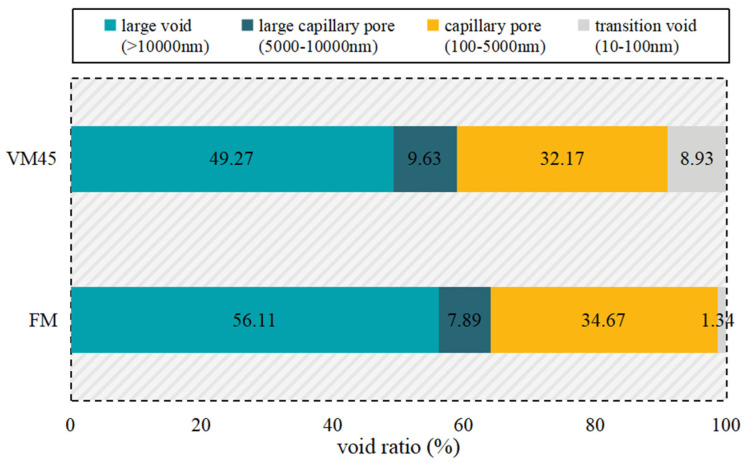 Figure 14
Peer Reviews
No public reviews on file for this paper yet. If you reviewed it on a platform where reviews are public (OpenReview, ICLR, NeurIPS, ICML), you can paste yours below so the community can read it here.
Videos
No videos yet. Explain this paper in a talk, walkthrough, or lecture? Add one.
Taxonomy
TopicsAsphalt Pavement Performance Evaluation · Infrastructure Maintenance and Monitoring · Geotechnical Engineering and Underground Structures