Research on the Key Technology of a Fluorescence Detection Device Using the RT-LAMP Method for Instant Detection
Hongzhuang Guo, Ping Gong, Tingting Sun, Xin Wang, Hao Zhang

TL;DR
This paper introduces a portable device for instant detection of COVID-19 using fluorescence-based RT-LAMP technology, showing high accuracy and reliability.
Contribution
A novel point-of-care testing device using dual-excitation fluorescence RT-LAMP for reliable and portable detection of SARS-CoV-2.
Findings
The device achieved a repeatability coefficient of variation (CV) ≤0.09% and high linearity (R² of 0.9977 for FAM and 0.9899 for HEX channels).
It demonstrated 100% positive agreement and 95.0% negative agreement with RT-qPCR, indicating strong diagnostic accuracy.
The device showed excellent temperature stability (±0.062°C) and minimal cross-channel interference.
Abstract
As of 31 October 2023, there have been 771,795,258 confirmed cases of COVID-19 globally. Developing simple, portable, and reliable testing devices has become increasingly important. This paper presents a point-of-care testing (POCT) device for COVID-19 based on the dual-excitation fluorescence RT-LAMP method, which is derived from the principles of RT-LAMP-based COVID-19 detection kits available in the market. The key design solutions of the device were simulated and modeled. Key performance metrics such as detection repeatability and linearity were validated. Comparative experiments with the RT-qPCR detection method were conducted to verify the accuracy and reliability of the device. Additionally, the device’s detection sensitivity and accuracy were assessed. Experimental results show that the repeatability coefficient of variation (CV) value is ≤0.09%; the linearity R2 for the FAM…
Genes, proteins, chemicals, diseases, species, mutations and cell lines named across the full text — each resolved to its canonical identifier and authoritative record.
Click any figure to enlarge with its caption.
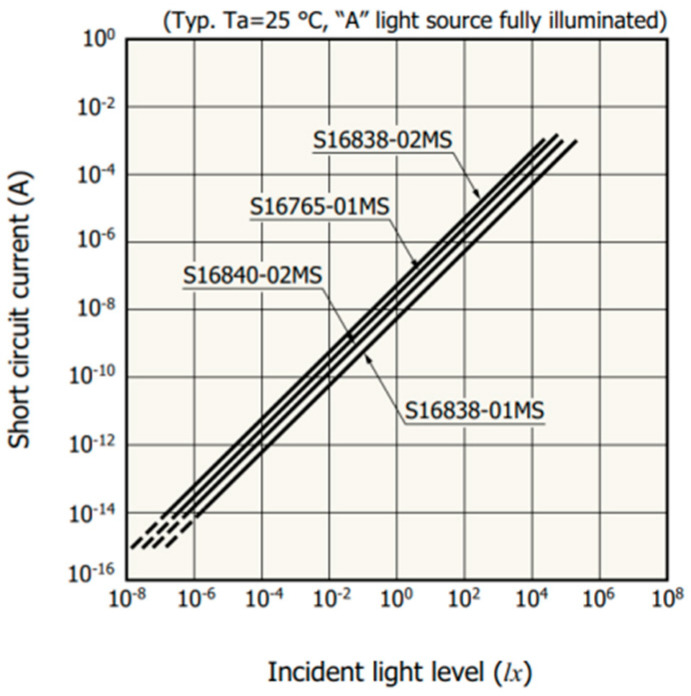 Figure 1
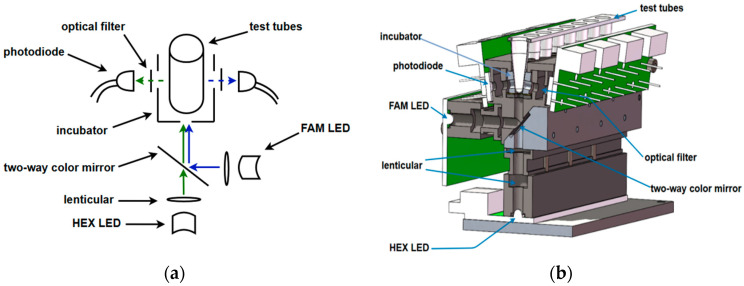 Figure 2
 Figure 3
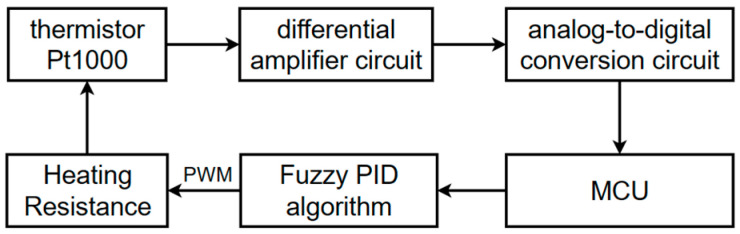 Figure 4
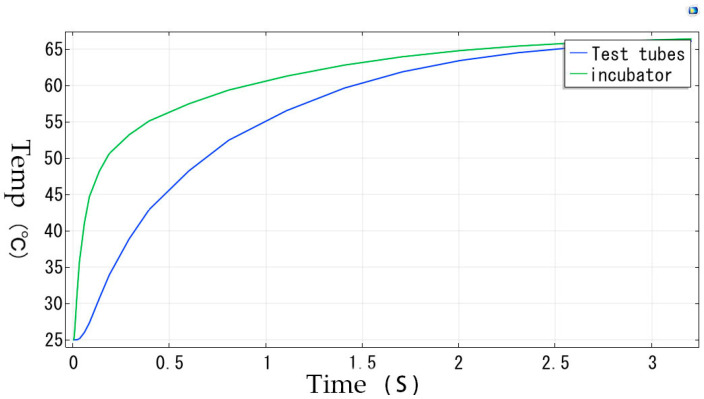 Figure 5
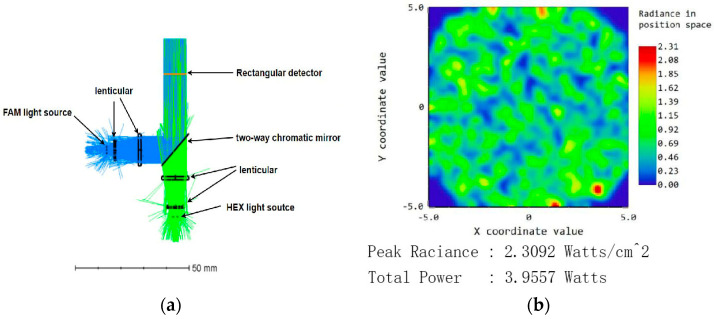 Figure 6
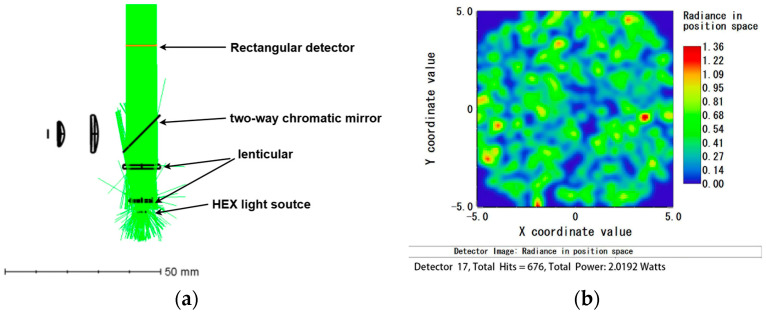 Figure 7
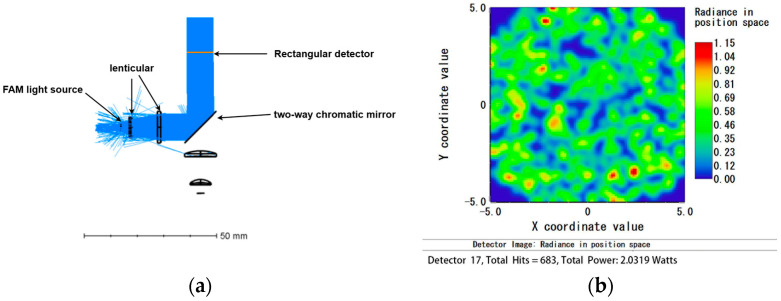 Figure 8
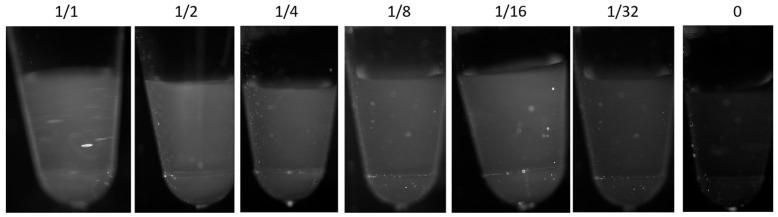 Figure 9
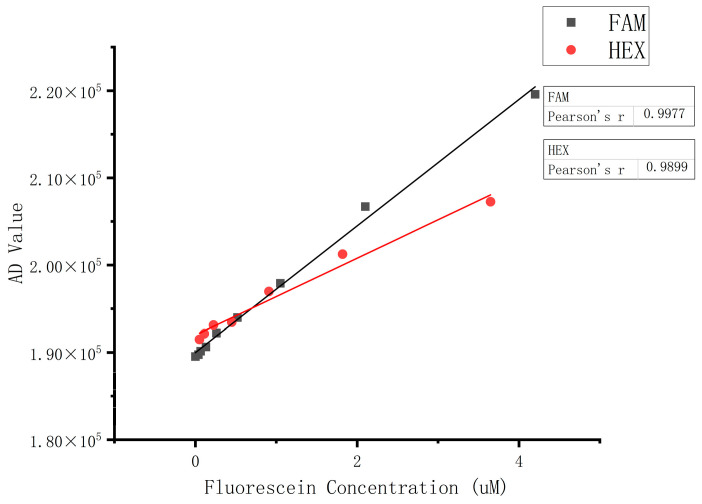 Figure 10
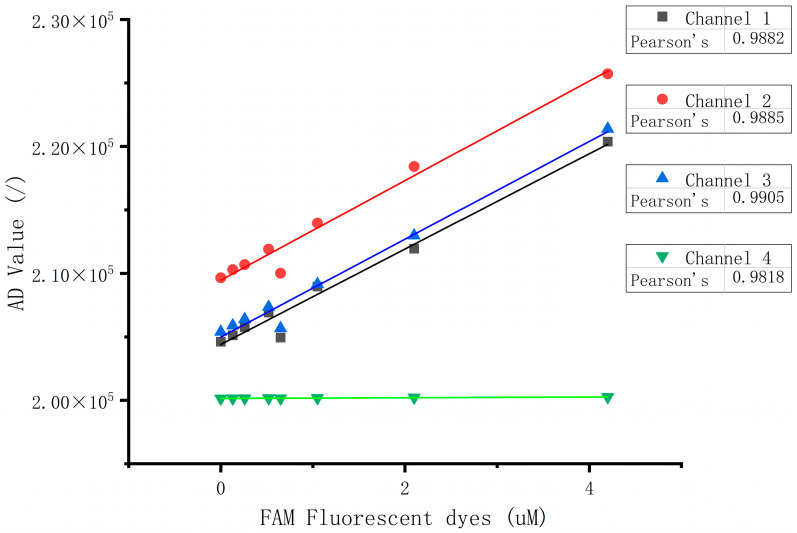 Figure 11
Peer Reviews
No public reviews on file for this paper yet. If you reviewed it on a platform where reviews are public (OpenReview, ICLR, NeurIPS, ICML), you can paste yours below so the community can read it here.
Videos
No videos yet. Explain this paper in a talk, walkthrough, or lecture? Add one.
Taxonomy
TopicsBiosensors and Analytical Detection · Advanced biosensing and bioanalysis techniques · Advanced Biosensing Techniques and Applications